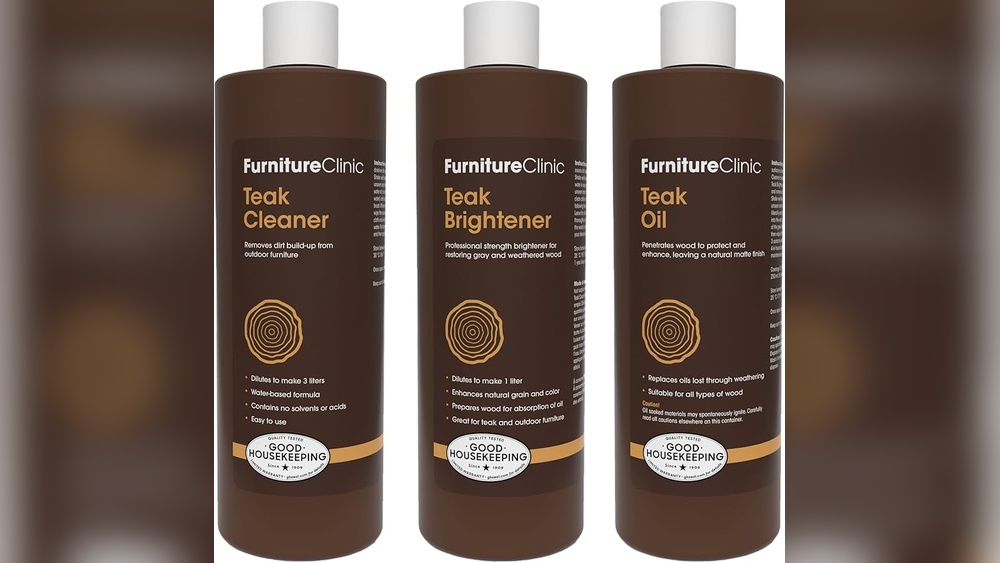
Your outdoor furniture faces a lot every day—sun, rain, wind, and dirt. Over time, this exposure can wear down even the toughest pieces.
But here’s the good news: you don’t have to replace your favorite chairs and tables just yet. With the right care and treatment, you can bring them back to life and keep them looking great for years. Curious how to protect and restore your outdoor furniture easily?
Keep reading, because what you’ll learn could save you money and extend the life of your outdoor space.
Choosing The Right Treatment
Choosing the right treatment for outdoor furniture is key to keeping it in good shape. Different materials need different care to last longer. Proper treatment protects furniture from weather, dirt, and damage. It also keeps the furniture looking fresh and new.
Wood Sealants And Oils
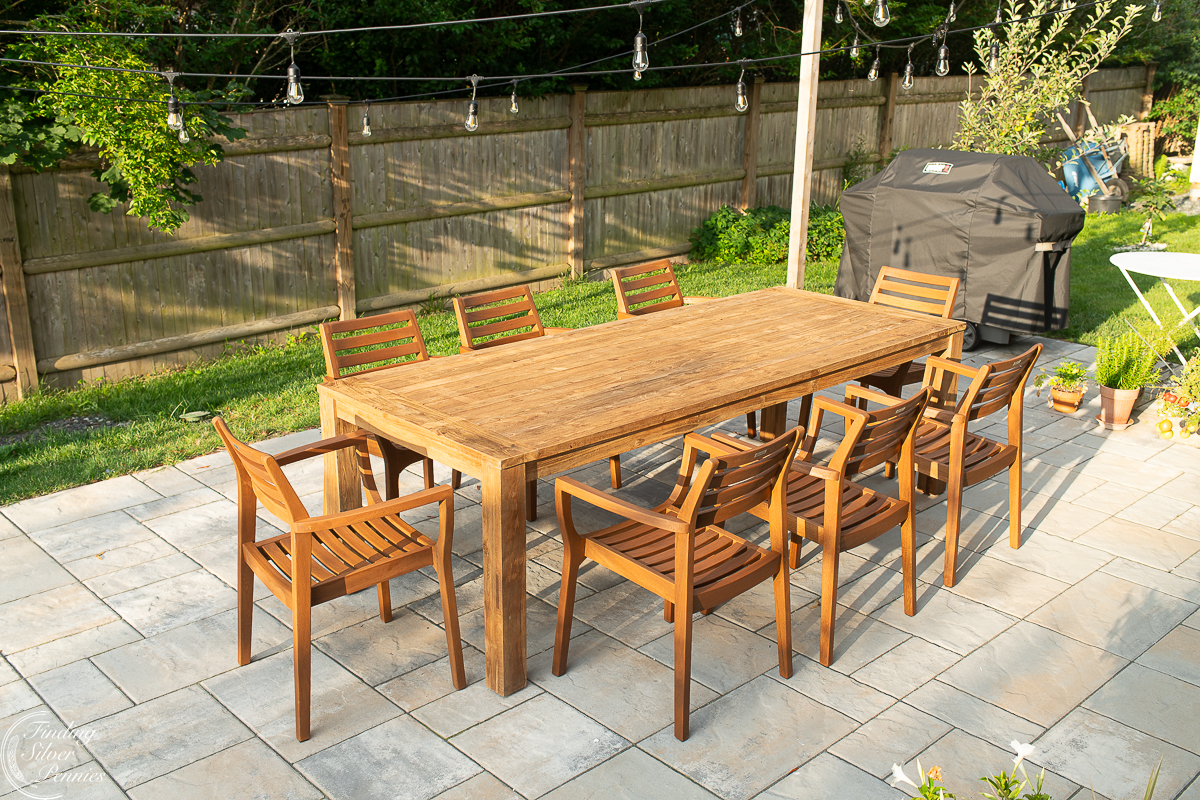
Wood furniture needs protection from moisture and sun. Sealants create a barrier that stops water from soaking in. Oils soak into the wood and keep it from drying out. Both help prevent cracks and fading. Apply sealants or oils once or twice a year for best results.
Metal Protectants
Metal furniture can rust and corrode without care. Use protectants that stop rust and shield against rain. Paints and sprays made for metal work well. Clean metal furniture before applying any protectant. This keeps metal strong and looking good for years.
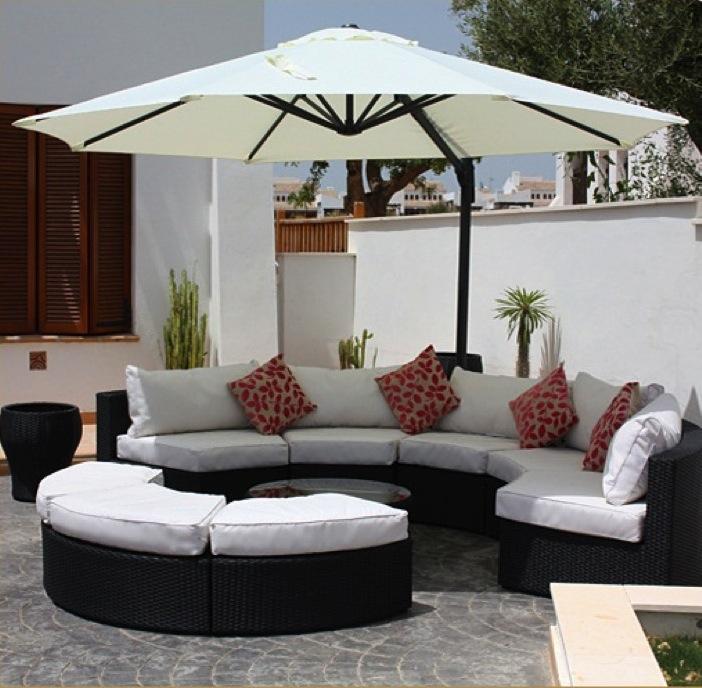
Fabric And Cushion Care
Fabrics on outdoor furniture need special attention. Use water-resistant sprays to stop stains and mildew. Remove cushions and clean them regularly. Store cushions inside when not in use to keep them dry. Good care makes cushions last longer and stay comfortable.
Credit: eclipseshading.com
Preparing Furniture For Treatment
Preparing outdoor furniture for treatment is essential for good results. Clean and smooth surfaces help treatments last longer. Taking time to prepare furniture protects it from damage and weather effects. Proper preparation makes the furniture look better and stay strong.
Cleaning And Drying
Start by removing dirt and dust from the furniture. Use a soft brush or cloth for cleaning. Soap and water work well for most materials. Rinse thoroughly to remove soap residue. Let the furniture dry completely in sunlight or air. Dry furniture absorbs treatments better and prevents mold growth.
Sanding And Repairing
Sand rough or old surfaces to create a smooth base. Use fine sandpaper and sand gently along the grain. Fix cracks, holes, or broken parts with wood filler or glue. Allow repairs to dry fully before sanding again. Smooth surfaces help treatments stick and protect the wood.
Application Techniques
Treating outdoor furniture helps protect it from weather damage. Proper application techniques ensure the treatment lasts longer. Choosing the right method depends on the type of furniture and finish needed. Understanding these techniques helps maintain your furniture’s beauty and strength.
Brushing And Spraying Methods
Brushing is a simple and controlled way to apply treatments. Use a soft brush to spread paint or sealant evenly. It works well on small or detailed surfaces. Brushing helps the treatment soak into the wood or material better.
Spraying covers large areas quickly. Use a spray gun or aerosol for fast application. Keep a steady hand to avoid drips and uneven coats. Spraying works best outdoors or in a well-ventilated space.
Number Of Coats And Drying Times
Applying multiple coats improves protection and appearance. Usually, two to three coats are enough. Let each coat dry completely before adding the next one. Drying times vary depending on the treatment type and weather conditions.
Check product instructions for specific drying times. Avoid rushing to prevent peeling or cracking. Proper drying ensures the treatment bonds well with the furniture surface.
Credit: www.chairup.com
Maintenance Tips For Longevity
Proper care helps outdoor furniture last longer and stay beautiful. Regular maintenance prevents damage and keeps materials strong. Simple steps can protect your investment and save money over time.
Regular Cleaning Schedules
Clean outdoor furniture often to remove dirt and grime. Use a soft brush or cloth to avoid scratches. Mild soap and water work well for most materials. Rinse thoroughly to remove soap residue. Dry furniture completely to stop mold and mildew growth. Set a cleaning routine based on weather and use.
Seasonal Protection Strategies
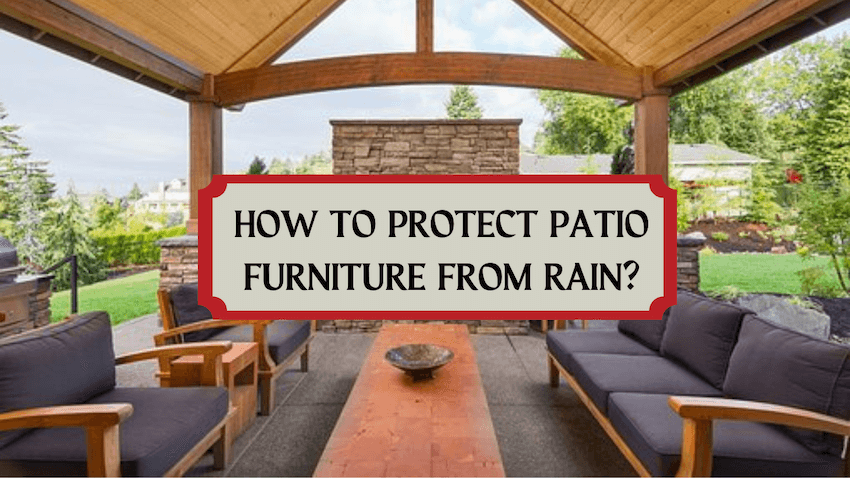
Prepare furniture before each season changes. Cover pieces during rain or snow to prevent water damage. Store cushions inside or in waterproof containers. Apply protective sealants for wood or metal surfaces yearly. Move lightweight furniture to sheltered areas in harsh weather. These steps reduce wear and extend furniture life.
Common Mistakes To Avoid
Taking care of outdoor furniture needs some care and attention. Many people make simple mistakes that damage their furniture. Avoiding these errors helps keep furniture looking good for longer. Here are common mistakes to watch out for.
Using The Wrong Products
Not all cleaners and treatments suit outdoor furniture. Some products can harm wood, metal, or fabric. Harsh chemicals may strip finishes or cause discoloration. Always check product labels for compatibility with your furniture material. Use gentle cleaners made for outdoor use. This protects furniture and keeps it looking fresh.
Ignoring Weather Conditions
Weather greatly affects outdoor furniture condition. Sun can fade colors and dry out materials. Rain and humidity cause rust and mold growth. Treat furniture before seasonal changes for best protection. Cover or store furniture during heavy rain or snow. This reduces damage and prolongs furniture life.
Credit: www.findingsilverpennies.com
Frequently Asked Questions
Can You Treat Outdoor Furniture To Prevent Damage?
Yes, treating outdoor furniture helps protect it from weather and wear. Use sealants, oils, or protective sprays to extend its life and maintain appearance. Regular treatment prevents cracking, fading, and rust, keeping furniture durable and attractive.
What Products Are Best For Treating Outdoor Furniture?
Use specialized sealants, wood oils, or water-repellent sprays for outdoor furniture. For wood, teak oil or varnish works well. Metal furniture benefits from rust-resistant primers and paints. Choose products designed for your furniture’s material for optimal protection.
How Often Should Outdoor Furniture Be Treated?
Treat outdoor furniture at least once a year, ideally before and after the outdoor season. More frequent treatment may be needed in harsh climates or for heavily used pieces. Regular maintenance preserves furniture quality and extends its lifespan.
Can Treating Outdoor Furniture Improve Its Appearance?
Yes, treating outdoor furniture enhances its look by restoring color and shine. Oils and sealants nourish wood, while protective coatings prevent rust and fading on metal. Well-treated furniture looks newer and more inviting.
Conclusion
Treating outdoor furniture helps it last longer and look better. Regular cleaning and protective coatings keep materials safe from weather. Use the right products for wood, metal, or plastic items. Small repairs prevent bigger damage and save money. Taking care of furniture means more comfort in your outdoor space.
Simple steps can make a big difference over time. So, treat your outdoor furniture well and enjoy it year after year.