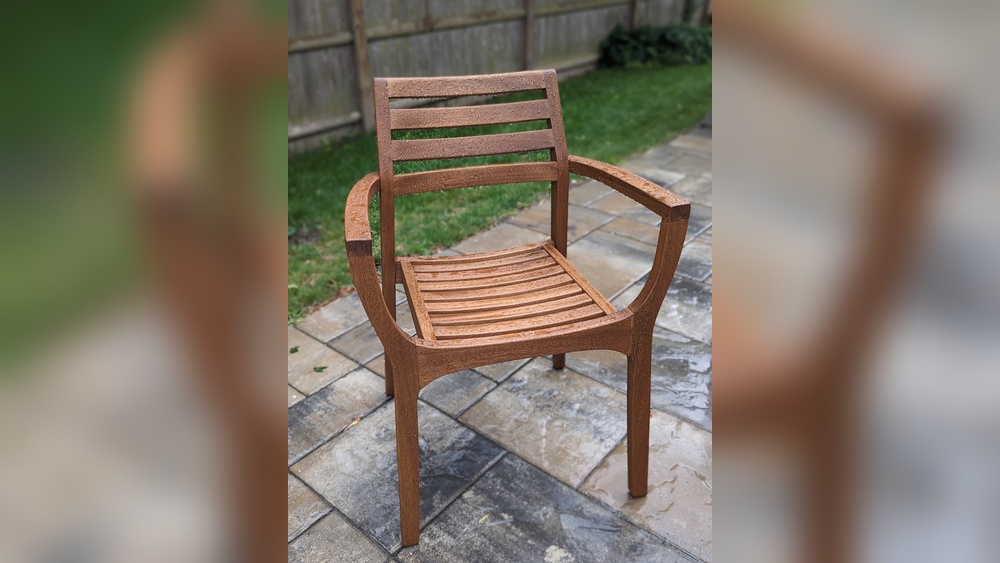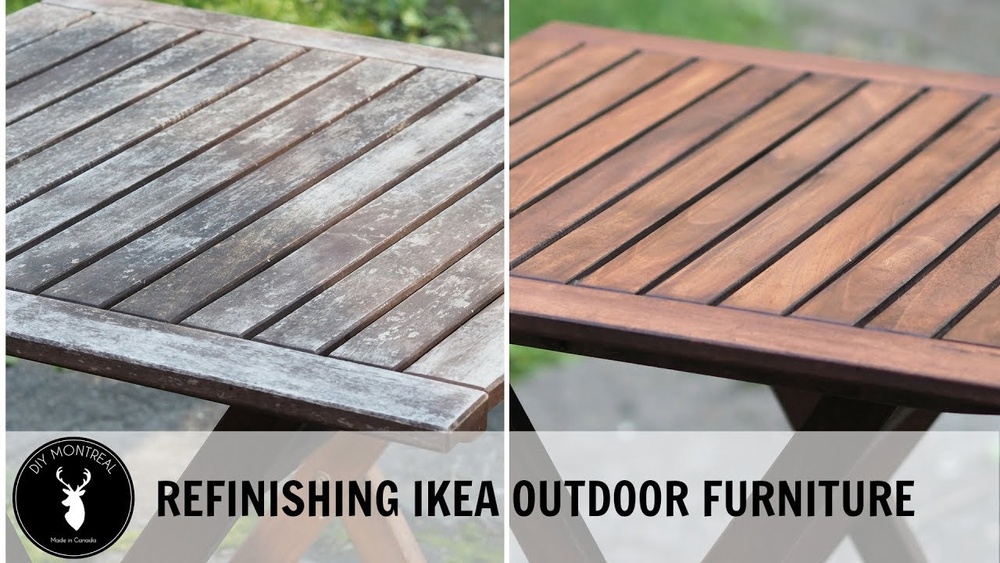
Do you have beautiful wood furniture that you want to use outside but worry it won’t last? Untreated wood can easily get damaged by rain, sun, and bugs.
But don’t worry—you can protect your furniture and keep it looking great for years. You’ll learn simple, effective ways to treat your untreated wood furniture for outdoor use. By following these steps, you’ll save money, avoid frustration, and enjoy your outdoor space with confidence.
Ready to give your wood the protection it needs? Let’s dive in.
Choosing The Right Wood
Choosing the right wood is the first step to treating untreated wood furniture for outdoor use. Not all woods hold up well outside. Some woods resist water, insects, and sun better than others. Picking the right type helps your furniture last longer and look better. Understanding wood qualities helps make the best choice.
Durability Factors
Durability depends on wood density and natural oils. Hardwoods often last longer outside. Woods with natural oils resist rot and bugs. Tight grain woods absorb less water. This lowers the chance of warping and cracking. Wood treated with preservatives also lasts longer. Always check if wood is suitable for outdoor use.
Common Wood Types For Outdoors
Teak is popular for outdoor furniture. It has natural oils that protect it. Cedar is light and resists insects well. Redwood is strong and resists decay. Pressure-treated pine is affordable and widely used. These woods balance durability and cost. Choose a wood type that fits your budget and style.

Credit: pinetarworld.com
Preparing Wood Surface
Preparing the wood surface is the first step in treating untreated wood furniture for outdoor use. This step helps the wood absorb the finish better. It also protects the furniture from weather damage. Proper preparation makes the wood last longer outside.
Cleaning And Sanding
Start by cleaning the wood surface. Remove dirt, dust, and any loose particles. Use a soft brush or cloth to wipe the surface clean. For sticky spots, a mild soap and water solution works well. Let the wood dry completely before moving on.
Next, sand the wood to create a smooth surface. Use medium-grit sandpaper to remove rough spots. Sand along the grain of the wood. This helps open the wood pores for better finish absorption. After sanding, wipe away dust with a clean cloth.
Removing Old Finishes
Old finishes can block new treatments from soaking in. Check the wood for paint, varnish, or sealant. Use a chemical stripper or a scraper to remove these old layers. Follow product instructions carefully for safety. After removal, sand the wood again to smooth the surface. Clean the wood to remove any residue before applying new treatment.
Selecting Protective Treatments
Choosing the right protective treatment is key to keeping wood furniture safe outdoors. Untreated wood can easily get damaged by water, sun, and bugs. Protective treatments help block these problems. They also keep the wood looking fresh and strong for years. Different treatments suit different needs and styles. Here are some common options to consider.
Sealants And Varnishes
Sealants and varnishes create a tough barrier on the wood surface. They block water and stop moisture from soaking in. These coatings also protect against sun damage and fading. Sealants soak deep into the wood, while varnishes form a shiny layer on top. Both types help prevent cracks and warping. Choose a product labeled for outdoor use. Apply in thin, even coats for best results.
Oils And Waxes
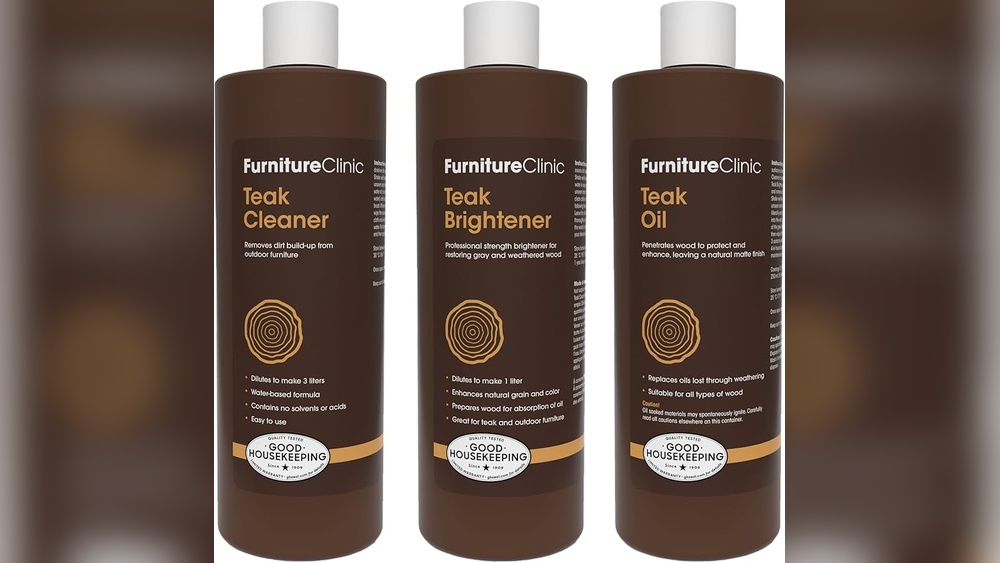
Oils and waxes soak into wood to nourish and protect it. Oils like teak or linseed penetrate deep and keep wood flexible. Waxes add a soft shine and extra water resistance. These treatments bring out the natural grain and color of the wood. They need reapplication every few months, especially in harsh weather. Oils and waxes are easy to apply with a cloth or brush. Ideal for a natural look and feel.
Paints And Stains
Paints and stains add color and protection to wood furniture. Paint covers the surface completely and hides imperfections. It blocks sunlight and water very well. Stains soak into the wood and highlight its texture. They come in many shades and offer moderate protection. Choose products made for outdoor use and apply multiple coats. Paints and stains also help prevent mold and mildew growth.

Credit: www.snydersfurniture.com
Application Techniques
Applying treatment to untreated wood furniture is key for outdoor use. Proper application protects wood from weather damage and keeps it looking good longer. Using the right techniques ensures even coverage and better absorption of the product. This section covers brushing, spraying, number of coats, and drying times.
Brushing And Spraying
Brushing is a simple way to apply wood treatment. Use a natural bristle brush for smooth, even strokes. Brush along the grain to help the wood absorb the product. Spraying works well for large or intricate furniture pieces. It spreads the treatment quickly and reaches tight spots. Spray from about 12 inches away to avoid drips and runs. Both methods need care to cover all surfaces fully.
Number Of Coats
Two to three coats are best for outdoor wood. The first coat soaks deep into the wood. The second coat adds extra protection. A third coat improves durability in harsh weather. Avoid applying too many coats; it can make the surface sticky. Always follow the product instructions for the exact number of coats recommended.
Drying Times
Drying time affects the strength of the finish. Most treatments need at least 24 hours to dry. Some may require up to 48 hours between coats. Avoid using or moving furniture before it dries fully. Check weather conditions; rain or high humidity can slow drying. Patience helps the treatment bond well and last longer.
Preventing Common Issues
Untreated wood furniture needs care to stay strong outdoors. Wood faces many problems from weather and environment. Preventing these common issues helps your furniture last longer and look better. Simple steps can protect wood from damage and keep it safe in any season.
Moisture Damage
Water can soak into wood, causing it to swell and crack. This damage weakens the furniture. Use a water-resistant sealant to block moisture. Reapply sealant every year for best protection. Keep furniture off wet ground to reduce water contact. Cover furniture during heavy rain or snow to avoid water buildup.
Uv Protection
Sunlight can fade and dry out wood. UV rays break down wood fibers, making it brittle. Use a finish with UV blockers to protect the surface. Choose light-colored stains or paints to reflect sunlight. Place furniture in shaded areas when possible. Regularly check and touch up finishes to maintain UV defense.
Mold And Mildew Prevention
Moist environments cause mold and mildew growth on wood. These fungi damage wood and cause stains. Clean furniture with mild soap and water often. Ensure good air flow around furniture to keep it dry. Use antifungal sprays designed for wood to prevent growth. Remove mold quickly with a soft brush and cleaning solution.
Maintenance Tips
Maintaining untreated wood furniture outdoors keeps it strong and beautiful. Simple care steps protect wood from weather damage and dirt. Follow these tips to extend your furniture’s life and look.
Regular Cleaning
Clean wood furniture often to remove dirt and dust. Use a soft brush or cloth with mild soap and water. Avoid harsh chemicals that can harm the wood. Rinse well and dry with a clean towel. Cleaning stops mold and mildew from growing on the surface.
Reapplying Treatments
Untreated wood needs protection from sun and rain. Apply wood oil or sealant every year or after heavy rain. This keeps the wood from drying out and cracking. Use a brush to cover all sides evenly. Let the treatment dry fully before using the furniture again.
Storage Recommendations
Store wood furniture in a dry, shaded place during winter or bad weather. Cover with a breathable cloth to avoid moisture buildup. Avoid plastic covers that trap water and cause mold. If storage indoors is not possible, move furniture under a roof or porch.

Credit: www.amazon.com
Frequently Asked Questions
How Do I Prepare Untreated Wood For Outdoor Use?
Start by sanding the wood smooth to remove rough spots. Clean it thoroughly to remove dust and dirt. Apply a wood preservative to protect against rot and insects before sealing.
What Type Of Sealant Is Best For Outdoor Wood Furniture?
Use a waterproof sealant like spar varnish or exterior polyurethane. These sealants protect wood from moisture, UV rays, and temperature changes. Reapply every 1-2 years for best results.
Can Untreated Wood Be Left Outside Without Treatment?
No, untreated wood absorbs moisture and deteriorates quickly outdoors. It can crack, warp, and develop mold. Proper treatment extends its lifespan and maintains appearance.
How Often Should I Reapply Treatment To Outdoor Wood Furniture?
Reapply sealant or protective finish every 12 to 24 months. Inspect the furniture regularly for wear or damage. Timely maintenance prevents wood decay and keeps furniture looking new.
Conclusion
Treating untreated wood furniture protects it from weather damage. Use sealants or oils to keep wood strong and beautiful. Clean the furniture before applying any treatment. Let the wood dry completely after treatment. Regular care extends the life of outdoor wood furniture.
Enjoy your outdoor space with well-maintained wood pieces. Simple steps make a big difference in wood durability. Start treating your furniture today for lasting outdoor use.