You love your wood outdoor furniture—it adds charm and comfort to your space. But what happens when it gets wet?
You might worry about damage, stains, or even rotting. Don’t let that stop you from enjoying your beautiful pieces, rain or shine. You’ll discover simple, effective ways to protect your wood furniture from water damage. Keep reading to learn how to keep your outdoor furniture looking great, no matter the weather.
Common Wood Types For Outdoor Furniture
Wood outdoor furniture adds charm and natural beauty to any space. Choosing the right wood type is key for durability and water resistance. Some woods handle rain and moisture better than others. Knowing common wood types helps in selecting furniture that lasts longer outside.
Teak And Its Water Resistance
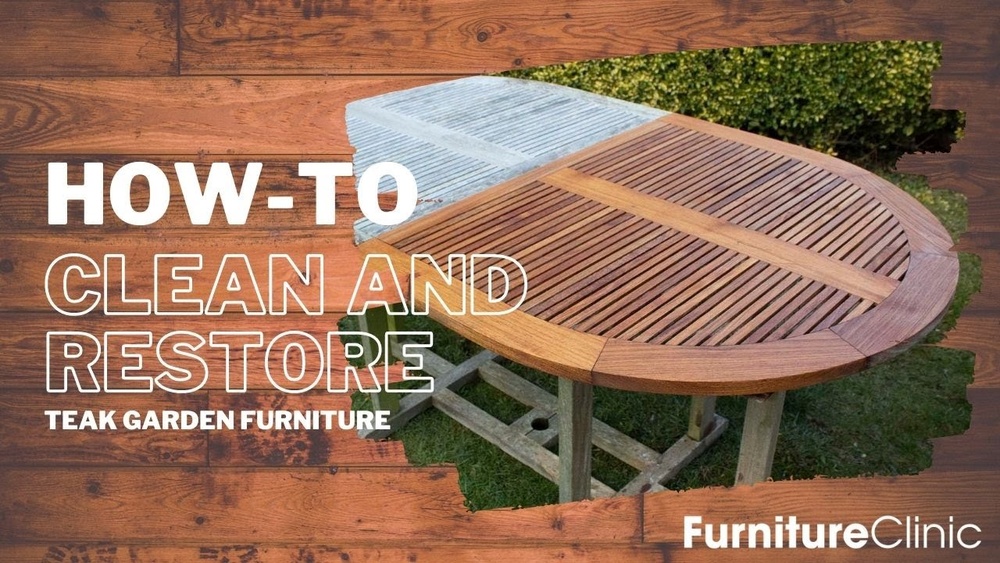
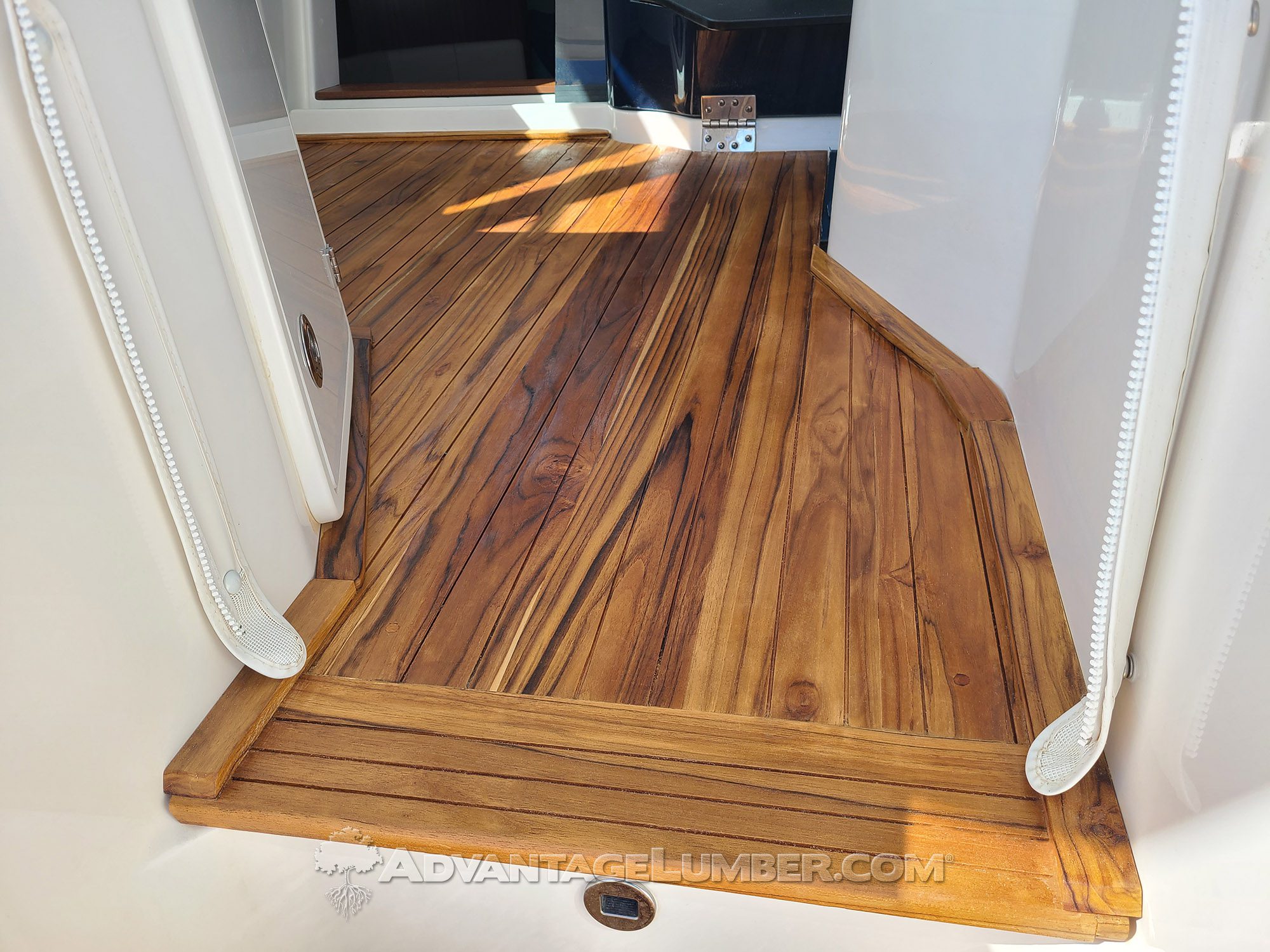
Teak is famous for its natural oils that repel water. This makes it highly resistant to warping and rotting. It needs little maintenance and stays strong even in wet conditions. Teak furniture often ages beautifully, developing a soft gray color over time.
Cedar And Redwoods
Cedar and redwood contain natural oils and resins that fight moisture and insects. These woods resist decay and maintain their shape well. They are lighter than teak but still perform well outdoors. Regular sealing helps keep their color vibrant and protects against weather damage.
Pine And Treated Woods
Pine is softer and less water-resistant than hardwoods. Treated pine is infused with chemicals to protect it from rot and insects. It can last longer outdoors with proper care and sealing. Treated wood furniture offers a budget-friendly option for outdoor use.
Credit: blog.advantagelumber.com
Effects Of Water On Wood Furniture
Water can cause serious damage to outdoor wood furniture. Wood soaks up moisture easily. This leads to changes in the furniture’s shape, look, and strength. Understanding these effects helps protect your wood pieces better.
Swelling And Warping
Wood absorbs water and swells. This makes the furniture expand beyond its normal size. Over time, the wood loses its shape. Warping happens when parts bend or twist unevenly. This weakens the structure and ruins the furniture’s fit and finish.
Mold And Mildew Growth
Wet wood creates a perfect home for mold and mildew. These fungi grow in damp, shaded areas. Mold and mildew cause dark spots and stains on wood surfaces. They also produce a musty smell. If left untreated, they damage the wood and affect air quality.
Fading And Discoloration
Water exposure changes the color of wood. It can cause fading or dark spots. Sunlight combined with moisture makes the problem worse. Discoloration spoils the natural beauty of wood. It also lowers the furniture’s value and appeal.
Immediate Steps After Furniture Gets Wet
Wood outdoor furniture often faces rain or spills. Acting fast protects your furniture from damage. Immediate care helps prevent stains, warping, and mold. Follow these simple steps right after your wood furniture gets wet.
Wiping Down Excess Water
Start by removing water with a clean cloth. Use a soft, absorbent towel to avoid scratches. Pat the surface gently to soak up moisture. Avoid rubbing hard as it may harm the wood finish.
Proper Drying Techniques
Let the furniture dry naturally in air. Place it in a shaded, well-ventilated area. Use a fan if indoors to speed up drying. Do not cover furniture with plastic sheets; trap moisture inside. Check corners and joints for hidden dampness regularly.
Avoiding Direct Sunlight
Keep the furniture out of strong sunlight after rain. Sunlight can cause the wood to crack and fade. Drying too fast leads to surface damage. Choose a cool, shaded spot for drying instead. This helps maintain the wood’s color and strength.
Credit: urbanlandproducts.com
Routine Cleaning And Maintenance
Wood outdoor furniture needs care to stay beautiful and last longer. Routine cleaning and maintenance keep the wood strong. Dirt, water, and sun can damage the surface. Regular attention helps protect the furniture from these elements. Simple steps can make a big difference.
Choosing The Right Cleaning Products
Pick gentle cleaning products made for wood. Avoid harsh chemicals that can ruin the finish. Mild soap mixed with water works well. Use a soft cloth or sponge to clean. Test any new product on a small area first. This prevents unexpected damage or discoloration.
Removing Stains And Dirt
Remove dirt quickly to avoid stains. Use a soft brush to clean tight spots. For tough stains, try a mix of baking soda and water. Rub gently and rinse with clean water. Avoid scrubbing hard; it can scratch the wood. Dry the furniture well after cleaning.
Sanding And Refinishing Tips
Sanding smooths rough areas and removes old finish. Use fine-grit sandpaper for best results. Sand in the direction of the wood grain. After sanding, wipe away dust with a damp cloth. Apply a new coat of finish or sealant. This protects wood from moisture and sun damage.
Protective Treatments For Longevity
Protecting wood outdoor furniture helps it last longer, especially when exposed to wet conditions. Wood soaks up water, which can cause damage, rot, and warping. Applying protective treatments reduces water absorption and shields the wood. Simple steps can greatly improve your furniture’s lifespan and appearance.
Applying Sealants And Oils
Sealants create a barrier that stops water from soaking in. Use a clear wood sealant designed for outdoor use. Apply it with a brush, covering all surfaces. Let it dry fully before use. Oils, like teak or linseed oil, nourish the wood and add water resistance. Rub the oil into the wood with a cloth. Repeat the process every few months for best results.
Using Waterproof Covers
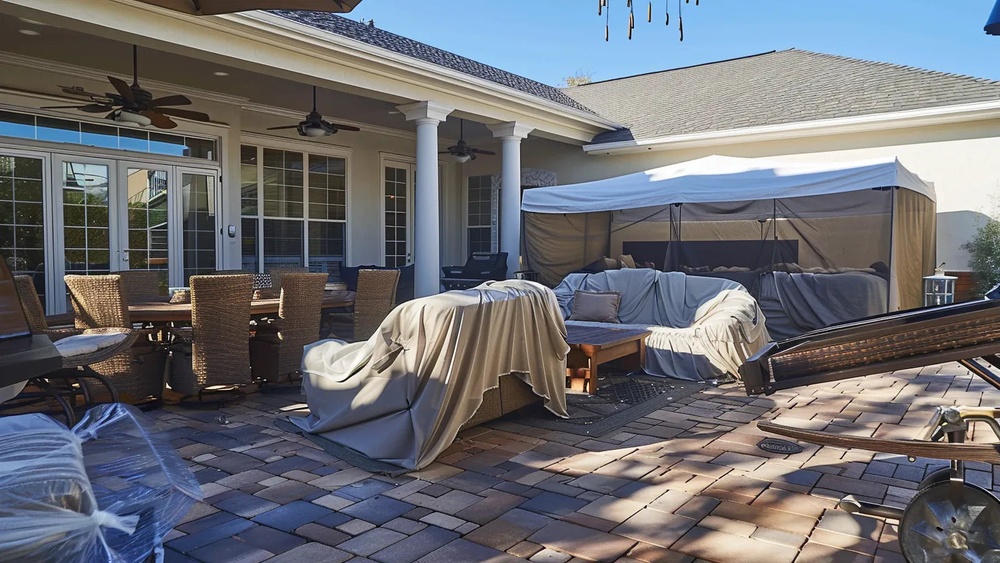
Waterproof covers protect furniture when not in use. Choose covers that fit well and allow air flow. Covers keep rain and dew off the wood. They also block dust and dirt. Remove covers occasionally to prevent moisture buildup underneath. This simple step keeps your furniture dry and clean.
Storing Furniture During Bad Weather
Store wood furniture indoors during heavy rain or snow. A garage or shed works well. Keep pieces off the ground to avoid moisture damage. If indoor storage is not possible, move furniture to a sheltered spot. Protecting your furniture during storms helps prevent long-term damage.
Credit: www.wayfair.com
Preventing Future Water Damage
Wood outdoor furniture can suffer from water damage if left wet too long. Preventing future water damage helps keep your furniture strong and beautiful for years. A few simple steps protect your wood from rotting, warping, and discoloration.
Positioning Furniture Strategically
Place your wood furniture in areas that drain well. Avoid spots where water collects or pools. Keep furniture under a covered patio or near a wall for some shelter. Move pieces away from direct rain paths. Elevate furniture slightly with small blocks to stop contact with wet ground.
Regular Inspections
Check your furniture often for signs of water damage. Look for cracks, soft spots, or color changes. Early detection stops damage from spreading. Wipe off any water or dampness quickly. Fix small issues like loose joints or peeling finish right away.
Seasonal Care Adjustments
Change your care routine with the seasons. In wet months, cover furniture or store it inside. Apply waterproof sealant before rainy seasons begin. During dry times, clean and oil the wood to keep it healthy. Adjust care steps based on your local climate to protect wood year-round.
Frequently Asked Questions
Can Wet Wood Outdoor Furniture Be Damaged Easily?
Yes, prolonged exposure to water can cause wood to warp, crack, or rot. Proper sealing and maintenance prevent damage.
How To Protect Wood Outdoor Furniture From Rain?
Apply water-resistant sealant or varnish regularly. Use furniture covers and store items indoors during heavy rain.
Should I Dry Wood Furniture Immediately After Rain?
Yes, drying wood furniture quickly prevents moisture absorption and mold growth. Wipe with a dry cloth and air dry.
Does Wet Wood Furniture Attract Pests?
Wet wood can attract pests like termites and fungi. Keeping furniture dry and sealed reduces pest risks.
Conclusion
Wood outdoor furniture can last longer with good care. Dry it quickly after rain or use. Apply sealant to protect wood from water damage. Store cushions and covers in a dry place. Regular cleaning helps keep furniture looking fresh. Treating wood prevents cracks and warping over time.
Enjoy your outdoor space without worry. Simple steps make a big difference in furniture life. Keep your wood furniture strong and beautiful.