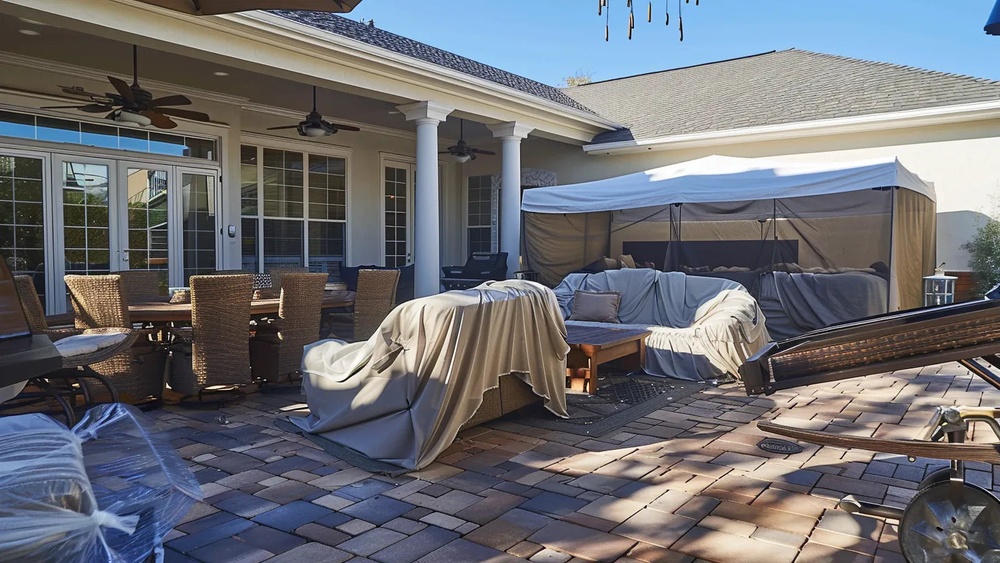
You’ve invested in outdoor furniture to create a cozy space for relaxing or entertaining. But when the weather changes, you might wonder: do you really need to cover it?
Leaving your furniture exposed can lead to damage, but covering it might feel like a hassle. What’s the best choice for keeping your outdoor pieces looking great year-round? You’ll discover simple reasons why covering your furniture can save you time, money, and stress.
Keep reading to find out how a small step can protect your investment and keep your outdoor space inviting.
Why Cover Outdoor Furniture
Covering outdoor furniture is a smart step to keep it safe and looking good. Furniture outside faces many challenges. Weather, dirt, and other elements can cause damage over time. Using covers helps protect your investment and keeps your furniture ready to use.
Shielding From Weather Damage
Rain, sun, wind, and snow harm outdoor furniture. Water can cause rust on metal and rot on wood. Sunlight makes materials dry and weak. Covers block direct contact with these elements. This extends the life of your furniture.
Preventing Fading And Discoloration
Sunlight causes colors to fade quickly. Bright colors turn dull and lifeless. Covers protect fabric and paint from UV rays. This keeps the furniture looking fresh and new longer.
Avoiding Moisture And Mold
Moisture can get trapped in cushions and wood. This creates mold and mildew, which smell bad and ruin surfaces. Covers help keep moisture out. They allow air to flow, reducing mold growth.
Protecting Against Dust And Debris
Dust, leaves, and dirt collect on outdoor furniture daily. These make cleaning harder and can scratch surfaces. Covers act as a barrier, stopping dirt from settling. This keeps your furniture cleaner and easier to maintain.
Types Of Furniture Covers
Choosing the right cover for your outdoor furniture helps protect it from weather damage. Different types of covers offer various levels of protection and comfort. Knowing the differences helps you pick the best one for your needs.
Materials And Durability
Furniture covers come in many materials like polyester, vinyl, and canvas. Polyester is lightweight and resists tearing. Vinyl offers strong protection but can trap moisture. Canvas is thick and durable but heavier to handle. The material affects how long the cover lasts and how well it protects.
Waterproof Vs. Water-resistant
Waterproof covers stop all water from reaching the furniture. They keep your furniture dry during heavy rain. Water-resistant covers block most water but may let some moisture through. These covers are lighter and easier to use. Choose waterproof if you want full protection.
Breathable Covers
Breathable covers let air pass through to prevent mold and mildew. They reduce moisture build-up under the cover. Breathable covers keep furniture dry and fresh. They work well in humid or wet climates.
Custom Vs. Universal Fits
Custom covers match your furniture’s exact size and shape. They fit snugly and offer better protection. Universal covers come in standard sizes to fit many furniture types. They are easier to buy but may not fit perfectly. Choose custom for a tight fit or universal for convenience.
When To Use Covers
Knowing when to cover your outdoor furniture helps protect it and extend its life. Covers shield your furniture from dirt, rain, sun, and cold. Using covers at the right times keeps your furniture looking good and saves repair costs.
Seasonal Protection
Cover furniture during seasons with harsh weather changes. Winter and fall bring rain, snow, and frost. These can damage wood, metal, and fabric. Covers keep moisture out and stop rust or mold. Remove covers in spring when the weather warms up.
During Extreme Weather
Use covers before storms or strong winds hit. Heavy rain or hail can cause dents and stains. Wind can blow dust and debris on furniture. Covers act as a shield against these forces. Secure covers tightly to avoid them blowing away.
Extended Periods Of Disuse
Covers protect furniture left unused for weeks or months. Dust, bird droppings, and insects can cause stains and damage. Covering furniture keeps it clean and ready to use. This is important during off-season or long trips.
Nightly Or Daily Use
Covers can be useful even with daily use. Cover furniture at night to prevent dew and moisture buildup. Morning sun can fade colors over time. A quick cover protects cushions and surfaces. This simple step keeps furniture fresh and clean.

Credit: fj-outdoors.com
Choosing The Right Cover
Choosing the right cover for your outdoor furniture protects it from weather damage. It keeps your furniture clean and extends its life. Picking a good cover means considering size, material, and ease of use. These factors help you find a cover that fits well and lasts long.
Measuring Your Furniture
Measure the length, width, and height of your furniture. Use a tape measure for accuracy. Write down the dimensions before buying a cover. A cover that is too small won’t protect well. Too large covers may blow away in wind.
Selecting Material Based On Climate
Choose cover material based on your local weather. Waterproof covers work best in rainy areas. Breathable fabrics help prevent mold in humid places. UV-resistant covers protect furniture from sun damage. Pick a material that suits your climate needs.
Ease Of Use And Maintenance
Look for covers that are easy to put on and take off. Lightweight covers save time and effort. Check if the cover can be cleaned easily. Machine-washable or wipe-clean covers keep maintenance simple. Easy-to-use covers encourage regular use.
Budget Considerations
Set a budget before shopping for covers. Higher-priced covers often offer better durability. Affordable covers can work for short-term use. Balance cost with quality to get the best value. Spending a bit more can save money on replacements.
Additional Protection Tips
Protecting your outdoor furniture goes beyond just covering it. Taking extra steps can extend its life and keep it looking good. Small actions make a big difference in fighting weather damage and wear.
These tips help keep your furniture safe from dirt, moisture, and sun damage. They are easy to do and save money over time.
Cleaning Before Covering
Clean your furniture before putting on covers. Dirt and grime can trap moisture and cause damage. Use mild soap and water to remove dust and stains. Let the furniture dry completely to avoid mold growth under the cover.
Proper Storage Techniques
Store furniture in a dry, sheltered place during harsh weather. Avoid direct contact with the ground by using pallets or racks. Keep pieces apart for air circulation. Proper storage prevents warping and rust.
Using Furniture Oils And Sealants
Apply oils or sealants to wooden and metal furniture. These products create a protective layer against water and sun damage. Follow the manufacturer’s instructions for best results. Regular treatment keeps surfaces smooth and durable.
Ventilation To Prevent Moisture Build-up
Allow air to flow under and around covered furniture. Ventilation stops moisture from building up and causing mold or mildew. Use breathable covers or leave small gaps. Good airflow protects your furniture’s finish and structure.
Credit: www.castlery.com
Common Mistakes To Avoid
Protecting outdoor furniture is important to make it last longer. Many people make simple mistakes that can harm the furniture or the cover. Avoiding these errors keeps your furniture safe and your cover useful.
Covering Wet Furniture
Covering wet furniture traps moisture inside. This causes mold and mildew to grow. Always dry furniture before covering it. Let air flow to prevent damage and bad smells.
Ignoring Fit And Size
Using a cover that is too big or too small causes problems. A loose cover can blow away in the wind. A tight cover may tear or damage furniture. Choose the right size for a secure fit.
Neglecting Regular Maintenance
Not checking covers often leads to dirt buildup and tears. Clean covers regularly to remove dust and debris. Fix small holes quickly to stop them from getting worse.
Using Low-quality Covers
Cheap covers wear out fast and do not protect well. Low-quality materials can let water and sun damage through. Invest in durable covers made for outdoor use. This saves money and effort in the long run.

Credit: www.patioworld.net
Frequently Asked Questions
Do I Need To Cover Outdoor Furniture In Winter?
Yes, covering outdoor furniture in winter protects it from moisture, frost, and dirt. Covers prevent rust and fading, extending furniture life.
What Materials Are Best For Outdoor Furniture Covers?
Waterproof, breathable fabrics like polyester or vinyl are best. They protect against rain and UV rays while preventing mold and mildew buildup.
Can I Leave Furniture Uncovered In Mild Weather?
You can, but exposure to sun and rain causes wear. Covering helps maintain appearance and durability even in mild conditions.
How Often Should I Clean Covered Outdoor Furniture?
Clean furniture at least twice a season. Remove covers, wipe surfaces, and let furniture dry before covering again to avoid mold.
Conclusion
Covering your outdoor furniture helps protect it from rain, sun, and dirt. It keeps furniture looking new and lasts longer. Not covering can cause damage and costly repairs. Choose covers that fit well and allow air flow. Regular cleaning also keeps furniture in good shape.
Small effort now saves money and time later. Think about your climate and how often you use your furniture. Protecting it means more comfort and enjoyment outside. Simple steps make a big difference.


