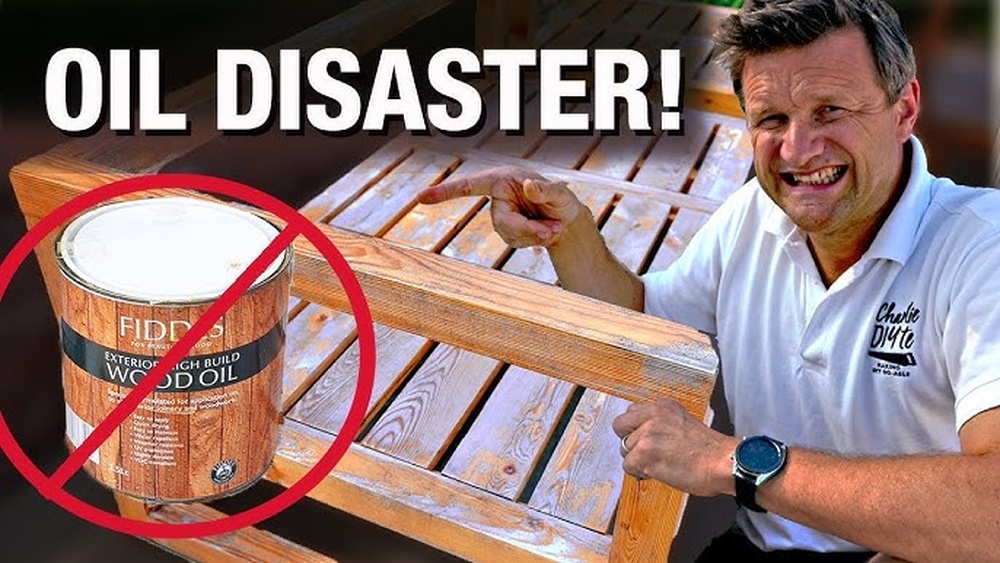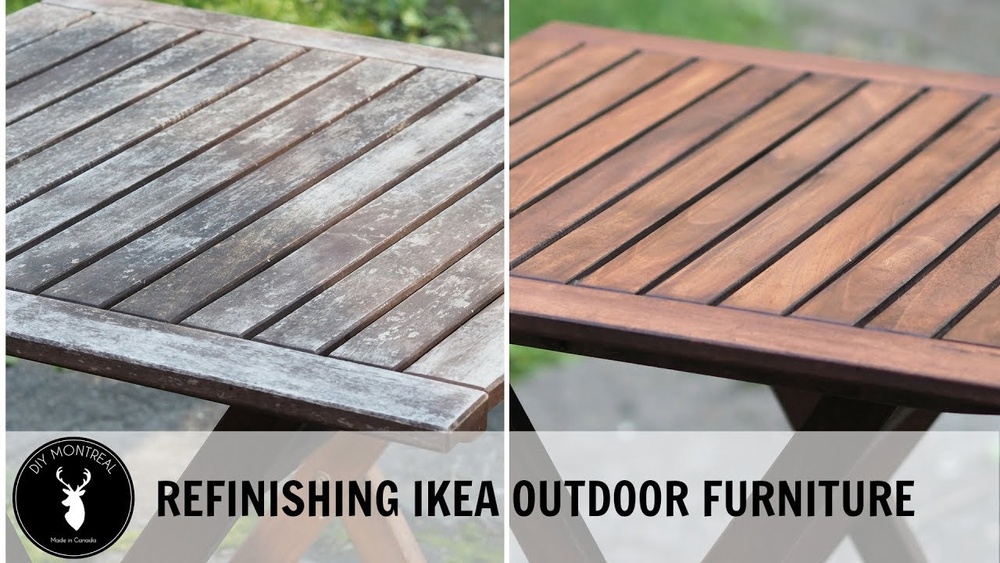
Is your old outdoor furniture looking tired and worn out? You don’t have to throw it away or spend a fortune on new pieces.
Staining your furniture is a simple and effective way to bring it back to life, protect it from the elements, and make your outdoor space look inviting again. In this guide, you’ll learn easy steps to stain your old outdoor furniture like a pro—even if you’ve never done it before.
Ready to transform your backyard with beautiful, refreshed furniture? Let’s dive in!
Choosing The Right Stain
Choosing the right stain is key to restoring old outdoor furniture. The right stain protects wood from sun, rain, and wear. It also brings out the natural beauty of the wood. Picking the best stain means considering the type, color, and environmental impact. This helps your furniture last longer and look great.
Types Of Outdoor Stains
Outdoor stains come in three main types: oil-based, water-based, and gel stains. Oil-based stains soak deep into wood. They give strong protection and a rich finish. Water-based stains dry faster and have less odor. They are easy to clean with soap and water. Gel stains are thick and stay on the surface. They work well on vertical surfaces and rough wood. Each type offers different looks and durability.
Color Selection Tips
Choose a stain color that matches your style and wood type. Light colors show wood grain clearly. Dark colors hide imperfections but may fade faster in sun. Test the stain on a small hidden spot first. This helps you see the true color after drying. Pick a color that fits your outdoor space and complements other furniture.
Eco-friendly Options
Eco-friendly stains use natural ingredients and fewer chemicals. They release fewer fumes and are safer for plants and pets. Look for stains labeled low-VOC or non-toxic. These stains protect wood and nature. Choosing green products helps keep your garden healthy. They also reduce harm to the environment while beautifying furniture.
Preparing The Furniture
Preparing old outdoor furniture for staining is key to a good finish. Start by removing dirt and grime that build up over time. This step helps the stain stick better. Next, smooth the surface to remove rough spots and old finishes. Smooth wood so the stain spreads evenly. Finally, fix any cracks or holes. Repairs make the furniture strong and look neat.
Cleaning Techniques
Use a brush to remove loose dirt and dust. Wash the furniture with mild soap and water. A sponge or cloth works well for scrubbing. Rinse the furniture with clean water. Let it dry completely before moving on.
Sanding For Smoothness
Start sanding with medium-grit sandpaper. Sand in the direction of the wood grain. Focus on rough spots and old paint or stain. Switch to fine-grit sandpaper for a smooth finish. Wipe away dust with a damp cloth after sanding.
Repairing Damages
Check for cracks, holes, or loose joints. Use wood filler to fill small holes and cracks. Let the filler dry fully. Sand the filled areas smooth. Tighten or glue any loose parts. This keeps the furniture safe and sturdy.
Staining Process
Staining old outdoor furniture brings new life to worn wood. The process adds color and protects the wood from weather damage. A good stain enhances the furniture’s natural beauty and extends its life.
Follow the right steps for the best results. Prepare your tools and materials carefully. Apply the stain evenly. Allow enough time for drying and curing. This ensures a smooth, lasting finish.
Tools And Materials Needed
Gather these items before starting. Sandpaper or a sanding block for smoothing the wood. A clean cloth or brush to apply the stain. Wood stain suitable for outdoor use. Gloves to protect your hands. Drop cloth or newspapers to protect the ground. A bucket of water and soap for cleanup.
Applying The Stain
Start by sanding the furniture to remove old finish and rough spots. Wipe away dust with a clean cloth. Stir the stain well before use. Use a brush or cloth to apply the stain in the direction of the wood grain. Work in small sections for even coverage. Avoid heavy layers; thin coats dry better. Wipe off excess stain with a clean cloth to prevent blotches.
Drying And Curing Times
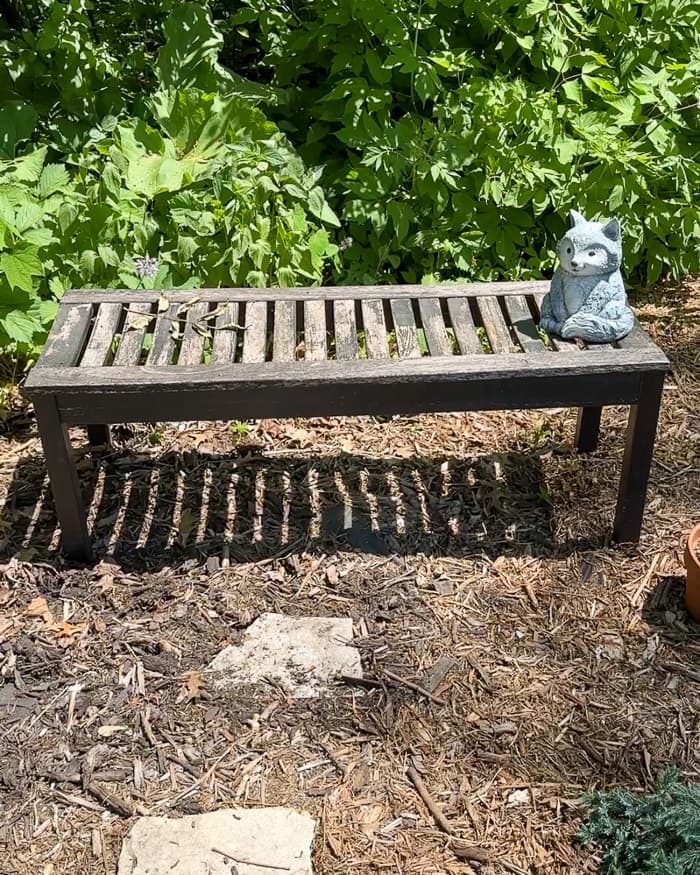
Let the stain dry for at least 24 hours in a dry, shaded area. Avoid touching or using the furniture during this time. Curing can take up to one week for full protection. Keep the furniture dry and away from rain during curing. Patience here gives a strong and beautiful finish.
Credit: averageinspired.com
Protecting The Finish
Protecting the finish on old outdoor furniture keeps it looking fresh and extends its life. A good finish stops water, sun, and dirt from damaging the wood. This step is key after staining. It locks in color and adds a strong shield.
Choosing the right product and applying it well makes a big difference. Also, simple upkeep helps the furniture stay beautiful for years.
Choosing A Sealer
Pick a sealer made for outdoor wood. Clear sealers keep the stain visible. Some sealers add a slight shine, others are matte. Water-based sealers dry fast and clean up easily. Oil-based sealers last longer but take more time to dry. Check for UV protection. This helps stop sun damage and fading. Choose a sealer that fits your climate and furniture use.
Application Tips
Apply sealer on clean, dry wood. Use a brush or a clean cloth. Work with the wood grain for best results. Apply thin, even coats. Avoid thick layers that can peel. Let each coat dry completely before adding another. Usually, two coats are enough. Seal edges and corners well. These spots get more wear.
Maintenance Advice
Check furniture every few months. Look for cracks, peeling, or dull spots. Clean with mild soap and water. Avoid harsh chemicals that can damage the finish. Reapply sealer every year or as needed. Cover or store furniture in bad weather. Regular care keeps the finish strong and beautiful.
Troubleshooting Common Issues
Troubleshooting common issues is key to a beautiful finish on old outdoor furniture. Staining wood can sometimes lead to unexpected problems. These issues can affect the look and durability of your furniture. Knowing how to fix them helps keep your project on track. The following tips address frequent problems and simple solutions.
Dealing With Uneven Stain
Uneven stain often happens due to rough or oily wood surfaces. Sand the wood thoroughly before staining. Use fine-grit sandpaper for a smooth finish. Clean the surface to remove dust and oils. Apply stain in thin, even coats with a brush or cloth. Avoid overloading the brush to prevent blotches. Wipe off extra stain quickly for a balanced color. Multiple thin coats give a more even look than one thick coat.
Fixing Peeling Or Flaking
Peeling or flaking stain means the finish did not stick well. Remove the loose stain with a scraper or sandpaper. Sand the wood to create a clean, smooth surface. Make sure the furniture is dry before restaining. Apply a wood conditioner first to help the stain adhere. Use a high-quality stain designed for outdoor use. Allow each coat to dry fully before adding another. This prevents future peeling.
Handling Weather Damage
Sun, rain, and cold can damage outdoor furniture over time. Check for cracks, warping, or soft spots before staining. Sand rough areas to smooth the wood. Fill cracks with wood filler and let it dry. Use a stain that offers weather protection and UV resistance. Apply a clear sealant after staining to shield the wood. Regular maintenance helps extend the furniture’s life. Cover or store the furniture during harsh weather to avoid damage.

Credit: www.reddit.com
Tips For Longevity
Keeping your old outdoor furniture looking fresh and vibrant takes more than just staining it once. Caring for your furniture regularly helps extend its life and keeps it safe from damage. Follow these simple tips to protect your investment and enjoy your outdoor space longer.
Seasonal Care
Check your furniture at the start of each season. Look for cracks, peeling, or fading. Lightly sand rough spots before applying a fresh coat of stain. Protect wood from extreme weather by using waterproof covers. Keep furniture in shaded areas to avoid sun damage.
Storage Recommendations
Store furniture indoors during harsh weather months. Use a dry, cool place to prevent mold and warping. If indoor storage is not possible, cover pieces tightly with breathable furniture covers. Avoid plastic sheets that trap moisture and cause rot.
Regular Cleaning Practices
Clean your furniture every few weeks to remove dirt and debris. Use a soft brush and mild soap with water. Avoid harsh chemicals that can strip the stain. Rinse well and let the furniture dry completely before use or applying stain again.

Credit: www.blesserhouse.com
Frequently Asked Questions
How Do I Prepare Old Outdoor Furniture For Staining?
Clean the furniture thoroughly to remove dirt and old finishes. Sand the surface lightly to ensure the stain adheres well. Repair any damage before staining for a smooth, long-lasting finish.
What Type Of Stain Is Best For Old Outdoor Furniture?
Use a high-quality, exterior wood stain designed for outdoor use. Oil-based stains penetrate deeply and offer better protection. Choose a stain that enhances the wood’s natural grain and withstands weather conditions.
How Many Coats Of Stain Should I Apply?
Typically, apply two coats for optimal coverage and protection. Allow the first coat to dry completely before applying the second. Multiple coats improve durability and help maintain the furniture’s appearance.
Can I Stain Outdoor Furniture Without Sanding?
Light sanding is recommended to remove old finishes and smooth the surface. Without sanding, the stain may not adhere properly and could peel. For best results, always sand before staining.
Conclusion
Staining old outdoor furniture brings new life to worn wood. It protects against sun, rain, and dirt. Clean and sand the surface first for best results. Apply stain evenly and let it dry well. Repeat if needed for a richer color.
Taking these steps keeps furniture beautiful longer. Enjoy your refreshed outdoor space with confidence. Regular care helps maintain its look and strength. Simple actions make a big difference in the end.