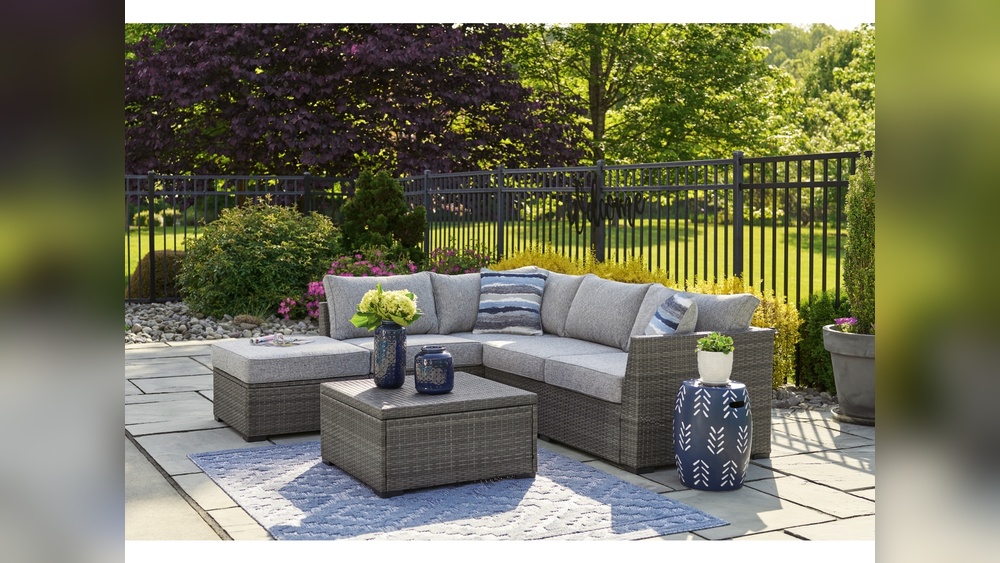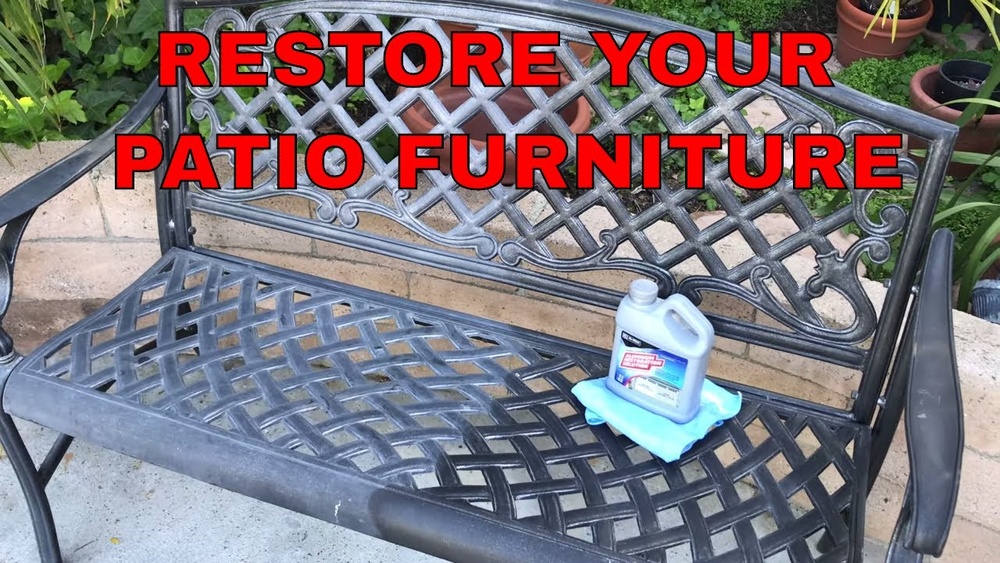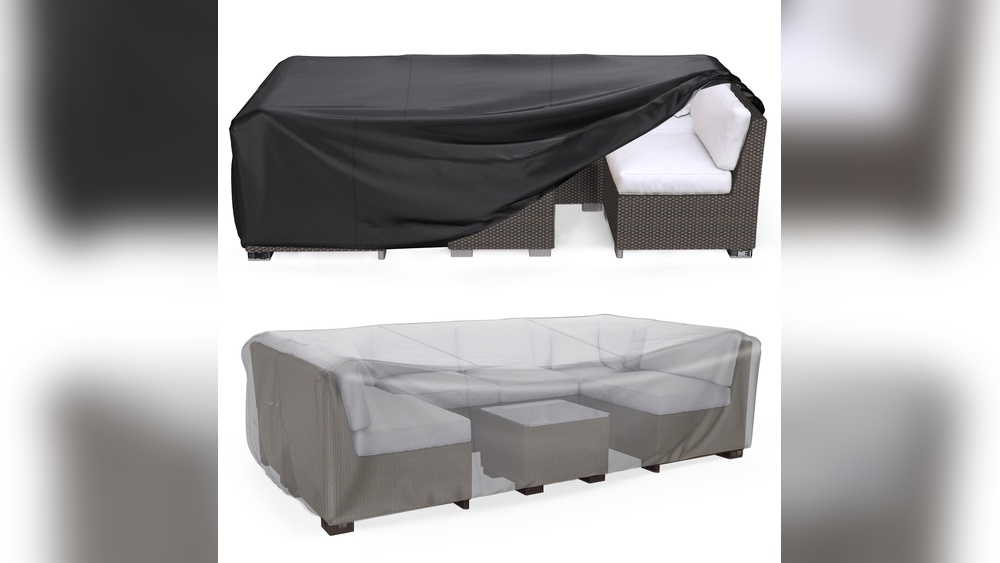
Your outdoor furniture is an investment that adds comfort and style to your space. But when should you cover it to keep it looking great?
Knowing the right time to protect your furniture can save you money and effort in the long run. You’ll discover exactly when and why covering your outdoor furniture matters. Keep reading to learn simple tips that will help you extend the life of your favorite pieces and enjoy your outdoor area worry-free.
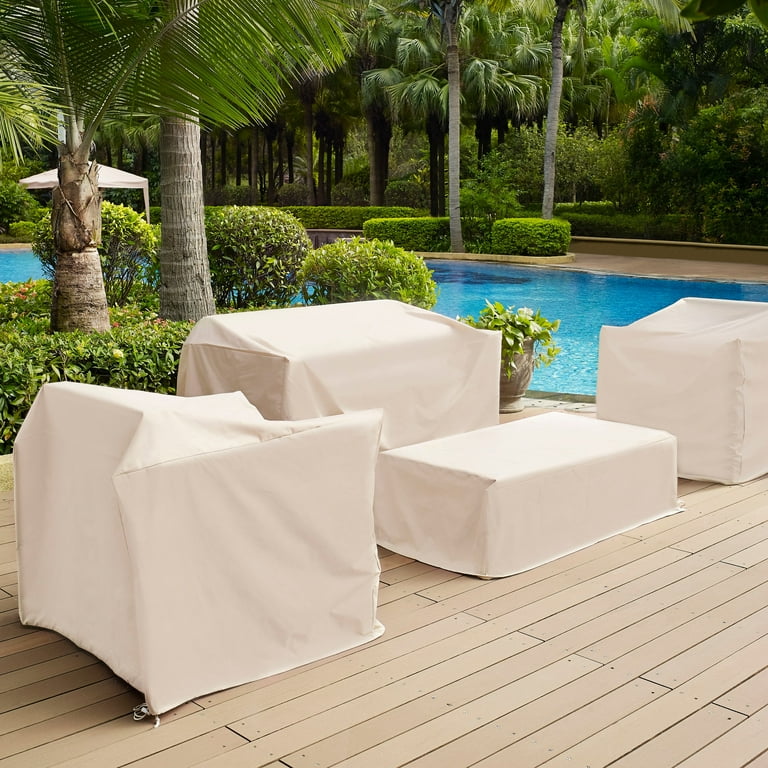
Credit: www.walmart.com
Signs To Cover Furniture
Knowing when to cover outdoor furniture helps keep it safe and lasts longer. Signs to cover furniture often show up before damage happens. Watching these signs can save you money and work.
Weather Conditions To Watch
Rain and snow can soak and damage furniture. Strong sun can fade colors and dry out wood. Wind can blow dirt and leaves onto furniture. Cover furniture during heavy rain, snow, or strong sun.
Seasonal Changes Impact
Winter cold can crack wood and metal. Spring brings rain that can cause rust or mold. Summer heat can dry and weaken materials. Fall leaves and moisture can cause stains. Cover furniture during these seasonal shifts to protect it.
Visible Wear And Tear
Look for cracks, fading, or rust spots. Chips or scratches show the surface is weak. Soft cushions can hold water and get moldy. Cover furniture when you see these problems to stop more damage.
Choosing The Right Covers
Choosing the right covers protects outdoor furniture from weather damage. It keeps the furniture clean and extends its life. The best cover fits well and suits the furniture’s material. This section explains how to pick covers based on material, size, and breathability.
Material Types
Covers come in different materials like polyester, vinyl, and canvas. Polyester is light and water-resistant. Vinyl blocks water but can trap heat. Canvas is thick and durable but may absorb moisture. Pick a material that fits your climate and furniture type.
Size And Fit
A cover must fit the furniture tightly to avoid wind damage. Measure your furniture before buying a cover. Look for covers with adjustable straps or elastic hems. Proper fit stops water and dirt from getting inside.
Breathability Features
Breathable covers let air pass while keeping water out. This stops mold and mildew from forming. Check for vents or mesh panels on the cover. Breathability is key for wooden or fabric furniture.
Timing For Covering Furniture
Knowing the right time to cover outdoor furniture helps keep it safe and clean. Proper timing prevents damage from weather and dirt. It also saves money on repairs and replacements.
Before Harsh Weather Hits
Cover furniture before storms, heavy rain, or snow arrive. Protecting it early stops water damage and rust. Wind can blow dirt and leaves onto furniture. Covers shield from these problems and keep furniture dry.
After Use During Rain
Cover furniture soon after rain stops. Wet furniture left uncovered can develop mold and mildew. Covers help furniture dry faster and stay clean. This reduces fading and stains caused by water.
During Long Periods Of Inactivity
Use covers when furniture is not used for weeks or months. Dust, bird droppings, and sun can harm furniture over time. Covers protect from fading and dirt buildup. This keeps furniture looking fresh and ready to use.
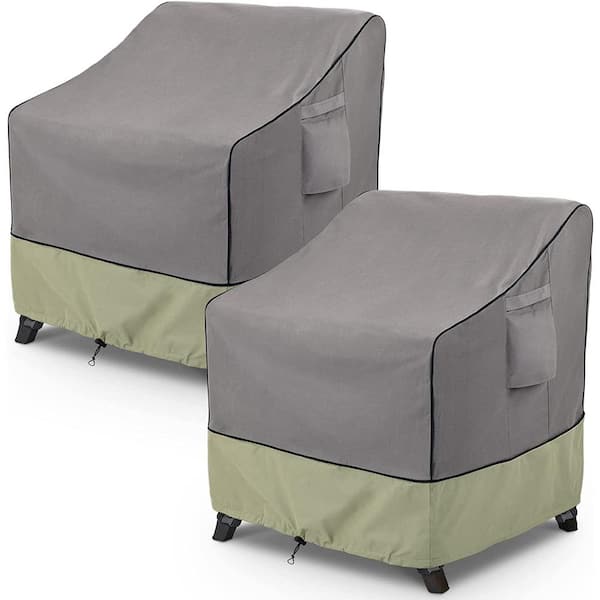
Credit: www.homedepot.com
Covering Techniques
Covering outdoor furniture protects it from weather damage. Using the right techniques keeps furniture safe and extends its life. Proper covering prevents dirt, sun damage, and moisture problems.
Securing Covers Properly
Place the cover tightly over the furniture. Use straps, ties, or bungee cords to hold it firmly. Make sure wind cannot lift or move the cover. Check the cover often for loose spots. A secure cover stops dirt and water from entering.
Avoiding Moisture Build-up
Choose covers made with breathable materials. Air circulation stops mold and mildew from growing. Avoid plastic covers that trap moisture inside. Leave small gaps for air to flow if safe. Moisture build-up can ruin cushions and wood.
Storing Covers When Not In Use
Keep covers clean and dry before storing. Fold them neatly to avoid wrinkles and damage. Store covers in a cool, dry place away from sunlight. Use a storage bag or box for protection. Proper storage makes covers last longer and stay ready.
Maintenance Tips
Proper maintenance helps your outdoor furniture last longer. Covers protect from rain, sun, and dirt. Yet, maintenance keeps them in top shape beneath those covers. Regular care stops damage and saves money.
Cleaning Covered Furniture
Remove covers and clean furniture often. Use mild soap and water. Avoid harsh chemicals that can harm materials. Let furniture dry completely before covering again. This prevents mold and mildew growth.
Checking For Damage Under Covers
Lift covers regularly to inspect furniture. Look for cracks, rust, or insect damage. Early checks catch problems before they worsen. Fix small issues quickly to avoid costly repairs.
Replacing Old Covers
Old covers lose their protective power. Replace covers if they are torn or faded. New covers block moisture and UV rays better. Choose covers that fit well and breathe to avoid trapped moisture.
:max_bytes(150000):strip_icc()/spr-otk-fj-outdoor-patio-furniture-covers-waterproof-uv-resistant-anti-fading-cover-x-large-round-table-chairs-set-dburreson-13-d5f0f236a2d34497bb8f72b8b5fd51bc.jpeg)
Credit: www.thespruce.com
Frequently Asked Questions
When Is The Best Time To Cover Outdoor Furniture?
Cover outdoor furniture during heavy rain, snow, or extreme sun. This protects materials from moisture, UV rays, and dirt, prolonging their life and appearance.
Should I Cover Outdoor Furniture During Winter Months?
Yes, covering outdoor furniture in winter prevents damage from snow, ice, and freezing temperatures. It helps avoid rust, cracks, and fading.
How Often Should I Cover Outdoor Furniture?
Cover furniture whenever harsh weather is expected. Regularly covering during off-seasons or storms ensures longer durability and keeps furniture clean and dry.
Can I Leave Outdoor Furniture Uncovered In Mild Weather?
Leaving furniture uncovered in mild weather is generally safe but still risky. Dust, bird droppings, and UV exposure can cause gradual wear.
Conclusion
Covering outdoor furniture protects it from rain, sun, and dirt. It helps keep your furniture clean and dry. Cover during bad weather or long periods without use. Use covers that fit well and breathe to avoid mold. Regular care extends your furniture’s life and saves money.
Remember, small steps prevent big damage later. Keep your outdoor space looking nice year-round.