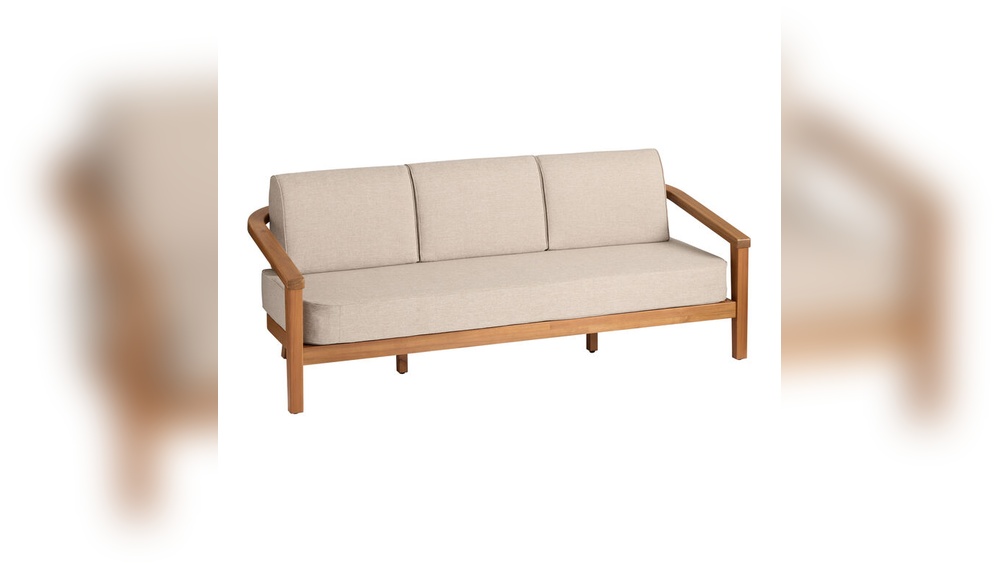
Imagine enjoying your favorite drink on a sunny afternoon, sitting on a beautiful wooden chair you made yourself. Sounds rewarding, right?
Making outdoor furniture out of wood is easier than you think, and it lets you add a personal touch to your garden or patio. In this guide, you’ll discover simple steps to create sturdy, stylish pieces that last. Whether you’re a beginner or just looking for fresh ideas, you’ll find practical tips that make the process fun and satisfying.
Ready to turn your outdoor space into a cozy retreat with your own hands? Let’s get started!

Credit: www.youtube.com
Choosing The Right Wood
Choosing the right wood is key to making strong outdoor furniture. Wood must stand up to rain, sun, and wind. It should last for many years without losing its beauty. Picking the best type of wood helps your furniture stay safe and look great.
Consider the wood’s strength, how it handles weather, and its impact on nature. The right choice makes your project easier and your furniture more durable. Here are some points to think about when selecting wood for outdoor use.
Types Of Wood For Outdoors
Some woods handle outdoor use better than others. Teak is a popular choice. It resists water and insects well. Cedar is light and smells nice. It also stops rot and bugs. Redwood is strong and keeps its color. Pine is cheaper but needs treatment to last. Choose wood that fits your budget and style.
Wood Durability And Weather Resistance
Durability means how long wood lasts outside. Some woods absorb water and rot fast. Others shed water and stay firm. Look for wood with natural oils or tight grain. These woods resist water and pests better. Finishing wood with sealants can also help. This keeps your furniture safe from weather damage.
Sustainable Wood Options
Sustainable wood comes from forests that are carefully managed. This helps protect trees and wildlife. Bamboo grows fast and is very strong. Reclaimed wood is recycled from old buildings or furniture. Using these woods helps the environment. Choose certified wood for a greener outdoor project.
Essential Tools And Materials
Creating outdoor furniture from wood is a rewarding project. Having the right tools and materials makes the process easier and safer. This section covers the essential items you need to start building sturdy and beautiful wooden furniture for your outdoor space.
Basic Carpentry Tools
You need several basic tools for woodworking. A handsaw or circular saw helps cut wood pieces accurately. A measuring tape and square ensure precise measurements and right angles. Use a drill with various bits for making holes and driving screws. Sandpaper or an electric sander smooths rough edges. Clamps hold pieces together while gluing or screwing. A hammer and screwdriver set are useful for minor adjustments. These tools form the foundation of your woodworking kit.
Safety Gear
Safety is important when working with wood. Wear safety glasses to protect your eyes from dust and wood chips. Use ear protection if you operate loud power tools. Gloves shield your hands from splinters and sharp tools. A dust mask prevents inhaling sawdust. Make sure your clothing fits well and avoid loose sleeves. Good safety habits keep you safe and focused during the project.
Wood Finishes And Sealants
Wood finishes protect your furniture from weather damage. Choose a wood stain to enhance the natural look and add color. Sealants like polyurethane or outdoor varnish create a waterproof layer. These finishes prevent wood from cracking or rotting. Apply several coats for best protection, allowing drying time between each. Proper finishing keeps your furniture looking great for years.
Designing Your Furniture
Designing your outdoor furniture is an exciting step. It shapes how your final piece looks and feels. Good design balances style, function, and comfort. Planning carefully saves time and material. It also helps avoid mistakes during building.
Simple Furniture Plans
Start with easy furniture plans. Choose classic designs like benches, tables, or chairs. Simple plans use fewer parts and basic cuts. This keeps the project doable for beginners. Look for free plans online or in books. Print or draw your plan clearly. This guides your work and keeps you on track.
Measuring And Marking
Measure twice, cut once. Accurate measuring is key to good furniture. Use a tape measure and pencil to mark wood. Mark all cuts and drill points carefully. Check measurements against your plan often. Clean, clear marks make cutting easier. Use a square tool for straight lines. This keeps parts fitting well together.
Customizing For Comfort
Comfort matters most in outdoor furniture. Adjust seat height and backrest angle to fit you. Add armrests or cushions for extra comfort. Sand all edges smooth to avoid splinters. Think about how you will use the furniture. Tailor the design to your space and style. Small changes make your furniture more enjoyable.
Cutting And Preparing Wood
Cutting and preparing wood is a key step in making outdoor furniture. It shapes the wood pieces and makes sure they fit well. Taking time here helps create strong and beautiful furniture.
Accurate Cutting Techniques
Measure your wood carefully before cutting. Use a pencil to mark exact lines. A saw guide helps keep cuts straight and clean. Cut slowly to avoid splinters and mistakes. Precision here saves time and wood later.
Sanding And Smoothing Edges
After cutting, sand all edges. Use medium-grit sandpaper first. Then switch to fine-grit for a smooth finish. Sanding removes rough spots that can cause splinters. Smooth wood also holds paint and stain better.
Pre-drilling Holes
Drill pilot holes before screwing wood pieces together. This stops the wood from splitting. Use a drill bit smaller than the screw size. Pre-drilling makes assembly easier and stronger. It protects your wood and tools from damage.
Assembling The Pieces
Assembling the pieces is the key step in making wooden outdoor furniture. It brings your project to life. Careful assembly ensures strength and durability. It also keeps the furniture stable and safe for use.
Knowing the right joining methods helps the wood fit perfectly. Using screws and nails adds strong holds. Clamping and securing keep parts steady while you work. Each step builds a firm, lasting structure.
Joining Methods
Choose joining methods that fit your design and tools. Common ways include butt joints, lap joints, and mortise and tenon. Butt joints are simple and fast but less strong. Lap joints overlap wood pieces for more strength. Mortise and tenon joints fit parts tightly, offering great support.
Glue can add extra hold to joints. Use wood glue designed for outdoor use. It helps keep furniture firm in all weather.
Using Screws And Nails
Screws hold wood pieces tightly and resist pulling apart. Use outdoor or stainless steel screws to avoid rust. Pre-drill holes to stop wood from splitting. Nails are quicker to use but less strong than screws.
Use galvanized nails for weather resistance. Hammer nails straight to avoid bending. Screws work best for heavy parts, nails for small supports.
Clamping And Securing
Clamps hold wood pieces in place while glue dries or screws go in. Use bar clamps or C-clamps depending on size. Make sure clamps are tight but not too tight to damage wood.
Securing pieces before final fastening helps keep everything aligned. Check edges and corners often. A well-clamped project results in neat and strong furniture.
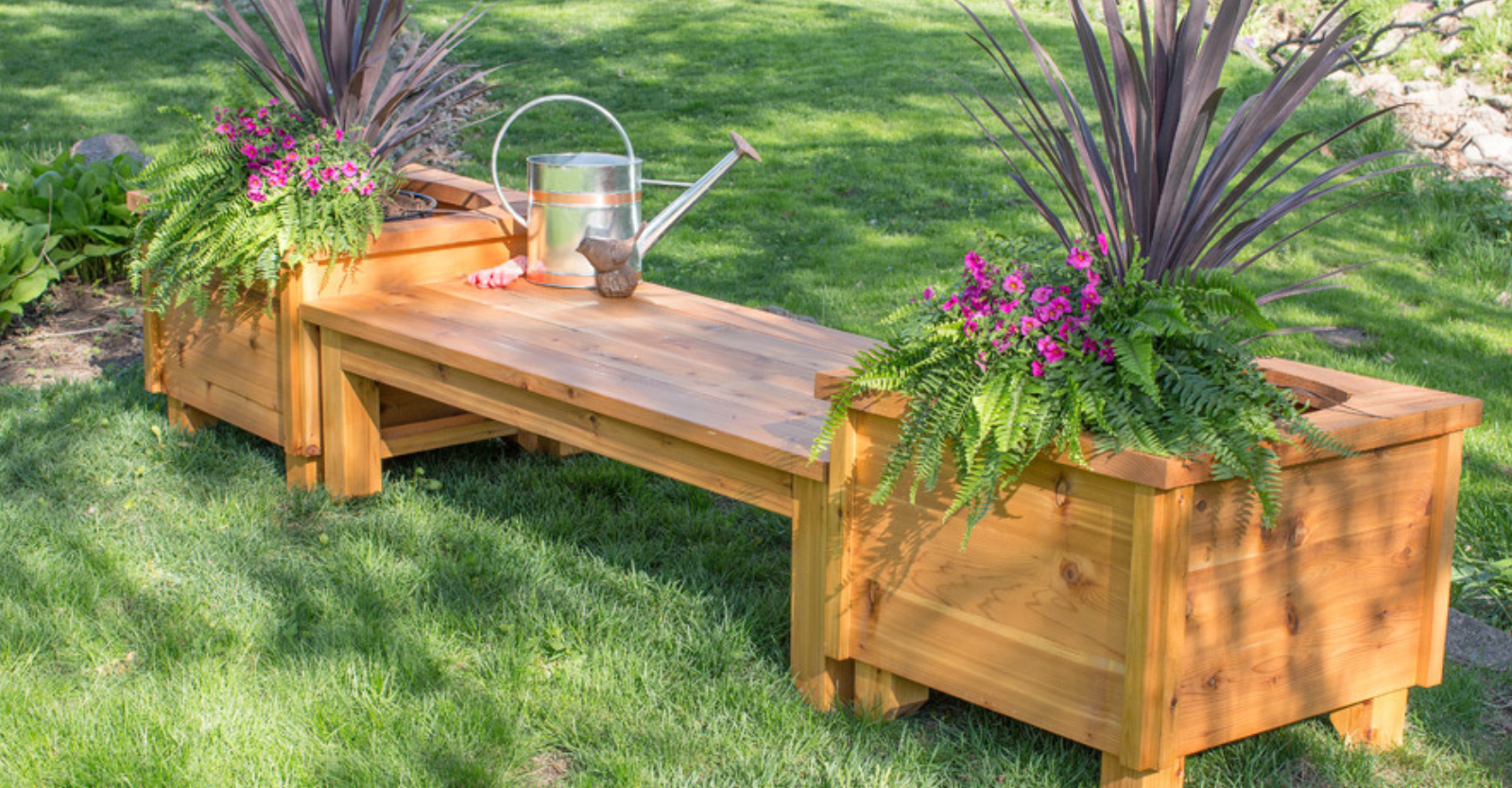
Credit: learn.kregtool.com
Finishing Touches
Finishing touches bring your wooden outdoor furniture to life. They protect the wood and enhance its look. These steps ensure your furniture lasts long and stays beautiful.
Applying Stain Or Paint
Choose a stain or paint that suits your style. Stain shows the wood grain and adds color. Paint covers the wood fully and allows many colors. Apply with a brush or spray evenly. Let it dry completely between coats. Two or three coats give the best coverage.
Sealing For Weather Protection
Seal your furniture to guard against rain and sun. Use a clear outdoor sealer or varnish. Apply it over the stain or paint. This layer stops water from soaking in. It also prevents fading from sunlight. Reapply the sealer every year for strong protection.
Adding Cushions And Accessories
Cushions add comfort and style to your furniture. Pick cushions with outdoor fabric for easy cleaning. Bright colors or patterns make your space inviting. Add accessories like umbrellas or small tables. These extras make your outdoor area more useful and fun.
Maintenance Tips
Wooden outdoor furniture looks great but needs care to last long. Proper maintenance keeps the wood strong and beautiful. Regular attention prevents damage from sun, rain, and dirt. Follow simple steps to protect your investment and enjoy your furniture for years.
Cleaning Your Furniture
Clean your wooden furniture often to avoid dirt buildup. Use a soft brush or cloth to remove dust and debris. Mix mild soap with water for gentle cleaning. Avoid harsh chemicals that can harm the wood. Rinse with clean water and dry with a towel. Clean furniture stays fresh and prevents mold growth.
Seasonal Care
Prepare your furniture for each season to keep it safe. In winter, cover or store furniture indoors to protect from moisture. During summer, use a wood sealant to shield from sun damage. Check for cracks or peeling finish and reapply protective coatings. Seasonal care extends the life of your wooden pieces.
Repairing Minor Damages
Fix small scratches and dents quickly to stop them from worsening. Use fine sandpaper to smooth rough areas gently. Apply wood filler for deeper cracks, then sand smooth once dry. Touch up with matching paint or stain to blend repairs. Small repairs keep furniture looking new and solid.

Credit: www.youtube.com
Frequently Asked Questions
What Type Of Wood Is Best For Outdoor Furniture?
Teak, cedar, and redwood are excellent choices. They resist moisture, decay, and insects well. These woods last longer in outdoor conditions and require less maintenance compared to other types.
How Do I Protect Wooden Furniture From Weather?
Apply a high-quality sealant or outdoor varnish. Regularly reapply every 1-2 years. Cover furniture during heavy rain or snow to extend its life. Proper maintenance keeps wood strong and attractive.
Can I Build Outdoor Furniture With Basic Woodworking Tools?
Yes, basic tools like saws, drills, and sanders are enough. Simple designs are beginner-friendly and effective. Start with easy projects to build skills before attempting complex ones.
How Long Does Outdoor Wooden Furniture Typically Last?
With proper care, it can last 10-20 years. Maintenance like sealing and cleaning increases durability. Wood type and climate also impact furniture lifespan significantly.
Conclusion
Creating wooden outdoor furniture is a fun and rewarding project. Choose the right wood for strength and weather resistance. Measure and cut carefully to get the best fit. Sand the surfaces to keep them smooth and safe. Use quality screws and glue to hold parts firmly.
Finish with paint or sealant to protect from rain and sun. Regular care will keep your furniture looking great for years. Enjoy your custom pieces in your garden or patio. Simple steps lead to beautiful, sturdy furniture you made yourself.