
Is your outdoor plastic furniture looking dull, faded, or dirty? You’re not alone, and the good news is, refreshing it is easier than you think.
Imagine stepping outside to a clean, bright patio set that looks almost new—without spending a fortune or buying replacements. In this guide, you’ll discover simple, effective ways to bring your plastic furniture back to life. Keep reading, and you’ll be ready to enjoy your outdoor space like never before.
Cleaning Plastic Furniture
Cleaning plastic furniture is the first step to make it look fresh again. Dirt, dust, and stains can build up over time. This makes the furniture look old and worn out. Regular cleaning helps keep it bright and lasts longer.
Gathering Cleaning Supplies
Start by collecting all needed supplies. You will need a bucket, soft cloths, a sponge, and a brush. Use mild dish soap and warm water. Have a spray bottle ready if you want to apply cleaner easily. Avoid harsh chemicals that can damage plastic.
Removing Surface Dirt
Use a dry cloth or brush to remove loose dirt. Dust and leaves can cover the furniture outside. Clean all sides, including under seats and in corners. This step prevents scratching the surface during washing.
Using Soap And Water
Mix warm water with a small amount of dish soap. Dip a sponge or cloth into the soapy water. Wipe the furniture gently, covering all areas. Rinse with clean water to remove soap. Dry with a soft towel to stop water spots.
Tackling Stubborn Stains
For tough stains, make a paste with baking soda and water. Apply the paste on the stain and let it sit for a few minutes. Scrub gently with a soft brush or sponge. Rinse well and dry. Repeat if needed for very stubborn marks.

Credit: www.youtube.com
Repairing Damage
Outdoor plastic furniture often faces damage from sun, rain, and regular use. Repairing this damage helps keep your furniture strong and looking good. Small fixes can make a big difference in extending the life of your pieces.
Fixing Cracks And Chips
Start by cleaning the damaged area with soap and water. Dry it completely before repairing. Use plastic adhesive or epoxy designed for outdoor use. Apply the glue inside the crack or chip carefully.
Press the pieces together and hold them firmly for a few minutes. Let the glue dry as per the instructions on the package. For larger cracks, consider using a plastic filler. Sand the area smooth after it dries for a neat finish.
Replacing Broken Parts
Identify the broken part and check if replacements are available. Many furniture brands sell spare parts online. Order the exact piece you need for easy installation.
Remove the damaged part by unscrewing or unclipping it gently. Attach the new part securely using screws or clips. Test the furniture to ensure stability. Replacing parts can restore the function and appearance quickly.
Sanding And Smoothing
Sanding and smoothing play a key role in refreshing outdoor plastic furniture. This step removes rough spots, old paint, and surface dirt. It helps the paint stick better and last longer. A smooth surface also gives the furniture a neat and fresh look.
Choosing The Right Sandpaper
Pick sandpaper with a fine grit, around 220 to 320. This grit is gentle on plastic and avoids deep scratches. Coarse sandpaper can damage the surface and create rough patches.
Use sanding blocks or sponges for even pressure. Hand sanding works well for small areas and curves. Avoid electric sanders, as they might melt or warp the plastic.
Preparing The Surface For Painting
Start by cleaning the furniture with soap and water. Let it dry completely before sanding. Sand the surface lightly to remove shine and smooth rough spots.
After sanding, wipe off dust with a damp cloth. Make sure no dust or debris remains. A clean, smooth surface helps paint stick and look better.
Painting Plastic Furniture
Painting plastic furniture gives it a fresh, new look. It covers scratches and fading from the sun. A good paint job can make old furniture look like new. This process is simple and cost-effective. It requires the right materials and steps to last long.
Selecting Suitable Paint
Choose paint made for plastic surfaces. Spray paint is often best. It sticks well and dries fast. Look for paints labeled “plastic” or “outdoor use.” These paints resist weather and wear. Avoid regular house paint. It peels quickly on plastic.
Applying Primer
Primer helps paint stick better to plastic. Use a plastic primer spray. Clean the furniture before priming. Remove dirt and grease with soap and water. Let the furniture dry fully. Apply primer in thin, even coats. Wait for it to dry before painting.
Painting Techniques
Shake the paint can well. Spray from 8 to 12 inches away. Use smooth, sweeping motions. Apply several thin coats, not one thick coat. Let each coat dry for 15 minutes. Thin coats prevent drips and runs. Paint all sides for an even finish.
Sealing The Paint
Seal the paint to protect it from weather. Use a clear spray sealer for plastic. Choose a matte or glossy finish. Spray sealer in thin, even layers. Allow each layer to dry before adding another. Sealing extends the life of your paint job.
Maintaining Refreshed Furniture
Keeping your outdoor plastic furniture looking fresh takes some care. Clean and protect it often. This stops dirt buildup and sun damage. A little effort makes it last longer and stay nice.
Regular Cleaning Tips
Clean your furniture every few weeks. Use warm water and mild soap. A soft cloth or sponge works best. Avoid harsh chemicals that can damage the plastic. Rinse well and dry with a towel. This keeps dirt and stains away.
Protecting From Weather
Sun and rain harm plastic furniture over time. Use covers to block rain and UV rays. Place furniture in shaded areas when possible. Move pieces away from direct sunlight during hot days. This prevents fading and cracking.
Storage Suggestions
Store furniture indoors during winter or long bad weather. Stack chairs and tables carefully to avoid scratches. Use breathable covers for extra protection. Proper storage keeps your furniture in good shape for the next season.
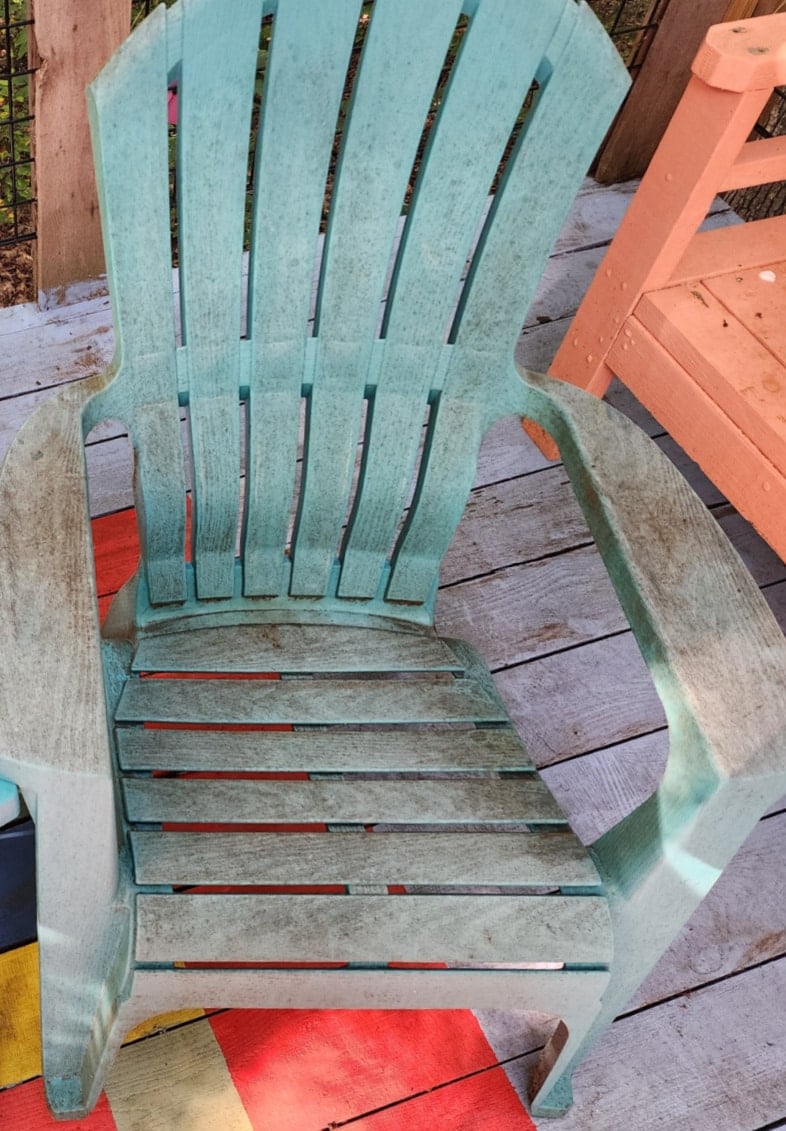
Credit: www.myrepurposedlife.com
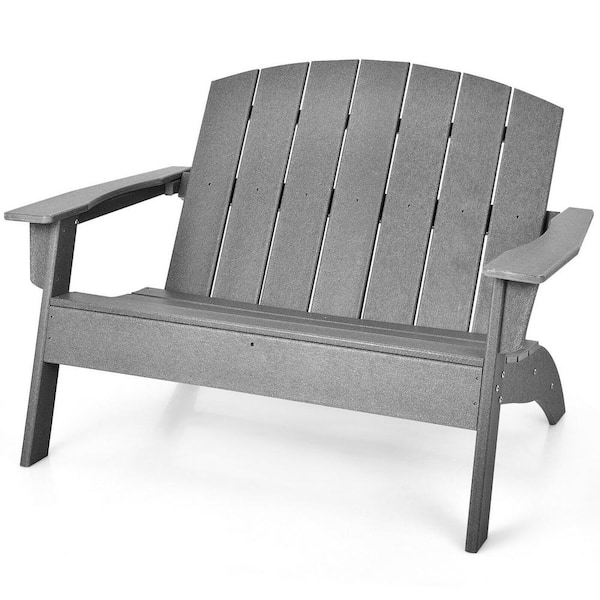
Credit: www.homedepot.com
Frequently Asked Questions
How Do I Clean Outdoor Plastic Furniture Effectively?
Use warm water, mild soap, and a soft brush or cloth. Avoid harsh chemicals to prevent damage. Rinse thoroughly and dry with a towel to avoid water spots.
Can I Use Bleach To Refresh Plastic Furniture?
Yes, diluted bleach can remove mold and stains. Mix one part bleach with four parts water. Apply carefully, rinse well, and dry completely to prevent damage.
How Often Should I Clean Outdoor Plastic Furniture?
Clean your furniture every few months or after heavy use. Regular cleaning prevents dirt buildup and keeps it looking fresh and new.
What Is The Best Way To Remove Stains From Plastic Furniture?
Use a mixture of baking soda and water to form a paste. Apply on stains, scrub gently, then rinse thoroughly. This method is safe and effective.
Conclusion
Refreshing outdoor plastic furniture takes just a few simple steps. Clean the surfaces well to remove dirt and stains. Use gentle scrubbing and mild cleaners for best results. Apply a fresh coat of paint or protective spray for a new look.
Let your furniture dry completely before use. Regular care keeps it looking nice longer. Enjoy your bright, clean outdoor space all year round. Small efforts bring big changes. Your plastic furniture can look almost new again. Try these tips and see the difference yourself.

