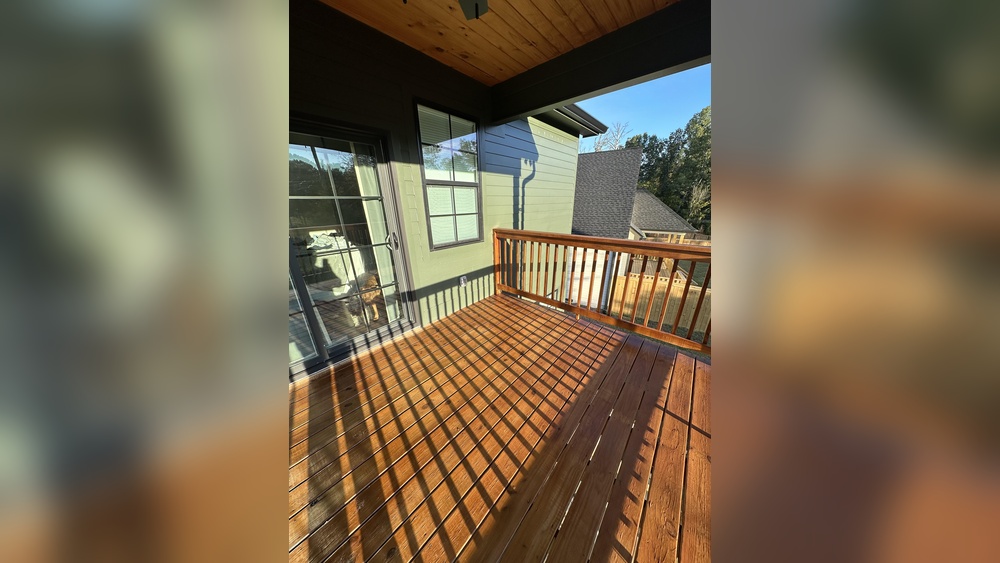
Are you thinking about giving your outdoor furniture a fresh look but only have interior stain on hand? You might wonder if using interior stain outside is a good idea.
Before you start, it’s important to know how interior stains hold up against weather, sunlight, and moisture. Using the wrong stain could mean your furniture won’t last as long as you want. Keep reading to discover whether interior stain can really protect your outdoor pieces and what you should do to keep your furniture looking great season after season.

Credit: www.reddit.com
Differences Between Interior And Exterior Stains
Understanding the differences between interior and exterior stains is key for a successful furniture project. These stains are made for different environments and needs. Exterior stains protect against weather and sun. Interior stains focus on beauty and smooth finish. Using the wrong stain can lead to peeling, fading, or damage. Let’s explore the main differences in detail.
Formulation Variations
Interior stains have lighter formulas. They focus on color and smoothness. Exterior stains have extra chemicals. These help protect wood from rain and sun. Interior stains dry faster. Exterior ones take longer to set and seal well. Each type is made for its specific use.
Durability Factors
Exterior stains are stronger and last longer. They resist cracking and peeling. Interior stains wear out faster outside. They are not built to handle rough weather. Outdoor wood needs tough protection. Interior stains work best inside homes.
Uv And Moisture Resistance
Exterior stains contain UV blockers. These stop sun damage and fading. They also repel water to prevent wood rot. Interior stains lack these features. Moisture and sunlight can ruin them quickly. Outdoor furniture needs stains that fight both sun and rain.

Credit: www.reddit.com
Risks Of Using Interior Stain Outdoors
Using interior stain on outdoor furniture can cause several problems. Interior stains are made for indoor conditions. They do not have the strength to handle outdoor elements. This can lead to damage and reduce the furniture’s lifespan. Understanding the risks helps you make the right choice for your outdoor wood.
Peeling And Fading Issues
Interior stains often peel off quickly outside. They do not stick well to wood exposed to sun and rain. The color can fade fast under sunlight. This leaves your furniture looking old and worn out. Peeling and fading ruin the wood’s beauty.
Lack Of Weather Protection
Interior stains lack the needed sealants for weather. They do not protect wood from rain or snow. Water can soak into the wood, causing damage. Without proper protection, wood can crack or warp. Outdoor stains create a strong barrier against weather.
Potential For Mold And Mildew
Interior stains do not stop mold growth on outdoor wood. Moisture trapped in wood invites mold and mildew. These fungi cause stains and wood decay. Mold also creates a bad smell and health risks. Outdoor stains have ingredients to prevent mold and mildew growth.
Choosing The Right Stain For Outdoor Furniture
Choosing the right stain for outdoor furniture protects wood from weather damage. It also keeps the furniture looking fresh for years. Not all stains work well outside. Some may fade or peel quickly. Understanding the types of stains helps in picking the best one for your furniture.
Types Of Exterior Stains
Exterior stains come in several types. Transparent stains show the wood grain and add color. Semi-transparent stains offer more color but still reveal wood texture. Solid stains cover the wood completely, like paint. Each type offers different protection and looks. Choose based on how much wood you want to show.
Oil-based Vs. Water-based Options
Oil-based stains soak deeply into the wood. They offer strong protection against water and sun. These stains last longer but take more time to dry. Water-based stains dry quickly and clean up easily with soap and water. They have less odor and are better for the environment. Both types protect outdoor furniture, but oil-based lasts longer.
Color And Finish Considerations
Color affects how your furniture will look outside. Dark colors hide dirt better but may fade faster. Light colors reflect sunlight and stay cooler. Choose a finish that suits your style and outdoor space. Matte finishes look natural, while glossy finishes add shine. Pick a color and finish that fit your furniture and setting.
Preparing Outdoor Furniture For Staining
Preparing outdoor furniture for staining is an important step. It helps the stain stick better and last longer. Proper preparation also improves the furniture’s look and protects it from weather damage. Taking time to clean, repair, and prime the wood creates a smooth surface for staining.
Cleaning And Sanding
Start by cleaning the furniture thoroughly. Remove dirt, dust, and old paint or stain. Use a mild soap and water solution. Rinse well and let it dry completely.
Next, sand the surface gently. Use medium-grit sandpaper to smooth rough spots. Sanding opens the wood pores for better stain absorption. Wipe away sanding dust with a clean cloth.
Repairing Damages
Check the furniture for cracks, holes, or loose joints. Fill small cracks and holes with wood filler. Let the filler dry, then sand it smooth. Tighten any loose screws or joints. Fixing damage ensures the stain covers evenly and protects the wood well.
Priming Needs
Priming is not always necessary but can help. Use a primer made for outdoor wood if the furniture is bare or very old. Primer seals the wood and helps the stain last longer. Apply primer evenly and let it dry before staining.
Applying Interior Stain Outdoors: When And How
Applying interior stain to outdoor furniture needs careful thought. Interior stains are not made for harsh weather. Using them outside requires the right wood and extra protection. This section explains when you can use interior stain outdoors and how to do it properly.
Suitable Wood Types
Softwoods like pine or fir absorb stain quickly but can peel outside. Hardwoods such as teak, cedar, and redwood hold stain better outdoors. These woods resist moisture and insects naturally. Choose wood that handles weather well before staining. Avoid woods that swell or crack easily.
Sealing After Staining
Interior stains lack water resistance. Seal stained furniture with a clear outdoor sealer. Use a polyurethane or spar varnish for protection. Apply two to three coats for best results. Let each coat dry fully before applying the next. Sealing keeps the stain from washing away or fading fast.
Maintenance Tips
Check furniture regularly for signs of wear or damage. Clean surfaces gently with mild soap and water. Avoid harsh scrubbing that removes stain or sealer. Reapply sealer every year or after heavy rain. Cover furniture or store indoors during winter. Good care extends the life of stained outdoor wood.
Expert Tips For Longevity
Using interior stain on outdoor furniture needs care to last long. Outdoor wood faces sun, rain, and wind. These elements can wear down the stain fast. Protecting your furniture helps keep its look and strength. Follow expert tips to keep the stain fresh and wood safe.
Regular Maintenance
Check your furniture often for chips or cracks. Clean dirt and dust with a soft cloth. Avoid harsh chemicals that can strip the stain. Use mild soap and water to clean. Dry the furniture well to stop moisture damage.
Protective Covers And Placement
Cover furniture when not in use to block rain and sun. Choose covers that fit well and allow air flow. Place furniture in shaded areas to reduce sun damage. Avoid spots near sprinklers or wet areas to keep wood dry.
Reapplication Schedule
Reapply stain every year or two for best protection. Sand lightly before applying new stain to remove old layers. Follow the stain product instructions carefully. A fresh coat helps keep water out and color bright.

Credit: www.reddit.com
Frequently Asked Questions
Can Interior Stain Protect Outdoor Furniture?
Interior stains lack UV protection and water resistance, so they do not effectively protect outdoor furniture from weather damage.
Is Interior Stain Durable For Outdoor Use?
No, interior stains are less durable outdoors. They can fade, peel, and fail when exposed to sun and rain.
Can I Use Interior Stain On Outdoor Wood?
It’s not recommended. Interior stains don’t have the necessary sealants to withstand outdoor conditions and moisture.
What’s Better Than Interior Stain For Outdoor Furniture?
Exterior stains or paints designed for outdoor use offer better protection and durability against weather elements.
Conclusion
Using interior stain on outdoor furniture is not the best choice. Interior stains lack protection against weather and sunlight. Outdoor furniture needs special stains to last longer. These stains resist water, sun, and temperature changes. Using the right stain helps keep wood strong and beautiful.
Choose products made for outdoor use to avoid damage. Proper care extends your furniture’s life and look. Think about the weather your furniture faces. Protect your investment with suitable stain options. This way, your outdoor furniture stays attractive and durable.


