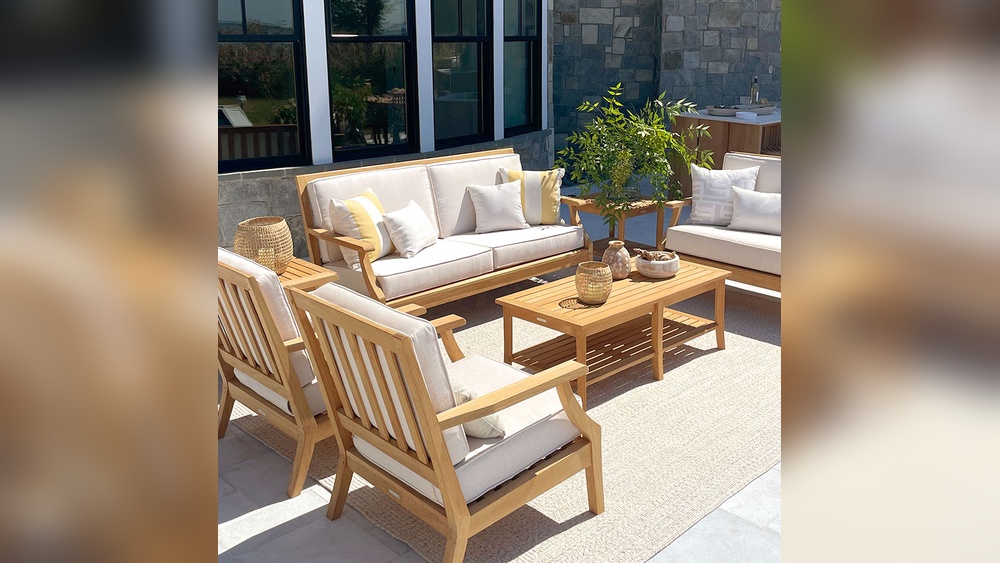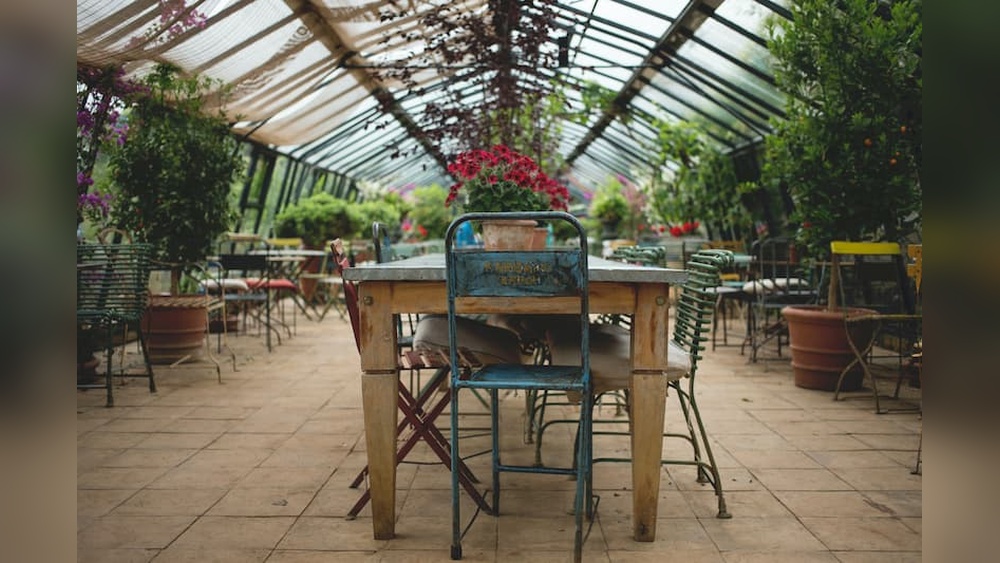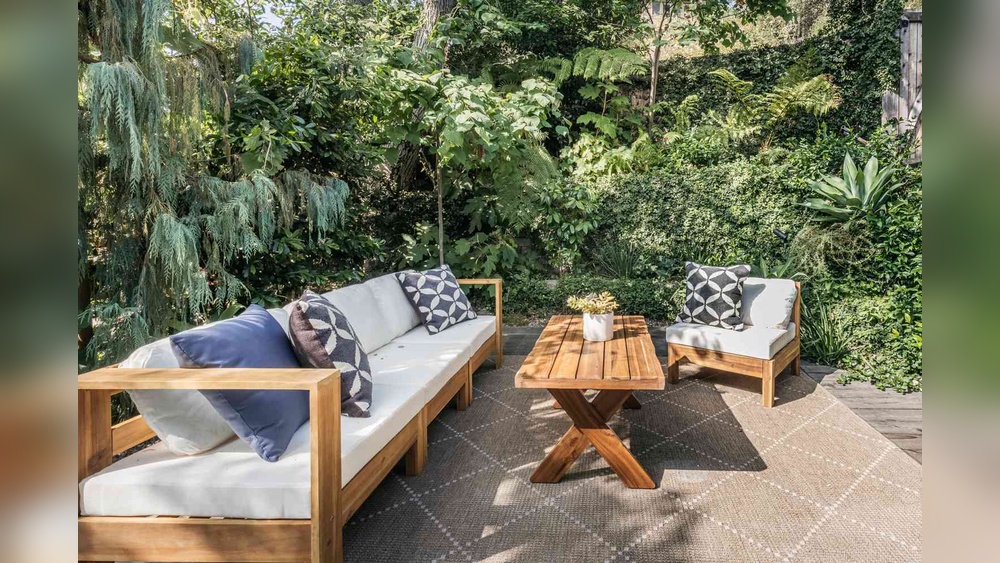
Are you ready to create your own outdoor wood furniture that stands out and lasts for years? Building your own pieces lets you add a personal touch to your garden or patio while saving money.
Imagine relaxing on a chair you made yourself or hosting friends around a table you built with your own hands. This guide will walk you through simple, clear steps to make your outdoor wood furniture project easy and enjoyable. By the end, you’ll have the skills and confidence to bring your ideas to life.
Let’s get started and turn your outdoor space into something truly special!
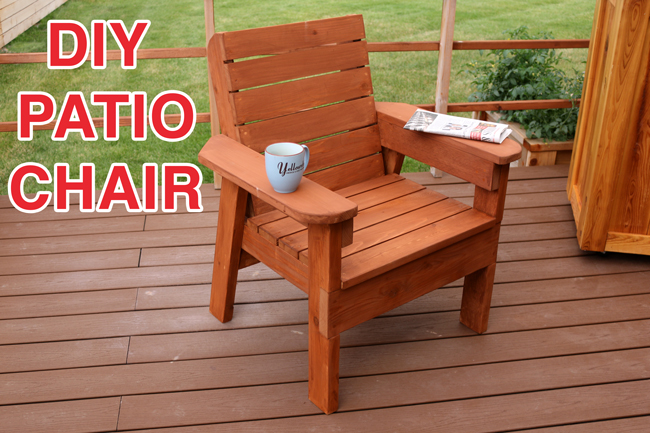
Credit: www.diypete.com
Choosing The Right Wood
Choosing the right wood is a key step in building outdoor wood furniture. Wood type affects how long your furniture lasts and how it looks. Some woods stand up well to sun, rain, and cold. Others need more care or protection. Picking the right wood means your furniture stays strong and beautiful for years.
Best Woods For Outdoor Use
Teak is a popular choice for outdoor furniture. It resists water, insects, and decay. Cedar is another good option. It has natural oils that protect it from rot. Redwood also holds up well outside. Pine can work but needs a good sealant to protect it. Choose woods known for outdoor strength.
Wood Durability And Weather Resistance
Durability means the wood can handle weather without breaking down. Hardwoods like teak and mahogany last longer outside. Softwoods like cedar resist moisture but need care. Wood with natural oils or tight grain resists water better. Treat wood with sealants to improve weather resistance. Regular maintenance also helps protect wood furniture.
Sourcing Sustainable Materials
Choose wood from forests that are well managed. Look for certifications like FSC or PEFC. These show the wood comes from sustainable sources. Using recycled or reclaimed wood can reduce waste. Sustainable wood helps protect forests and the environment. It also supports ethical practices in the wood industry.
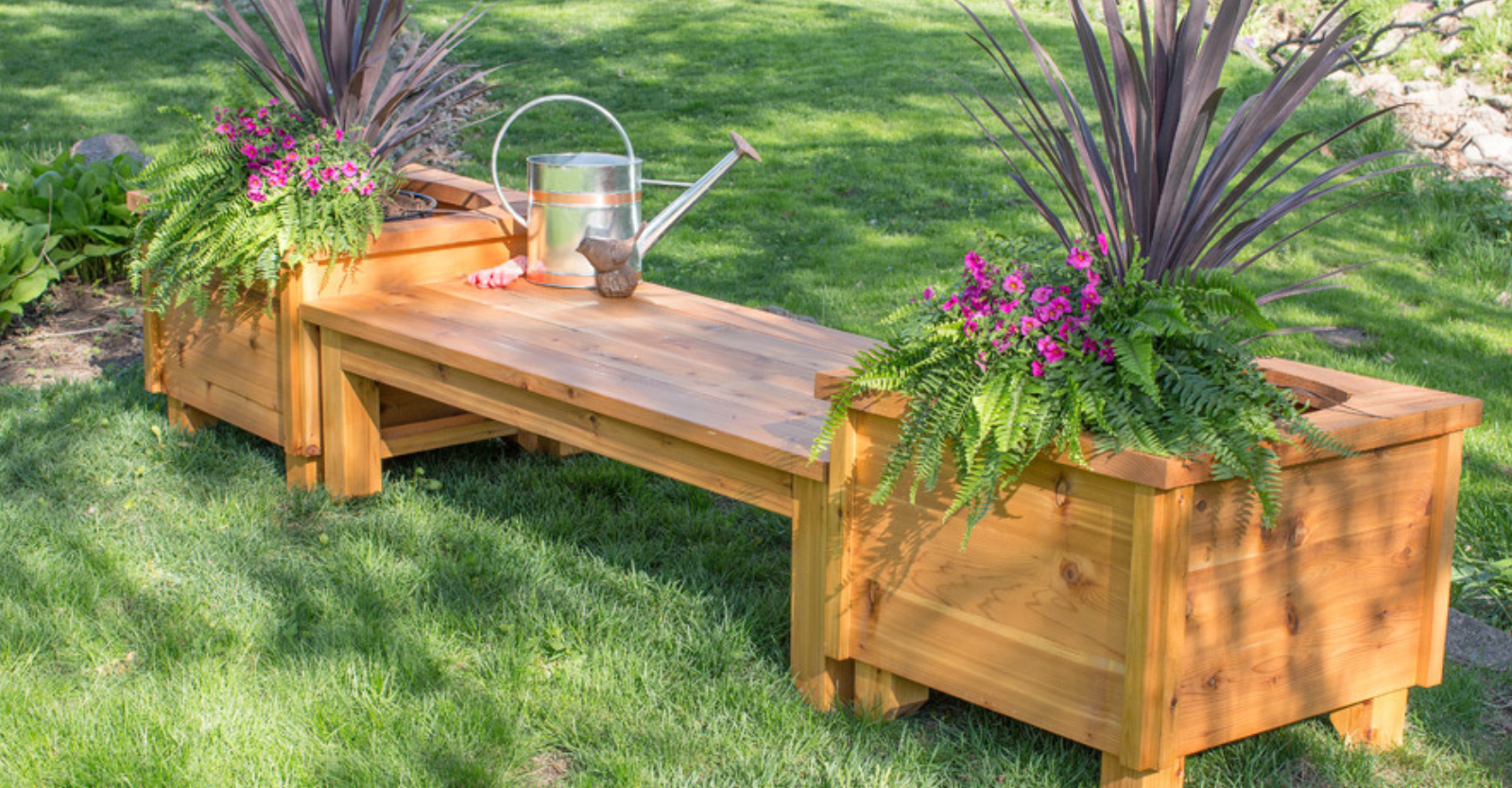
Credit: learn.kregtool.com
Essential Tools And Materials
Building outdoor wood furniture requires the right tools and materials. These help create strong, long-lasting pieces. Using proper equipment makes the work easier and safer. This section covers the basic tools, wood treatment options, and safety gear you need.
Basic Carpentry Tools Needed
Start with a measuring tape and a pencil for accurate cuts. A handsaw or circular saw helps cut wood pieces. Use a drill to make holes and drive screws. Clamps hold pieces steady during assembly. Sandpaper smooths edges and surfaces. A hammer and screwdriver are useful for nails and screws. Having these tools ensures precise and clean work.
Wood Treatment And Finishes
Outdoor furniture needs protection from weather. Use wood sealant to prevent water damage. Stains add color and protect wood from sun damage. Apply varnish or polyurethane for a strong finish. These finishes help wood last longer outside. Choose products made for outdoor use. Proper treatment keeps your furniture looking good.
Safety Gear And Accessories
Protect your eyes with safety glasses. Wear gloves to avoid splinters and cuts. Use ear protection when using loud power tools. A dust mask prevents inhaling wood dust. Work in a well-ventilated area. Safety gear keeps you safe during the project. Never skip these important accessories.
Planning Your Project
Planning your outdoor wood furniture project sets the foundation for success. It helps avoid mistakes and saves time. Careful planning ensures your furniture fits your space and needs. A clear plan makes the building process smooth and enjoyable.
Designing Functional Furniture
Think about how you will use the furniture. Choose designs that fit your outdoor space. Comfort and durability matter most. Include storage if you need it. Simple shapes often work best and are easier to build.
Measuring And Cutting Tips
Measure twice to avoid errors. Use a tape measure for accuracy. Mark all cuts clearly with a pencil. Cut slowly and follow your marks closely. Smooth edges with sandpaper for safety and a clean look.
Creating A Step-by-step Plan
Write down each step before starting. List all materials and tools required. Break the project into small tasks. Follow the list to keep on track. Check progress after finishing each step.
Assembly Techniques
Building outdoor wood furniture requires careful assembly techniques. These methods help ensure your furniture lasts through weather and use. Proper assembly adds strength and stability to each piece.
Understanding different joining methods, fasteners, and balance tips is essential. This knowledge makes your project easier and more durable.
Joining Methods For Strength
Strong joints hold wood pieces tightly together. Common methods include mortise and tenon, dowels, and lap joints. Mortise and tenon joints fit one piece into another for solid connection.
Dowels are small wooden pins that align and reinforce joints. Lap joints overlap two pieces of wood for extra surface area and strength. Choose a method that fits your skill level and furniture style.
Using Screws, Nails, And Glue
Screws provide a secure hold and are easy to remove if needed. Use outdoor-rated screws to prevent rust. Nails are faster but hold less than screws. They work well for temporary or light connections.
Wood glue adds extra strength by bonding surfaces tightly. Apply glue to clean, dry wood before fastening. Combine glue with screws or nails for the best results. Allow glue to dry fully before moving the furniture.
Ensuring Stability And Balance
Check that all legs and supports sit flat on the ground. Uneven furniture can wobble and break over time. Use a level tool to confirm balance during assembly.
Add braces or cross supports to increase stability. Tighten all screws and nails securely. Test your furniture by applying gentle pressure before use.
Finishing Touches
Finishing touches make outdoor wood furniture look great and last longer. These steps protect the wood from weather damage. They also improve comfort and style. Taking time to finish your project well will bring satisfaction and pride.
Sanding For Smooth Surfaces
Start by sanding all wooden parts carefully. Use medium-grit sandpaper first to remove rough spots. Follow with fine-grit sandpaper for a smooth finish. Sand in the direction of the wood grain. This prevents scratches and splinters. Smooth surfaces feel better and help finishes stick well.
Applying Weatherproof Finishes
Choose a finish that protects against rain, sun, and cold. Outdoor varnish, sealant, or wood oil work well. Apply the finish evenly with a brush or cloth. Let each coat dry fully before adding another. Multiple coats improve protection. Proper finishing keeps wood strong and beautiful for years.
Adding Comfort And Style
Add cushions or pillows to make seating more comfortable. Use fabrics designed for outdoor use to resist moisture and fading. Paint or stain parts for extra color and personality. Keep designs simple and matching your outdoor space. Comfort and style make your furniture inviting and enjoyable.
Maintenance Tips
Proper care keeps outdoor wood furniture looking great longer. Wood faces sun, rain, and dirt every day. Maintenance helps protect and preserve the wood’s natural beauty. It prevents damage and keeps your furniture safe to use. Follow simple steps to maintain your wood furniture easily.
Regular Cleaning Practices
Clean wood furniture often to remove dust and dirt. Use a soft brush or cloth to wipe the surface. Mild soap mixed with water works well for cleaning. Avoid harsh chemicals that can harm the wood. Rinse with clean water and dry with a towel. Regular cleaning prevents mold and stains from forming.
Repairing Minor Damages
Check furniture for small cracks or scratches regularly. Fill cracks with wood filler to stop further damage. Sand rough areas gently to smooth the surface. Tighten loose screws or joints for stability. Fixing small problems early saves money and effort later. Keep tools handy for quick repairs.
Extending Furniture Lifespan
Apply wood sealant or oil every year to protect the wood. Choose products made for outdoor wood protection. Store furniture under cover during heavy rain or winter. Use furniture covers to shield from sun and moisture. Rotate furniture pieces to avoid uneven wear. Proper care extends the life of your wood furniture.

Credit: www.youtube.com
Frequently Asked Questions
What Types Of Wood Are Best For Outdoor Furniture?
Teak, cedar, and redwood are top choices for outdoor furniture. They resist moisture, decay, and insects well. These woods last longer and require less maintenance, making them ideal for outdoor use.
How Do I Protect Outdoor Wood Furniture From Weather?
Apply a high-quality outdoor sealant or wood preservative. Reapply every 1-2 years to maintain protection. Cover furniture during heavy rain or snow to extend its life.
What Tools Do I Need To Build Outdoor Wood Furniture?
Basic tools include a saw, drill, screwdriver, measuring tape, and clamps. Sandpaper or a sander helps smooth the wood. Safety gear like gloves and goggles is essential.
How Can I Prevent Wood From Warping Outdoors?
Use kiln-dried wood and seal all surfaces well. Store furniture away from direct sunlight and moisture. Proper construction with good drainage also reduces warping risks.
Conclusion
Building outdoor wood furniture takes time and care. Choose the right wood for strength and weather resistance. Follow steps carefully to create sturdy, beautiful pieces. Sand, paint, or seal the wood to protect it. Enjoy your work outside with friends and family.
Keep your furniture clean and check for damage often. Simple tools and patience bring great results. Start small, learn, and build your skills over time. Wood furniture adds charm and comfort to any outdoor space.