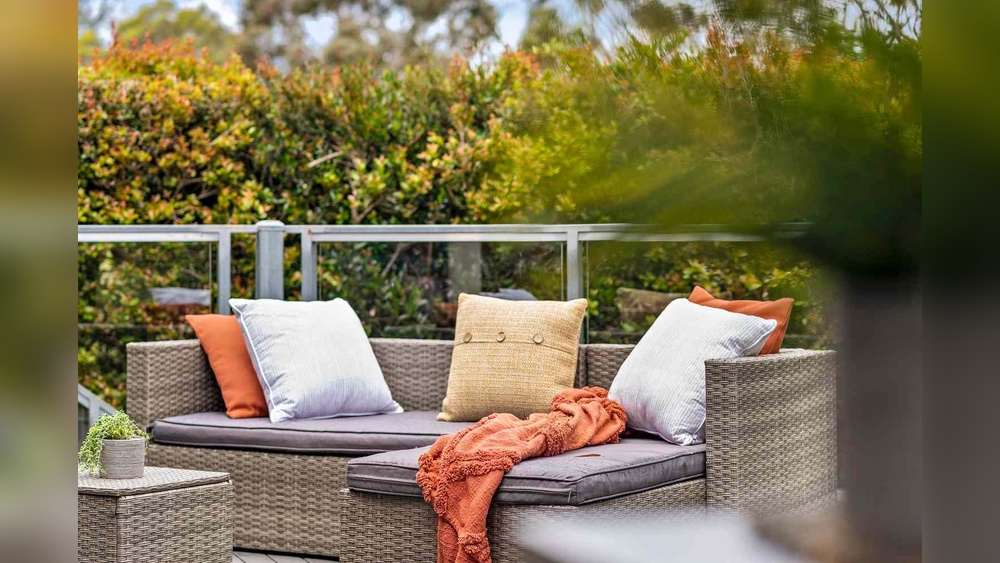
Are your outdoor furniture cushions looking worn or faded? You might be wondering if you really need to buy all new pieces or if there’s a better way to refresh your space.
What if you could give your favorite chairs a brand-new look without spending a fortune? Reupholstering outdoor furniture could be the simple solution you’re searching for. You’ll discover how easy it can be to breathe new life into your outdoor seating, save money, and create a stylish space you’ll love to relax in.
Ready to see how you can transform your furniture? Keep reading!
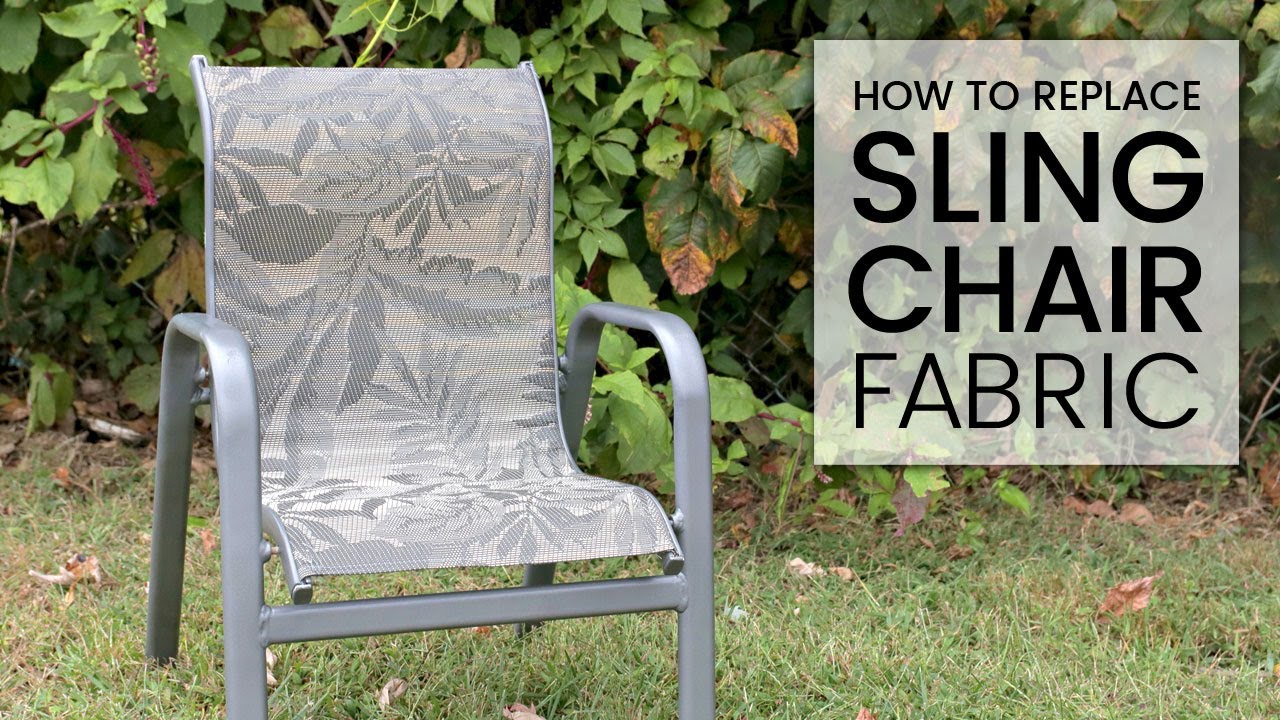
Credit: www.youtube.com
Benefits Of Reupholstering Outdoor Furniture
Reupholstering outdoor furniture offers many advantages. It refreshes old pieces without buying new ones. This process saves money and allows for personal style changes.
Choosing new fabric can protect furniture from weather damage. It also helps extend the life of your favorite outdoor seating. Below are key benefits of reupholstering outdoor furniture.
Cost Savings Compared To Replacement
Reupholstering costs less than buying new furniture. New cushions and fabric are cheaper than full sets. It avoids the expense of shipping and assembly. This option keeps your budget in check.
Customizing Fabric And Design
Pick colors and patterns to match your outdoor space. Customize texture and material for comfort and durability. Create a unique look that fits your taste. Reupholstering makes your furniture truly yours.
Extending Furniture Lifespan
Old frames stay strong with new cushions and covers. New fabric protects from sun, rain, and dirt. Reupholstering keeps furniture usable longer. It reduces waste by avoiding disposal of still-usable pieces.
Choosing The Right Fabric
Choosing the right fabric is key to reupholstering outdoor furniture. The fabric must stand up to the weather and last a long time. Not all fabrics work well outside. Picking the right one protects your furniture and keeps it looking good.
Weather-resistant Materials
Outdoor fabrics must resist rain, wind, and sun. Materials like acrylic, olefin, and polyester are strong against harsh weather. These fabrics dry quickly and do not lose shape. They help your furniture stay comfortable and durable.
Uv Protection And Fade Resistance
Sunlight can fade colors fast. Choose fabric with UV protection to keep colors bright. Fade-resistant fabrics keep your furniture looking fresh for years. This saves money and effort on frequent reupholstering.
Waterproof And Mold-resistant Options
Waterproof fabrics stop water from soaking in. This prevents mold and mildew from growing. Mold-resistant fabrics are healthy and safe for outdoor use. They keep your furniture clean and fresh, even in wet conditions.
Essential Tools And Materials
Reupholstering outdoor furniture needs the right tools and materials. These help you finish the job cleanly and last longer. Outdoor furniture faces sun, rain, and dirt. So, choose supplies made for tough weather.
Understanding what tools and materials to use saves time and effort. It also protects your furniture from damage. Below are the essential items needed for reupholstering outdoor pieces.
Basic Upholstery Tools
Start with simple tools used in most upholstery projects. A staple gun is key for attaching fabric tightly. Scissors cut fabric and foam to size. Pliers help remove old staples and nails. A screwdriver or drill makes it easy to take apart the frame. Measuring tape ensures fabric fits well. These basic tools form the foundation of your work.
Specialized Outdoor Fabric Supplies
Outdoor fabrics must resist water, sun, and mildew. Look for materials labeled as weatherproof or UV resistant. Solution-dyed acrylic and polyester fabrics last longer outdoors. Foam padding designed for outdoor use dries quickly and resists mold. Use heavy-duty thread made for outdoor sewing. These supplies protect your furniture and keep it looking fresh.
Cleaning And Preparation Products
Clean furniture before adding new fabric. Use mild soap and water to remove dirt. A soft brush helps reach corners. Let the frame dry completely to avoid mold. Sandpaper smooths rough wood or metal surfaces. Apply rust remover if metal parts show rust. Preparing the furniture well makes your upholstery last longer.
Step-by-step Reupholstery Process
Reupholstering outdoor furniture can breathe new life into old pieces. The process may seem tough, but breaking it down helps. Follow these clear steps to refresh your outdoor seating with new fabric and style.
Removing Old Fabric Safely
Start by removing the old fabric carefully. Use a staple remover or pliers to pull out staples or tacks. Work slowly to avoid damaging the frame or padding. Keep the old fabric pieces for patterns later. Wear gloves to protect your hands from sharp staples.
Repairing And Preparing Frames
Check the furniture frame for damage or loose joints. Tighten screws and glue any broken parts. Sand rough areas to smooth the surface. Add fresh padding or foam if needed. Make sure the frame is sturdy before adding new fabric.
Cutting And Attaching New Fabric
Lay the old fabric flat and use it as a pattern. Cut the new outdoor fabric slightly larger for easy fitting. Place the new fabric over the padding. Pull it tight and start stapling from the center out. Keep the fabric smooth and wrinkle-free as you work.
Securing And Finishing Touches
Trim excess fabric close to the staples. Add decorative trim or piping to hide edges if desired. Check all staples to ensure the fabric is secure. Clean the furniture to remove dust and debris. Your refreshed outdoor piece is ready to enjoy.
Common Challenges And Solutions
Reupholstering outdoor furniture can refresh your space and save money. The process has some common challenges. Knowing these helps you fix problems fast. This section covers key issues and their solutions.
Dealing With Rust And Corrosion
Metal frames often show rust after long use. Rust weakens the structure and looks bad. Clean the rust with a wire brush or sandpaper. Apply a rust converter to stop further damage. Finish with a rust-proof spray paint. This protects the metal from rain and moisture.
Handling Stubborn Stains
Outdoor fabrics face dirt, mold, and spills. Some stains do not come off easily. Use a mild soap mixed with warm water. Gently scrub the fabric using a soft brush. Avoid harsh chemicals that can damage fabric fibers. Let the fabric dry completely in the sun to prevent mold growth.
Maintaining Fabric Durability
Outdoor fabrics need to last through sun and rain. Choose fabrics made for outdoor use, like acrylic or polyester. Seal the fabric with a water-repellent spray for extra protection. Store cushions indoors during bad weather. Regular cleaning keeps fabric looking new longer.
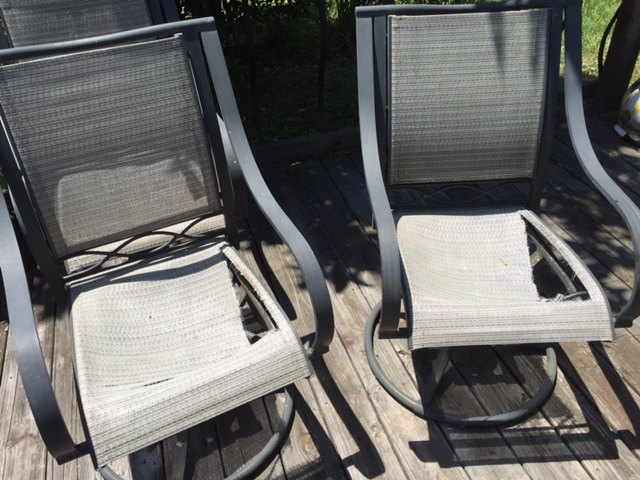
Credit: www.hometalk.com
Maintenance Tips For Longevity
Maintaining outdoor furniture after reupholstering extends its life and keeps it looking fresh. Simple care steps protect fabric and frame from wear and tear. Follow practical maintenance tips to enjoy your furniture longer.
Regular Cleaning Routines
Clean outdoor furniture often to prevent dirt buildup. Use mild soap and water with a soft cloth. Avoid harsh chemicals that can damage fabric and frame. Let cushions dry completely before placing them back.
Storage During Harsh Weather
Store furniture indoors or under a cover during strong rain or snow. Protect fabric from moisture that causes mold and fading. Use waterproof covers that fit well and allow air flow. Remove cushions and store separately in dry places.
Periodic Inspections And Repairs
Check furniture regularly for loose screws or torn fabric. Tighten bolts and fix small tears early to avoid bigger damage. Replace worn-out padding to keep comfort and support. Small repairs keep furniture safe and attractive for years.
When To Seek Professional Help
Reupholstering outdoor furniture can be a rewarding project. Some tasks are simple and can be done at home. Other tasks need special skills. Knowing when to ask for professional help saves time and money. It also protects your furniture from damage.
Professionals have the right tools and experience. They ensure the job is done correctly and safely. Here are some situations that need expert care.
Complex Frame Repairs
Frames hold your furniture together. Broken or weak frames need strong repairs. Complex damage may require welding or woodwork skills. Professionals can fix frames without causing more damage. They make sure the furniture stays safe to use.
High-end Or Vintage Furniture
Expensive or old furniture needs special care. Wrong techniques can lower its value. Experts know how to keep the original look. They use materials that match the old style. This helps preserve your furniture’s beauty and worth.
Time And Skill Considerations
Reupholstering takes time and skill. Beginners may struggle with cutting and stitching fabric. Professionals work faster and with better results. Hiring them can save you effort and frustration. It ensures your furniture looks neat and lasts longer.
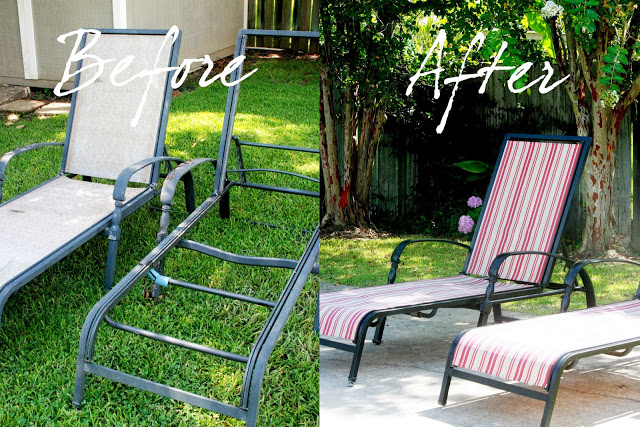
Credit: www.dukemanorfarm.com
Frequently Asked Questions
Can You Reupholster Outdoor Furniture Yourself?
Yes, you can reupholster outdoor furniture yourself with the right tools and materials. Choose weather-resistant fabric for durability. Follow step-by-step guides or tutorials for best results.
What Fabrics Work Best For Outdoor Reupholstery?
Outdoor fabrics like solution-dyed acrylic, polyester, and vinyl work best. They resist fading, moisture, and mildew. These materials ensure your furniture lasts longer in outdoor conditions.
How Long Does Outdoor Furniture Reupholstery Last?
Properly reupholstered outdoor furniture can last 3 to 5 years. Longevity depends on fabric quality, weather exposure, and maintenance. Regular cleaning and protection extend its life.
Is Professional Reupholstery Worth It For Outdoor Furniture?
Professional reupholstery offers expert craftsmanship and durable materials. It saves time and ensures a polished look. Consider it for high-value or complex furniture pieces.
Conclusion
Reupholstering outdoor furniture can give old pieces new life. It saves money and reduces waste. Choose fabrics made for outdoor use to resist weather. Basic tools and some patience make the job doable. The right materials keep your furniture looking fresh longer.
This small project can refresh your outdoor space easily. Try it yourself and enjoy a cozy, updated area.