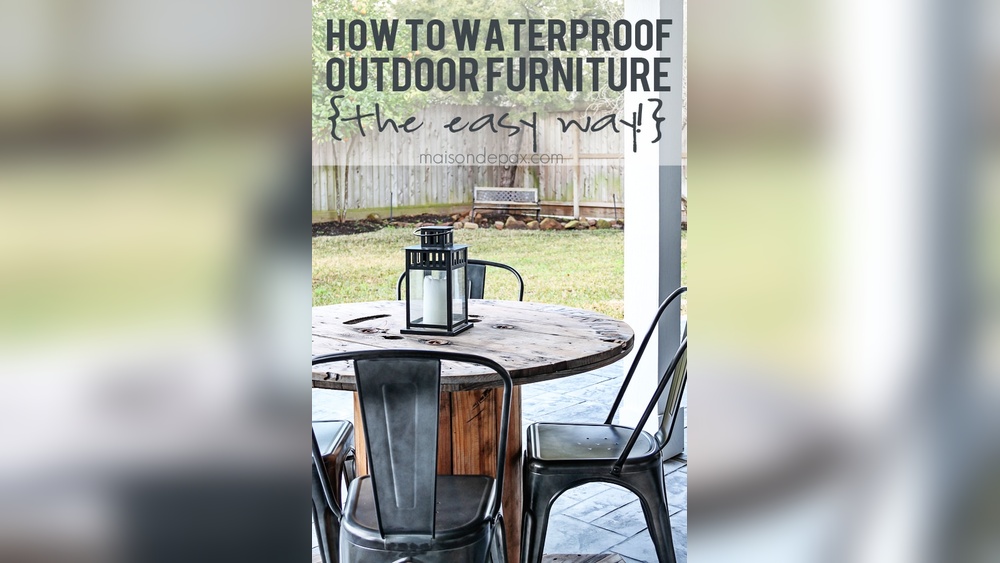
Your outdoor wood furniture adds charm and comfort to your space, but weather can quickly wear it down. Imagine enjoying your favorite chair season after season without worrying about cracks, fading, or rot.
How can you protect your investment and keep it looking fresh year-round? This guide will show you simple, effective ways to weatherproof your outdoor wood furniture. By following these easy steps, you’ll save money, extend the life of your furniture, and create a beautiful outdoor retreat that lasts.
Keep reading to discover how to shield your wood furniture from sun, rain, and cold—so you can relax outside no matter the weather.
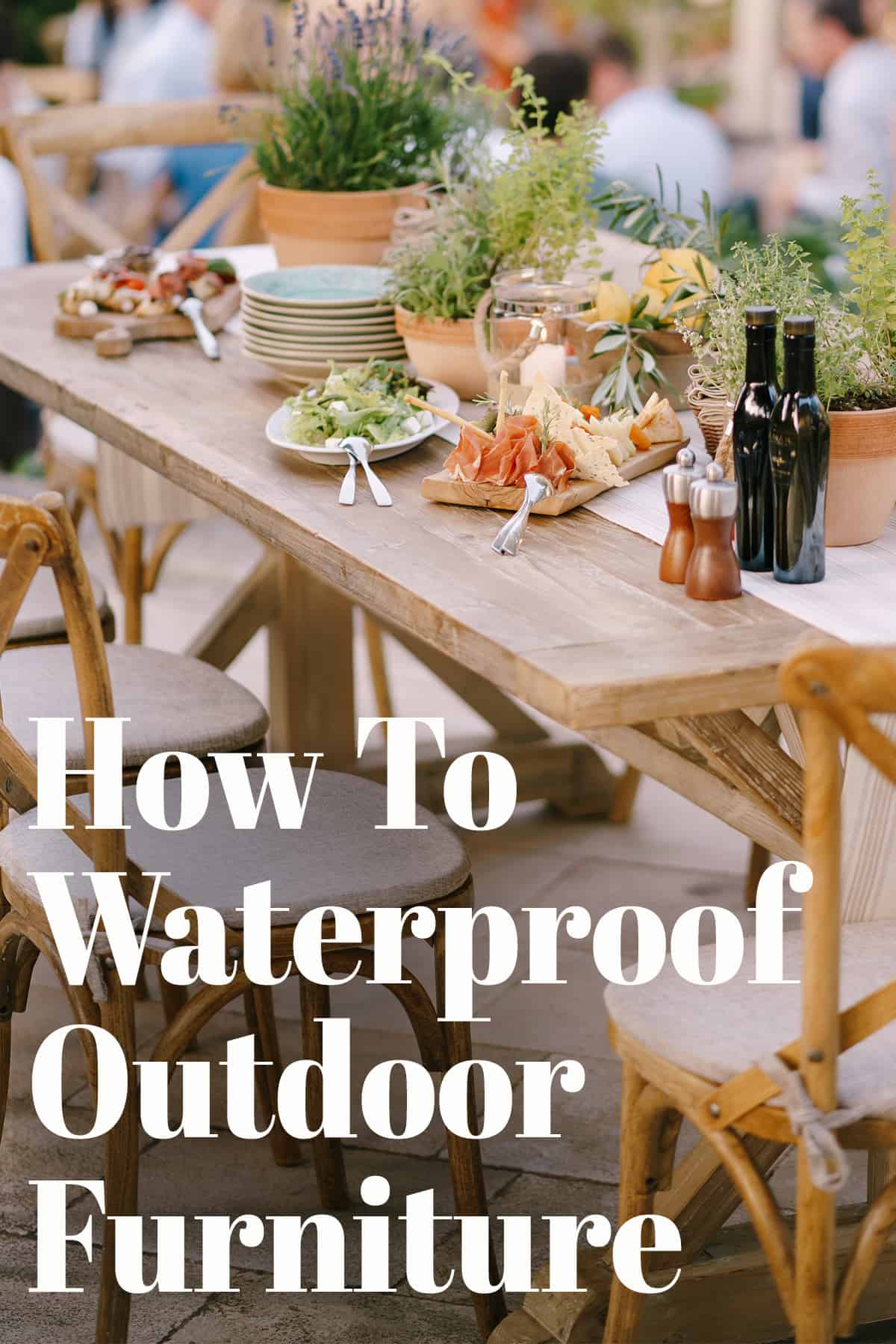
Credit: www.cravingsomecreativity.com
Choosing The Right Wood
Choosing the right wood is the first step to weatherproof outdoor furniture. Wood quality affects how long your furniture lasts outside. Some woods handle rain, sun, and cold better than others. Picking the right type makes maintenance easier and protects your investment.
Durable Wood Types
Cedar is a popular choice for outdoor furniture. It resists rot and insect damage naturally. Teak is strong and has natural oils that protect it from water. Redwood also resists decay and looks great over time. Pine is cheaper but needs extra care to last outdoors. Choose woods known for their toughness and weather resistance.
Wood Treatment Options
Treating wood helps it resist moisture and sun damage. Use sealants to block water and prevent warping. Stains add color and extra protection from UV rays. Oils soak into the wood and keep it from drying out. Regular treatments keep the wood strong and looking good longer.
Cleaning And Preparing Wood
Cleaning and preparing wood is the first step to protect outdoor furniture. Dirt and old finishes can stop sealants from working well. Proper cleaning makes the wood ready for treatment. This step also helps wood last longer outside.
Removing Dirt And Debris
Start by brushing off loose dirt with a soft brush. Use a mild soap mixed with water to scrub the surface gently. Rinse with clean water and let the wood dry fully. Avoid soaking the wood to prevent swelling or damage.
Sanding For Smoothness
Sanding removes rough spots and old finishes from the wood. Use medium-grit sandpaper for best results. Sand in the direction of the wood grain to avoid scratches. After sanding, wipe the surface with a damp cloth to clear dust. Smooth wood helps sealants stick better and last longer.
Applying Protective Coatings
Applying protective coatings is a key step to keep outdoor wood furniture safe from weather damage. These coatings form a strong barrier that stops water, sun, and dirt from harming the wood. A good coating also makes cleaning easier and extends the life of your furniture.
Different types of coatings suit different needs. Some protect better against water. Others resist fading from the sun. Choosing the right coating helps your furniture look great for years.
Sealants And Varnishes
Sealants and varnishes create a hard, clear layer over the wood. They block moisture and prevent cracks. Many sealants are easy to apply with a brush or spray. Varnishes often include UV protection to stop sun damage. For best results, apply two or three thin coats. Let each coat dry fully before adding the next.
Waterproof Paints
Waterproof paints add color and strong water resistance. They cover wood pores to stop water from soaking in. These paints are perfect for wood that faces heavy rain or snow. Choose paints made for outdoor use to ensure durability. Apply a primer first to help the paint stick well. Two coats of paint usually give the best protection.
Oil Finishes
Oil finishes soak into the wood and protect from the inside. They keep the wood from drying out and cracking. Oils like teak or linseed oil also bring out the wood’s natural color. Applying oil is simple with a cloth or brush. Reapply oil every few months to keep the wood nourished and waterproofed.
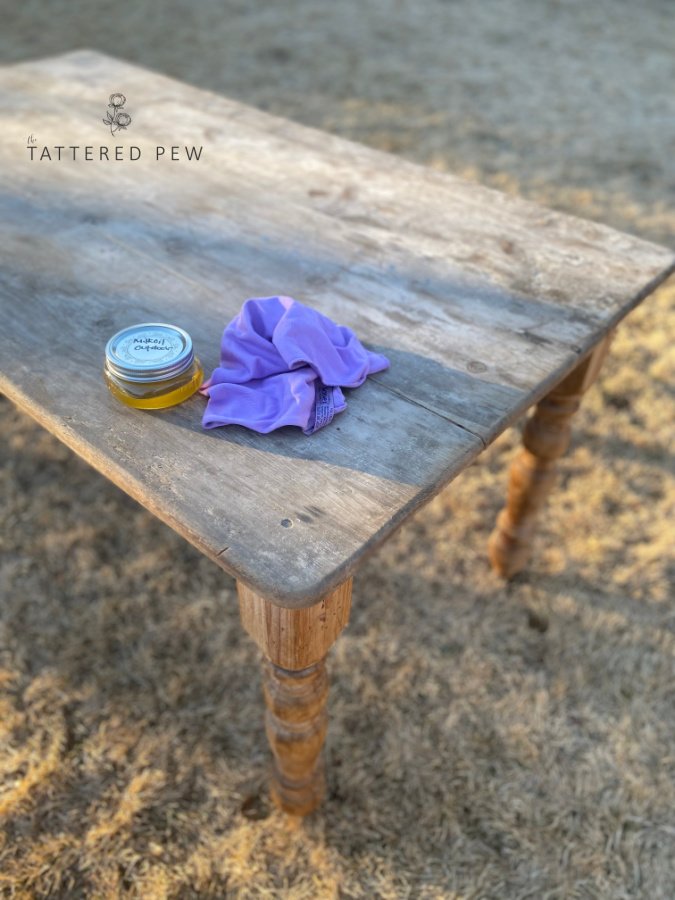
Credit: www.mmsmilkpaint.com
Maintaining Wood Furniture
Maintaining outdoor wood furniture keeps it strong and beautiful for years. Regular care stops damage caused by sun, rain, and dirt. Simple steps protect the wood and keep it looking fresh. This saves money and effort over time. Follow these tips to keep your furniture in top shape.
Regular Cleaning Tips
Clean wood furniture often to remove dirt and dust. Use a soft brush or cloth with mild soap and water. Avoid harsh chemicals that can harm the wood surface. Rinse with clean water and dry with a soft towel. Clean furniture stays smooth and prevents mold or mildew growth.
Reapplying Finishes
Apply wood finishes like oil or varnish every year. This adds a protective layer against moisture and sun damage. Lightly sand the surface before applying new finish for better grip. Follow product instructions carefully to avoid sticky or uneven spots. Proper finishing keeps wood healthy and vibrant.
Checking For Damage
Inspect furniture regularly for cracks, splinters, or loose joints. Fix small problems quickly to stop bigger damage. Use wood glue for loose parts and sand rough areas gently. Cover deep cracks with wood filler and touch up with finish. Early repairs extend the life of your furniture.
Preventing Common Weather Damage
Outdoor wood furniture faces many risks from weather. Rain, sun, and bugs cause damage over time. Taking steps to prevent these problems keeps furniture strong and good-looking. Simple care extends the life of wood furniture outdoors.
Avoiding Moisture Build-up
Water causes wood to swell and rot. Keep furniture dry by placing it on raised surfaces. Use waterproof covers during rain and snow. Clean the furniture regularly to stop mold and mildew growth. Allow air to flow around furniture to help it dry faster.
Shielding From Sun Exposure
Sun fades and cracks wood. Use UV-resistant sealants to protect the surface. Move furniture to shaded areas when possible. Use umbrellas or awnings to block direct sunlight. Reapply protective coatings yearly to maintain defense against sun damage.
Protecting Against Pests
Insects like termites damage wood deeply. Inspect furniture often for small holes or sawdust. Treat wood with insect repellent sprays made for outdoor use. Store cushions and wood pieces indoors during winter to reduce pest risk. Regular care helps stop pest problems before they start.
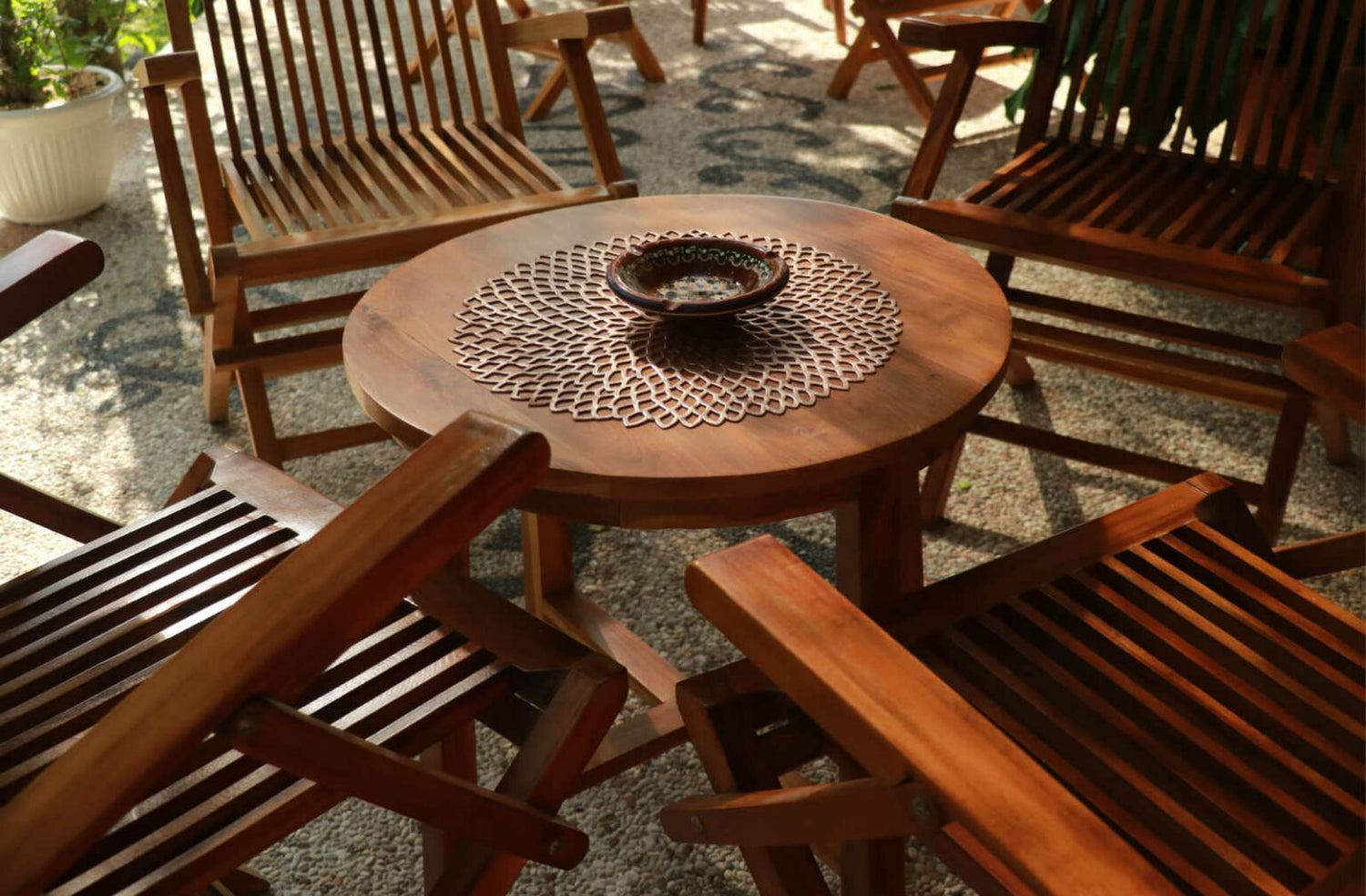
Credit: www.patioline.ca
Storage And Covering Strategies
Proper storage and covering help protect outdoor wood furniture. They prevent damage from rain, sun, and cold. These strategies keep your furniture looking good longer. They also reduce the need for frequent repairs or refinishing.
Good storage and covers block moisture and dirt. They stop wood from cracking or fading. Choosing the right cover and storage place is key. It helps maintain the wood’s natural beauty and strength.
Choosing Protective Covers
Pick covers made from waterproof and breathable fabric. This stops water from pooling and causing rot. Covers should fit snugly but not too tight. Tight covers trap moisture and cause mold growth. Look for covers with vents to allow air flow. Heavy-duty covers last longer and protect better from sun and rain. Avoid plastic sheets that can trap heat and moisture. Choose covers that are easy to clean and store.
Storing During Harsh Weather
Move wood furniture indoors during winter or storms. A dry, cool place like a garage or shed is best. If indoor storage is not possible, place furniture on pallets or blocks. This keeps wood off wet ground and prevents moisture absorption. Cover furniture with a breathable cover to protect from snow and rain. Remove cushions and store them separately in a dry spot. Regularly check stored furniture for signs of mold or damage. Proper storage reduces warping, cracking, and paint peeling.
Frequently Asked Questions
How Do I Prepare Wood Furniture For Weatherproofing?
Clean the furniture thoroughly to remove dirt and debris. Sand rough surfaces to ensure smoothness. Allow the wood to dry completely before applying any sealant or finish.
What Is The Best Sealant For Outdoor Wood Furniture?
Use a high-quality exterior wood sealant or waterproof varnish. These products protect against moisture, UV rays, and temperature changes. Choose one suitable for your wood type and outdoor conditions.
How Often Should I Weatherproof Outdoor Wood Furniture?
Reapply weatherproofing treatments every 1 to 2 years. Check for signs of wear, cracking, or fading. Regular maintenance ensures long-lasting protection against harsh weather elements.
Can I Use Paint To Weatherproof Wood Furniture?
Yes, exterior paint provides a protective barrier against moisture and sunlight. Use a primer designed for outdoor wood before painting. Paint also enhances the furniture’s appearance and durability.
Conclusion
Protecting outdoor wood furniture takes effort and care. Regular cleaning keeps dirt and mold away. Applying sealant blocks water and sun damage. Cover furniture during harsh weather for extra safety. Small steps make your furniture last longer. Enjoy your outdoor space without worry.
Simple habits bring big benefits. Keep your wood looking great year-round.