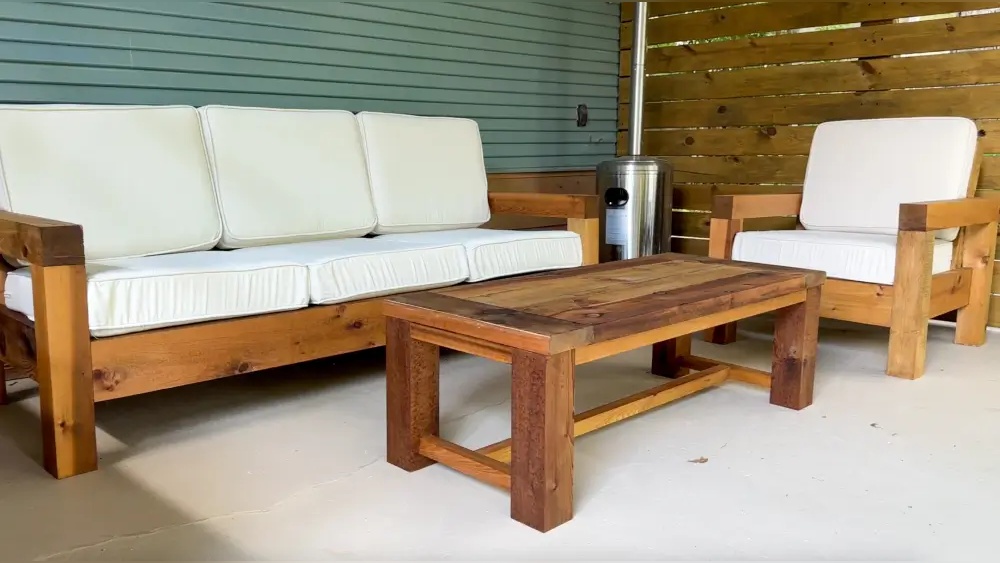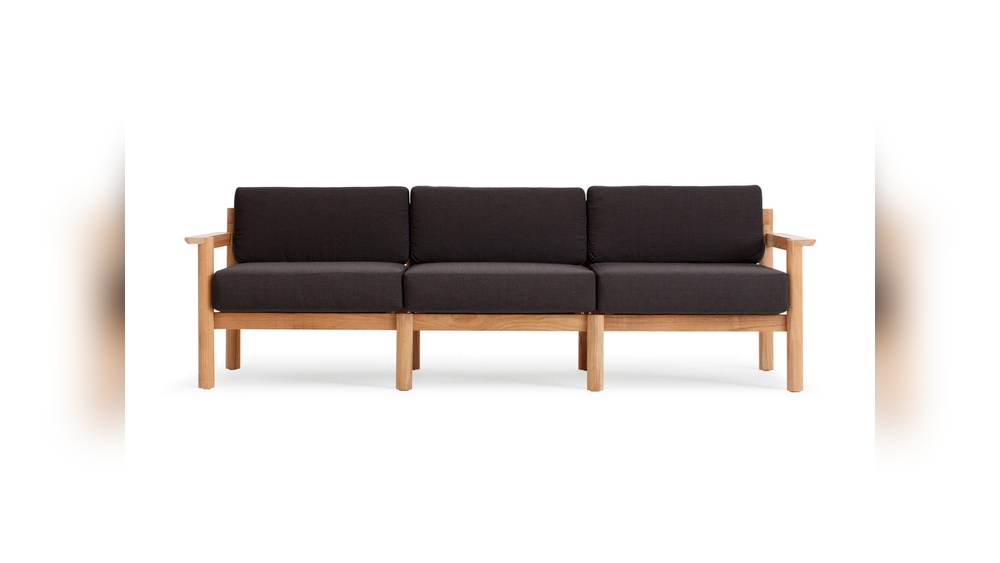
Have you ever looked at your indoor furniture and wished it could brighten up your outdoor space? Imagine transforming your favorite chairs and tables into stylish, weather-ready pieces without buying new ones.
You’re about to discover simple, effective ways to give your indoor furniture a fresh outdoor life. This guide will show you how to protect your pieces from the elements while keeping their charm. Ready to make your outdoor area cozy and unique with what you already have?
Keep reading, and let’s turn your indoor furniture into outdoor favorites.
Choosing The Right Furniture
Choosing the right furniture is key to turning indoor pieces into outdoor favorites. The right choice ensures durability and style outside. Not all furniture fits the outdoor setting. Picking well helps your space look great and last long. Consider the material and design carefully before moving furniture outdoors.
Materials That Withstand Outdoors
Wood furniture needs special care outdoors. Teak and cedar resist moisture and insects well. Metal furniture should be rust-resistant like aluminum or stainless steel. Plastic and resin pieces handle rain and sun without damage. Fabrics must be water-resistant and fade-proof. Outdoor cushions with quick-dry foam work best. Choosing strong materials prevents damage from weather and sun.
Styles Suited For Outdoor Use
Simple and sturdy designs work best outside. Avoid delicate carvings or soft details that can break. Furniture with slats or gaps allows water to drain. Rounded edges resist chips and cracks. Choose styles that match your outdoor space size and shape. Stackable or foldable furniture saves space and is easy to store. Practical designs improve comfort and function outdoors.
Preparing Furniture For Outdoor Use
Preparing furniture for outdoor use is a key step in turning indoor pieces into outdoor favorites. It helps protect the furniture from weather and wear. This preparation makes the furniture last longer outside.
Start by cleaning and sanding surfaces. Then, repair any damage or weak spots. These steps create a strong base for outdoor finishes and treatments.
Cleaning And Sanding Surfaces
Clean all dirt, dust, and grease from the furniture. Use a mild soap and water solution. Wipe down the surfaces well and let them dry completely. Dirt and grime block paint and sealants from sticking properly.
After cleaning, sand the surfaces lightly. Use medium to fine-grit sandpaper. Sanding removes old finishes and smooths rough spots. It also helps new paint or sealant stick better. Wipe off dust after sanding.
Repairing Damage And Weak Spots
Check the furniture for cracks, loose joints, or chips. Fix cracks with wood filler or epoxy. Let the filler dry, then sand it smooth. Tighten loose screws or joints. Add wood glue if needed for extra strength.
Small damage can get worse outside. Fixing weak spots now prevents bigger problems later. Strong, smooth surfaces protect the furniture from moisture and wind.
Protective Finishes And Coatings
Protective finishes and coatings help indoor furniture last outside. They stop water damage, sun fading, and wear from weather. These finishes make furniture strong and keep it looking good. Choose the right coating for the material and use it well. This step is key to turning indoor pieces into outdoor-ready furniture.
Waterproof Sealants
Waterproof sealants block moisture from soaking into furniture. They protect wood, metal, and fabric surfaces. Apply sealants evenly and let them dry fully. This prevents warping, rust, and mold growth. Use sealants designed for outdoor use for best results. Refresh the coating every year to keep protection strong.
Uv-resistant Paints And Stains
UV-resistant paints and stains protect furniture from sun damage. They stop colors from fading and surfaces from cracking. These coatings contain special ingredients to block harmful UV rays. Choose colors that match your style and material type. Apply multiple thin layers for even coverage. Reapply as needed to maintain defense against sunlight.
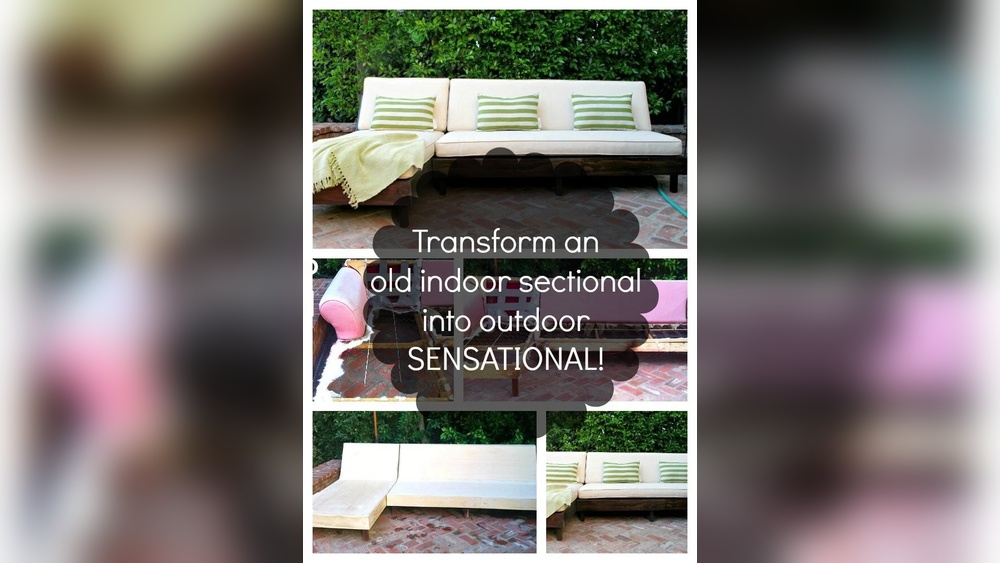
Credit: flowyline.com
Selecting Outdoor Fabrics
Selecting the right fabric is key to turning indoor furniture into outdoor furniture. Outdoor fabrics must handle sun, rain, and wind without fading or tearing. Choosing durable materials ensures your furniture looks good longer. You want fabrics that are easy to clean and feel comfortable too.
Not all fabrics are made for outdoor use. Indoor fabrics can get damaged fast outside. Outdoor fabrics resist moisture and dry quickly. They block UV rays to prevent colors from fading. Breathable fabrics stop mold and mildew from growing. These qualities keep cushions fresh and inviting.
Weather-resistant Cushion Materials
Look for fabrics labeled as weather-resistant. Acrylic and solution-dyed polyester are popular choices. They resist water and dry fast after rain. These materials stand up to sun exposure without losing color. Foam inside cushions should be quick-drying and resistant to mold. Closed-cell foam is a good option for outdoor use. It repels water and keeps cushions firm.
Diy Cushion Covers
Making your own cushion covers is easy and budget-friendly. Buy weather-resistant fabric from fabric stores or online. Measure your cushions before cutting fabric. Use a simple sewing machine or hand stitch covers. Add zippers or Velcro for easy removal and washing. DIY covers let you change colors or patterns anytime. They keep your cushions protected from dirt and moisture.
Adding Functional Outdoor Features
Adding functional outdoor features to indoor furniture makes it ready for outdoor use. It helps furniture last longer outside. Also, it keeps the furniture safe and comfortable during different weather conditions. Small changes can make a big difference in durability and usability.
Drainage Solutions
Drainage is key for outdoor furniture. Water can pool and cause damage. Drill small holes in the bottom of cushions or seats. This lets water escape easily. Use breathable fabrics that dry fast. Adding slats or gaps in wooden furniture also helps water flow out. Good drainage stops mold and rotting.
Rust-resistant Hardware
Outdoor furniture needs hardware that can fight rust. Replace screws, bolts, and nails with stainless steel or brass ones. These metals do not rust easily. Use rust-resistant paint or spray on metal parts. Check hardware often and tighten loose pieces. Rust-free hardware keeps furniture strong and safe.

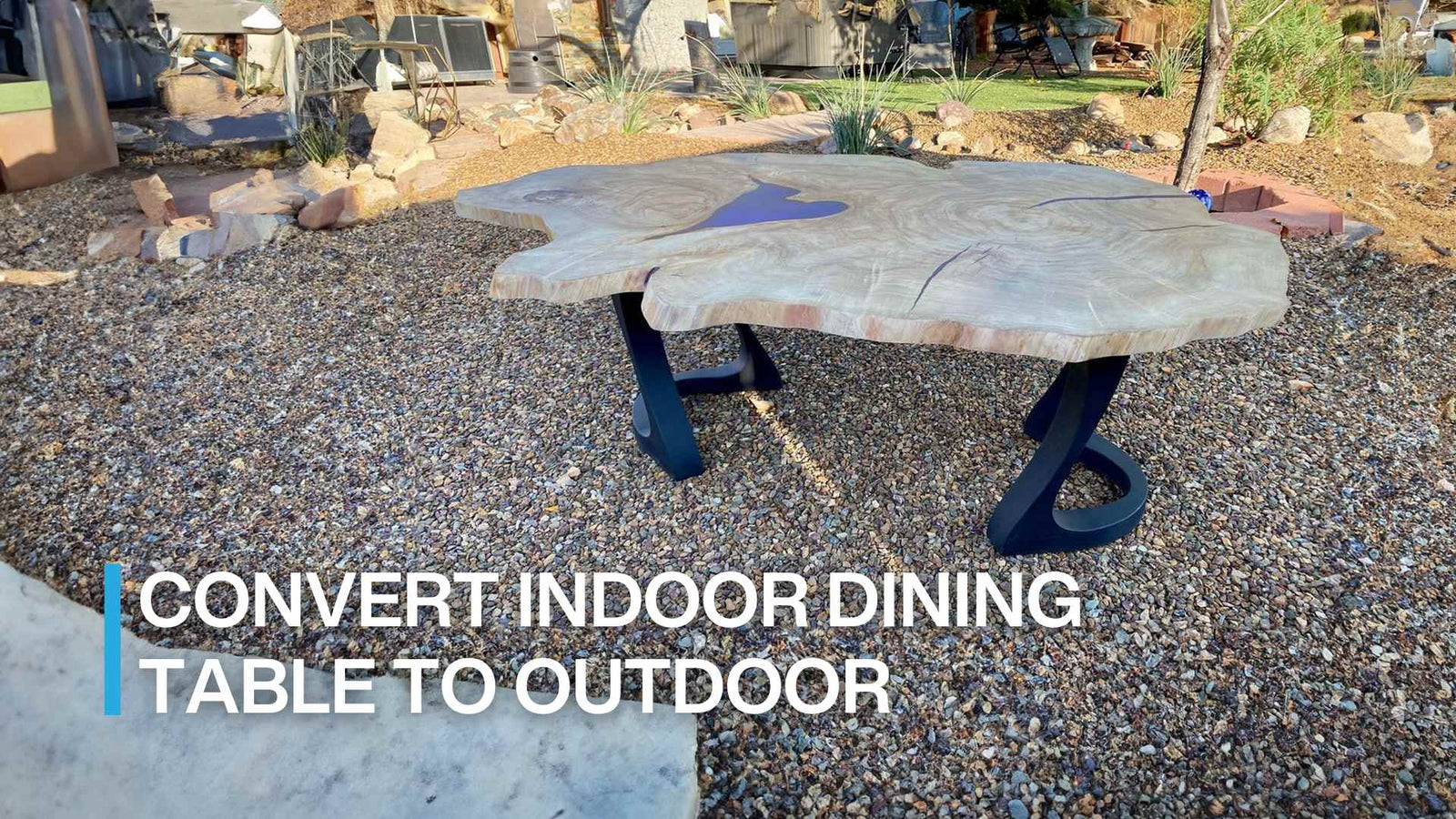
Credit: courtneymbrowning.com
Maintenance Tips For Longevity
Maintaining indoor furniture outside takes effort. This care ensures it lasts longer and stays beautiful. Simple habits protect your furniture from weather and wear. Regular attention helps avoid costly repairs or replacements.
Regular Cleaning Routines
Clean furniture often to remove dirt and dust. Use a soft brush or cloth for gentle cleaning. Mild soap and water work well for most surfaces. Avoid harsh chemicals that can damage finishes. Dry furniture completely to prevent mold and rust. Check cushions for stains and wash covers if possible.
Seasonal Storage Advice
Store furniture indoors during harsh weather seasons. Cover pieces with waterproof covers if storage is not possible. Keep cushions and fabrics in a dry place. Avoid direct sunlight to prevent fading and cracking. Disassemble furniture if needed to save space and avoid damage. Proper storage extends the life of your outdoor furniture.
Credit: www.reddit.com
Frequently Asked Questions
How Can I Protect Indoor Furniture Outdoors?
Use weatherproof sealants or waterproof covers to protect furniture. Apply UV-resistant paint or varnish to prevent sun damage. Store cushions indoors when not in use to avoid moisture issues. Regularly clean and maintain to extend outdoor lifespan.
What Materials Suit Indoor Furniture For Outdoor Use?
Wood, metal, and plastic furniture can be adapted for outdoor use. Choose furniture with dense wood like teak or cedar. Metal should be rust-resistant or coated. Avoid delicate fabrics; opt for weather-resistant cushions for comfort.
How To Waterproof Indoor Furniture Effectively?
Apply clear waterproof sealant sprays or marine varnish on surfaces. Seal joints and seams to prevent water penetration. Use outdoor-rated fabric protectors on cushions and upholstery. Reapply waterproofing treatments annually for continued protection.
Can I Use Indoor Cushions Outdoors Safely?
Indoor cushions are not ideal for outdoors unless treated. Use water-resistant or quick-dry covers to protect them. Store cushions inside when not in use to prevent mildew. Consider replacing indoor cushions with outdoor-specific ones for durability.
Conclusion
Transforming indoor furniture for outdoor use can save money and add charm. Choose durable materials and use weatherproof paint or sealant. Protect cushions with waterproof covers or store them inside when not in use. Regular cleaning keeps your furniture looking fresh and lasting longer.
Small changes make big differences. Enjoy your outdoor space with style and comfort every day.