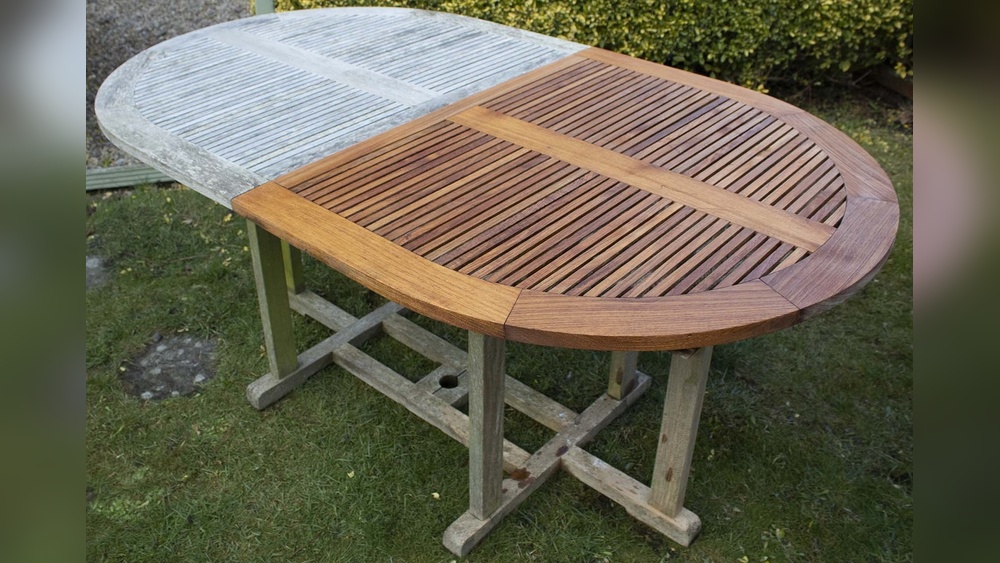
Are your cloth outdoor furniture pieces looking tired and worn out? You might be wondering if you really need to replace them or if there’s a way to bring them back to life.
The good news is, you don’t have to give up on your favorite outdoor seating just yet. Imagine turning your faded cushions and fabric back into fresh, inviting spots for relaxation—without spending a fortune. Keep reading, and you’ll discover simple, effective ways to refinish your cloth outdoor furniture so it looks great and lasts longer.
This could be the easy refresh your outdoor space needs!
Signs Your Cloth Furniture Needs Refinishing
Cloth outdoor furniture faces many challenges from sun, rain, and daily use. Over time, signs appear that show your furniture needs refinishing. These signs help you decide when to act. Refinishing keeps furniture looking fresh and extends its life.
Fading And Discoloration
Sunlight often fades cloth furniture colors. Bright fabrics turn dull or pale. Discoloration can make your furniture look old and worn out. If colors lose their vibrancy, it’s time to consider refinishing. Restoring color brings life back to your outdoor space.
Fabric Tears And Wear
Outdoor cloth can tear from rough use or weather. Small holes or worn spots weaken the fabric. These flaws let dirt and moisture inside. Tears also reduce comfort and safety. Repairing or replacing fabric keeps your furniture strong and cozy.
Frame Damage
The furniture frame supports the cloth and overall structure. Frames can crack, rust, or become loose over time. Damage affects stability and safety. Check for broken joints or bent parts. Fixing the frame prevents bigger problems and keeps furniture usable.
Credit: www.walmart.com
Materials And Tools Required
Refinishing cloth outdoor furniture requires specific materials and tools. These help clean, repair, and restore the fabric effectively. Preparing the right supplies ensures the job goes smoothly and looks great.
Cleaning Supplies
Start with gentle cleaners suitable for outdoor fabrics. Use mild soap, water, and soft brushes. Avoid harsh chemicals that can damage cloth fibers. Microfiber cloths and spray bottles help apply cleaners evenly. Proper cleaning removes dirt and stains before refinishing.
Fabric Paints And Dyes
Choose fabric paints designed for outdoor use. These paints resist fading from sun and rain. Fabric dyes can refresh faded colors deeply. Test colors on a small spot first. Use brushes or spray bottles for even coverage. Allow paint or dye to dry fully before next steps.
Protective Coatings
Protective coatings shield fabric from weather damage. Use water-repellent sprays made for outdoor cloth. These coatings prevent moisture and stains. Apply thin, even layers for best results. Let the coating dry in a well-ventilated area. Regular reapplication extends fabric life.
Basic Repair Tools
Keep handy sewing needles and strong thread. Patches can fix holes or tears in fabric. Scissors trim loose threads or edges. Seam rippers help remove damaged stitches. Small clamps or clips hold fabric in place while drying. These tools aid quick, neat repairs.
Preparing Cloth Outdoor Furniture
Refinishing cloth outdoor furniture starts with good preparation. This step makes sure the furniture looks great and lasts long. Proper preparation helps the new finish stick well. It also removes dirt and damage from old use.
Take time to prepare the furniture carefully. This process includes cleaning, removing old paint or finish, and fixing any damage. Each step improves the final result and keeps the furniture strong.
Thorough Cleaning Techniques
Clean cloth outdoor furniture with a soft brush or cloth. Use mild soap mixed with water. Gently scrub the fabric and frame to remove dirt. Avoid harsh chemicals that can damage the cloth.
Rinse with clean water and let the furniture dry completely. Drying prevents mold and prepares the surface for refinishing.
Removing Old Paint Or Finish
Old paint or finish must be removed carefully. Use a paint stripper or sandpaper suited for cloth furniture. Work gently to avoid damaging the fabric or frame.
Remove all loose or peeling paint. Clean the surface again to remove dust and residue. This step helps the new finish to stick well.
Repairing Structural Issues
Check the furniture for broken parts or loose joints. Tighten screws and bolts to secure the frame. Replace any broken parts if needed.
Fix tears or holes in the cloth using patches or fabric glue. Strong, stable furniture lasts longer and looks better after refinishing.

Credit: www.amazon.com
Refinishing Methods For Fabric
Refinishing cloth outdoor furniture fabric can bring new life to worn surfaces. The right method depends on fabric type and damage. These methods restore color and protect fabric from weather. Each technique offers unique benefits and steps to follow.
Re-dyeing Fabric
Re-dyeing restores faded fabric color effectively. Use a dye suitable for outdoor fabrics. Clean the fabric thoroughly before applying dye. Apply dye evenly with a sponge or spray. Let fabric dry completely under shade. This method revives color without changing fabric texture.
Applying Fabric Paint
Fabric paint changes the look of outdoor cloth. Choose paint made for outdoor or waterproof use. Test paint on a small fabric area first. Use a brush or sponge to apply paint smoothly. Allow paint to dry fully before use. This method adds color and patterns with durability.
Using Fabric Sealants
Fabric sealants protect fabric from water and dirt. Spray or brush sealant evenly over clean, dry fabric. Sealants create a protective barrier without changing color. Let sealant dry in a well-ventilated area. This process extends fabric life and keeps it cleaner.
Protecting And Maintaining Refurbished Furniture
Refurbishing cloth outdoor furniture can bring new life to your patio or garden. To keep it looking fresh and last longer, proper care is key. Protecting and maintaining the fabric helps avoid damage from weather and daily use. Simple steps can make a big difference in preserving your furniture’s beauty and comfort.
Waterproofing Tips
Waterproofing stops water from soaking into the fabric. Use a spray-on waterproof protector designed for outdoor cloth. Apply it in a well-ventilated area and follow the instructions carefully. Reapply the waterproof spray every few months or after heavy rain. This keeps the fabric dry and prevents mold or mildew growth.
Uv Protection Strategies
Sunlight can fade colors and weaken fabric fibers. Use a UV fabric protector spray to block harmful rays. Place furniture in shaded spots or use umbrellas to reduce sun exposure. Cover the furniture when not in use, especially during strong sunlight hours. This helps maintain the fabric’s color and strength for years.
Regular Cleaning And Care
Cleaning your cloth outdoor furniture often removes dirt and stains. Use mild soap and water with a soft brush or cloth. Avoid harsh chemicals that can damage the fabric. Let the fabric dry fully before using or covering. Regular care keeps the material fresh and extends its life.

Credit: www.servivuelo.com
When To Seek Professional Help
Refinishing cloth outdoor furniture can sometimes be tricky. Knowing when to get help can save time and effort. Professionals have the right tools and skills for tough jobs. They can bring your furniture back to life safely and effectively.
Complex Repairs
Big tears or broken frames need expert care. Repairing these issues needs special tools and knowledge. Professionals can fix damage without making it worse. They ensure the furniture stays strong and lasts longer.
Specialized Fabric Treatments
Some fabrics need unique cleaning or protection methods. Experts know how to treat different materials safely. They can apply water-repellent or stain-resistant coatings. This treatment helps furniture stay clean and look new.
Frequently Asked Questions
Can Cloth Outdoor Furniture Be Refinished Effectively?
Yes, cloth outdoor furniture can be refinished by cleaning, repairing tears, and applying fabric protectors. Proper refinishing extends its life and enhances appearance.
What Materials Are Best For Refinishing Outdoor Cloth Furniture?
Use outdoor fabric paint, waterproof sealants, and fabric adhesives. These materials resist weather damage and maintain durability during refinishing.
How Often Should Outdoor Cloth Furniture Be Refinished?
Refinish every 1-2 years depending on exposure to sun, rain, and wear. Regular maintenance keeps fabric vibrant and weather-resistant.
Can Diy Methods Work For Refinishing Cloth Outdoor Furniture?
Yes, DIY methods like cleaning, patching, and applying fabric protectors are effective. However, professional refinishing may be better for severe damage.
Conclusion
Cloth outdoor furniture can often be refinished with some care. Cleaning and repairing small tears help extend its life. Using fabric protectors can keep it looking fresh longer. Regular maintenance prevents damage from sun and rain. Refinishing saves money compared to buying new furniture.
It also reduces waste and helps the environment. Try simple steps to refresh your outdoor cloth pieces. A little effort brings back comfort and style. Keep your furniture ready for many seasons ahead.