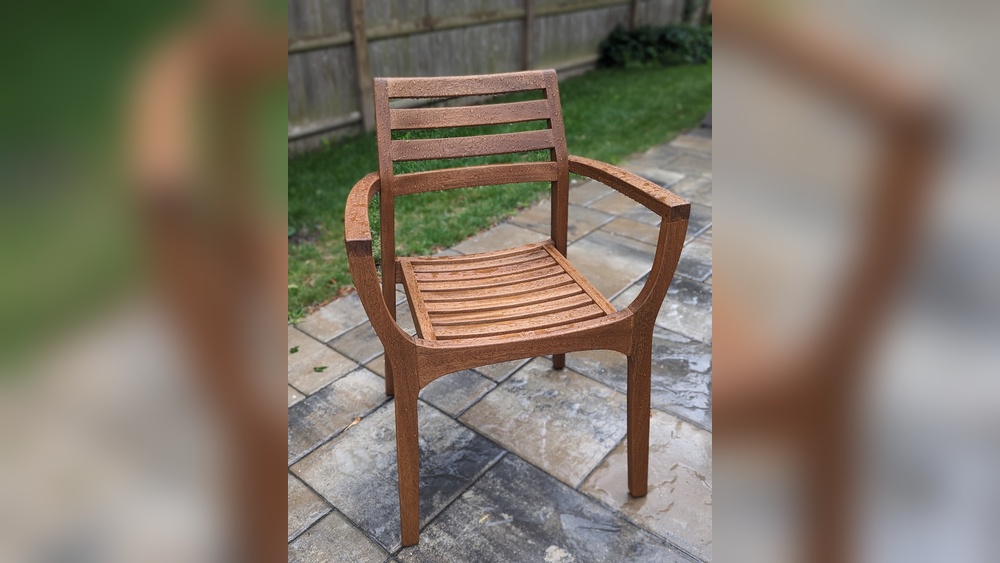
Are you wondering if mineral oil is the right choice to protect your outdoor wood furniture? You want your patio pieces to stay beautiful and last longer, but choosing the right treatment can be confusing.
Mineral oil is popular for indoor wood, but can it handle the challenges of sun, rain, and changing seasons outside? Keep reading to discover the surprising truth about mineral oil and how it could affect your outdoor wood furniture. By the end, you’ll know exactly what to use to keep your wood looking great year after year.
Benefits Of Mineral Oil For Wood
Mineral oil offers several benefits for outdoor wood furniture. It helps protect wood from damage and keeps it looking fresh. Applying mineral oil is simple and safe. This natural oil can extend the life of your wood pieces.
Moisture Protection
Mineral oil creates a barrier against water and moisture. It prevents wood from absorbing rain or dew. This stops the wood from swelling and cracking. Moisture protection helps maintain the wood’s strength outdoors.
Enhancing Wood Grain
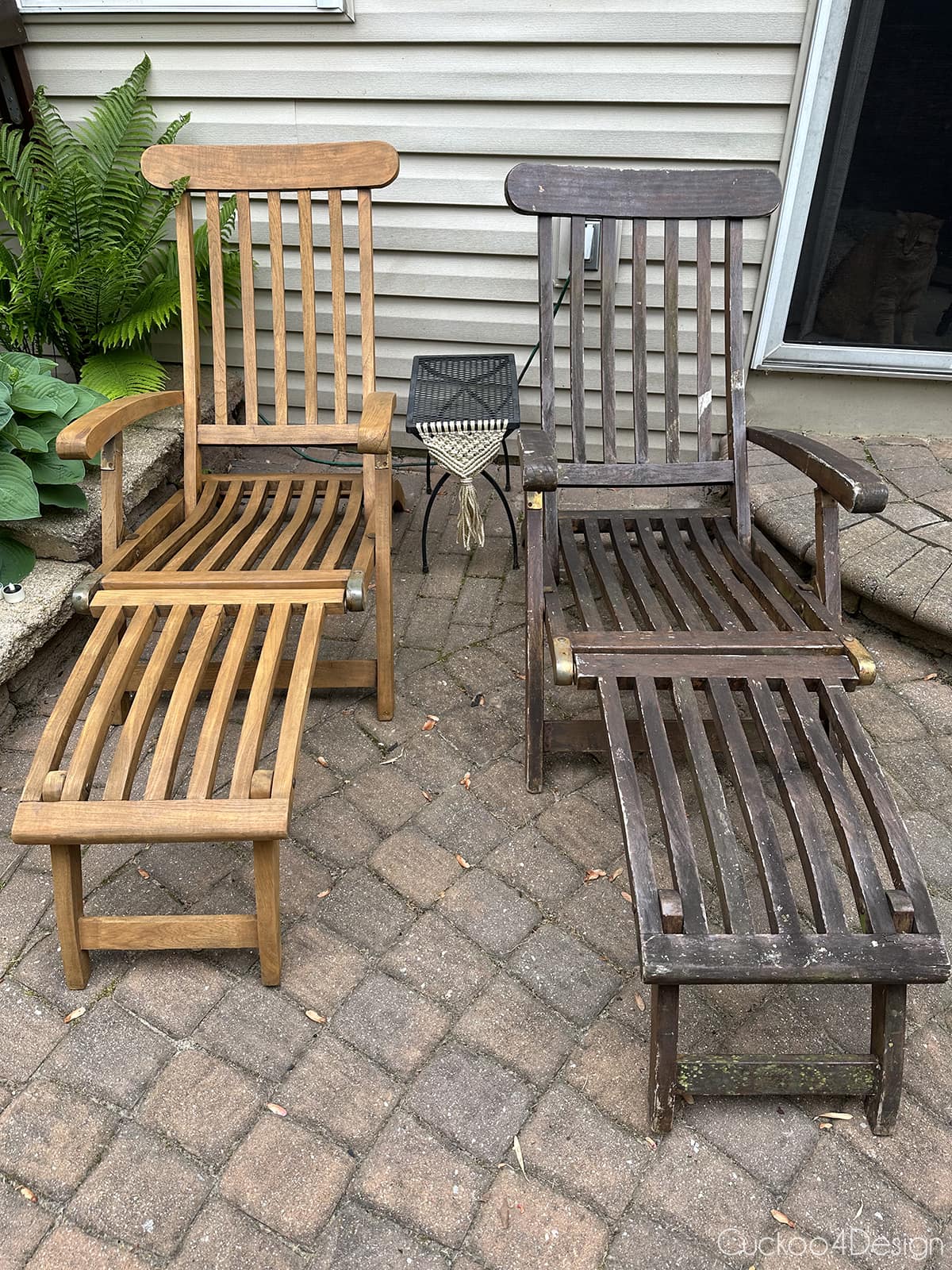
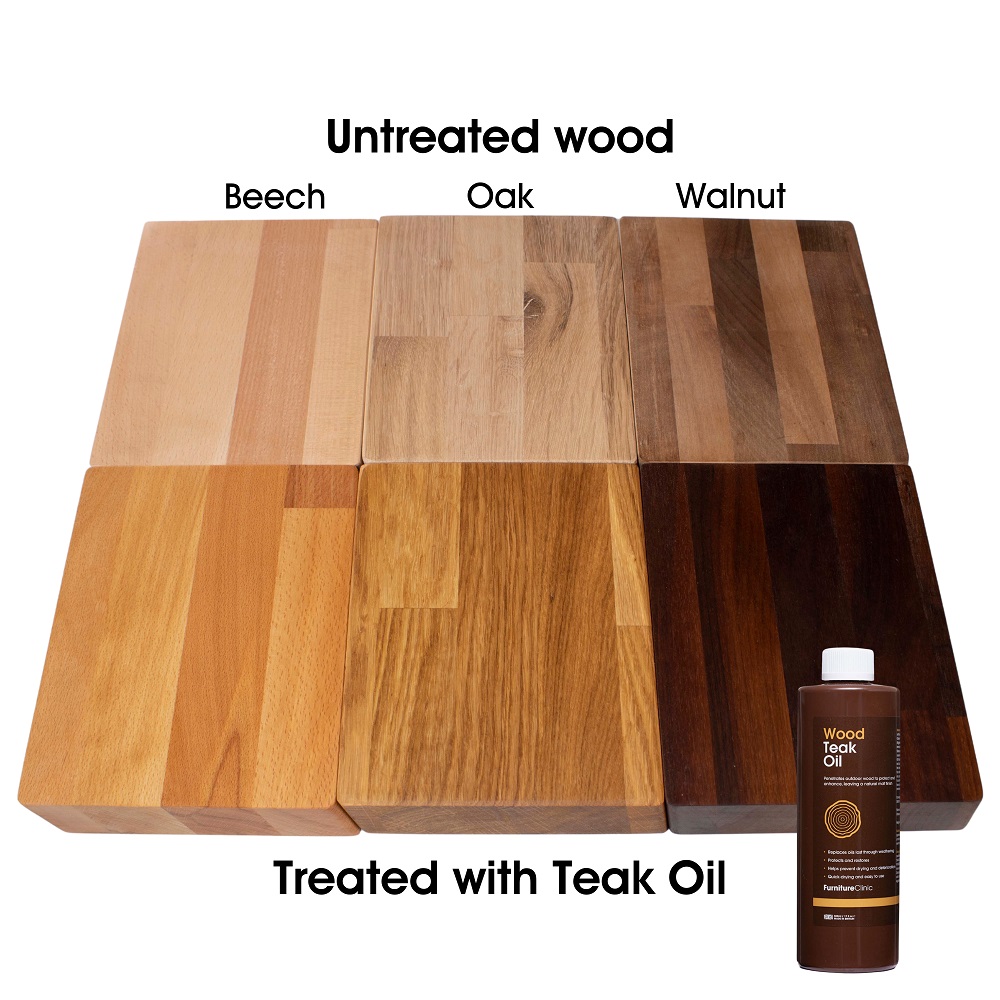
Applying mineral oil highlights the natural wood grain. It makes the colors deeper and richer. The oil brings out wood’s beauty without changing its texture. This makes outdoor furniture look more attractive and fresh.
Non-toxic Nature
Mineral oil is safe and non-toxic. It does not release harmful chemicals into the air. This makes it ideal for garden furniture and areas with children or pets. Using mineral oil keeps your outdoor space healthy and safe.
Credit: cuckoo4design.com
Limitations Of Mineral Oil Outdoors
Mineral oil has some limits when used on outdoor wood furniture. It can protect wood, but it does not last long outside. Understanding these limits helps you care for your furniture better.
Susceptibility To Weather
Mineral oil does not protect well against sun and rain. It soaks into the wood but does not form a hard barrier. Sunlight can dry out the oil quickly. Rain can wash it away. Wood may still crack or fade over time.
Frequent Reapplication Needed
Mineral oil wears off fast on outdoor furniture. You must apply it often to keep wood safe. This can mean every few weeks or months. Without regular oiling, wood loses moisture and looks dull. This makes maintenance time-consuming and costly.
Comparing Mineral Oil To Other Finishes
Mineral oil is a popular choice for wood care, especially for indoor furniture. Its use on outdoor wood furniture raises some questions. Comparing mineral oil to other finishes helps to understand its benefits and limits.
Outdoor wood needs strong protection against weather. Different finishes offer various levels of defense and appearance. Knowing the differences guides the best choice for your furniture.
Oils Vs. Sealants
Oils, like mineral oil, soak into the wood. They nourish the wood and keep it from drying out. Oils bring out the natural grain and color. They do not create a hard surface layer.
Sealants form a protective coat on the wood surface. They block moisture, dirt, and sunlight. Sealants often make wood shiny or matte. They prevent water from entering the wood more effectively than oils.
Mineral oil is easy to apply but needs frequent reapplication. Sealants last longer but require careful surface preparation. Oils allow the wood to breathe. Sealants create a barrier, sometimes trapping moisture inside.
Durability Factors
Outdoor wood faces rain, sun, wind, and temperature changes. Durability is key for any finish used outside. Mineral oil offers limited protection against these elements. It can wash away with rain or fade in sunlight.
Sealants provide stronger resistance to water and UV rays. They help prevent cracking, warping, and mold growth. Oil finishes need more frequent maintenance to remain effective. Sealants generally extend the life of outdoor wood furniture better than mineral oil.
Choosing a finish depends on how much care you can give. Mineral oil suits furniture with light outdoor exposure. Sealants work best for furniture fully exposed to the weather. Each finish has trade-offs in protection and upkeep.
Preparing Outdoor Wood For Mineral Oil
Preparing outdoor wood for mineral oil is an important step. Proper preparation helps the oil soak into the wood. It also makes the wood last longer and look better. The process starts with cleaning and then sanding the surface. These steps remove dirt and old finishes. They create a smooth surface for the oil to penetrate well.
Cleaning The Surface
Remove all dirt, dust, and debris from the wood first. Use a soft brush or cloth to wipe the surface. For stubborn dirt, use mild soap and water. Rinse well and let the wood dry completely. Clean wood absorbs mineral oil more evenly. Avoid using harsh chemicals that can damage the wood.
Sanding Tips
Sanding smooths the wood and opens its pores. Use fine-grit sandpaper for best results. Sand gently along the wood grain. Do not sand too hard or deep. Wipe away the sanding dust with a clean cloth. Sanding helps the mineral oil soak in better. It also improves the wood’s texture and appearance.
Applying Mineral Oil Correctly
Mineral oil can protect outdoor wood furniture from drying and cracking. Apply it evenly with a soft cloth, letting the wood absorb it. Reapply every few months to keep the wood looking fresh and strong.
Tools And Materials
Gather the right tools before starting. You will need mineral oil, a clean cloth, fine sandpaper, and gloves. Choose a soft cloth for easy application. Sandpaper helps smooth the wood surface. Gloves protect your hands from the oil.
Step-by-step Process
Begin by cleaning the wood. Remove dirt and dust with a dry cloth. Lightly sand the surface to open wood pores. Wipe away sanding dust thoroughly. Apply mineral oil generously with the cloth. Work the oil into the wood in circular motions. Let the oil soak for at least 15 minutes. Wipe off any extra oil with a clean cloth. Allow the wood to dry completely before use. Repeat the process every few months for best results.
Credit: www.furnitureclinic.co.uk
Maintaining Wood With Mineral Oil
Mineral oil is a popular choice for caring for outdoor wood furniture. It helps protect the wood from drying out and cracking. This oil soaks into the wood, keeping it strong and smooth. Regular care with mineral oil can extend the life of your outdoor furniture.
Applying mineral oil is simple, but knowing when to reapply is important. Proper maintenance keeps the wood looking fresh and prevents damage from weather.
Signs It Needs Reapplication
Check the wood surface often. If it looks dry or dull, it needs oil. Water should bead on the surface; if it soaks in quickly, reapply the oil. Cracks or rough spots also mean the wood needs more protection. Touch the wood—if it feels dry, it is time to oil again.
Seasonal Care Tips
Apply mineral oil before winter and summer. These seasons have harsh weather that can harm wood. Clean the furniture first using mild soap and water. Let it dry completely before oiling. Use a soft cloth to spread the oil evenly. Wipe off any extra oil after 20 minutes. Store furniture in a shaded area during extreme weather if possible.
Expert Alternatives For Outdoor Wood
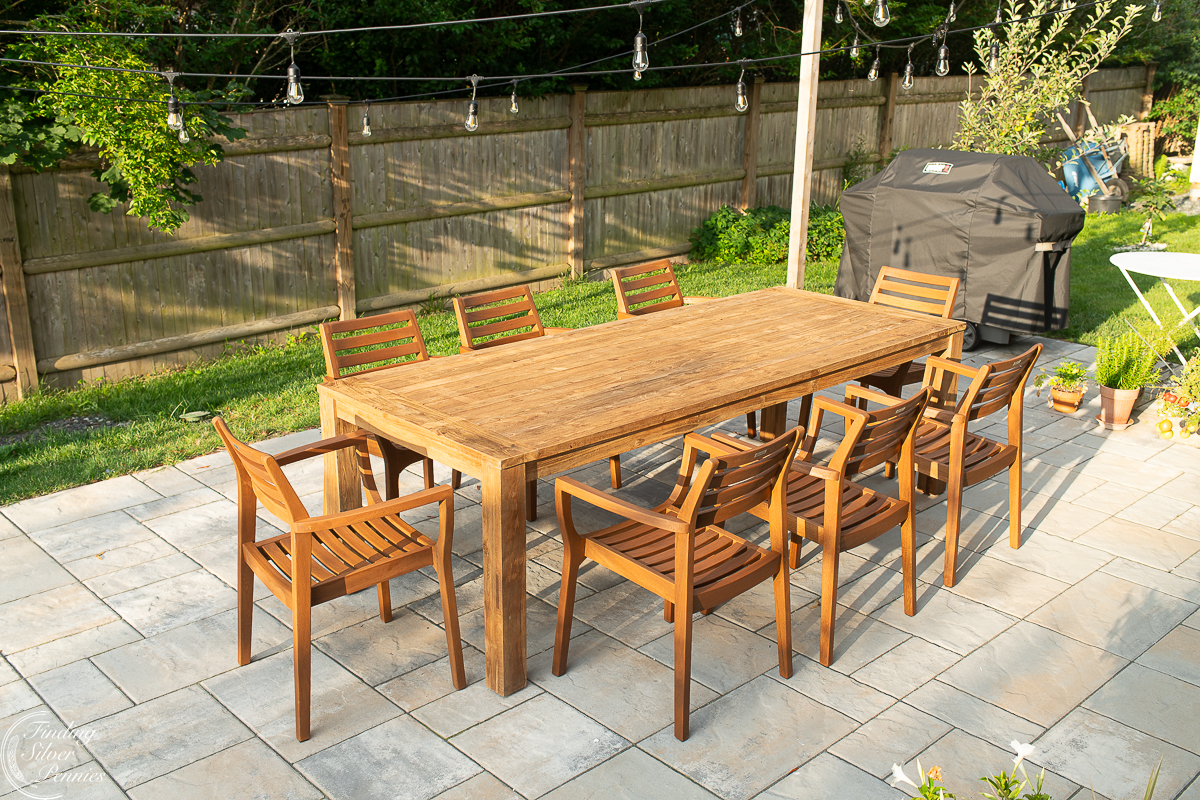
Mineral oil is common for wood care. But it does not protect outdoor wood well. Wood outside faces sun, rain, and wind. These need stronger protection. Experts suggest special oils and finishes. These keep wood safe and looking good longer.
These alternatives soak into wood. They stop water and dirt from causing damage. They also help wood stay flexible and avoid cracking. Choosing the right product can extend the life of outdoor furniture.
Tung Oil
Tung oil comes from tung tree nuts. It penetrates deep into wood pores. This oil hardens when it dries. It forms a water-resistant layer. Tung oil protects wood from rain and sun. It also brings out the natural wood color. This oil is good for many outdoor woods.
Teak Oil
Teak oil is made for dense woods like teak. It mixes oils and varnishes. This blend gives strong protection. Teak oil keeps wood from drying out. It stops sun damage and water stains. Use it often to keep wood healthy. Teak oil is easy to apply with a cloth.
Exterior Varnishes
Exterior varnishes create a hard outer shell. This shell blocks water and UV rays. Varnishes come in glossy or matte finishes. They add shine and color to wood. Applying varnish needs clean, dry wood. It may require several layers. Varnish is perfect for long-term outdoor use.
Credit: www.findingsilverpennies.com
Frequently Asked Questions
Can Mineral Oil Protect Outdoor Wood Furniture?
Mineral oil penetrates wood, providing temporary moisture resistance. However, it does not offer long-term protection against weather elements or UV damage.
Is Mineral Oil Safe For Outdoor Wood Use?
Mineral oil is non-toxic and safe for wood. Yet, it may attract dirt and requires frequent reapplication outdoors.
How Often Should Mineral Oil Be Applied Outdoors?
Apply mineral oil every 1-3 months on outdoor furniture. Frequent application maintains wood hydration but does not prevent weathering.
Does Mineral Oil Enhance Outdoor Wood Appearance?
Yes, mineral oil enriches wood grain and adds a subtle sheen. This improves the furniture’s natural look temporarily.
Conclusion
Mineral oil can protect outdoor wood but has limits. It keeps wood from drying out and cracking. Still, it does not stop water or sun damage well. For best results, combine mineral oil with other sealants. Regular reapplication is needed to maintain wood’s look.
Choose the right treatment based on your furniture type and weather. Care and attention help wood last longer outside. Try simple treatments first and watch your furniture stay beautiful.