Are you wondering if it’s okay to leave your outdoor furniture cushions outside? You’re not alone.
Those soft cushions add comfort and style to your patio, but they can also be vulnerable to weather damage. Leaving them out in the rain or harsh sun might seem convenient, but it could lead to mold, fading, or fabric wear.
If you want your cushions to stay fresh and last longer, it’s important to know when to keep them outside and when to bring them in. Keep reading, and you’ll discover simple, effective tips to protect your cushions—so your outdoor space always looks inviting and ready for relaxation.
Outdoor Cushion Durability
Outdoor furniture cushions can face short-term weather changes like light rain or dew. Many cushions are made with weather-resistant fabrics that handle brief wetness well. Still, even short exposures require care to keep cushions fresh and lasting longer.
Proper handling after small weather events helps prevent mold and damage. Letting cushions dry quickly is key. Quick drying stops moisture from soaking deep into the fabric or foam.
Handling Light Rain
Most outdoor cushions resist light rain without harm. After rain, pick up cushions and shake them gently. This removes excess water trapped inside. Avoid pressing or squeezing too hard to protect the filling.
Place cushions upright on edges to help air reach all sides. This method lets moisture escape faster than laying them flat.
Drying Techniques
Set cushions in direct sunlight if possible. Sunlight naturally kills some mold spores and speeds drying. Avoid placing cushions on damp surfaces.
Airflow is important. Use a fan or open space to move air around cushions. Avoid storing cushions while still damp to prevent mildew growth.
Short-term Weather Exposure
Leaving outdoor furniture cushions outside for a long time can cause many problems. These cushions face harsh weather conditions like rain, sun, and humidity. Such exposure harms the cushions and reduces their lifespan. Knowing the risks helps protect your investment and keeps your outdoor space looking fresh.
Mold And Mildew Development
Outdoor cushions often stay damp from rain or dew. Moisture trapped inside cushions creates the perfect place for mold and mildew to grow. Mold can cause unpleasant smells and stains that are hard to remove. Mildew weakens the cushion fabric and filling, making them less comfortable and less durable. These fungi can also trigger allergies and health problems for people using the furniture.
Fabric Damage And Fading
Sun exposure breaks down the fabric fibers over time. UV rays cause colors to fade, leaving cushions dull and worn out. The fabric may become brittle and start to crack or tear. Rain and moisture worsen this damage by weakening the materials. Constant exposure to weather elements lowers the cushion’s strength and appearance. Protecting cushions from sun and rain keeps their fabric vibrant and intact longer.
Risks Of Prolonged Exposure
Protecting outdoor furniture cushions extends their life and keeps them looking fresh. Using the right protection strategies helps prevent damage from rain, sun, and dirt. Simple steps can save you money and effort on replacements.
Choosing proper covers and storage options matters the most. These methods shield cushions from moisture and harmful UV rays. They also keep cushions clean and dry during bad weather.
Using Waterproof Covers
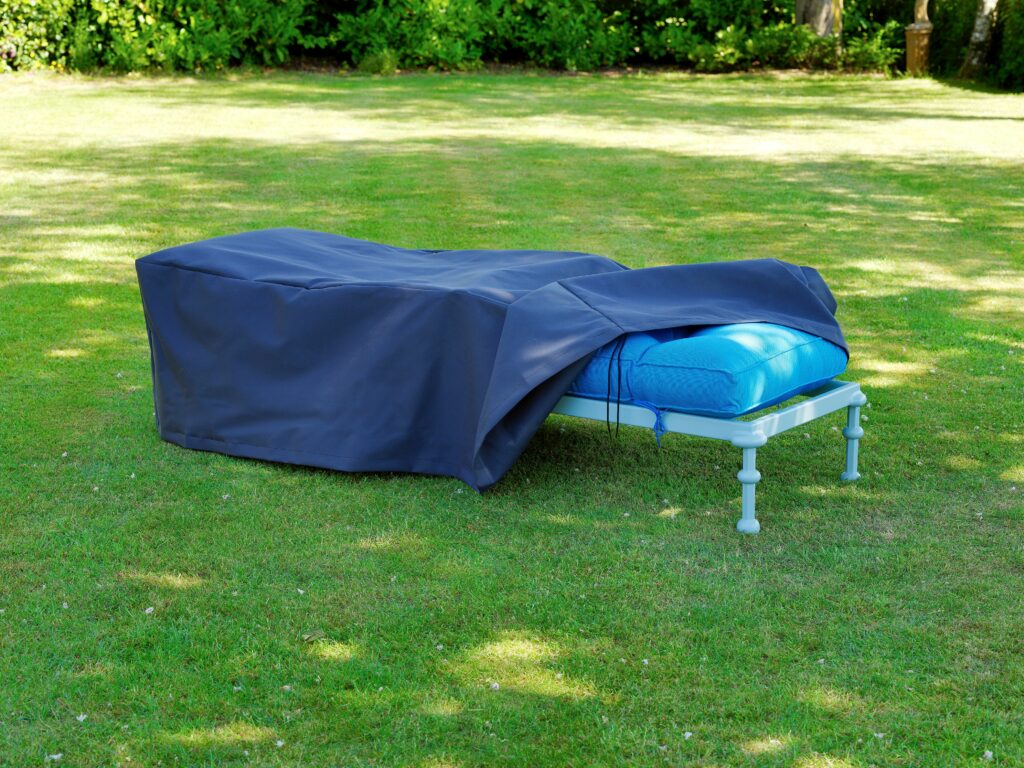
Waterproof covers create a strong barrier against rain and moisture. They prevent water from soaking into the cushions. Covers made from durable materials last through many seasons.
Choose covers that fit snugly over your cushions. Secure them tightly with straps or elastic edges. This stops wind from blowing covers off.
Regularly check covers for tears or holes. Repair small damages quickly to keep cushions safe. Remove the covers on sunny days to let cushions breathe.
Best Storage Options
Storing cushions properly protects them from rain, dirt, and sun. Use a dry, covered place like a shed, garage, or storage box. A deck box is ideal for outdoor use.
Keep cushions off the ground to avoid moisture buildup. Stack them loosely to allow air circulation. Avoid tight plastic bags, which trap moisture and cause mold.
During winter or long breaks, store cushions indoors. This prevents damage from harsh cold and ice. Clean cushions before storing to remove dirt and prevent stains.

Credit: armadillosun.com
Protection Strategies
Winter can be tough on outdoor furniture cushions. Cold temperatures, moisture, and snow can cause damage. Proper storage helps keep cushions in good shape for years. Follow these simple winter storage tips to protect your investment.
Indoor Storage Benefits
Storing cushions indoors protects them from harsh weather. It keeps them dry and safe from mold and mildew. Cushions last longer when kept in a climate-controlled space. Indoor storage also prevents fabric fading from sun exposure. A dry, cool area like a basement or closet works well. This method reduces the need for frequent cleaning and repairs.
Preparing Cushions For Off-season
Before storing cushions, clean them thoroughly. Remove dirt, dust, and stains using mild soap and water. Let cushions dry completely to avoid mold growth. Use a soft brush to remove debris from seams and crevices. Consider applying a fabric protector for added defense. Store cushions in breathable bags or containers to allow airflow. Avoid plastic bags that trap moisture. Label the storage containers for easy access next season.
Winter Storage Tips
Choosing the right cushions depends on your local weather. Outdoor cushions face sun, rain, wind, and humidity. Picking the right materials helps cushions last longer and stay comfortable.
Consider how much rain or sun your area gets. Cushions that work well in dry climates might not hold up in wet ones. Knowing your climate helps you find the best cushions.
Material Recommendations For Rainy Areas
In rainy areas, water-resistant cushions are a smart choice. Look for fabrics like solution-dyed acrylic and polyester. These materials dry quickly and resist mold growth.
Foam inside cushions should be quick-drying and resistant to mildew. Open-cell foam or foam with drainage holes works well. Avoid cushions that hold water inside.
Always use cushion covers that protect from moisture. Removable covers are easier to clean and dry after rain.
Uv Protection Features
Sun protection keeps cushions from fading and breaking down. Choose fabrics with UV inhibitors to block harmful rays. This extends cushion life and keeps colors bright.
Look for cushions labeled as UV-resistant. These withstand long sun exposure without losing strength. UV protection also reduces fabric cracking and wear.
Regularly clean cushions to remove dirt and oils that reduce UV protection. Store cushions in shade when not in use to reduce sun damage.

Credit: armadillosun.com
Credit: www.oxleys.com
Frequently Asked Questions
Is It Okay To Leave Outdoor Furniture Cushions Outside In The Rain?
Outdoor cushions can handle light rain but should not stay wet long. Prolonged exposure causes mold and damage. Shake off water, air dry, or store indoors during heavy rain. Use waterproof covers or deck boxes to protect cushions and extend their life.
Can You Leave Outdoor Furniture Cushions Outside In The Winter?
Do not leave outdoor furniture cushions outside in winter. Prolonged moisture causes mold, mildew, and fabric damage. Store cushions indoors or in waterproof containers to extend their life and keep them clean. Use protective covers if storing outside temporarily.
How Do You Store Outdoor Cushions Outside?
Store outdoor cushions in a dry, shaded area or use waterproof covers. Shake off water and air-dry cushions regularly. During heavy rain or winter, keep cushions indoors or in a deck box to prevent mold and fabric damage.
Can Sunbrella Cushions Be Left Out In The Rain?
Sunbrella cushions resist light rain but should not stay wet long. Prolonged rain causes mold and fabric damage. Dry cushions promptly or store them indoors during heavy rain for best care.
Conclusion
Outdoor cushions can handle brief rain but not long wet spells. Mold and mildew form if cushions stay damp too long. Always dry cushions quickly by shaking off water and airing them well. Use covers or store cushions indoors during heavy rain or winter.
Keeping cushions dry helps them last longer and stay comfortable. Simple care prevents damage and keeps your outdoor space inviting.