Are you staring at your old bedroom furniture, wondering if it’s time for a fresh new look? You might be surprised to learn that painting your worn-out pieces could be the easiest and most affordable way to breathe new life into your space.
Imagine transforming that tired dresser or nightstand into a stylish focal point without spending a fortune. But can you really paint old bedroom furniture? Keep reading, and you’ll discover simple tips and tricks that will help you turn your dated furniture into something you’ll love again.
Your next room makeover is closer than you think!
Credit: noticethelittlethings.com
Benefits Of Painting Old Furniture
Painting old bedroom furniture brings many advantages. It can refresh tired pieces and make them look new. This simple change can brighten your room and add charm. Painting lets you express your style and creativity. It also helps you save money and protect the environment. Let’s explore the key benefits of painting old furniture.
Cost-effective Makeover
Painting old furniture costs much less than buying new items. You only need paint, brushes, and some supplies. This option saves money while giving your furniture a fresh look. It avoids the high price of new bedroom sets. A little effort can create a big change without spending too much.
Personalized Style
Painting lets you choose colors that match your taste. You can pick bold or soft shades to fit your room. This way, your furniture becomes unique and special. You control the final look and feel of your space. Personal touches make your bedroom more inviting and cozy.
Eco-friendly Choice
Painting old furniture reduces waste and helps the planet. It keeps pieces out of landfills and lowers the demand for new products. Using leftover paint or eco-friendly options makes this choice greener. You help protect natural resources by reusing what you have.
Credit: www.confessionsofaserialdiyer.com
Choosing The Right Paint
Choosing the right paint for old bedroom furniture is key to a successful makeover. The paint affects how the furniture looks and how long it lasts. Different paints work better on wood, metal, or laminate surfaces. It is important to pick the paint that suits your furniture type and desired style.
Types Of Paint For Furniture
Latex paint is water-based and easy to clean. It dries fast and has low odor. It is good for most wood furniture. Oil-based paint is stronger and more durable. It creates a smooth, hard finish but takes longer to dry. Chalk paint gives a matte, vintage look. It needs less prep work and sticks well to old surfaces. Spray paint offers quick coverage and smooth results. It works well on detailed furniture but needs good ventilation.
Finish Options
Matte finish hides imperfections and looks soft. It is less shiny and more natural. Satin finish has a gentle shine and feels smooth. It is easy to clean and popular for bedrooms. Semi-gloss finish is shiny and more durable. It resists stains and moisture well. Gloss finish is very shiny and reflects light. It is strong but shows imperfections easily.
Color Selection Tips
Choose colors that match your room’s style and mood. Light colors make small rooms feel bigger. Dark colors add warmth and richness. Neutral tones blend with many decor styles. Bright colors create a bold statement. Test paint samples on small furniture areas first. See how colors look in different lighting. Pick colors you will enjoy for years.
Preparing Furniture For Painting
Preparing old bedroom furniture for painting is the key to a smooth and lasting finish. This step helps the paint stick better and look fresh. Proper preparation also protects the furniture from damage over time.
Each stage of preparation matters. Skipping any can cause problems later. Start with cleaning, then repair any damage. Finish with priming to seal the surface.
Cleaning And Sanding
Start by cleaning the furniture well. Use a mild soap and water solution. Remove dust, dirt, and grease. Dry the surface completely before sanding.
Sanding smooths out old paint and rough spots. Use medium-grit sandpaper for best results. Sand in the direction of the wood grain. Wipe away dust with a clean cloth.
Repairing Damages
Check the furniture for cracks, holes, or dents. Use wood filler to fix small damages. Apply the filler with a putty knife. Let it dry fully, then sand smooth. This step ensures a flat and even surface.
Priming Essentials
Apply a primer to prepare the surface for paint. Primer helps paint stick and prevents peeling. Use a primer suitable for wood furniture. Spread a thin, even coat with a brush or roller. Allow it to dry completely before painting.
Painting Techniques
Choosing the right painting technique can make old bedroom furniture look fresh and new. Different methods suit different types of furniture and finishes. The right approach helps the paint last longer and look better.
Brush Vs. Spray
Brush painting gives more control and works well on detailed furniture. It helps reach corners and grooves easily. Spraying covers large areas quickly and creates a smooth finish. It requires careful setup and protection for nearby surfaces. Both methods can produce good results with proper preparation.
Layering And Drying
Apply paint in thin, even layers for a clean finish. Thick layers may drip or take longer to dry. Wait for each layer to dry completely before adding the next. This prevents smudging and uneven texture. Patience during drying improves the final look.
Avoiding Common Mistakes
Start with clean, sanded furniture to help paint stick well. Skip thick layers and avoid rushing the drying time. Protect floors and walls from paint splashes. Use primer if the wood is dark or damaged. These steps prevent peeling and uneven color.
Creative Finishing Touches
Creative finishing touches bring old bedroom furniture back to life. They add personality and style. These details make a simple painted piece stand out. Small changes create a big impact. Let’s explore some popular finishing ideas that suit all skill levels.
Distressing And Antiquing
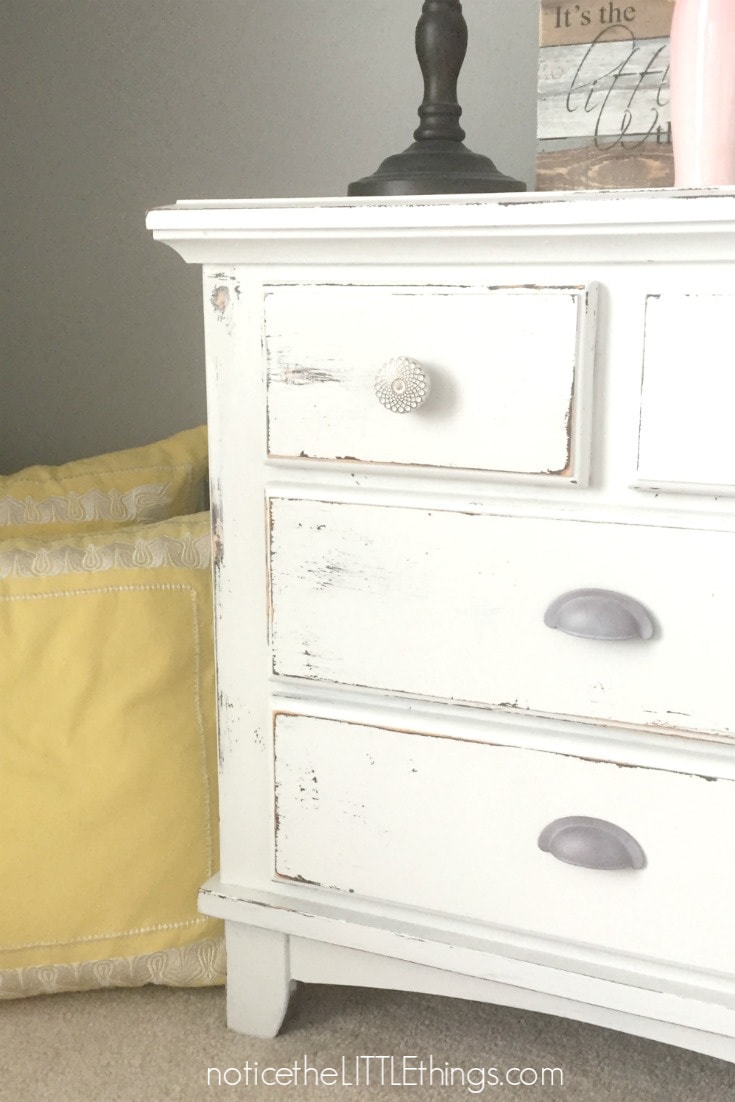
Distressing gives furniture a worn, vintage look. You can sand edges lightly after painting. This reveals the wood or previous paint layers underneath. Antiquing adds an aged effect using glaze or dark wax. Apply it in corners and crevices to create depth. These methods add charm and character to plain pieces.
Adding Stencils Or Patterns
Stencils create unique designs on furniture surfaces. Choose simple shapes like flowers or geometric forms. Paint over the stencil for clean, crisp patterns. Patterns add interest without overwhelming the piece. You can also use painter’s tape to make stripes or grids. This technique personalizes your furniture beautifully.
Sealing For Durability
Sealing protects your painted furniture from scratches and spills. Use a clear polyurethane or wax finish. Polyurethane is tough and water-resistant. Wax offers a soft, matte look but needs reapplying. Always seal after painting and decorating. It keeps your work lasting longer and looking fresh.
Maintaining Painted Furniture
Painting old bedroom furniture gives it new life and style. To keep your painted pieces looking fresh, proper care is key. Maintaining painted furniture helps it stay beautiful for years. Small daily actions protect the paint and finish.
Cleaning Tips
Dust your furniture often with a soft cloth. Avoid rough materials that can scratch the paint. Use mild soap and water for cleaning. Wipe gently and dry immediately to stop water damage. Stay away from harsh chemicals that may strip paint.
Touch-up Advice
Keep some leftover paint for quick repairs. Fill small chips or scratches with a fine brush. Match the paint color carefully for a smooth fix. Allow the touch-up to dry fully before use. Regular touch-ups keep furniture looking new longer.
Protecting Surfaces
Use coasters and mats to prevent stains and marks. Avoid placing hot or wet items directly on painted wood. Apply a clear protective finish for extra durability. This finish blocks scratches and moisture. Protecting surfaces reduces wear and tear daily.
Inspiring Before And After Ideas
Old bedroom furniture holds a special charm, but it can look tired. A fresh coat of paint can transform the entire room. Seeing real examples helps spark ideas for your own makeover.
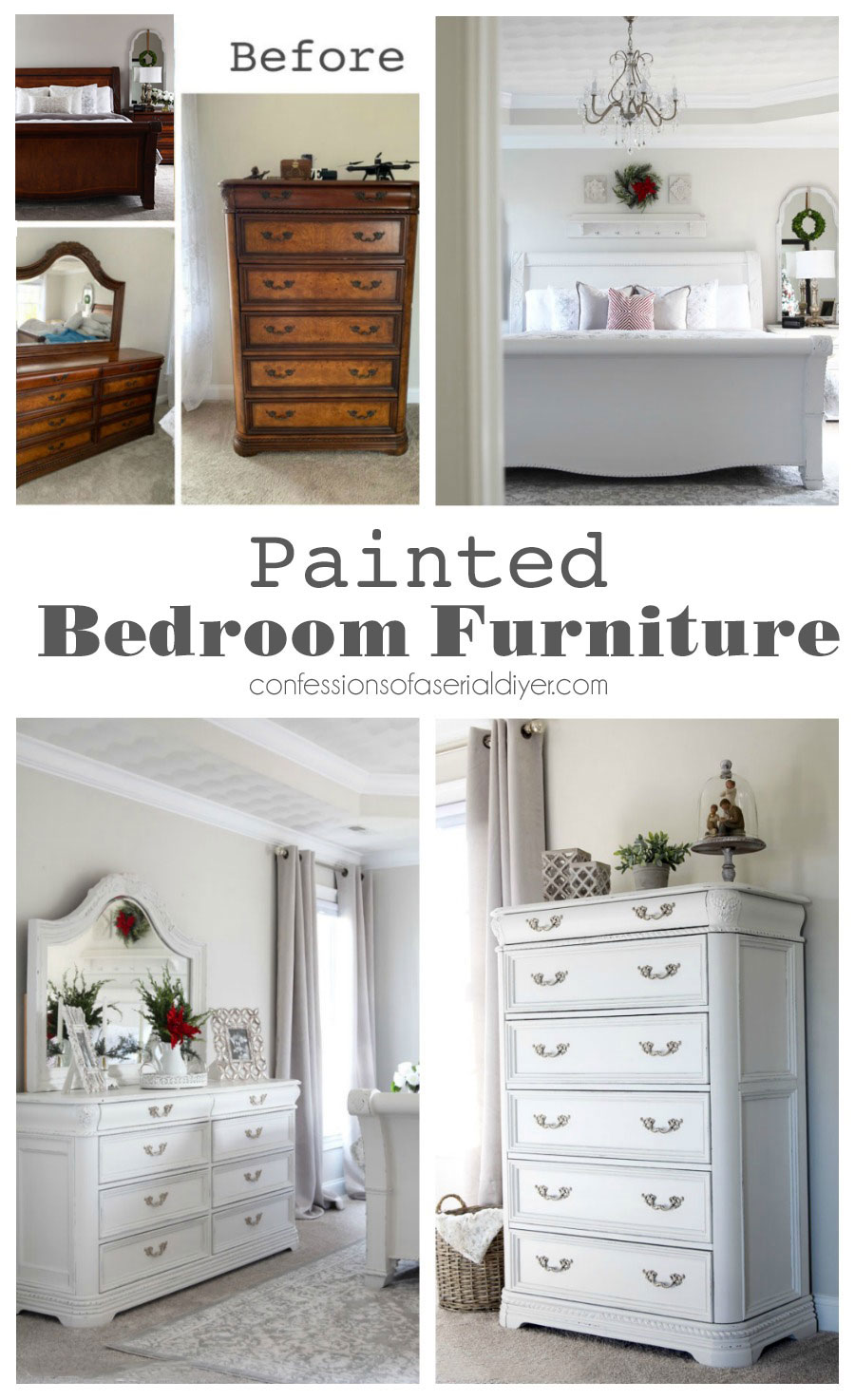
Below are inspiring before and after ideas that show the power of paint. These examples prove old pieces can look new and stylish.
Bedroom Sets
Painting an entire bedroom set creates a unified look. Light colors can brighten a dark room instantly. Dark shades add a cozy, modern feel. Mixing colors on drawers and dressers can add a fun twist. Sanding and priming ensure smooth paint and lasting results.
Accent Pieces
Small pieces like nightstands or chairs are perfect for bold colors. A bright blue or green can become a room’s focal point. Painting just the legs or edges adds subtle style. These touches make a big impact without much effort.
Diy Success Stories
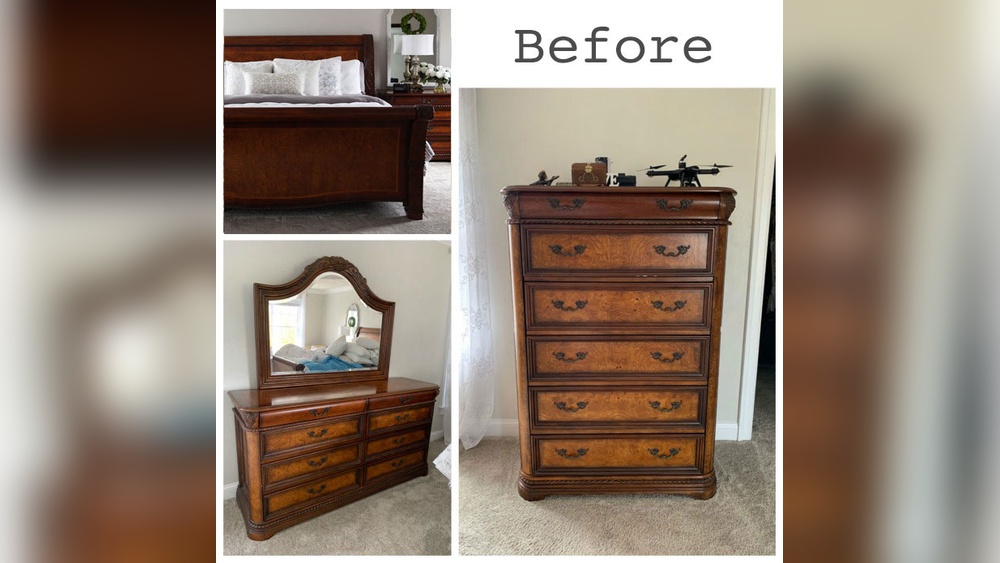
Many people have shared their painting journeys online. One person turned a scratched dresser into a sleek white piece. Another painted a worn bed frame pastel pink for a soft look. These stories show anyone can refresh furniture with paint and patience.
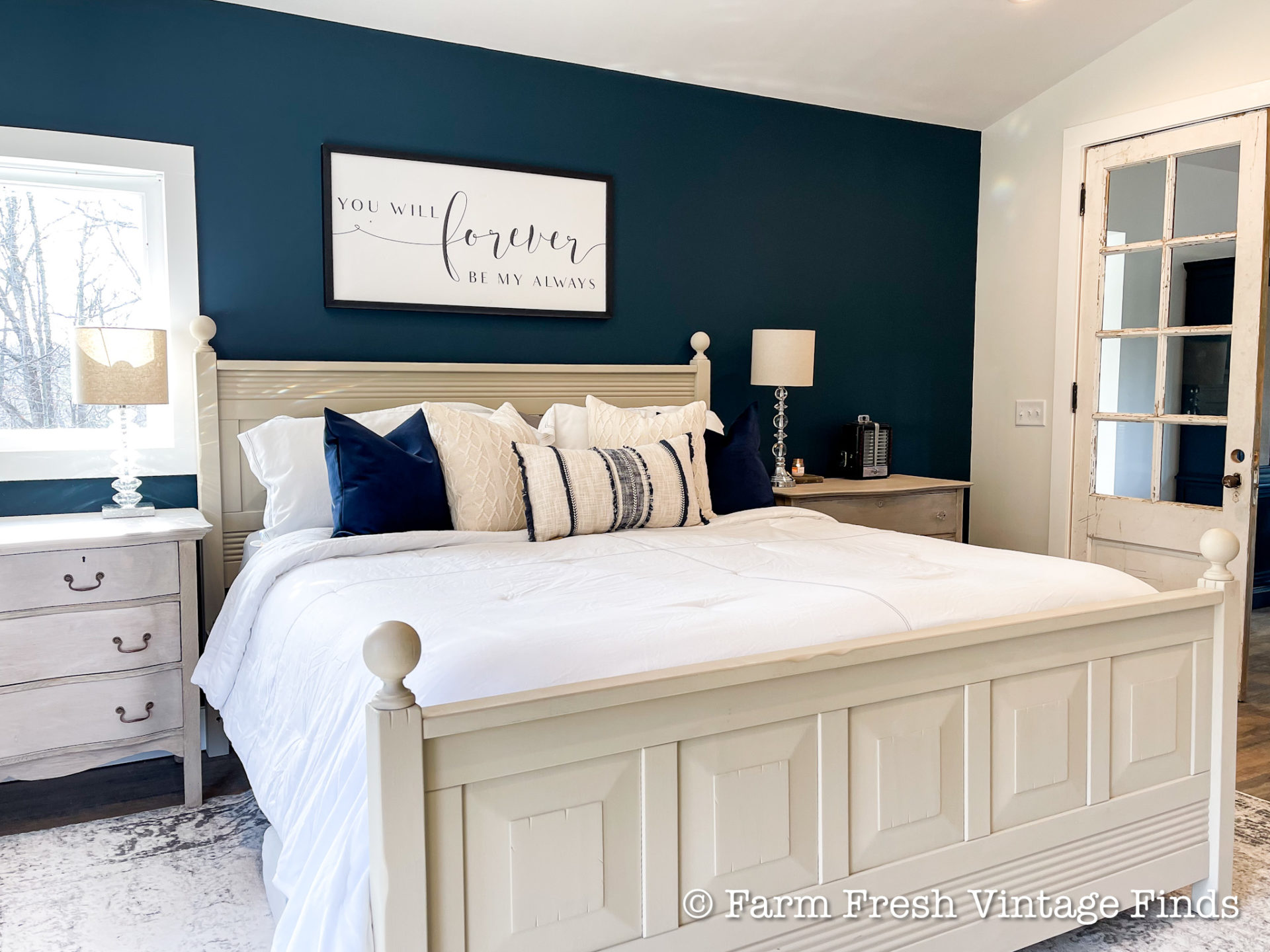
Credit: farmfreshvintagefinds.com
Frequently Asked Questions
Can You Paint Old Bedroom Furniture For A Fresh Look?
Yes, painting old bedroom furniture is a great way to refresh its appearance. Proper preparation like cleaning and sanding is essential. Use suitable primer and paint for lasting results. This process can transform outdated pieces into stylish, personalized décor.
What Type Of Paint Works Best On Old Furniture?
Latex or chalk paint works best on old furniture due to easy application. Chalk paint offers a matte, vintage look without much prep. Latex paint provides a durable, smooth finish. Both require primer to ensure paint adhesion and longevity.
How Do You Prepare Old Furniture Before Painting?
Start by cleaning the furniture to remove dirt and grease. Sand the surface to smooth rough areas and remove old finish. Apply a primer to help paint stick and prevent peeling. Proper prep ensures a professional, long-lasting paint job.
Is It Necessary To Sand Old Furniture Before Painting?
Yes, sanding old furniture is necessary to create a smooth, even surface. It removes old paint and rough spots, improving paint adhesion. Sanding also helps to avoid peeling and chipping, ensuring your paint job lasts longer.
Conclusion
Painting old bedroom furniture can refresh your space quickly. It costs less than buying new pieces. You can choose colors that match your style easily. Preparation is key for a smooth finish and lasting results. Small cracks or dents do not stop you from painting.
With patience, your old furniture can look like new. It’s a fun way to express creativity and care for your home. So, give your bedroom a fresh look with a simple paint job.