Are you wondering how to protect your outdoor furniture and keep it looking great year-round? Tung oil might be the answer you’re looking for.
But can you really use tung oil on outdoor furniture? This simple, natural oil has some powerful benefits, but there are important things you need to know before applying it outside. Keep reading to discover how tung oil works, what makes it a good—or not so good—choice for your patio pieces, and how to get the best results if you decide to use it.
Your outdoor furniture deserves the right care, and by the end of this article, you’ll have the confidence to make the best decision for your space.

Credit: www.thisoldhouse.com
Why Choose Tung Oil
Tung oil is a popular choice for outdoor furniture. It offers many benefits that protect and enhance wood. Understanding why tung oil stands out helps you make the right decision for your furniture care.
Natural Waterproofing Qualities
Tung oil naturally repels water. It soaks deep into the wood pores. This creates a barrier that stops water from soaking in. This helps prevent wood from swelling and cracking. The oil forms a flexible, protective layer on the surface. This layer keeps moisture out but lets the wood breathe.
Durability Against Elements
Tung oil resists damage from sunlight and rain. It does not peel or crack easily. This makes it ideal for outdoor use. The oil protects wood from harsh weather conditions. It also guards against mold and mildew growth. Regular applications keep furniture looking good longer.
Eco-friendly Benefits
Tung oil is a natural product made from tung tree seeds. It contains no harmful chemicals or toxins. This makes it safe for people and pets. It is biodegradable and does not pollute the environment. Using tung oil supports sustainable and green living choices.

Credit: www.amazon.com
Preparing Outdoor Furniture
Preparing outdoor furniture for tung oil treatment is important for good results. Proper preparation helps the oil soak in evenly. It also protects the wood and extends the furniture’s life. Taking time to clean, sand, and repair ensures the best finish and durability.
Cleaning And Sanding
Start by cleaning the furniture thoroughly. Remove dirt, dust, and old finishes. Use a mild soap and water solution. Let the furniture dry completely before sanding. Sand the wood surface with fine-grit sandpaper. This opens the wood pores for better oil absorption. Wipe away sanding dust with a clean cloth.
Choosing The Right Wood Types
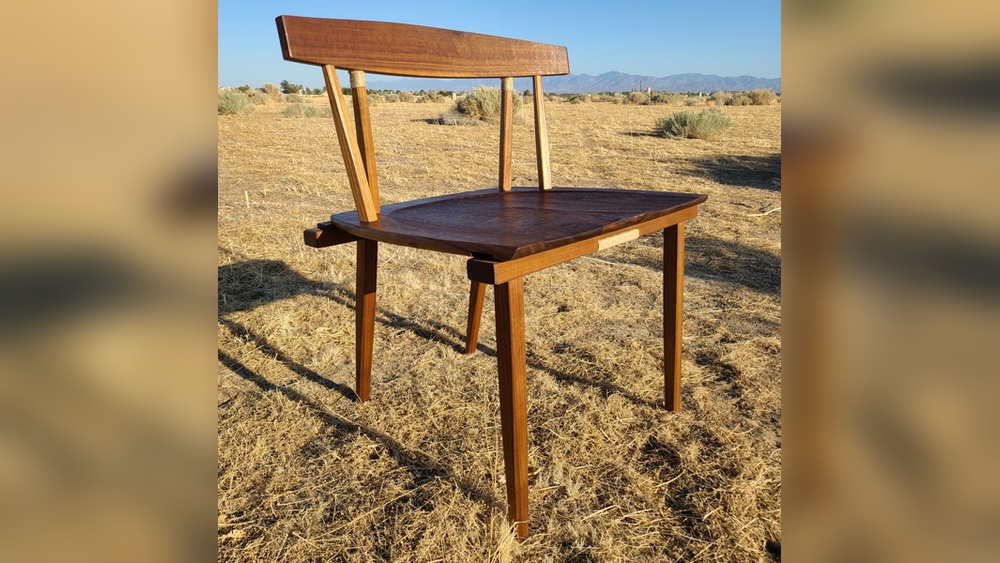
Tung oil works best on hardwoods like teak, oak, and mahogany. These woods absorb oil well and resist weather damage. Softwoods like pine need extra care before oiling. Avoid using tung oil on painted or sealed surfaces. The oil cannot penetrate those coatings properly.
Repairing Damages Before Application
Inspect the furniture for cracks, splinters, or loose joints. Fix small cracks with wood filler. Sand the filled areas smooth once dry. Tighten screws and glue loose parts firmly. Repairing damages first ensures a smooth, lasting finish. It also prevents further wood deterioration.
Applying Tung Oil Outdoors
Tung oil works well on outdoor furniture by protecting wood from water and sun damage. It soaks in deeply, keeping wood strong and natural-looking. Regular reapplication keeps furniture safe and beautiful over time.
Tools And Materials Needed
Gather all tools before starting. You need pure tung oil, a clean cloth or brush, sandpaper, and gloves. Choose a lint-free cloth or a soft-bristle brush for smooth application. Sandpaper with fine grit helps prepare the wood surface. Gloves protect your hands from oil stains. Have a clean workspace outdoors or in a well-ventilated area.
Step-by-step Application Process
Begin by sanding the furniture surface lightly. Remove dust with a dry cloth. Apply a thin layer of tung oil using your cloth or brush. Rub the oil gently into the wood, following the grain. Let the oil soak for about 20 minutes. Wipe off any excess oil with a clean cloth. Repeat this process 3 to 4 times for best protection. Each layer strengthens the wood and enhances its natural beauty.
Drying And Curing Time
Allow tung oil to dry at least 24 hours between coats. Avoid touching or using the furniture during this time. Full curing takes about 7 days. During curing, the oil hardens and forms a durable finish. Keep the furniture in a dry, shaded spot while drying. This prevents dust and dirt from sticking to the surface. Proper drying ensures long-lasting protection for outdoor furniture.
Maintenance For Longevity
Using tung oil on outdoor furniture adds a rich, natural finish. To keep that beauty for years, proper care is essential. Simple maintenance steps help protect the wood and extend its life. Regular attention prevents damage from dirt, moisture, and sunlight.
Regular Cleaning Tips
Clean your furniture often with a soft brush or cloth. Use mild soap and water to remove dirt. Avoid harsh chemicals that can strip the oil finish. Rinse well and dry with a towel to stop moisture buildup. Keeping the surface clean helps the tung oil last longer.
Reapplying Tung Oil
Reapply tung oil every one to two years for best results. Lightly sand the surface before applying to remove old, worn oil. Use a clean cloth to spread the oil evenly. Let it soak in for 15 to 20 minutes, then wipe off excess. This process refreshes the wood and maintains water resistance.
Protecting From Harsh Weather
Cover furniture during heavy rain or snow to prevent damage. Place furniture in shaded areas to reduce sun fading. Use breathable covers to avoid trapping moisture underneath. Proper protection lowers the risk of cracking and peeling. This care helps tung oil keep furniture looking great outdoors.
Comparing Tung Oil With Other Finishes
Choosing the right finish for outdoor furniture affects its look and durability. Tung oil is popular for wood protection. Comparing it with other finishes helps decide the best option for your furniture.
Each finish has unique qualities. Understanding these can guide you to a finish that suits your needs and budget.
Tung Oil Vs. Linseed Oil
Tung oil is water-resistant and forms a hard finish. Linseed oil soaks into wood but is less water-resistant. Tung oil dries faster and protects better against weather. Linseed oil needs more layers and time to dry. Tung oil gives a natural, matte look. Linseed oil may darken wood more.
Tung Oil Vs. Varnishes
Varnishes create a hard, shiny surface on wood. Tung oil soaks into wood, keeping its natural feel. Varnishes offer strong protection against scratches and UV rays. Tung oil is easier to apply and repair. Varnishes can crack or peel over time. Tung oil needs reapplication but does not peel.
Cost And Effectiveness
Tung oil tends to cost more than linseed oil but less than some varnishes. It offers good durability for outdoor use. Linseed oil is cheaper but less protective. Varnishes may cost more and need professional application. Tung oil balances cost with effectiveness, making it a good choice for many.
Common Mistakes To Avoid
Using tung oil on outdoor furniture can protect wood beautifully. Yet, some common mistakes can spoil the results. Avoid these errors to keep your furniture looking great and lasting longer. Understanding these pitfalls helps you apply tung oil correctly and safely.
Applying Too Thickly
Applying tung oil too thickly slows drying time. Thick layers stay sticky and attract dirt. It can also cause uneven finish and peeling later. Use thin, even coats instead. Let each layer dry before adding another. This method ensures smooth, durable protection.
Ignoring Weather Conditions
Weather affects how tung oil dries and cures. Avoid applying oil on rainy or very humid days. Direct sunlight and high heat can dry oil too fast. This causes cracks or blotches on the wood. Choose mild, dry days for best results. Ideal temperature is between 60°F and 80°F.
Skipping Surface Preparation
Clean and dry wood absorbs tung oil better. Dirt, dust, or old finishes block oil penetration. Sand the surface lightly to open wood pores. Remove all dust before applying oil. Proper prep helps tung oil soak in deeply and last longer. Skipping this step weakens the finish and protection.
Credit: www.furnitureclinic.com
Frequently Asked Questions
Can Tung Oil Protect Outdoor Furniture?
Yes, Tung oil provides a water-resistant, protective layer ideal for outdoor furniture. It penetrates wood deeply, enhancing durability and preventing moisture damage.
How Often Should You Reapply Tung Oil Outside?
Reapply Tung oil every 1-2 years outdoors. Weather exposure breaks down the finish, so regular maintenance keeps furniture protected and looking fresh.
Is Tung Oil Safe For Outdoor Wooden Furniture?
Tung oil is natural and non-toxic, making it safe for outdoor wooden furniture. It enhances wood’s natural beauty without harmful chemicals.
Can Tung Oil Withstand Harsh Weather Conditions?
Tung oil offers moderate protection against harsh weather but may need frequent reapplication in extreme climates to maintain its protective qualities.
Conclusion
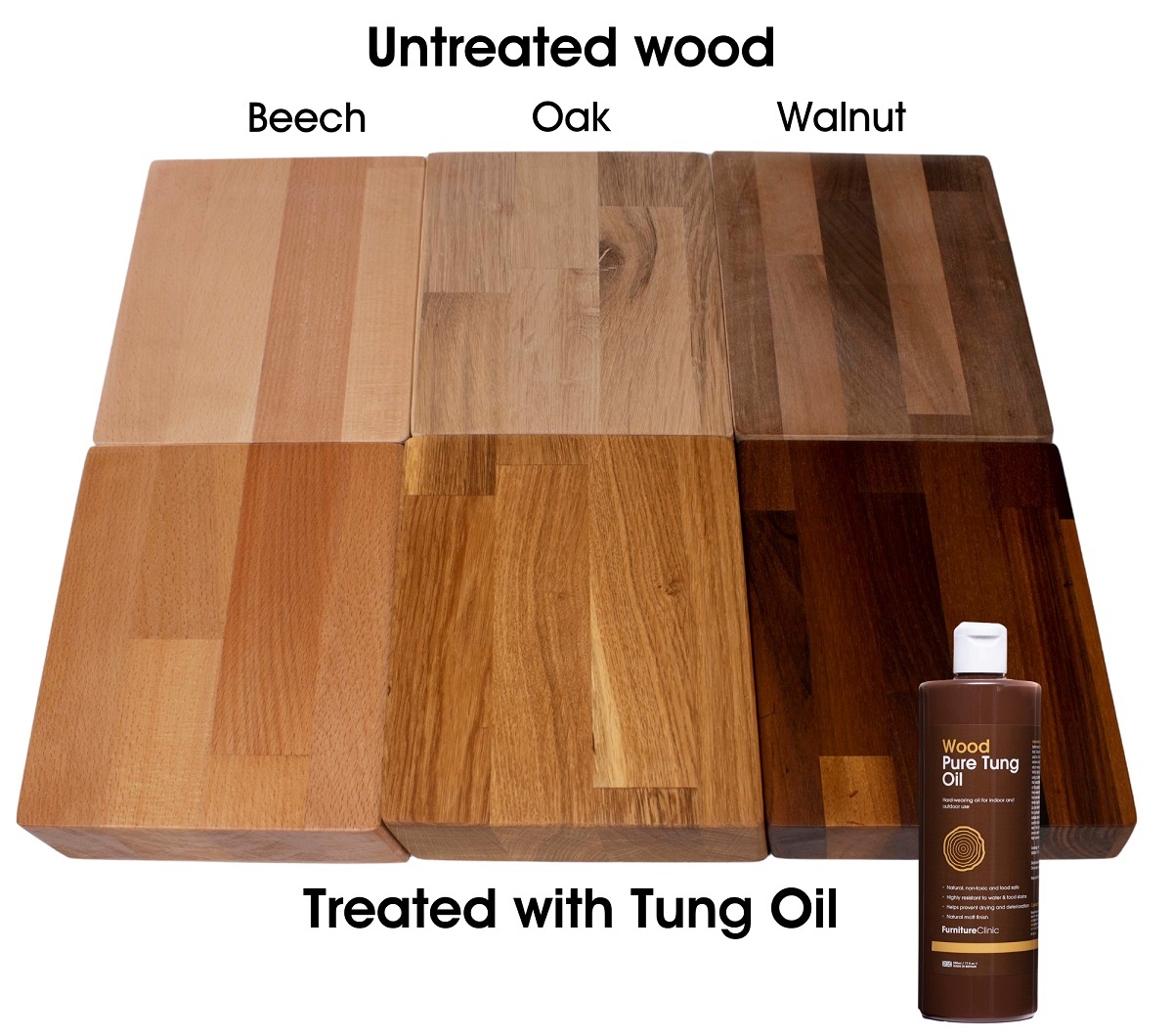
Tung oil works well for outdoor furniture protection. It soaks deep into the wood, creating a water-resistant layer. This helps guard against rain, sun, and dirt. Regular application keeps furniture looking fresh and strong. It also brings out the natural wood color beautifully.
Remember to clean the surface before applying tung oil. Let each coat dry fully for the best result. With proper care, tung oil extends the life of your outdoor pieces. A simple and natural choice for wood protection. Worth trying for anyone who loves outdoor furniture.