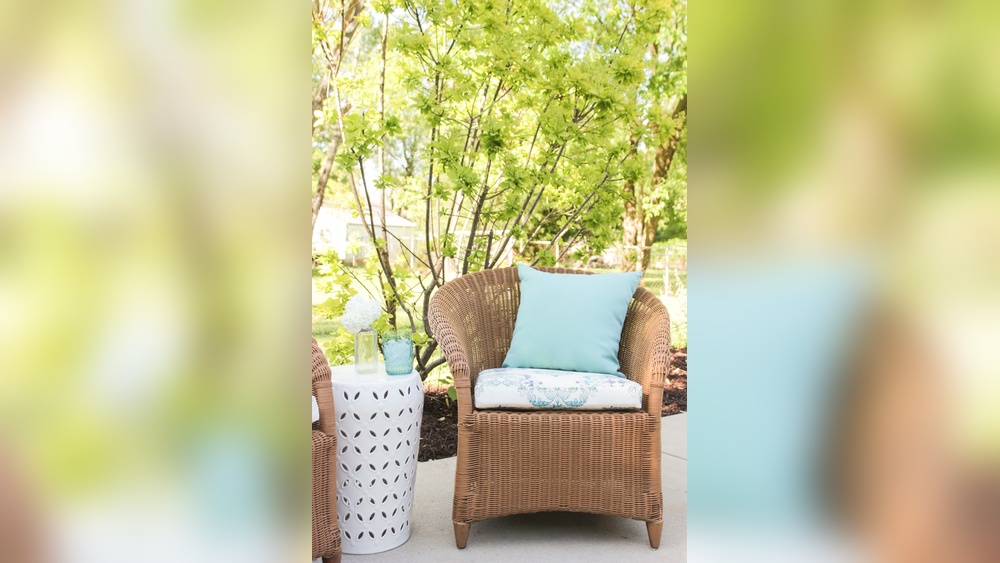
Are you wondering if you can paint over stained outdoor furniture to give it a fresh new look? Maybe your patio set has seen better days, and you want to know if painting over the stain is the right move.
It’s a common question, and the answer might surprise you. Whether you want to save money, protect your furniture, or change its color, understanding how paint and stain work together is key. Keep reading, because what you learn here could save you time, effort, and frustration—and help your outdoor space shine like new.
Weather Effects On Outdoor Furniture
Outdoor furniture faces many challenges from weather. Rain, sun, wind, and cold can harm wood and other materials. These effects change the look and strength of furniture over time. Understanding weather effects helps keep outdoor furniture in good shape longer.
Common Weather Damage
Rain causes wood to swell and crack. Water can lead to mold and mildew growth. Sunlight fades colors and dries wood, making it brittle. Strong winds can scratch or move furniture. Cold weather can cause wood to shrink and split. These damages reduce the furniture’s life and beauty.
Impact On Stained Surfaces
Stained wood absorbs weather effects more deeply. Stain can peel or wear off under harsh sun. Rainwater can wash away stain, exposing bare wood. Fading makes stained surfaces look old and dull. Cracks in the wood allow moisture to enter, causing decay. Protecting stained furniture needs regular care and attention.
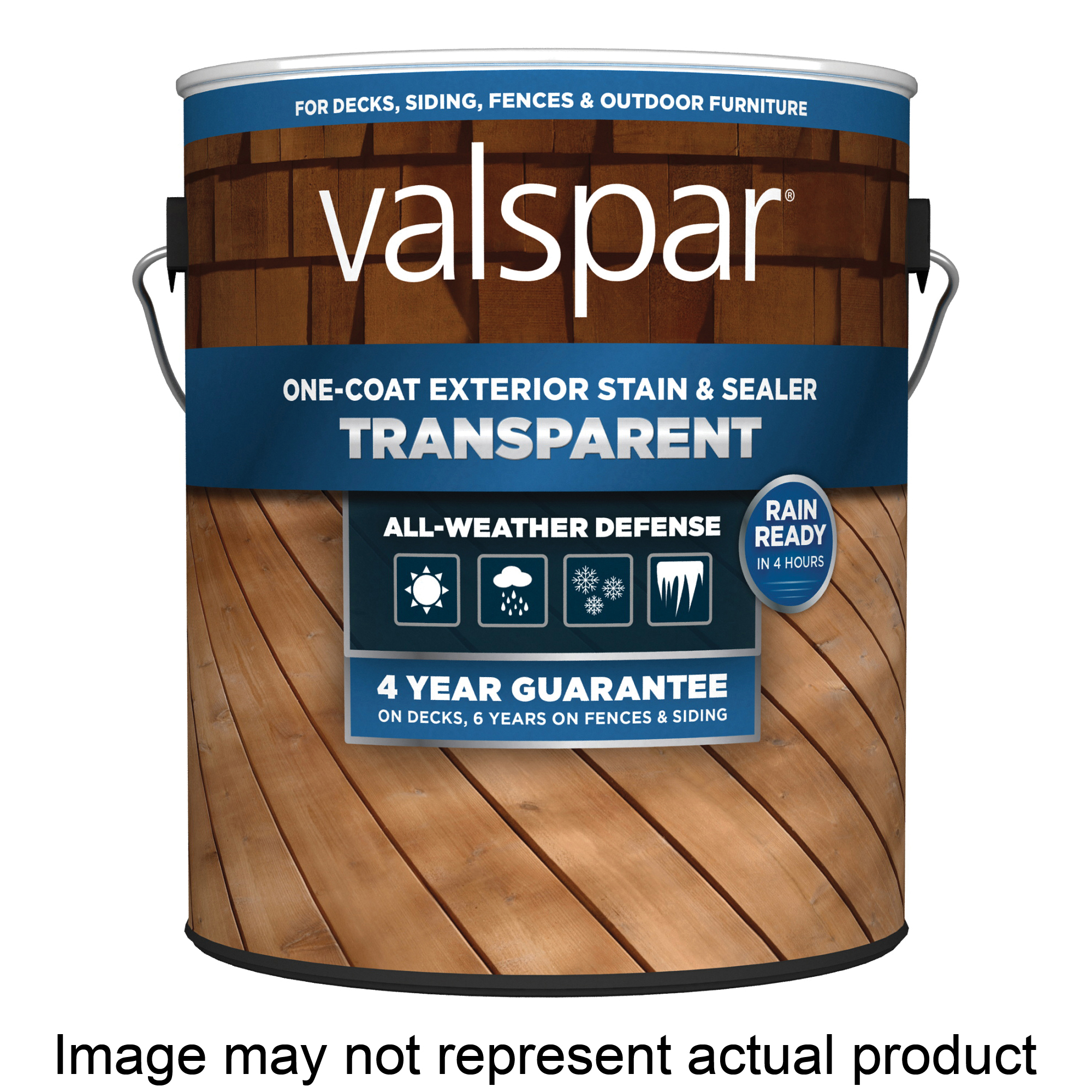
Credit: www.outdoorsupplyhardware.com
Challenges Of Painting Over Stained Wood
Painting over stained wood can be tricky. The wood already has a layer that affects how paint sticks and looks. This makes the process different from painting bare wood. Many factors can cause problems that affect the final result.
These challenges can cause paint to peel, look uneven, or not last long. Understanding these issues helps to prepare and get better results. Below are two main problems to watch for when painting over stained outdoor furniture.
Adhesion Issues
Stained wood has a smooth, sealed surface. Paint struggles to stick well on this type of surface. Without good adhesion, the paint may peel or chip quickly. The stain blocks the paint from bonding with the wood fibers. Roughening the surface with sanding helps paint grip better. Using a primer made for stained wood also improves adhesion and durability.
Color And Finish Concerns
The stain color can show through the paint. This can change the paint’s true color and finish. Dark stains may need more paint coats to cover fully. Thin or glossy paints may not hide the stain well. Choosing the right paint type and applying enough layers can fix this. Testing a small area first is a smart step before painting the whole piece.
Preparing Stained Furniture For Paint
Preparing stained outdoor furniture for paint is key to a smooth and lasting finish. Stain and paint have different bases, so direct painting often leads to peeling or uneven coverage. Proper preparation helps the paint stick well and protects your furniture from weather damage.
Start with cleaning to remove dirt and oils. Next, sanding creates a rough surface for better paint grip. Finally, the right primer seals the wood and improves paint adhesion. Each step builds a strong foundation for your paint job.
Cleaning Techniques
First, wash the furniture with mild soap and water. Use a soft brush to scrub gently. Remove all dirt, grease, and mildew spots. Rinse well and let the furniture dry completely. Clean surfaces help the paint stick better and last longer.
Sanding And Surface Prep
Use medium-grit sandpaper to sand the stained wood. Sand until the surface feels rough and smooth at the same time. This removes the glossy finish and opens the wood pores. After sanding, wipe away dust with a damp cloth. Proper sanding is essential for strong paint adhesion.
Choosing The Right Primer
Select a primer made for stained wood and outdoor use. Oil-based or shellac primers work well over stain. They block any remaining stain from bleeding through the paint. Apply primer evenly and let it dry fully before painting. The right primer ensures a long-lasting and vibrant finish.
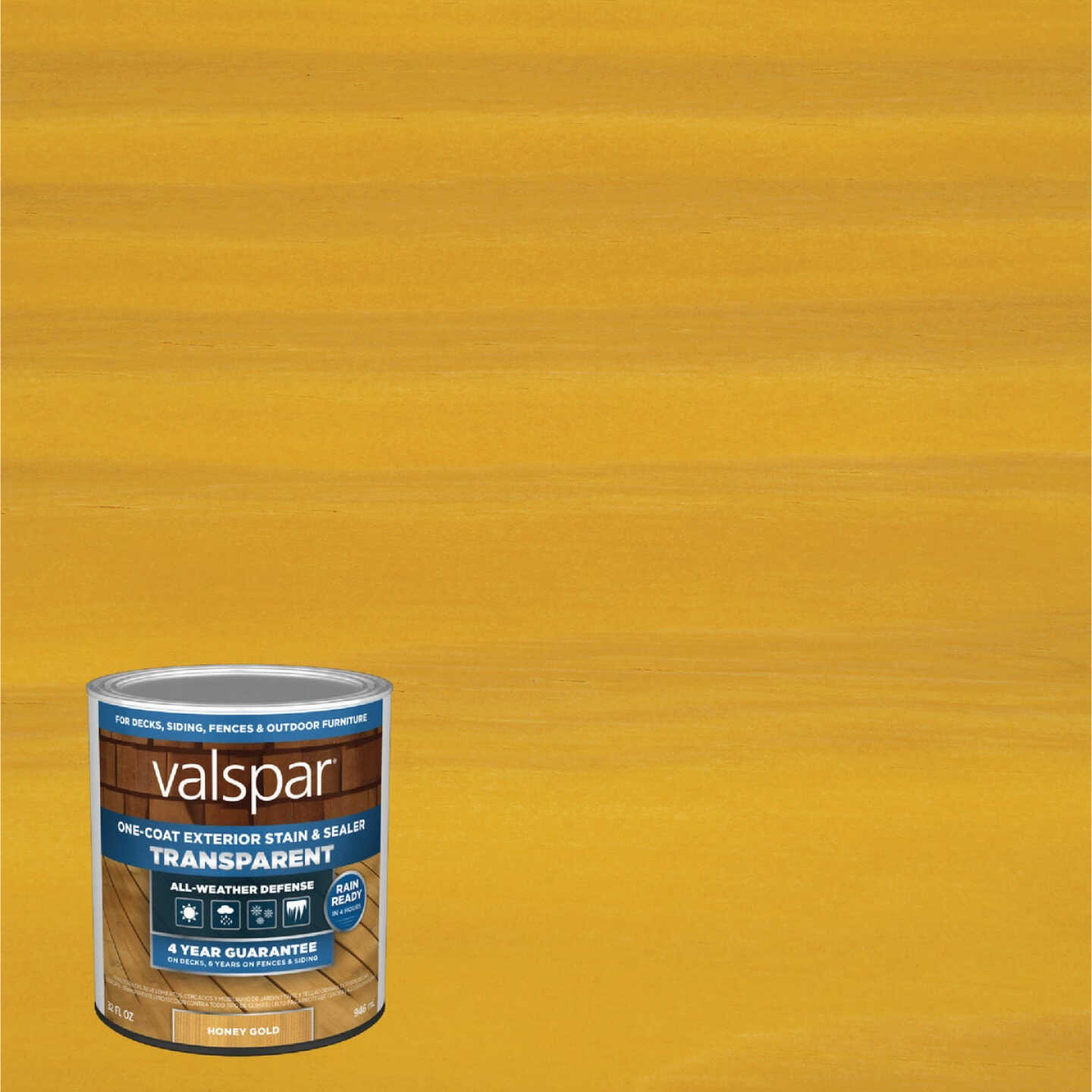
Credit: www.stoneshc.com
Best Paint Types For Outdoor Use
Choosing the right paint for outdoor furniture is key to lasting beauty. Outdoor paint must handle sun, rain, and temperature changes. The best paints protect wood and keep colors bright. Understanding paint types helps you pick the perfect one for stained furniture.
Some paints stick better over stain. Others resist cracking or peeling. Knowing paint properties will save time and money. Let’s explore the best paint types for outdoor use.
Oil-based Vs. Latex Paint
Oil-based paints are thick and strong. They create a hard, shiny surface. These paints seal well over stains and block moisture. Oil paints take longer to dry but last long outside.
Latex paints dry quickly and clean up with water. They stay flexible and resist cracking. Latex paint breathes, which helps wood stay healthy. It works well on outdoor furniture with stain, but may need more coats.
Durability And Weather Resistance
Durability matters for outdoor furniture. Paint must stand up to sun, rain, and cold. Oil-based paints resist water and wear better over time. They handle harsh weather well but can yellow in sunlight.
Latex paints resist fading and stay bright longer. They handle heat and cold without cracking. Quality latex paints include UV protection. Both paint types need a good primer for best weather resistance.
Step-by-step Painting Process
Painting over stained outdoor furniture requires care and the right steps. Following a clear process helps the paint stick well and last longer. This section explains each step of the painting process. It guides you from preparing the surface to sealing the paint for protection.
Applying Primer
Start by cleaning the furniture thoroughly. Remove dirt and dust with soap and water. Let it dry completely before painting. Apply a primer designed for outdoor use. Primer helps paint stick better and covers the stain underneath. Use a brush or roller for even coverage. Let the primer dry fully according to the label instructions.
Painting Tips
Choose paint made for outdoor furniture. Use thin coats of paint to avoid drips. Allow each coat to dry before adding the next. Use smooth, even strokes for a clean finish. Paint in a well-ventilated area. Avoid painting in direct sunlight or very cold weather. These conditions affect how the paint dries and lasts.
Sealing For Protection
After the paint dries, apply a clear sealer. The sealer protects against weather, sun, and moisture. Use a sealer made for outdoor painted surfaces. Apply it evenly with a brush or spray. Let the sealer dry completely before using the furniture. This step extends the life of your paint job and keeps the furniture looking fresh.
Maintenance Tips For Painted Outdoor Furniture
Maintaining painted outdoor furniture keeps it looking fresh and lasts longer. Proper care protects the paint from weather damage. Regular cleaning and small repairs are key to preserving the finish. Simple steps help avoid big problems later.
Follow these tips to keep your painted outdoor furniture in top shape.
Cleaning Painted Surfaces
Use a soft brush or cloth to remove dirt gently. Avoid harsh chemicals that can damage the paint. Mix mild soap with water for safe cleaning. Rinse with clean water and dry thoroughly. Clean the furniture regularly to prevent buildup.
Touch-up And Repair
Check painted surfaces often for chips or cracks. Lightly sand damaged areas before repainting. Use matching outdoor paint for touch-ups. Apply thin layers and let each dry fully. Small repairs stop further peeling or rust.
Alternatives To Painting Stained Furniture
Painting stained outdoor furniture is not the only option to refresh its look. Many alternatives protect and enhance the wood without covering its natural beauty. These methods keep the furniture strong and attractive over time. Explore simple ways to care for your stained outdoor pieces.
Restaining Options
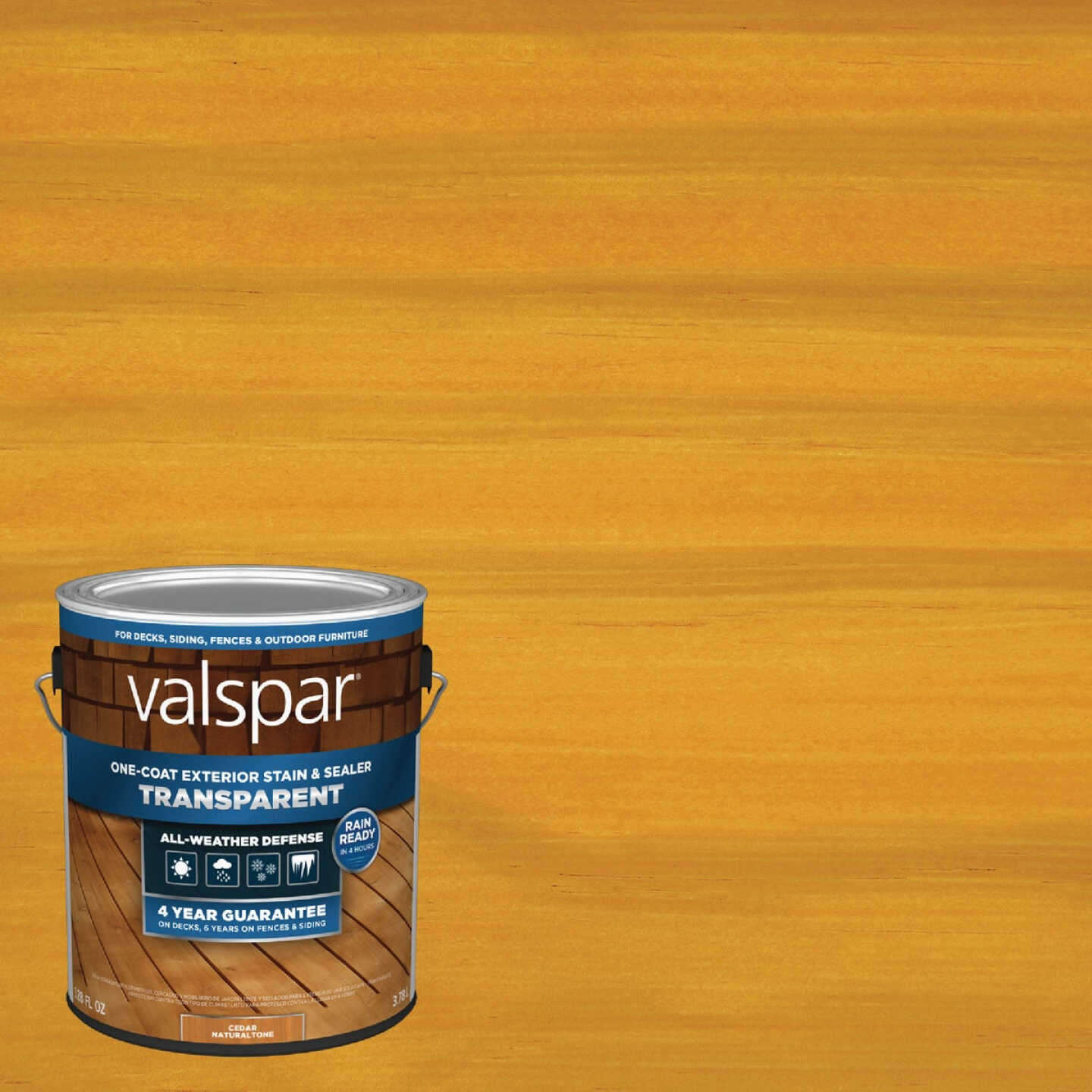
Restaining is a great way to refresh stained furniture. It brings back the original color and protects the wood. Choose a stain made for outdoor use. Clean the furniture well before applying. Use a brush or cloth to spread the stain evenly. Allow it to dry fully. This method keeps the wood’s natural texture visible. It also adds a protective layer against weather damage.
Using Outdoor Furniture Covers
Covers shield furniture from sun, rain, and dirt. They prevent fading and wear on stained surfaces. Use covers made from waterproof and breathable materials. They fit snugly to avoid wind damage. Covers are easy to remove and clean. This option saves time and effort. It also helps keep furniture looking new longer.
Credit: www.stoneshc.com
Frequently Asked Questions
Can You Paint Directly Over Stained Outdoor Furniture?
No, you should not paint directly over stain. The stain needs to be sealed or sanded first. This ensures paint adhesion and durability outdoors. Proper surface preparation prevents peeling and extends the life of your paint job.
What Type Of Paint Works Best On Stained Outdoor Wood?
Use exterior acrylic latex paint for stained outdoor wood. It offers excellent durability and weather resistance. This paint type adheres well and protects wood from moisture and UV damage. Avoid oil-based paints as they may not bond properly with stain.
How Long Should Stain Cure Before Painting Over It?
Allow stain to cure for at least 24-48 hours before painting. This ensures moisture evaporation and proper adhesion of paint. Applying paint too soon can cause bubbling or peeling. Always check the stain manufacturer’s instructions for exact drying times.
Is Weather-resistant Paint Necessary For Outdoor Furniture?
Yes, weather-resistant paint is essential for outdoor furniture. It protects against sun, rain, and temperature changes. This paint type prevents fading, cracking, and peeling. Using weather-resistant paint extends the furniture’s lifespan and keeps it looking fresh.
Conclusion
Weather painting over stained outdoor furniture can work with proper preparation. Clean and sand the surface well before applying paint. Choose paint made for outdoor use to resist sun and rain. Stains and paint do not always stick well together.
Testing a small area first helps avoid peeling later. Good care keeps your furniture looking fresh longer. This simple step can save time and money. Protect your investment with the right products and methods. Your outdoor space will look neat and inviting all year.