Are you looking to give your outdoor furniture a fresh, stylish look without spending a fortune? Whitewashing might be the perfect solution for you.
It’s a simple technique that can brighten up your patio or garden space, making your furniture look charming and inviting. But can you really whitewash outdoor furniture? And if so, how do you do it right to ensure it lasts through sun, rain, and all kinds of weather?
Keep reading to discover the secrets behind whitewashing outdoor furniture and how you can transform your space with just a few easy steps.
Benefits Of Whitewashing Outdoor Furniture
Whitewashing outdoor furniture offers many benefits. It refreshes old pieces and adds charm to your space. This technique brightens wood without hiding its natural texture. Whitewashing also protects wood from weather damage. It is a simple way to improve your outdoor area’s look and durability.
Enhancing Aesthetic Appeal
Whitewashing gives furniture a soft, rustic look. It creates a light and airy feel. This look fits many outdoor styles, from beachy to farmhouse. The whitewashed finish highlights wood grain beautifully. It makes your furniture stand out without being too bold.
Protecting Wood Surfaces
Whitewash acts as a shield for wood. It helps prevent damage from sun, rain, and dirt. The coating slows down wood aging and cracking. It also reduces the chance of mold and mildew growth. This protection extends the life of your outdoor furniture.
Refreshing Old Furniture
Whitewashing is a great way to update old furniture. It covers stains and uneven colors. The light color makes worn wood look fresh and clean. This method saves money by avoiding full replacement. It gives old pieces a new life quickly and easily.

Credit: www.youtube.com
Choosing The Right Furniture For Whitewashing
Choosing the right outdoor furniture for whitewashing is important. Not all furniture works well with this technique. Some woods absorb the whitewash better, creating a nice look. Other materials may not hold the whitewash or could get damaged.
Picking the right pieces makes your project easier and the results better. It helps your furniture last longer outside. This guide will help you find the best wood and avoid materials that do not work well.
Best Wood Types
Softwoods like pine and cedar are great for whitewashing. They soak up the whitewash easily. This creates a smooth, bright finish. Teak and oak also work well. These hardwoods have tight grains that show the whitewash nicely.
Cypress is another good choice. It is strong and resists weather. Whitewashing cypress gives a fresh, natural look. These woods hold whitewash and protect your furniture outdoors.
Avoiding Unsuitable Materials
Plastic and metal furniture do not suit whitewashing. The whitewash won’t stick well. It may peel or chip off quickly. Painted wood can also be a problem. Paint blocks the whitewash from soaking in.
Very rough or weathered wood is hard to whitewash evenly. The finish might look blotchy or patchy. Avoid furniture with many cracks or old stains. Choose smooth, clean wood for best results.
Essential Tools And Materials
Whitewashing outdoor furniture is a simple way to refresh old pieces. Having the right tools and materials makes the job easier. This section covers what you need to start whitewashing with good results.
Selecting Whitewash Paints
Choose whitewash paints made for outdoor use. These paints resist weather and last longer. Look for water-based options for easy cleanup. Some whitewash paints come premixed. Others require mixing with water for a lighter effect. Test a small area first to check the color.
Brushes And Application Tools
Use natural bristle brushes for smooth paint strokes. A medium-sized brush covers surfaces well. Foam brushes help apply thin coats evenly. Rags or sponges can create a textured look. Avoid cheap brushes that shed bristles. Clean your brushes after use to keep them ready.
Surface Preparation Supplies
Prepare furniture before painting. Sandpaper smooths rough spots and removes old paint. Use 120- to 220-grit sandpaper for best results. A stiff brush clears dirt and dust. Mild soap and water clean the surface well. Let furniture dry completely before whitewashing.
Credit: www.homedepot.com
Step-by-step Whitewashing Process
Whitewashing outdoor furniture gives it a fresh, light look. It brightens wood without hiding its natural texture. The process is simple and rewarding. Follow these steps carefully to get a smooth finish. Prepare the furniture well and apply the whitewash in thin layers. Seal it to protect against weather and wear. This guide breaks down the whitewashing process into easy steps.
Cleaning And Sanding
Start by cleaning the furniture thoroughly. Remove dirt, dust, and old paint chips. Use a mild soap and water solution. Let the furniture dry completely. Next, sand the surface lightly. Use fine-grit sandpaper to smooth rough spots. Sanding helps the whitewash stick better. Wipe off dust with a damp cloth before moving on.
Mixing The Whitewash
Whitewash is usually made from water and white paint. Mix one part white latex paint with one part water. Stir the mixture well until smooth. The thinner the mix, the more wood grain shows. Adjust the ratio to get the look you want. Test the mix on a small piece first. This step ensures the color and coverage are right.
Applying The First Coat
Use a brush or sponge to apply the first coat. Work along the wood grain for even coverage. Apply thin layers to avoid drips and streaks. Let the whitewash soak into the wood. Allow the coat to dry fully before the next step. Drying usually takes a few hours, depending on weather.
Adding Additional Layers
Apply more coats for a stronger whitewashed effect. Each layer adds depth and brightness. Lightly sand between coats for smoothness. Use the same thin brush strokes as before. Wait for each coat to dry before adding another. Usually, two to three coats are enough for good coverage.
Sealing For Durability
Seal the whitewashed furniture to protect it. Use a clear outdoor sealant or varnish. This shields the wood from moisture and sun damage. Apply the sealant with a clean brush. Let it dry completely before using the furniture. Sealing keeps the whitewash looking fresh longer.
Common Mistakes To Avoid
Whitewashing outdoor furniture can refresh your space beautifully. Yet, some common mistakes can spoil the look and shorten the furniture’s life. Avoid these errors to get the best result.
Over-application
Applying too much whitewash can hide the wood’s natural texture. Thick layers take longer to dry and may peel off. Use thin, even coats to keep the wood breathable and fresh.
Ignoring Surface Prep
Skipping surface preparation leads to poor paint adhesion. Dirt, old paint, or rough spots cause uneven finish. Clean and sand the furniture well before whitewashing for smooth results.
Using Wrong Sealants
Wrong sealants can damage the whitewash or the wood underneath. Some sealants trap moisture, causing wood to rot. Choose sealants made for outdoor wood and compatible with whitewash.
Maintenance Tips For Whitewashed Furniture
Whitewashed outdoor furniture adds charm and a fresh look to your space. To keep it looking great, regular care is important. Follow these simple tips to maintain your whitewashed furniture and extend its life. Proper upkeep prevents damage and keeps the wood bright.
Cleaning Techniques
Use a soft brush or cloth to remove dirt and dust. Clean the surface gently with mild soap and water. Avoid strong chemicals that can strip the whitewash. Rinse with clean water and dry the furniture completely. Clean regularly to stop dirt build-up and keep the finish smooth.
Reapplying Whitewash
Over time, the whitewash may fade or peel. Lightly sand the surface before applying a new coat. Use a whitewash mix that matches the original color. Apply thin layers with a brush or cloth. Let each layer dry fully to avoid clumps. Reapply every year or as needed to keep the look fresh.
Protecting Against Weather
Sun and rain can damage whitewashed furniture quickly. Place furniture under shade or use covers during bad weather. Apply a clear sealant to protect the wood and whitewash. Use sealants designed for outdoor use to avoid peeling. Store furniture indoors during winter for the best protection.
Creative Whitewash Styles
Whitewashing outdoor furniture offers many creative options. It brightens wood while keeping its natural charm. Different styles help you match your space and taste. These styles range from soft rustic looks to crisp modern finishes. You can also mix colors and textures for a unique touch.
Rustic And Vintage Looks
Rustic whitewash styles bring a warm, worn feel to furniture. Use light, uneven layers of white paint. Let some wood grain show through for character. Sand edges to create a weathered look. This style fits well with garden or patio settings.
Modern Minimalist Finishes
Modern whitewash looks focus on clean, smooth surfaces. Use thin, even coats of white wash. Avoid heavy sanding to keep a sleek finish. This style suits simple, contemporary outdoor spaces. It brightens furniture without adding extra texture.
Combining Colors And Textures
Mix whitewash with other colors for depth. Try soft pastels or muted grays alongside white. Blend different textures like rough wood and smooth paint. This approach adds interest and personality. It works well for eclectic or artistic outdoor areas.
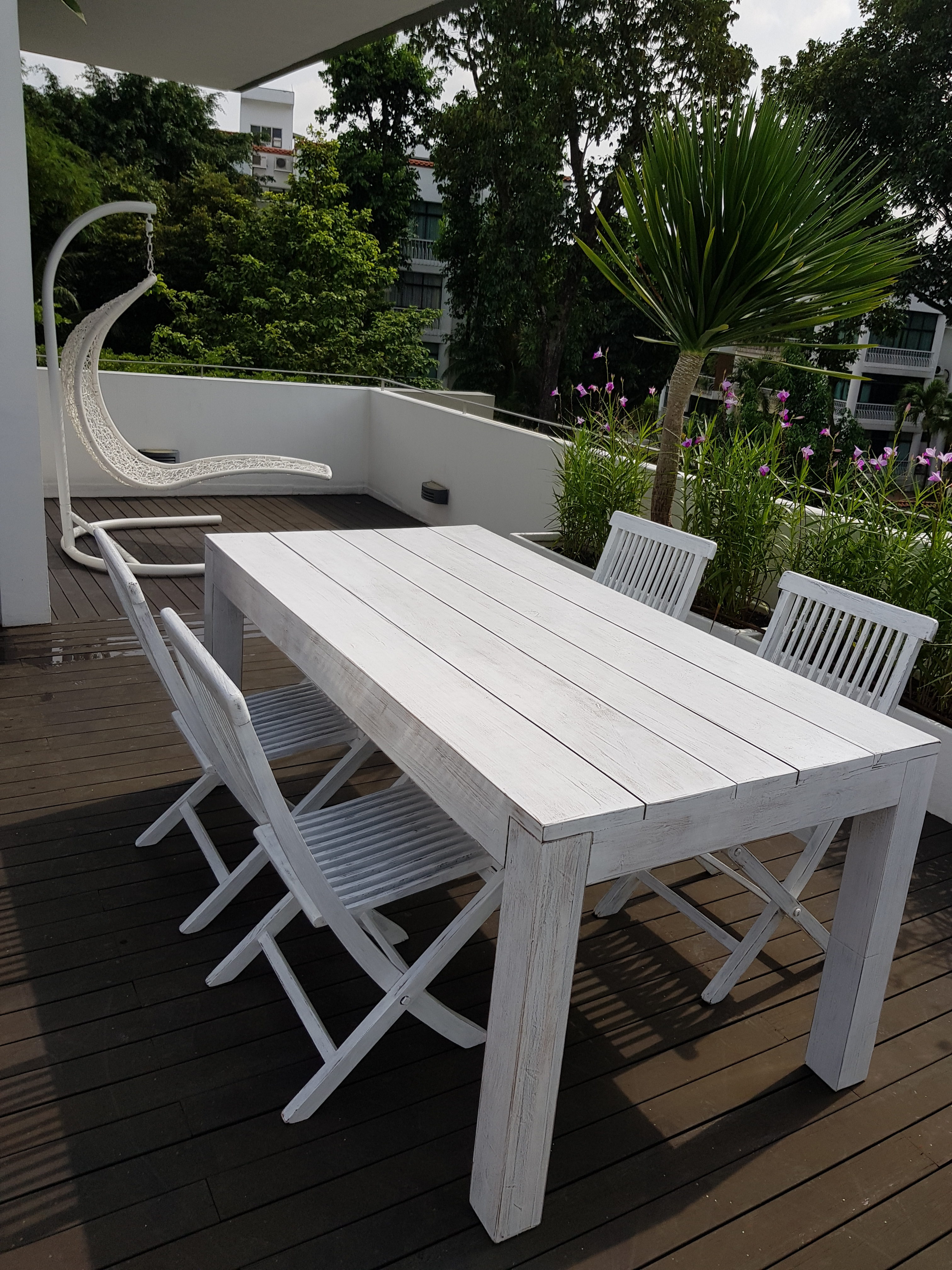
Credit: retro-dec.com
Frequently Asked Questions
Can You Whitewash All Types Of Outdoor Furniture?
Yes, most wooden outdoor furniture can be whitewashed. Avoid whitewashing metal or plastic furniture, as it may not adhere well.
How Long Does Whitewash Last On Outdoor Furniture?
Whitewash typically lasts 1 to 2 years outdoors. Weather conditions and maintenance affect its durability and appearance.
Is Whitewashing Outdoor Furniture Weather-resistant?
Whitewashing offers moderate weather resistance but may need reapplication. Applying a sealant after whitewashing improves protection against elements.
Can Whitewashing Damage Outdoor Furniture?
When done correctly, whitewashing does not damage wood. Using the right materials and techniques preserves the furniture’s integrity.
Conclusion
Whitewashing outdoor furniture can brighten your space with ease. It offers a fresh, clean look that suits many styles. The process is simple and affordable for most people. You can protect your furniture while giving it new life. Just choose the right paint and prepare the surface well.
Small steps make a big difference in the final result. Try whitewashing to refresh your outdoor area today. It’s a great way to enjoy your furniture longer. Why not give it a go?