When it comes to your dining room, you might wonder: does all the furniture really have to match? You don’t have to stick to a strict rule where every chair, table, and accent piece looks exactly the same.
In fact, mixing styles and colors can bring a fresh, personal touch to your space. But how do you make sure your dining room still feels balanced and inviting? You’ll discover simple tips and clever ideas to create a stylish dining area—whether you choose a perfectly matched set or a creative mix.
Ready to rethink your dining room furniture? Let’s dive in!

Credit: www.swatchpop.com
Matching Vs Mismatched Furniture
Deciding between matching and mismatched dining room furniture affects the room’s style and feel. Both approaches offer unique benefits and challenges. Matching furniture creates harmony and a classic look. Mismatched pieces add personality and charm. Understanding these options helps you choose what fits your space and taste best.
Benefits Of Matching Sets
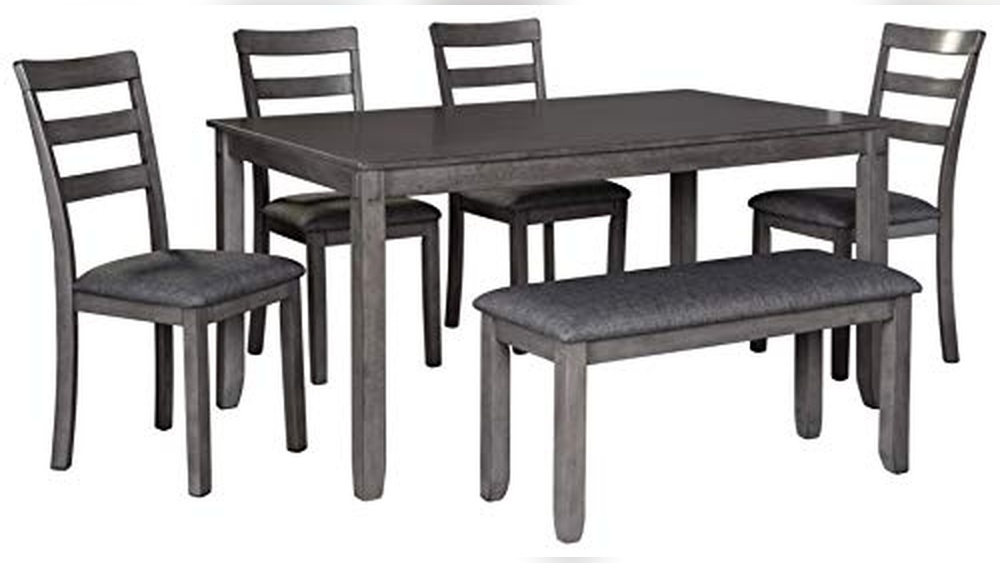
Matching dining furniture creates a clean and unified look. All pieces share the same style, color, and finish. This consistency makes the room feel balanced and elegant. Matching sets often feel more formal and timeless. They simplify decorating decisions and create a calm atmosphere. Buyers often find it easier to coordinate matching furniture with other room elements.
Charm Of Eclectic Styles
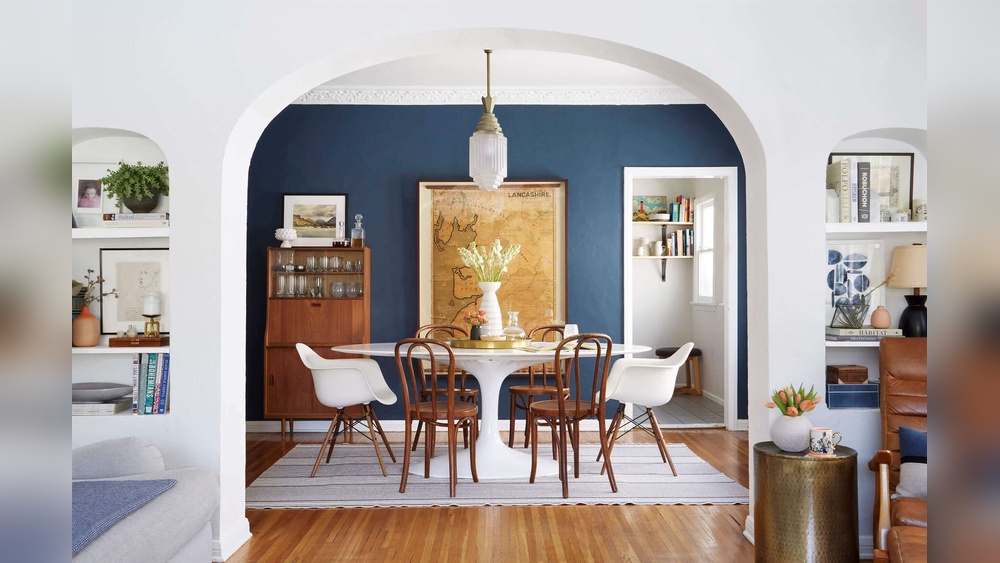
Mismatched dining furniture adds character and interest to the space. Mixing different styles or colors creates a lively and unique look. This style allows more creativity and personal expression. You can combine old and new pieces for a fresh appeal. When done well, mismatched furniture still feels connected through color or shape. This approach suits casual, cozy dining rooms and modern designs.
Credit: www.homesandgardens.com
Key Rules For Mismatched Chairs
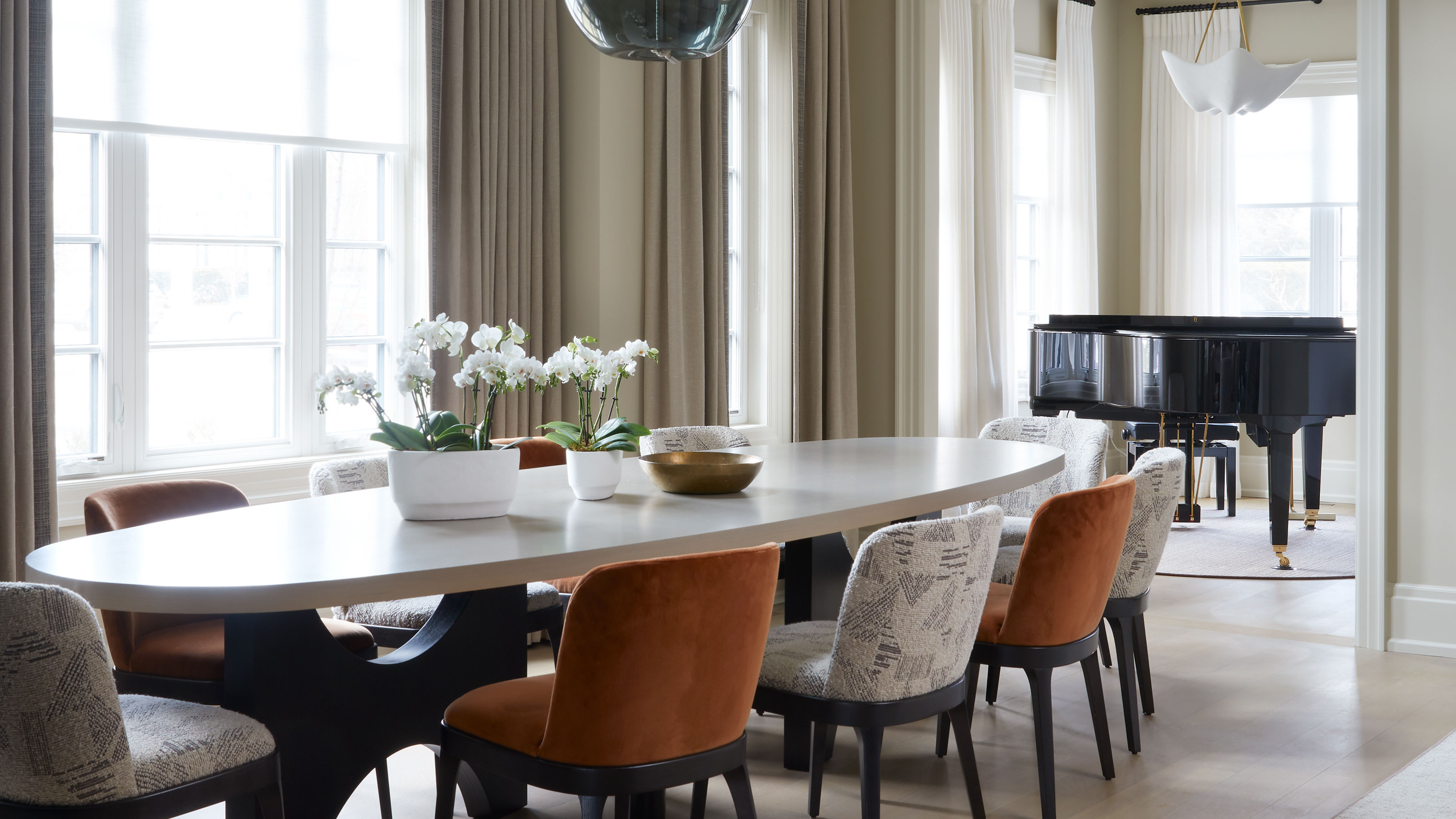
Mismatched dining chairs can bring charm and personality to your dining room. The key is following simple rules to keep the look balanced and intentional. These rules help create harmony without forcing everything to match perfectly. Focus on elements that tie the chairs together and maintain comfort and style.
Consistent Chair Height
Keeping chair heights consistent is essential. Chairs with different heights can look awkward and disrupt the flow. Make sure the seat height and backrest height are similar. This keeps the dining experience comfortable and visually pleasing.
Unifying Colors And Materials
Choose a common color or material to link the chairs. Painting all chairs one color works well. Using the same wood type or fabric can also unify different styles. This creates a cohesive look while allowing variety in chair design.
Similar Shapes And Silhouettes
Select chairs with related shapes or silhouettes. Rounded backs or straight lines can create a subtle connection. Matching shapes helps the chairs feel like part of a set. It avoids visual clutter and keeps the space organized.
Creative Mixing Strategies
Creative mixing strategies make dining rooms unique and inviting. Mixing furniture styles adds charm and personality. It breaks the monotony of matching sets and creates visual interest. Small choices can lead to big style impacts. Balance, contrast, and harmony guide these design moves.
Using Pairs For Balance
Using pairs of chairs creates symmetry and order. Place matching chairs opposite each other to balance the look. This method keeps the space feeling organized yet fresh. Pairs can be from different styles but share colors or shapes. It makes the dining room feel intentional and well thought out.
Different Chairs At Table Ends
Place different chairs at the ends of the table. This adds a focal point without overwhelming the design. The end chairs can be larger or more decorative. They highlight the seating area and create a welcoming feel. This simple trick works well in both modern and traditional rooms.
Bold Mix Of Eras And Styles
Combine chairs from different time periods for a bold look. Mix vintage with contemporary pieces to add depth. Contrast materials like wood and metal for texture variety. Keep some elements like color or size consistent. This approach creates a dynamic, layered dining space that feels curated.
Tips For Beginners
Starting to decorate your dining room can feel tricky. Choosing furniture that matches or not adds to the challenge. Beginners benefit from easy, clear steps. These tips help create a balanced and beautiful space without stress. Keep things simple at first. Add variety slowly to avoid mistakes.
Start Simple With One Element
Pick one feature to match, like color or material. For example, use chairs with the same wood finish but different shapes. This keeps the room from looking too busy. Matching one element creates a sense of unity. It also makes mixing styles easier to manage. Simple choices build confidence for more changes later.
Gradual Introduction Of Variety
Once you feel comfortable, add more mixed pieces. Try different chair styles around the table. Keep some common feature, like chair height or tone. This way, the mix looks planned, not random. Add variety step by step. This approach lets you see what works before changing more. Your dining room will feel fresh and personal.
Styling Ideas And Inspiration
Dining room furniture does not need to match perfectly to look beautiful. Mixing styles creates personality and charm. Styling your dining space can be fun and creative.
Different arrangements and color choices help make the room feel balanced. Below are some ideas to inspire your dining room design.
Symmetrical Arrangements
Symmetry brings order and calm to the dining area. Use pairs of chairs or matching elements on each side of the table. This setup feels balanced even with varied furniture styles.
Place identical chairs at the ends and different but similar chairs on the sides. The repetition creates harmony and a neat look. Symmetry works well in classic and modern spaces.
High-contrast Eclectic Looks
Mixing bold and different furniture pieces adds energy and interest. Combine vintage chairs with a sleek modern table. Contrast textures and shapes for a lively style.
Keep some features similar, like chair height or material, to avoid chaos. This look suits those who enjoy a playful and unique dining space. It makes a strong style statement.
Using Color To Tie Elements
Color helps connect various furniture pieces in one room. Paint chairs in one color or use cushions with matching shades. This unifies different styles easily.
Choose a palette with two or three colors to keep it simple. Color coordination creates a polished and inviting dining room. It also allows freedom in furniture choice.
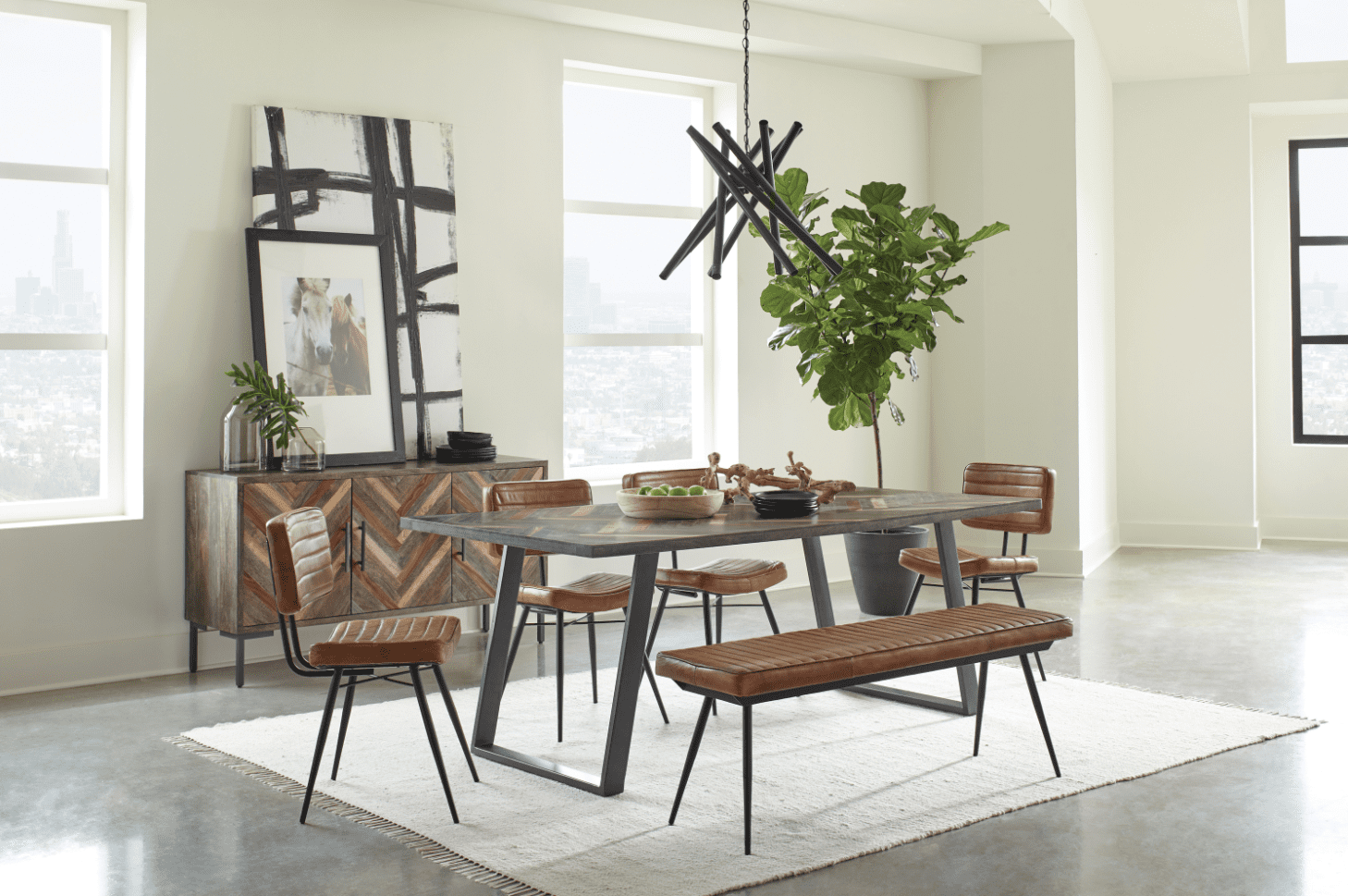
Credit: www.coasterfurniture.com
Frequently Asked Questions
Does Dining Room Furniture Need To Match?
Dining room furniture does not need to match. Mixing styles creates unique, stylish looks. Maintain cohesion with consistent height, color, or material for balance.
Is It Okay To Have Mismatched Dining Chairs?
Yes, mismatched dining chairs can create a unique, stylish look. Keep chair height, color, or material consistent for balance.
What Is The 2/3 Rule Furniture?
The 2/3 rule in furniture means arranging two-thirds of items in one style or color and one-third in a contrasting style. This creates balance and visual interest in a room.
Should Dining Chairs Be Lighter Or Darker Than A Table?
Dining chairs can be lighter or darker than the table. Choose based on style preference and room balance. Lighter chairs brighten, darker add contrast. Ensure harmony by matching materials or shapes for a cohesive look.
Conclusion
Dining room furniture does not have to match perfectly. Mixing styles can add personality and warmth. Keep some elements consistent, like color or height, for balance. Matching sets offer a classic, unified look. Mismatched pieces create interest and show creativity.
Choose what feels right for your space and style. Enjoy designing a dining area that reflects you.