Are your books piling up with no clear order? How you store your books on your bookshelf can make a big difference in how easy it is to find what you want—and how much you enjoy your reading space.
Imagine opening your shelf and instantly spotting the book you need, without any hassle. You’ll discover simple, smart ways to organize your books that save time and protect your favorite reads. Ready to turn your bookshelf into a neat, inviting display?
Keep reading, and your books will thank you.
Credit: www.neathousesweethome.com
Choosing The Right Bookshelf
Choosing the right bookshelf is key to keeping books safe and easy to find. The right shelf fits your space, style, and the number of books you own. It also helps protect books from damage and dust. Picking a bookshelf means thinking about material, design, size, and where to place it. These choices affect how long your books last and how your room looks.
Material And Design Options
Bookshelves come in many materials like wood, metal, and plastic. Wood shelves look warm and classic. Metal shelves are strong and modern. Plastic shelves are light and easy to move. Choose a material that matches your room and feels sturdy. Design matters too. Open shelves show off your books. Closed shelves protect books from dust. Some shelves have extra features like doors or drawers.
Adjustable Shelves For Flexibility
Adjustable shelves let you change the height between shelves. This helps fit books of all sizes. Tall books need more space, short books need less. Adjustable shelves make your bookshelf flexible. You can add new books without buying a new shelf. This saves money and space. Shelves that move also help organize books by size or type.
Size And Placement Considerations
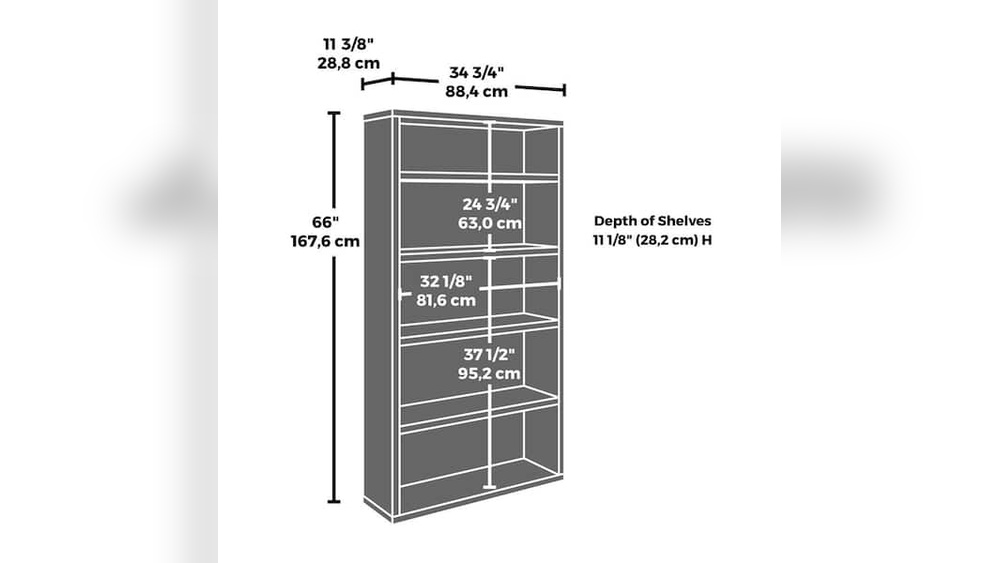
Measure your space before buying a bookshelf. A shelf too big or too small causes problems. Think about room size and how many books you have. Place the bookshelf where light is good but not too strong. Sunlight can fade book covers. Avoid damp or humid places to stop mold. A good spot keeps books safe and easy to reach.

Credit: www.minto.com
Organizing Books By Size And Type
Organizing books by size and type helps create a neat, easy-to-navigate bookshelf. It makes finding books faster and keeps the shelf looking tidy. Grouping books by their physical size and content type improves both the visual appeal and the user experience. This method suits any bookshelf, big or small.
Grouping By Height And Width
Arrange books by their height and width for a clean look. Tall books next to tall ones, short books near short ones. This prevents uneven shelves and keeps books from leaning. Grouping by size also protects fragile books from damage.
Separating Fiction And Non-fiction
Keep fiction and non-fiction books in separate sections. Fiction includes novels, stories, and poetry. Non-fiction covers facts, biographies, and guides. This division helps find the type of book you want quickly. It also allows you to organize each section better.
Using Categories And Genres
Sort books by categories and genres within fiction and non-fiction. Examples include mystery, history, science, and self-help. This makes browsing easier and more enjoyable. Labeling each section adds extra clarity and helps keep the order.
Maximizing Vertical Space
Maximizing vertical space on your bookshelf helps you store more books neatly. It also makes your bookshelf look tidy and organized. Using the height of your shelves wisely can create extra space without clutter.
Many bookshelves have tall shelves that leave unused space above the books. Filling that space can increase your storage capacity. Simple tricks can help you use every inch of vertical space effectively.
Stacking Books Horizontally
Stacking books horizontally on top of vertical rows uses the empty space above. This method fits more books without needing extra shelves. It also creates a varied look that breaks the monotony of rows.
Keep stacks low to avoid tipping over. Use heavier books at the bottom for stability. This way, you keep the shelf safe and visually balanced.
Adding Shelf Risers
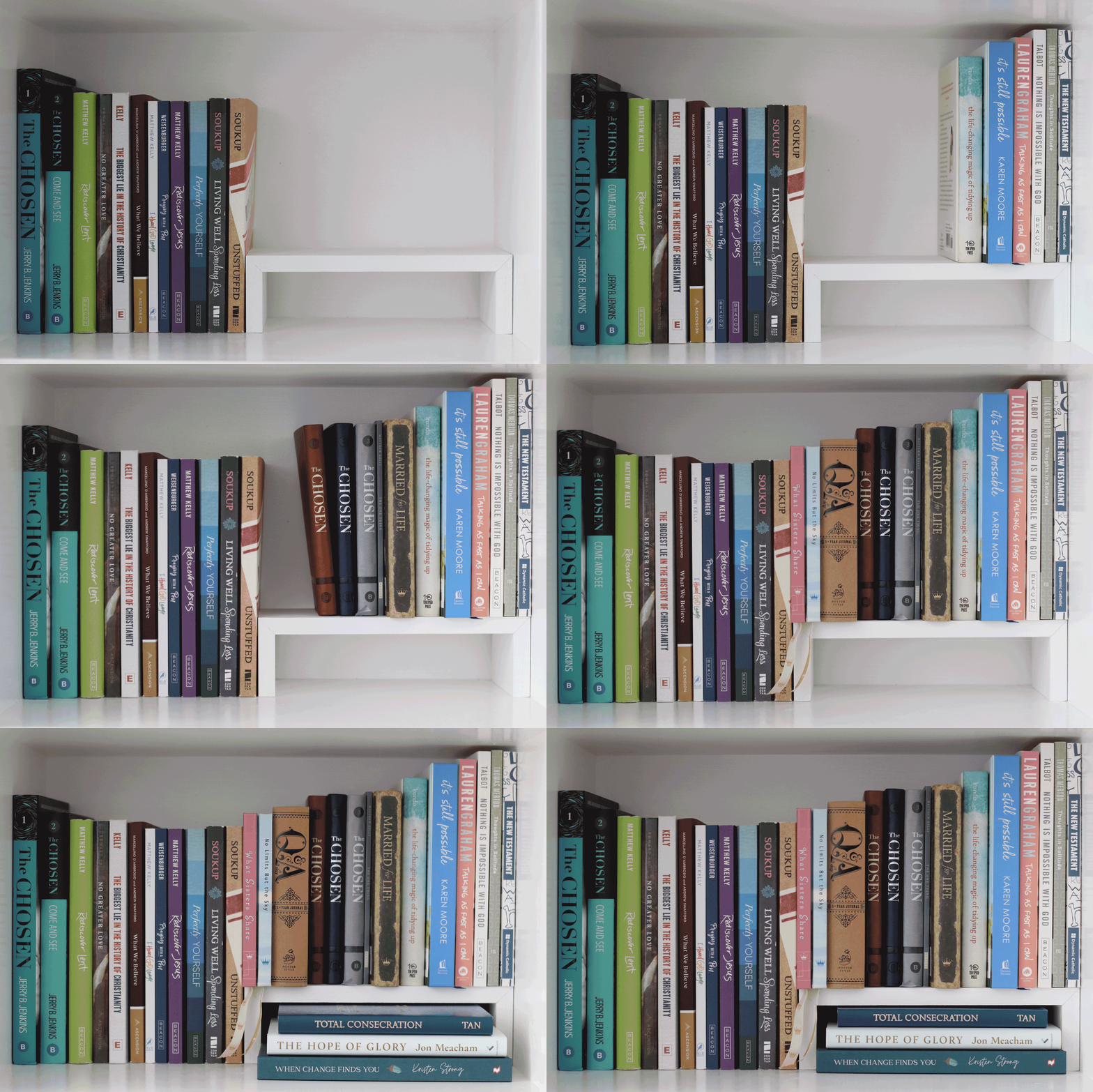
Shelf risers lift the second row of books on a single shelf. They create an extra layer, doubling your storage space. Risers are especially useful for shorter books or paperbacks.
Choose clear or simple risers to keep focus on your books. Risers make it easy to see and reach all titles. They keep shelves neat and prevent books from falling.
Utilizing Wall-mounted Shelves
Wall-mounted shelves add vertical storage without taking floor space. They can be installed above or beside your main bookshelf. This method expands your book area using wall height.
Use small or narrow shelves to hold special collections or display favorite books. Wall shelves keep books within easy reach while saving space. They also add a decorative touch to your room.
Creative Storage Techniques
Creative storage techniques make bookshelves more than just a place for books. They add style and organization at the same time. Simple ideas can turn a plain shelf into a beautiful display.
These methods help keep books neat and easy to find. They also bring a fresh look to your room. Try these ideas to store books in fun and useful ways.
Incorporating Decorative Bookends
Bookends hold books upright and add charm to shelves. Choose designs that match your room’s style. Metal, wood, or ceramic bookends work well.
Place bookends on both ends of a row of books. This keeps books tidy and stops them from falling. Use colorful or shaped bookends to catch the eye.
Using Baskets And Boxes
Baskets and boxes store smaller or loose items with books. They hide clutter and keep shelves clean. Use woven baskets for a cozy feel.
Label boxes for easy access to items inside. Stack boxes to use vertical space. This method works well for magazines or notebooks.
Combining Books With Other Items
Mix books with plants, photos, or decorative objects. This creates a balanced and lively shelf. Place a small plant between stacks of books.
Use picture frames or candles to add variety. Avoid overcrowding by leaving some empty space. This keeps the shelf fresh and inviting.
Maintaining Accessibility And Aesthetics
Bookshelves hold more than just books. They show your style and keep your collection easy to use. Maintaining accessibility and aesthetics means organizing books so they look good and are easy to find. A neat bookshelf invites you to read more often. It also makes your room feel warm and welcoming.
Keeping Frequently Used Books Handy
Place books you read often within easy reach. Use eye-level shelves for quick access. This saves time searching for favorites. Group similar topics together for faster finding. Keep daily-use books at the front. Avoid stacking them too deep or high. This keeps your reading routine smooth and easy.
Balancing Visual Appeal And Function
Mix books with decorative items for a nice look. Use bookends, small plants, or photos to break the rows. Arrange books by color or size to create patterns. Keep some space to avoid clutter. Balance heavy and light items on shelves. This creates a shelf that’s both pretty and useful.
Regularly Decluttering And Rotating
Check your bookshelf often to remove unused books. Donate or store books you no longer read. Rotate books by season or interest to keep the shelf fresh. This prevents overcrowding and dust buildup. Regular care keeps your bookshelf neat and inviting. A tidy shelf makes reading more enjoyable.

Credit: organisemyhouse.com
Frequently Asked Questions
How Should I Arrange Books On A Bookshelf?
Arrange books by size, genre, or color for easy access. Use vertical and horizontal stacking to save space. Keep frequently read books at eye level for convenience.
What Is The Best Way To Protect Books On Shelves?
Keep books away from direct sunlight and moisture. Use bookends to prevent leaning and damage. Dust shelves regularly to maintain cleanliness and preserve book condition.
How Can I Maximize Space On My Bookshelf?
Use adjustable shelves to fit various book sizes. Stack books horizontally to fill gaps. Utilize vertical space by adding extra shelves or using shelf risers.
Should Books Be Stored Standing Or Lying Down?
Store most books standing upright for support. Lay oversized or fragile books flat to avoid spine damage. Avoid overpacking shelves to prevent warping.
Conclusion
Storing books well keeps them safe and easy to find. Arrange books by size, color, or subject for a neat look. Keep shelves clean and dry to protect your books. Avoid direct sunlight to stop pages from fading. Regularly check your collection for dust and damage.
A well-organized bookshelf makes reading more fun and stress-free. Small habits create lasting care for your books. Start today and enjoy your collection for years.