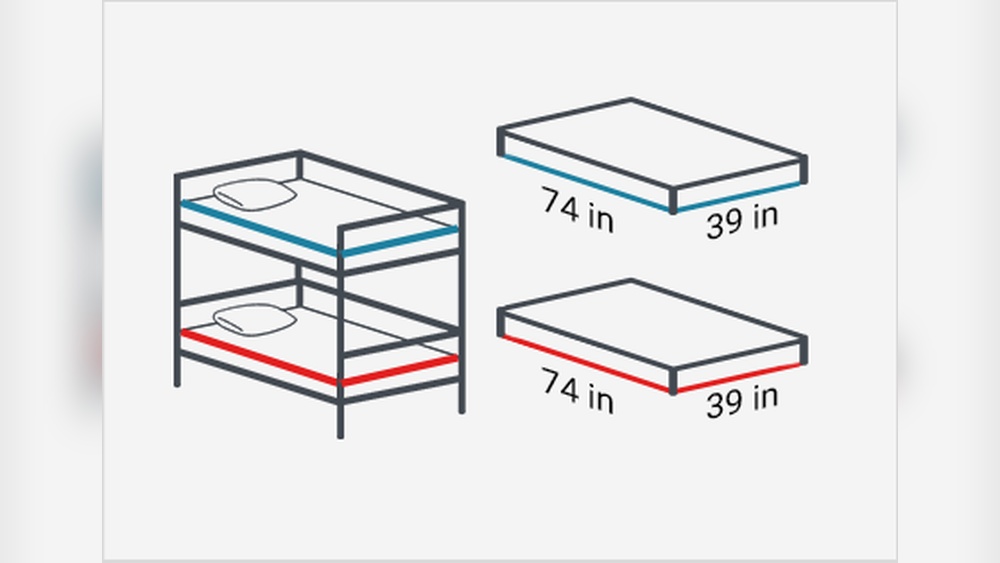
Are you thinking about adding a single bunk bed to your room but unsure if it will fit just right? Understanding the exact size of a single bunk bed can save you time, space, and frustration.
Knowing its dimensions helps you plan your room perfectly, making sure there’s enough space for comfort and movement. You’ll discover everything you need to know about how big a single bunk bed really is, so you can make the best choice for your home.
Keep reading to find out the key measurements and tips that will help you create a cozy, functional space you’ll love.
Standard Bunk Bed Sizes
Standard bunk bed sizes help you choose the right fit for your space. These sizes follow common mattress dimensions. It makes buying mattresses and bedding easier. Understanding these sizes avoids surprises during setup.
Each size offers different sleeping space and room footprint. Knowing the size helps decide if a bunk bed suits a room’s layout. It also affects comfort and usability for kids or adults.
Twin Over Twin Dimensions
The most common bunk bed size is twin over twin. Each mattress measures about 39 inches wide and 75 inches long. This size fits most children and small bedrooms. The bed frame adds a few inches for safety rails and ladders. It saves space and works well for shared rooms.
Full Over Full Dimensions
Full over full bunk beds use larger mattresses. Full size mattresses measure 54 inches wide and 75 inches long. This size suits older kids or adults better. It offers more sleeping width but needs more room space. It fits wider rooms or families needing extra comfort.
Twin Over Full Variations
Twin over full bunk beds mix mattress sizes. The top bunk uses a twin mattress, the bottom a full mattress. This design offers versatility and more space below. The bottom bunk feels roomier for sleeping or lounging. Ideal for siblings with different needs or guest rooms.
Credit: www.elegantshowers.co.uk
Measuring A Single Bunk Bed
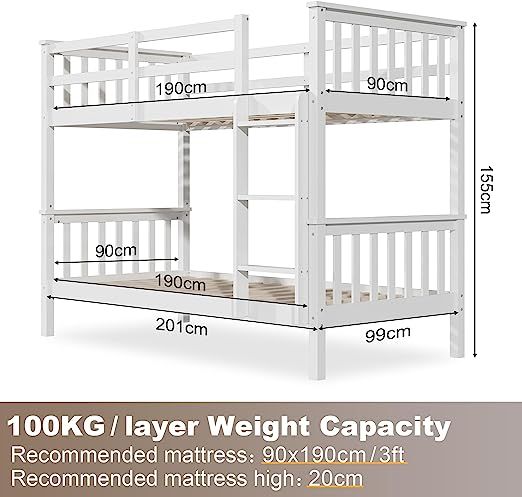
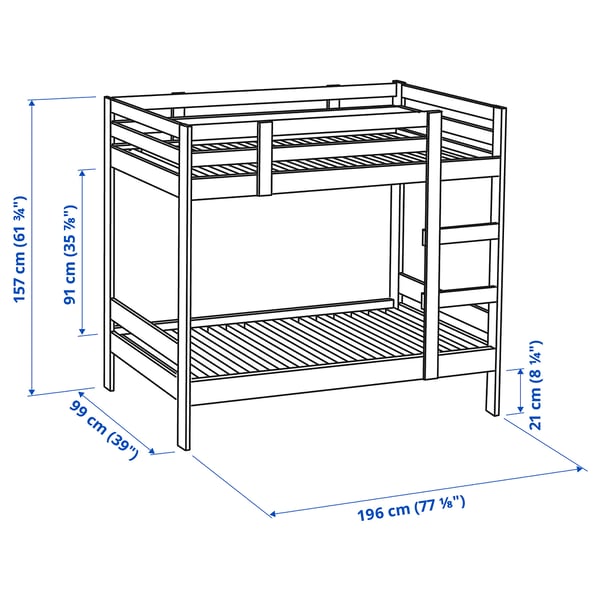
Measuring a single bunk bed is important before buying or placing it in a room. You need to know its size to ensure it fits well and is safe to use. This section explains the main measurements of a single bunk bed. It covers frame width and length, height and clearance space, and mattress size compatibility.
Frame Width And Length
The frame width of a single bunk bed usually ranges from 39 to 42 inches. The length is often about 75 inches. These measurements match the size of a standard single mattress. The frame size affects the room space and bed fit. Make sure the bed frame fits comfortably in your room.
Height And Clearance Space
Height is a key factor in bunk bed safety and comfort. Most single bunk beds are around 60 to 70 inches tall. Clearance space between the top and bottom bunk is about 30 to 36 inches. This space allows a person to sit up comfortably on the lower bunk. Check the room’s ceiling height before choosing a bunk bed.
Mattress Size Compatibility
Single bunk beds are built for single or twin mattresses. The mattress size is usually 39 inches wide and 75 inches long. It is important to use the correct mattress size for safety. Mattresses that are too thick or too thin can cause problems. Always check mattress thickness recommendations for your bunk bed model.
Space Requirements For Installation
Installing a single bunk bed needs careful planning of space. Knowing the space requirements helps avoid crowding and ensures safety. A bunk bed takes up more vertical space than a single bed. You need to measure your room and plan accordingly.
Room Size Considerations
Measure the room before buying a bunk bed. A typical single bunk bed is about 80 inches long and 42 inches wide. Allow extra space around the bed for walking and other furniture. A small room may feel tight with a bunk bed inside. Make sure the bed fits without blocking doors or windows.
Clearance Around The Bed
Leave enough space around the bunk bed for easy movement. At least 2 feet of clearance on one side is ideal. This space helps with making the bed and cleaning. Avoid placing the bed too close to walls or other furniture. It reduces the risk of bumps and accidents.
Ceiling Height Needs
Check the room’s ceiling height before installation. A bunk bed needs at least 7 feet of ceiling height. This height gives enough room for the person on the top bunk to sit up comfortably. Low ceilings can cause discomfort and safety risks. Always measure from the floor to the ceiling before buying.
Material And Design Impact On Size
The material and design of a single bunk bed greatly affect its size. Different materials add weight and bulk differently. Designs can include extra features that change the bed’s dimensions. Understanding these factors helps choose the right bunk bed for your space.
Wood Vs Metal Frames
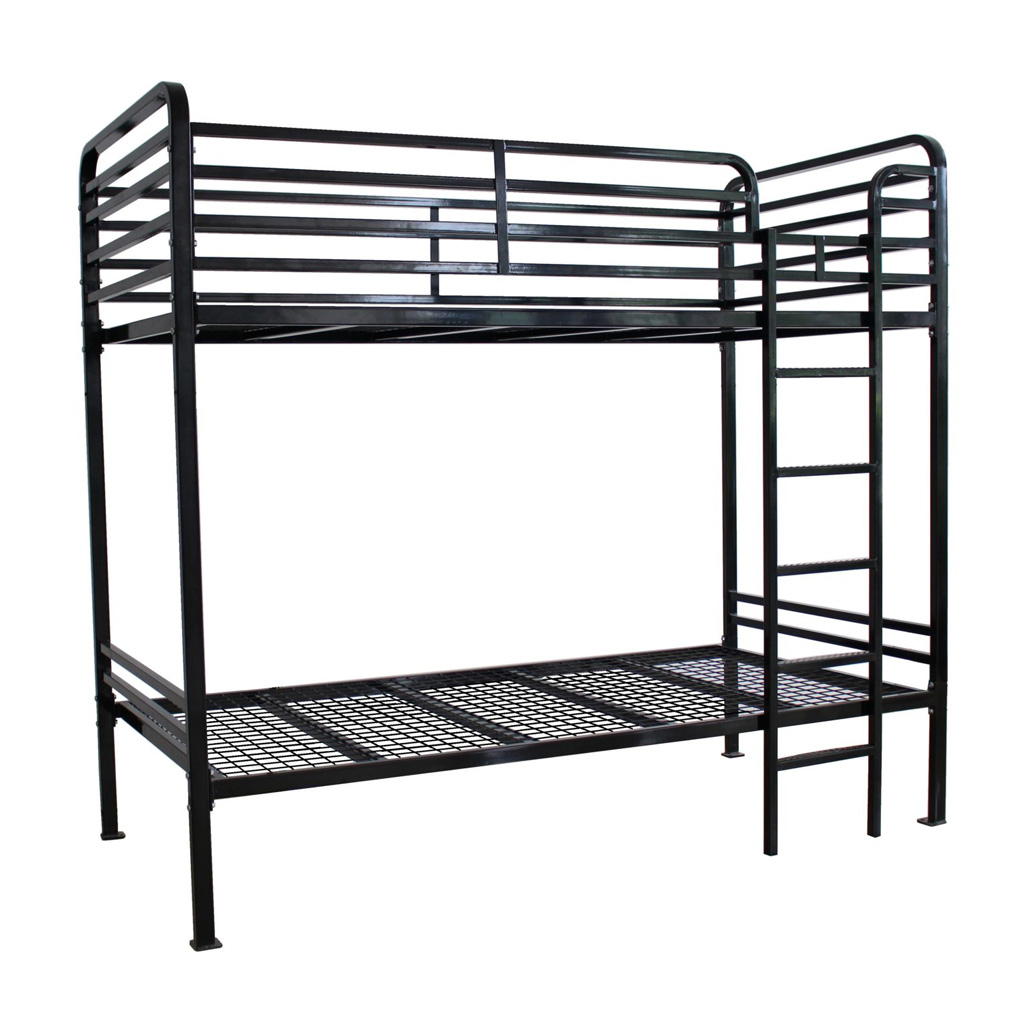
Wood frames tend to be thicker and heavier. They offer a classic look and feel. Metal frames are usually thinner and lighter. They often take up less space. The choice between wood and metal changes the bed’s overall size.
Built-in Storage Options
Some bunk beds have built-in drawers or shelves. These features add to the bed’s width and depth. Storage makes the bed bigger but saves room elsewhere. It is important to measure storage units carefully.
Safety Rail Dimensions
Safety rails protect the sleeper but add height and width. Rails made from thick wood or metal take more space. Narrow rails keep the bed size smaller. Consider rail size for room clearance and safety.
Choosing The Right Size For Your Needs
Choosing the right size for a single bunk bed matters a lot. It affects comfort, safety, and how well the bed fits in the room. Picking the correct size helps avoid problems later. Think about who will use the bed and the room’s space. Careful planning makes the bed a good fit for now and the future.
Age And Height Of Users
Measure the height of the person who will sleep on the bed. Kids need shorter beds than adults. Toddlers require extra safety features with smaller sizes. Older children and adults need beds that fit their height well. A bed too small feels cramped and uncomfortable. Choosing the right length and width helps users sleep better.
Room Functionality And Layout
Check the room size before buying a bunk bed. The bed should not block doors or windows. Leave space for moving around easily. Consider other furniture in the room. A well-placed bunk bed saves space for play or study. Measure the ceiling height too, so the top bunk is safe.
Future Growth And Flexibility
Kids grow fast. Think about how long the bed will be used. Choose a bed size that fits growing kids. Some beds can change shape as kids grow. A flexible bed saves money over time. Plan for future needs to keep the room useful.
Credit: www.ikea.com
Credit: heavydutybunkbeds.com
Frequently Asked Questions
What Are The Standard Dimensions Of A Single Bunk Bed?
A standard single bunk bed typically measures 39 inches wide and 75 inches long. Height varies but averages around 65 to 70 inches. These dimensions optimize space while ensuring comfort for one sleeper per bunk.
How Much Space Does A Single Bunk Bed Occupy?
A single bunk bed usually occupies about 39 by 75 inches of floor space. Its vertical design helps save room, making it ideal for small bedrooms or shared spaces.
Can A Single Bunk Bed Fit In A Small Room?
Yes, single bunk beds are designed for compact spaces. Their vertical structure maximizes floor area, making them perfect for small rooms and tight living quarters.
What Height Clearance Is Needed For A Single Bunk Bed?
A minimum height clearance of 65 to 70 inches is recommended for single bunk beds. This allows enough space for the top bunk occupant to sit up comfortably.
Conclusion
A single bunk bed usually measures about 39 inches wide and 75 inches long. This size fits most bedrooms and saves space well. It suits children and teens perfectly. Knowing the size helps when planning room layouts. It also makes shopping easier and faster.
Remember to measure your room before buying. A well-chosen bunk bed adds comfort and style. Space-saving furniture can change how your room feels. Think about your needs and room size carefully. A single bunk bed is a practical choice for many homes.