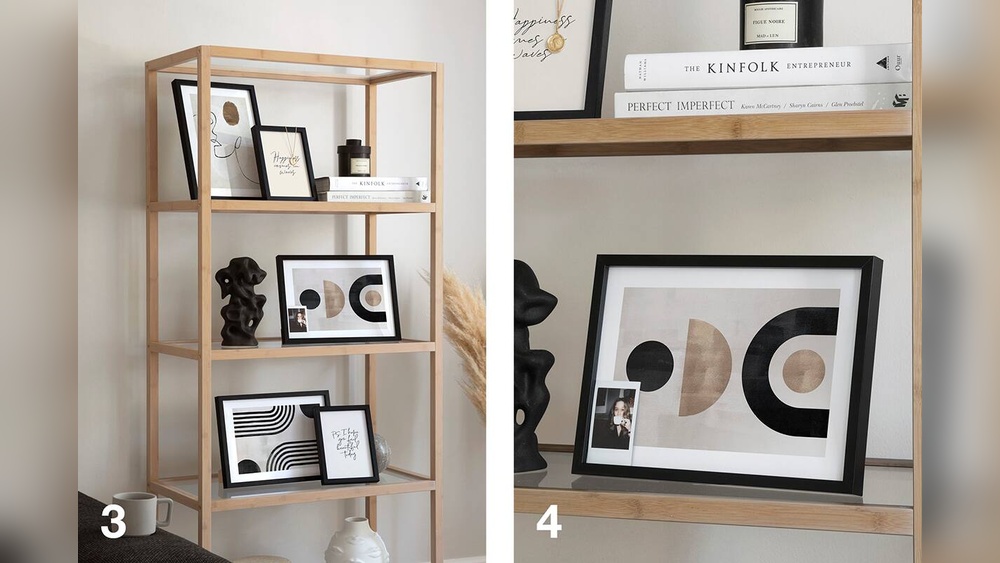
Are you tired of cluttered piles of books scattered around your room? Imagine having a beautiful, sturdy bookshelf made by your own hands, perfectly designed to fit your space and style.
Building your own bookshelf isn’t as hard as you might think. With just a few simple tools and clear steps, you can create something both useful and impressive. You’ll discover easy tips and tricks to make a bookshelf that will organize your books and add charm to your home.
Ready to transform your space? Let’s get started!
Choosing The Right Materials
Choosing the right materials is a key step in making a sturdy bookshelf. The materials affect how strong and good-looking your shelf will be. Picking the correct wood and tools helps you build a safe and lasting bookshelf. Think about the weight of your books and the style you want. This guide shows the best wood types, tools, and other supplies to use.
Types Of Wood For Shelves
Wood choice changes the bookshelf’s strength and look. Pine is soft and easy to cut. It works well for light shelves. Oak is hard and very strong. It holds heavy books well. Birch has a smooth surface and looks nice. It is good for painted shelves. Choose wood that fits your budget and style.
Tools You Will Need
Using the right tools makes building easier. A saw cuts the wood to size. A drill helps make holes for screws. Screwdrivers fasten parts tightly. Sandpaper smooths rough edges. A measuring tape keeps your cuts accurate. Have clamps to hold wood steady while working.
Additional Supplies
Besides wood and tools, you need other supplies. Screws join wood pieces firmly. Wood glue adds extra strength. Paint or stain protects wood and adds color. Brushes or rags help apply finishes. Don’t forget safety gear like goggles and gloves. These keep you safe while building.
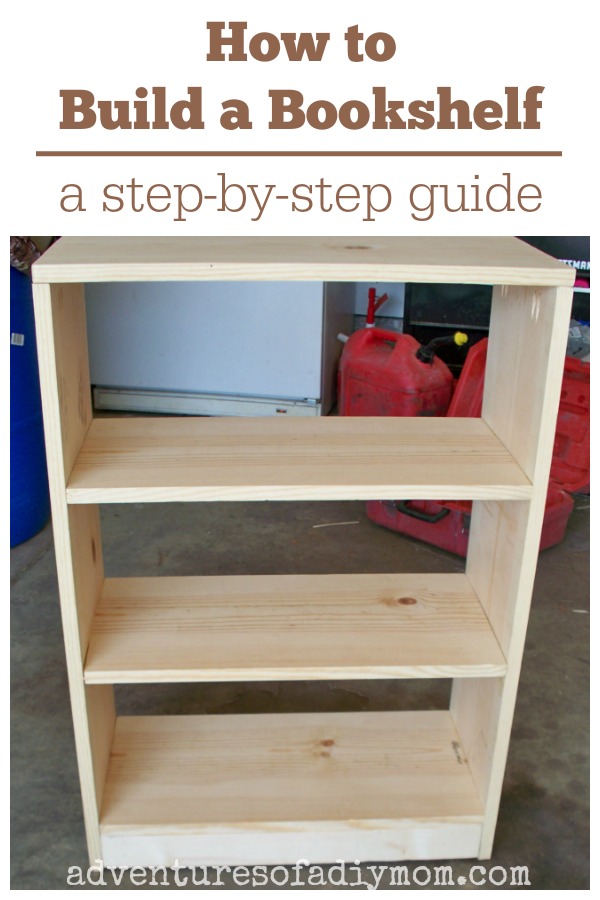
Credit: www.adventuresofadiymom.com
Planning Your Bookshelf Design
Planning your bookshelf design is the first step to a successful build. It helps avoid mistakes and ensures the shelf fits well in your space. Careful planning saves time and materials. Start by understanding the area where the bookshelf will go.
Measuring Your Space
Measure the width, height, and depth of the area carefully. Use a tape measure for accuracy. Check for any obstacles like vents or outlets that may affect placement. Write down all measurements to use in your design. Double-check numbers to avoid errors.
Deciding On Shelf Dimensions
Think about the size of books and items you want to store. Shelves should be tall enough for your tallest books. Depth must fit your books without too much extra space. Decide how many shelves you want. Keep space between shelves consistent for a neat look.
Sketching Your Design
Draw a simple sketch of your bookshelf on paper. Mark the overall size and shelf positions clearly. Use your measurements to keep the sketch accurate. Add notes about materials and tools needed. This visual guide helps keep your build on track.
Cutting And Preparing Wood
Cutting and preparing wood is a key step in making a strong bookshelf. It sets the base for all other work. Proper cutting ensures that each piece fits perfectly. Smooth preparation avoids rough edges and splinters. This stage requires focus and care to get good results.
Marking Cutting Lines
Start by measuring each wood piece carefully. Use a pencil to mark straight lines clearly. Double-check all measurements before marking. Use a ruler or a square tool to keep lines straight. Clear lines help make precise cuts without mistakes.
Safe Cutting Techniques
Wear safety goggles and gloves before cutting. Use a sharp saw for clean cuts. Cut slowly along the marked lines. Keep your fingers away from the blade. Work on a stable surface to avoid slips. Take breaks to stay focused and safe.
Sanding And Smoothing
After cutting, sand all wood edges well. Use medium-grit sandpaper first, then fine-grit. Sand in the direction of the wood grain. Remove all splinters and rough spots. Smooth wood feels better and looks nicer. Clean dust off the wood before assembly.

Credit: www.infarrantlycreative.net
Assembling The Bookshelf Frame
Finishing touches bring your bookshelf to life. They protect the wood and make it look great. These steps help your shelf last longer and fit your room style.
Applying Paint Or Stain
Choose paint or stain to match your room’s color. Paint covers the wood fully and hides marks. Stain shows the wood grain and adds color. Use a brush or cloth for smooth application. Let it dry completely before the next step.
Adding Protective Coating
A protective coat shields your shelf from scratches and water. Use clear varnish or polyurethane for strong protection. Apply thin layers evenly and let each dry well. This step keeps your shelf looking fresh for years.
Installing Wall Brackets
Wall brackets secure your bookshelf and keep it safe. Mark the wall where you want the shelf. Use a level to keep it straight. Drill holes, insert anchors, and screw the brackets tight. Place the shelf on brackets and check stability.
Finishing Touches
Maintaining your bookshelf helps it last longer and look better. Simple care keeps your shelf sturdy and neat. Follow these tips to keep your bookshelf in top shape.
Regular Cleaning
Dust your bookshelf often to stop dirt buildup. Use a soft cloth or duster for gentle cleaning. Clean shelves and corners to remove hidden dust. Avoid wet cloths that can damage the wood or paint.
Checking For Loose Parts
Look at screws and joints regularly. Tighten any loose screws to keep shelves stable. Check for cracks or splits in the wood. Fix small problems early before they get worse.
Preventing Damage
Place your bookshelf away from direct sunlight. Too much sun can fade or warp the wood. Avoid placing heavy items on one shelf only. Spread weight evenly to prevent bending or breaking.
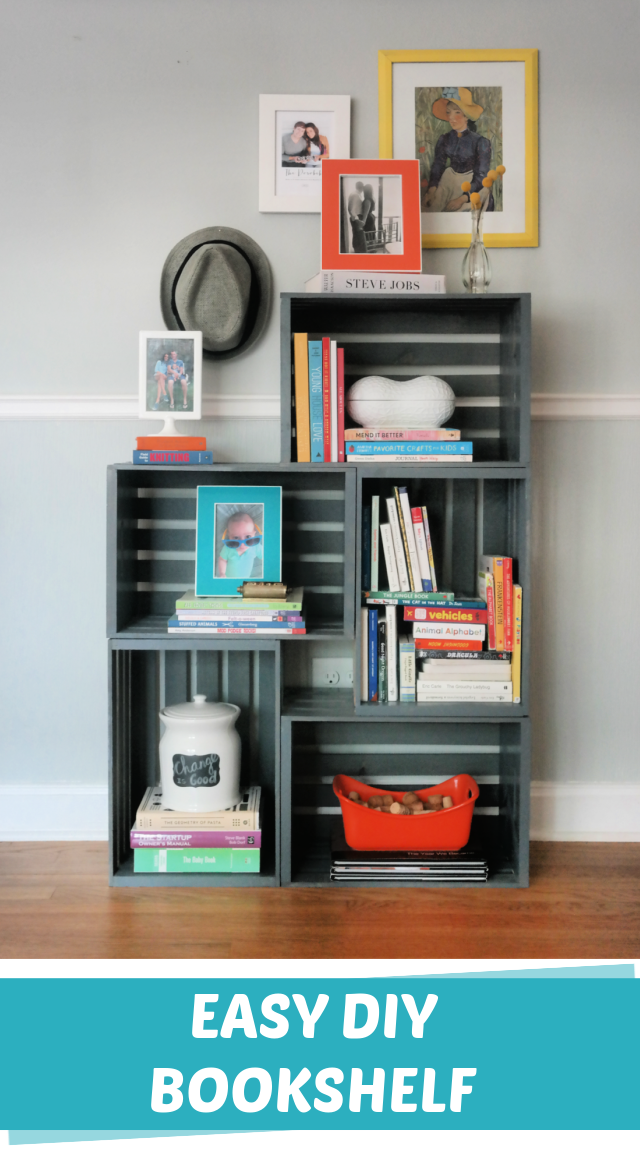
Credit: www.creatingreallyawesomefunthings.com
Frequently Asked Questions
How Do I Start Building A Simple Bookshelf?
Begin by selecting quality wood and measuring your space. Cut pieces to size, assemble the frame, and secure shelves with screws. Sand edges smooth and apply finish for durability and style.
What Tools Are Essential For Making A Bookshelf?
You need a saw, drill, screwdriver, measuring tape, level, and sandpaper. These tools help cut, assemble, and finish your bookshelf accurately and safely.
How Can I Make My Bookshelf Sturdy And Durable?
Use strong wood like oak or pine. Reinforce joints with screws and wood glue. Ensure shelves have adequate support brackets to hold heavy books.
What Finishing Options Improve A Bookshelf’s Appearance?
Apply paint, stain, or varnish to enhance wood grain and protect surfaces. Choose a finish that matches your room decor and personal style.
Conclusion
Building a bookshelf can be a fun and useful project. You just need some tools, wood, and a plan. Following simple steps makes the process easier and less stressful. You can create a shelf that fits your space and style.
Plus, it feels great to use something you made yourself. Give it a try and enjoy your new bookshelf!