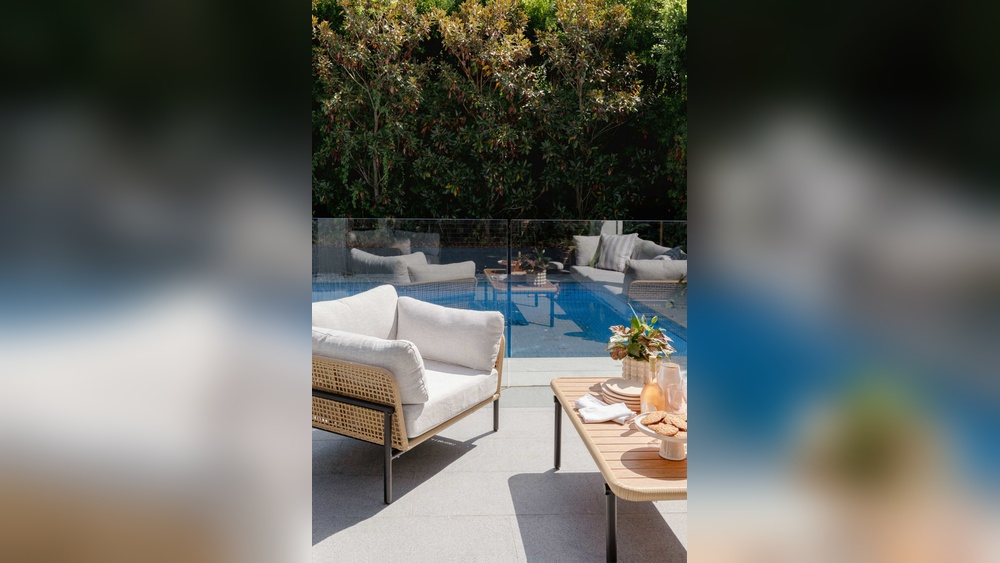
Is your outdoor furniture looking dull or dirty? You want your patio or garden to feel inviting, but grime, dust, and weather can quickly take away its charm.
Cleaning your outdoor furniture doesn’t have to be a hassle. With the right steps, you can restore its shine and make your outdoor space look fresh and welcoming again. Keep reading, and you’ll discover simple, effective ways to clean your outdoor furniture—so you can enjoy your favorite spot without worry.
Choosing The Right Cleaning Tools
Choosing the right cleaning tools is key to keeping outdoor furniture in good shape. Using the right supplies makes cleaning easier and protects your furniture from damage. Different materials need different care, so picking the proper tools is important.
Essential Supplies For Outdoor Furniture
Start with soft brushes to remove dust and dirt. A bucket with warm water helps wash away grime. Use mild soap that won’t harm surfaces. Clean cloths or sponges are good for wiping. A garden hose is useful for rinsing. Gloves keep your hands safe and clean during the process.
Tools For Different Materials
Wood furniture needs gentle brushes and mild cleaners. Avoid harsh scrubbing to prevent scratches. Metal furniture requires soft cloths and rust removers if needed. Plastic furniture can handle stronger brushes but use gentle soap. Wicker needs a soft brush to get into crevices. Glass tabletops require lint-free cloths and glass cleaner for shine.

Credit: www.furnitureclinic.co.uk
Preparing Furniture For Cleaning
Preparing outdoor furniture for cleaning helps achieve the best results. It also protects your items from damage. Taking a few simple steps makes the cleaning process easier. This preparation removes loose dirt and separates parts for thorough washing.
Removing Cushions And Accessories
Start by taking off all cushions, pillows, and accessories. These items require different cleaning methods. Removing them prevents water damage and mold growth. Set cushions aside in a dry, shaded place. Check tags for cleaning instructions. Separate any removable covers for washing.
Dusting And Brushing Off Debris
Use a soft brush or cloth to dust the furniture. Remove leaves, dirt, and loose debris from all surfaces. Pay attention to corners and crevices where dirt builds up. This step stops dirt from scratching the furniture during washing. Light brushing also exposes stains and spots clearly.
Cleaning Techniques For Various Materials
Outdoor furniture comes in many materials. Each type needs a special way to clean it. Using the right method keeps furniture safe and looking good. Dirt, dust, and weather can harm the furniture over time. Cleaning helps protect it and makes it last longer.
Cleaning Wood Furniture
Use a soft brush or cloth to remove loose dirt. Mix mild soap with water for cleaning. Wipe wood gently to avoid scratches. Dry the surface with a clean cloth quickly. Avoid soaking wood to prevent damage. Apply wood oil or sealant after cleaning for protection.
Cleaning Metal Furniture
Remove loose dirt with a brush or cloth. Mix water and mild soap in a bucket. Use a soft cloth to wash metal gently. Rinse with clean water to remove soap. Dry metal well to stop rust from forming. Use rust remover for any rust spots.
Cleaning Plastic And Resin Furniture
Plastic and resin are easy to clean. Use a hose to rinse off dirt first. Mix soap with warm water for washing. Use a soft cloth or sponge to scrub gently. Rinse well with water to remove soap. Dry with a towel or let air dry.
Cleaning Wicker And Rattan Furniture
Brush away loose dirt carefully. Mix warm water with mild soap. Use a soft cloth to clean the surface. Avoid soaking wicker or rattan in water. Dry furniture in a shaded area to stop cracking. Use a vacuum to clean tight spaces.
Cleaning Glass Surfaces
Spray glass cleaner or use vinegar mixed with water. Wipe glass with a soft cloth or paper towel. Clean both sides of the glass for best results. Use a squeegee to remove excess liquid. Dry edges well to avoid water spots.
Dealing With Stubborn Stains And Mold
Outdoor furniture faces dirt, stains, and mold. These problems need careful cleaning. Stubborn stains and mold can ruin your furniture’s look. Cleaning them properly keeps your furniture fresh and safe.
Stains come from food, drinks, leaves, and dirt. Mold grows in damp, shady places. Both can damage materials if ignored. Quick and right cleaning helps protect your furniture.
Natural Remedies For Stains
Baking soda is great for lifting stains. Make a paste with water and scrub gently. Lemon juice helps remove mold and brightens surfaces. Vinegar is a strong cleaner that kills mold spores. Mix vinegar with water and spray on stains. Let it sit for 10 minutes before wiping. These natural remedies are safe for most furniture types.
Using Commercial Cleaners Safely
Choose cleaners made for outdoor furniture. Read labels to check for safe use. Test a small area first to avoid damage. Wear gloves and work in a well-ventilated area. Follow instructions exactly for best results. Rinse furniture well after cleaning to remove residue. Proper use keeps furniture clean without harm.
Drying And Protecting Outdoor Furniture
Drying and protecting outdoor furniture is key to keeping it in good shape. Wet furniture can get damaged, leading to mold, rust, or wood rot. Taking time to dry and protect your pieces helps them last longer and look better.
Effective Drying Methods
Start by wiping furniture with a dry cloth after washing. Sunlight helps dry faster but avoid direct harsh sun on wood. Air drying in a shaded, ventilated area works well. Make sure cushions and fabrics are completely dry before storing. Use fans to speed up drying if needed.
Applying Protective Coatings
Protective coatings shield furniture from weather damage. Use waterproof sealants on wood to prevent water absorption. Metal furniture benefits from rust-resistant paint or sprays. For plastic, a UV protectant spray stops fading and cracking. Apply coatings evenly and follow the product instructions carefully.
Storing Furniture For Longevity
Store furniture in a dry, cool place during off-season. Cover pieces with breathable covers to keep dust and moisture away. Remove cushions and store them separately in sealed bags. Keep furniture off the ground to avoid dampness. Proper storage reduces wear and extends furniture life.
:max_bytes(150000):strip_icc()/outdoor-furniture-care-guide-3-0822-2000-c7ed539a877d4b9a823a134e009f0906.jpg)
Credit: www.marthastewart.com
Regular Maintenance Tips
Keeping outdoor furniture clean is key to lasting beauty and comfort. Regular care stops dirt and damage from building up. A simple routine makes cleaning easier and keeps your furniture looking fresh all year.
Follow these easy maintenance tips to protect your outdoor pieces and enjoy them longer.
Routine Cleaning Schedule
Set a weekly or biweekly day to clean your furniture. Use a soft brush or cloth to remove dust and debris. Mild soap and water work well for most materials. Rinse with clean water to avoid soap residue. Dry pieces with a towel to prevent water spots. This simple habit stops grime from settling deeply.
Preventing Damage From Weather
Cover furniture during rain and snow to avoid moisture damage. Move cushions indoors on wet days to stop mold and mildew. Use protective sprays designed for your furniture type. Store small pieces in a shed or garage during winter. Sunlight can fade colors, so place furniture in shaded areas if possible. These steps keep your furniture strong and looking new.
:strip_icc()/Clean-Outdoor-Furniture-34bc286d99604bce93f968cc0e060c68.jpg)
Credit: www.bhg.com
Frequently Asked Questions
How Often Should I Clean Outdoor Furniture?
Clean your outdoor furniture at least twice a year. Regular cleaning prevents dirt buildup and damage. More frequent cleaning is needed in harsh weather or heavy use areas.
What Household Items Can Clean Outdoor Furniture?
Mild soap, water, and a soft cloth work well. Avoid harsh chemicals that damage surfaces. For tougher stains, use baking soda or vinegar diluted with water.
Can I Use A Pressure Washer On Outdoor Furniture?
Yes, but use low pressure. High pressure can damage wood, wicker, or paint. Test a small area first to ensure it’s safe for your furniture.
How Do I Remove Mildew From Outdoor Furniture?
Use a mix of water, white vinegar, and mild detergent. Scrub gently with a soft brush, then rinse thoroughly. Dry furniture completely to prevent mildew return.
Conclusion
Cleaning outdoor furniture keeps it looking fresh and lasting longer. Use gentle cleaners and soft brushes for best results. Regular care stops dirt and grime from building up. Rinse well to avoid any leftover soap. Dry your furniture to prevent mold and damage.
Small efforts now save big repairs later. Enjoy your clean and inviting outdoor space all year.