Are you tired of juggling windows and losing track of your Mac Bookshelf when you switch between multiple monitors? Imagine having your entire Mac Bookshelf spread smoothly across all your screens, making your workflow faster and your workspace cleaner.
If you want to boost your productivity and enjoy seamless access to your files no matter which monitor you’re using, this guide is for you. Keep reading to discover simple, effective ways to get your Mac Bookshelf working perfectly on multiple monitors.

Credit: www.amazon.com
Setting Up Multiple Monitors On Mac
Setting up multiple monitors on your Mac improves productivity and makes work easier. It gives more screen space for apps and documents. This setup is great for designers, writers, and multitaskers. The process is simple with the right tools and knowledge.
Check Mac Compatibility
Not all Macs support multiple monitors. Check your Mac model and year. Visit the Apple support website for details. Make sure your Mac has enough ports. Some older Macs support only one external screen.
Choose The Right Cables And Adapters
Monitors use different ports like HDMI, DisplayPort, or USB-C. Identify the ports on your Mac and monitors. Buy the correct cables or adapters for connection. Using the wrong cable can cause display issues. USB-C to HDMI adapters are common for newer Macs.
Connect External Displays
Turn off your Mac before connecting cables. Plug in the monitors using proper cables and adapters. Turn on the monitors and then your Mac. Open System Preferences and select Displays. Arrange monitors by dragging their icons to match your setup.
Configuring Display Settings
Configuring display settings is key to using your Mac Bookshelf on multiple monitors. It helps set how screens work together. You can arrange displays, change resolution, and control mirroring. These steps make your workspace clear and easy to use.
Arrange Displays
Open System Preferences and select Displays. Click on the Arrangement tab. Drag the blue boxes to match your monitor layout. Place them side by side or stacked. This lets the mouse move smoothly between screens.
Align the tops or bottoms for better flow. Adjust until it feels natural. The white bar shows which display is the main screen. Move it to change where your dock and menu bar appear.
Adjust Resolution And Scaling
In Displays settings, select a monitor. Choose Scaled to see resolution options. Pick a resolution that fits your needs and screen size. Higher resolution shows more detail but makes text smaller. Lower resolution makes text bigger but less sharp.
Test different settings to find comfort. Scaling adjusts how items appear without changing screen size. This helps keep things readable on large or small displays. Each monitor can have its own resolution and scaling setting.
Enable Or Disable Mirroring
Mirroring shows the same content on all screens. To turn it on, go to Displays and check Mirror Displays. This is useful for presentations or sharing with others. To work with different apps on each screen, uncheck mirroring.
Use separate displays to expand your workspace. This allows dragging windows between monitors. Choose the best option based on your tasks and preferences. Switching mirroring is quick and easy anytime.
Accessing Mac Bookshelf Across Screens
Accessing Mac Bookshelf on multiple monitors can improve your reading and productivity. You get more space to view books and notes at the same time. This setup helps if you want to compare texts or keep your reference open while working. Understanding how to open and sync Bookshelf across screens is key to a smooth experience.
Next, learn what Mac Bookshelf is and how to launch it on more than one display. Then, discover how to keep your content synced between monitors easily.
What Is Mac Bookshelf
Mac Bookshelf is an app for reading and organizing eBooks. It stores your books and notes in one place. The app works offline and online. You can highlight text and make notes as you read. It supports many file types like PDFs and ePubs. Many students and professionals use it for study and work.
Launching Bookshelf On Multiple Displays
To open Bookshelf on more than one screen, start by connecting your monitors. Use the System Preferences to set up displays. Open the Bookshelf app on your Mac. Drag the window to the second screen. You can open a new window of Bookshelf by pressing Command + N. Move this window to the other monitor. Now, you can view different books or pages on each screen.
Syncing Content Between Monitors
Bookshelf syncs your reading position and notes automatically. Changes on one screen appear on the other in real-time. This keeps your study or work consistent. Make sure both windows use the same account. Syncing works best with a stable internet connection. You can read on one screen and take notes on the other without losing track.

Credit: www.youtube.com
Troubleshooting Common Issues
Using your Mac Bookshelf on multiple monitors can sometimes cause problems. These issues may stop you from working smoothly. Troubleshooting helps fix these common problems quickly.
Below are some simple solutions to frequent issues. Follow these tips to get your setup running well.
Bookshelf Not Showing On Second Monitor
Check if the second monitor is properly connected. Make sure the cables are tight and the monitor is powered on. Open System Preferences and click on Displays to verify the setup. Sometimes, the Bookshelf app might open only on the main screen. Drag the app window to the second monitor manually. Restart the app if it does not appear. This often solves the problem.
Display Flickering Or Resolution Problems
Flickering screens disrupt your reading and work. Adjust the resolution for both monitors in System Preferences under Displays. Use the “Default for display” setting for best results. Avoid using unsupported resolutions. Update your Mac’s software to the latest version. This can fix bugs causing flickering. Also, try disconnecting and reconnecting the monitor. If flickering continues, test with a different cable or monitor.
Performance Tips For Smooth Operation
Running multiple monitors can slow down your Mac. Close unused apps to free up memory. Lower the resolution on one or both monitors to reduce strain. Keep your Mac cool by using it in a well-ventilated area. Restart your Mac regularly to clear temporary files. Use Activity Monitor to check for apps using too much CPU. Closing them improves overall performance. These tips help your Bookshelf run smoothly across monitors.
Enhancing Productivity With Bookshelf
Using the Mac Bookshelf on multiple monitors helps improve how you work. It lets you see more books, notes, and documents at once. This makes finding information faster and easier. You can focus better without switching between windows all the time.
Bookshelf works well with multiple screens. It keeps your reading and notes organized across your setup. This way, you can study, write, or research with less hassle.
Using Split View And Full Screen
Split View helps you use two apps side by side. You can open Bookshelf on one screen and a writing app on the other. This keeps your books and notes visible while you work.
Full Screen mode shows Bookshelf without distractions. Use one screen for reading and the other for other tasks. This helps keep your focus sharp and your workspace clean.
Keyboard Shortcuts For Bookshelf
Keyboard shortcuts save time and effort. They let you open, close, and switch books quickly. Shortcuts like Command + Tab help move between apps fast.
Use Command + F to find words inside books. This makes searching easier without using the mouse. Learning a few shortcuts speeds up your work.
Organizing Books And Notes Efficiently
Arrange your books in collections or folders. This keeps similar topics together. It helps find books without scrolling a lot.
Tag important notes with keywords. This makes searching simple later. Sync notes across monitors to keep all information in one place.
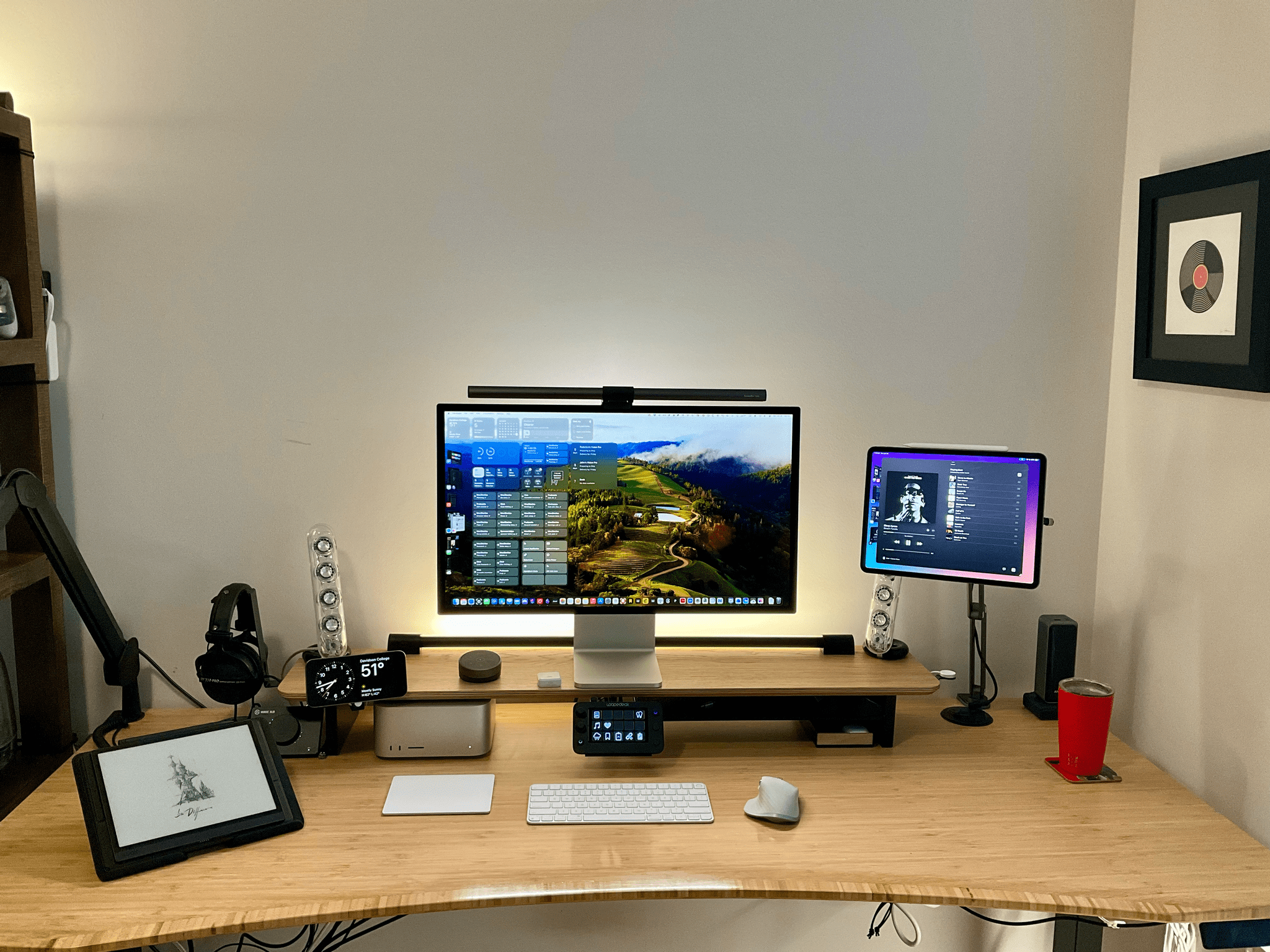
Credit: www.macstories.net
Frequently Asked Questions
How To Extend Mac Bookshelf Across Multiple Monitors?
To extend your Mac Bookshelf, connect multiple monitors via Thunderbolt or HDMI. Use System Preferences > Displays to arrange screens. Open Bookshelf and drag windows to each monitor for better multitasking and workspace organization.
Can I Mirror Mac Bookshelf On Several Monitors?
Yes, you can mirror your Mac Bookshelf on multiple monitors. Use System Preferences > Displays and select “Mirror Displays. ” This shows the same content on all connected screens, ideal for presentations or sharing with others.
Which Mac Settings Support Multiple Monitor Setup?
System Preferences > Displays is key for multiple monitors. Adjust resolution, arrangement, and mirroring options there. Ensure your Mac supports the number of monitors you want to connect via compatible ports or adapters.
What’s The Best Way To Organize Bookshelf On Dual Monitors?
Use the extended desktop mode. Open Bookshelf on one screen and drag additional windows or apps to the second monitor. This helps you keep documents visible while working on other tasks simultaneously.
Conclusion
Setting up your Mac Bookshelf on multiple monitors is simple and useful. You can drag and drop apps or files to each screen with ease. This helps you work faster and stay organized. Remember to check your display settings for the best view.
Try different layouts until you find what fits you. Enjoy the extra space and better focus it gives. Multiple monitors make your Mac experience smoother and more efficient. Give it a try and see the difference yourself.