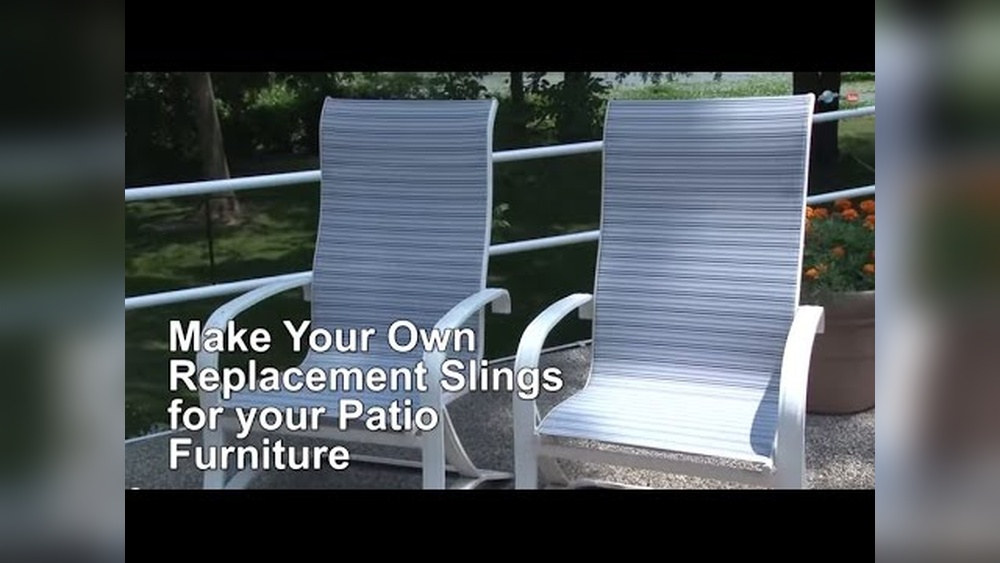
Are you tired of spending too much on outdoor furniture slings that don’t quite fit your style or needs? What if you could make your own slings that are perfect for your chairs, durable, and just the way you like them?
Making your own outdoor furniture slings is easier than you think, and it gives you control over the materials, colors, and comfort. In this guide, you’ll discover simple steps and tips to create slings that look great and last through every season.
Ready to transform your outdoor space with personalized slings? Let’s get started!
Materials Needed
Making your own outdoor furniture slings starts with gathering the right materials. Good materials ensure comfort, durability, and style. Choosing the best supplies saves time and effort during the project.
Each item plays a key role in the final product. Quality fabric, strong thread, and proper tools make a big difference. Knowing what to buy helps you create slings that last through all seasons.
Selecting Fabric Types
Outdoor slings need fabric that resists water and sun damage. Look for fabrics labeled as outdoor or marine-grade. Textilene and solution-dyed acrylic are popular choices.
These fabrics dry quickly and prevent mold. They also keep colors bright under sunlight. Choose a fabric with a tight weave for strength and comfort.
Choosing Thread And Tools
Strong, weather-resistant thread is essential for sewing outdoor slings. Polyester or nylon threads work best. They do not break easily and resist fading.
Use a heavy-duty sewing machine or hand tools made for thick fabric. Scissors, measuring tape, and a seam ripper help with accuracy. A fabric marker makes cutting easier.
Additional Supplies
Other supplies include webbing or straps to support the sling. Look for UV-resistant webbing for longer life. Padding can add comfort if desired.
Consider snaps or buckles for easy removal and cleaning. Waterproof sprays help protect fabric from stains and water. These extras improve usability and maintenance.

Credit: www.amazon.com
Measuring Your Furniture
Measuring your furniture is the first step to make your own outdoor furniture slings. Accurate measurements help create slings that fit perfectly and last longer. Take your time to measure carefully and note every dimension. This ensures the fabric will cover the furniture correctly without being too tight or too loose.
Taking Accurate Dimensions
Use a tape measure to get exact numbers. Measure the width, depth, and height of the area where the sling will go. Write down each measurement clearly. Measure twice to avoid mistakes. Check the frame parts where the sling will attach. Note any curves or angles, as they affect the size needed.
Accounting For Stretch And Fit
Outdoor sling fabric stretches a little when used. Add extra length to your measurements to allow for this stretch. Usually, adding 1 to 2 inches works well. This helps the sling fit snugly without being too tight. Also, consider how tight you want the sling. A bit of looseness can add comfort and flexibility.
Cutting The Fabric
Cutting the fabric is a key step in making your own outdoor furniture slings. Precise cuts ensure the fabric fits perfectly on the frame. This step requires attention and care to avoid mistakes. Preparing the fabric well helps the project move smoothly.
Marking Patterns
Start by laying the fabric flat on a clean surface. Use a fabric marker or chalk to draw the sling pattern. Follow the measurements from your furniture frame closely. Mark the edges clearly to avoid confusion. Double-check the marks before cutting. This step helps keep your pieces uniform and accurate.
Tips For Precise Cutting
Use sharp fabric scissors for clean cuts. Cut slowly along the marked lines for better control. Keep the fabric steady with weights or pins. Avoid lifting the fabric too much while cutting. Smooth edges prevent fraying and make sewing easier. Taking your time here improves the final look of your slings.

Credit: www.youtube.com
Sewing The Slings
Sewing the slings is a key step in making your own outdoor furniture slings. This step holds the fabric together and makes the sling strong. Using the right sewing methods helps the sling last longer. You can make slings fit your chair perfectly with careful sewing.
Stitching Techniques
Choose a heavy-duty thread for outdoor use. Use a straight stitch for most seams. Double stitching adds extra strength. Sew slowly to keep stitches even. A zigzag stitch can help prevent fabric fraying. Keep stitches tight but not too tight to avoid puckering.
Reinforcing Stress Points
Stress points need extra care. These spots get the most pull and wear. Sew multiple rows of stitches at corners. Add small fabric patches behind stress points. Use bar tack stitching for strong reinforcement. This stops the sling from tearing over time.
Attaching Fasteners
Fasteners hold the sling on the frame. Sew fabric loops or tabs for hooks. Use grommets for easier attachment and removal. Make sure fasteners match your chair frame size. Secure fasteners with tight stitches. Test fasteners by pulling gently to check strength.
Installing The Slings
Installing outdoor furniture slings is a key step to enjoy your DIY project. Proper installation ensures comfort and durability. It also protects the fabric from wear and tear. Follow these steps for a secure fit and a cozy seating experience.
Securing To The Frame
Start by aligning the sling fabric with the chair frame. Use strong, weather-resistant fasteners like screws or clips. Attach the sling tightly to avoid sagging. Check that the fabric is flat and smooth. Secure all corners firmly to prevent shifting over time.
Adjusting For Comfort
After securing the sling, test the seat for comfort. Sit down and notice if the fabric feels too tight or loose. Adjust the tension by loosening or tightening the fasteners. Aim for a snug fit that supports your body well. Make small changes until the sling feels just right.

Credit: www.jacobscustomliving.com
Maintenance Tips
Maintaining your own outdoor furniture slings keeps them fresh and strong. Proper care helps them last longer and look good. Simple steps make a big difference in their durability. Here are key tips to keep your slings in top shape.
Cleaning Instructions
Clean your slings regularly to remove dirt and stains. Use mild soap and warm water with a soft brush. Avoid harsh chemicals that can damage the fabric. Rinse thoroughly to remove all soap residue. Let the slings air dry completely before use.
For tough stains, spot clean with a gentle stain remover. Test any cleaner on a small hidden area first. Do not machine wash or dry the slings. This can weaken the material and cause shrinkage.
Storage Advice
Store slings in a dry, cool place during bad weather or winter. Avoid direct sunlight to prevent fading. Fold them neatly to prevent creases and wear. Use a breathable storage bag or container for protection.
Remove slings from furniture to stop mildew and mold buildup. Check stored slings regularly for signs of damage. Proper storage extends the life of your outdoor furniture slings.
Frequently Asked Questions
What Materials Are Best For Outdoor Furniture Slings?
Outdoor furniture slings work best with durable, weather-resistant fabrics like textilene or olefin. These materials resist fading, mold, and mildew. They provide comfort, strength, and longevity for outdoor use, ensuring your slings last through various weather conditions.
How Do I Measure For Outdoor Furniture Slings?
Measure the seat and backrest of your furniture accurately. Use a tape measure to get width and length in inches. Add an extra inch for hems and seams. Proper measurements ensure a snug, secure fit and avoid loose or tight slings.
What Tools Do I Need To Make Outdoor Slings?
Basic tools include a sewing machine, scissors, measuring tape, and a staple gun. You’ll also need fabric, thread, and sling clips or staples for attachment. These tools help you create strong, professional-quality outdoor furniture slings.
How Do I Attach Slings To Outdoor Furniture Frames?
Attach slings using sling clips, staples, or screws designed for outdoor use. Secure the fabric tightly to avoid sagging. Proper attachment ensures stability and comfort while extending the life of your furniture slings.
Conclusion
Making your own outdoor furniture slings is easier than you think. Choose strong fabric and measure carefully for the best fit. Cut and sew with simple steps anyone can follow. Your custom slings will last long and feel comfortable. You save money and add a personal touch to your furniture.
Enjoy your outdoor space with slings made by you. Try it today and see how fun and rewarding this project can be.

