Are you worried your bookshelf might tip over and cause a mess—or worse, an accident? Securing your bookshelf to the wall is one of the smartest moves you can make to keep your space safe and organized.
But how exactly do you do it without any hassle or special tools? You’ll discover simple, step-by-step instructions that anyone can follow. By the end, you’ll have the confidence to firmly attach your bookshelf, protect your belongings, and create a cleaner, safer home.
Keep reading—you won’t want to miss these easy tips that make a big difference!

Credit: www.reddit.com
Tools And Materials Needed
Attaching a bookshelf to the wall needs the right tools and materials. This step makes sure the shelf stays safe and strong. Having everything ready helps the work go smooth and fast.
Essential Tools
- Drill with drill bits for making holes
- Screwdriver to drive screws into place
- Stud finder to locate wall studs
- Level to keep the shelf straight
- Measuring tape to measure distances
- Pencil to mark drill spots
Recommended Hardware
- Screws that fit your bookshelf brackets
- Wall anchors for drywall support
- Brackets or mounting plates for fixing shelf
- Toggle bolts for heavy shelves
- Washers to spread screw pressure
Safety Equipment
- Safety goggles to protect your eyes
- Work gloves to guard your hands
- Dust mask to avoid inhaling dust
- Ear protection if drilling loud walls

Credit: www.reddit.com
Choosing The Right Wall Location
Choosing the right wall location is key to safely attaching a bookshelf. The right spot holds the shelf firmly and keeps your items secure. It also helps avoid damage to your wall or furniture.
Consider the wall type, find the studs, and check for obstacles before starting. These steps make the installation easier and safer.
Assessing Wall Type
Identify if your wall is drywall, plaster, or concrete. Each type needs different tools and anchors. Drywall is common but not very strong alone. Plaster walls are thicker and more brittle. Concrete walls need special drill bits and anchors. Knowing the wall type helps pick the right screws and anchors. This step keeps the bookshelf stable and prevents wall damage.
Finding Studs
Locate the studs behind the wall surface. Studs are wooden or metal beams that hold weight. They provide strong support for your bookshelf. Use a stud finder or tap the wall and listen for a solid sound. Mark the stud locations with a pencil. Screwing into studs is safer than just drywall. It stops the shelf from falling under heavy loads.
Avoiding Obstacles
Check the wall for hidden pipes, wires, or outlets. Drilling into these can cause damage or danger. Use a wire detector or check your home’s blueprints. Avoid areas near electrical outlets and switches. Choose a clear spot to keep your home safe. This step protects your property and keeps the installation smooth.
Preparing The Bookshelf
Preparing the bookshelf is a key step before attaching it to the wall. This process helps ensure safety and stability. Taking time to prepare the bookshelf properly makes the installation easier and more secure.
Emptying And Cleaning
Remove all books and items from the shelves. This prevents damage during the attachment process. Clean the bookshelf to remove dust and dirt. A clean surface helps you see attachment points clearly.
Marking Attachment Points
Identify where the bookshelf will meet the wall. Use a pencil to mark these spots on the bookshelf. Align the marks with wall studs for stronger support. Marking attachment points guides you during drilling and mounting.
Pre-drilling Holes
Drill small holes where you made your marks. Pre-drilling makes it easier to insert screws. It also prevents the wood from splitting. Use a drill bit slightly smaller than the screws for a tight fit.
Credit: www.youtube.com
Attaching The Brackets
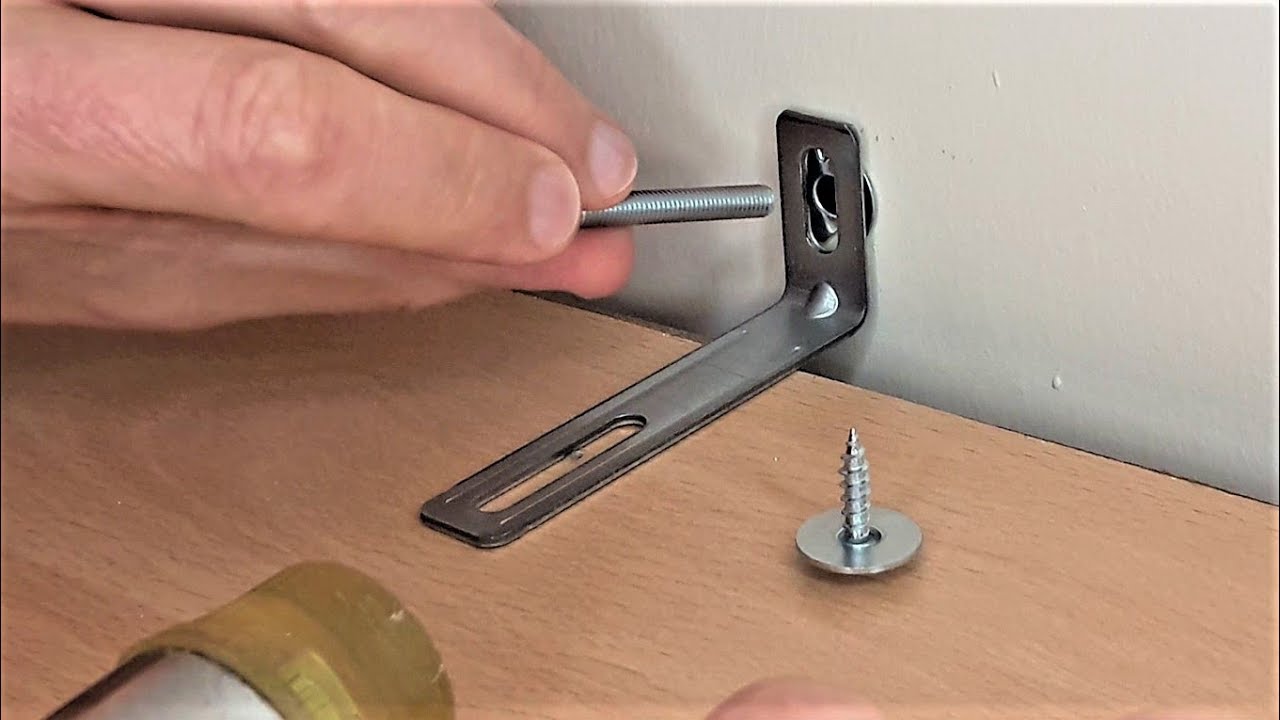
Attaching the brackets is a key step in securing your bookshelf to the wall. Proper bracket installation keeps the shelf stable and safe. This process includes choosing the right bracket, fixing it to the wall, and mounting it on the bookshelf. Each step requires care and attention to detail.
Selecting Bracket Types
Choose brackets that fit your shelf size and weight. L-shaped brackets work well for most shelves. Heavy-duty brackets support larger, heavier bookshelves. Look for brackets made from strong materials like metal. Make sure the bracket style matches your wall type.
Securing Brackets To Wall
Find the wall studs before drilling to ensure strong support. Use a stud finder to locate these. Mark the spots clearly for accurate drilling. Drill pilot holes to avoid splitting the wall. Use screws that fit the bracket holes and wall type. Tighten screws firmly, but do not overtighten.
Mounting Brackets On Bookshelf
Align brackets with the shelf edges for balance. Use a level to keep the shelf straight. Mark screw holes on the bookshelf carefully. Drill small pilot holes in the shelf wood. Attach the brackets using screws that fit well. Check the bracket tightness for a secure hold.
Securing The Bookshelf To The Wall
Securing the bookshelf to the wall keeps it steady and safe. This step prevents the shelf from tipping over or falling. Careful attachment ensures your books and items stay secure. Follow simple steps to fix the shelf firmly.
Aligning The Shelf
Place the bookshelf against the wall. Check that it stands straight and even. Use a level tool to confirm the shelf is not tilted. Mark the wall where the shelf’s mounting points match. Proper alignment makes the shelf look neat and stable.
Fastening With Screws
Choose screws that fit your wall type. Drill pilot holes in the marked spots. Insert wall anchors if the wall is drywall or plaster. Screw the brackets or mounting hardware into the wall and shelf. Tighten screws firmly but avoid over-tightening, which can damage the wall.
Double Checking Stability
Gently shake the bookshelf to test its hold. The shelf should not wobble or move. Check that all screws are secure and tight. Place a few books on the shelf and watch for any shifts. Confirming stability ensures safety for you and your items.
Safety Tips And Best Practices
Attaching a bookshelf to the wall keeps it stable and safe. This section covers important safety tips and best practices. Follow these rules to avoid accidents and damage.
Weight Limits
Check the weight limit of your bookshelf and wall anchors. Do not place heavy items beyond this limit. Overloading can cause the shelf to fall. Use strong brackets and screws for heavy shelves. Always spread the weight evenly across the shelf.
Regular Maintenance
Inspect the bookshelf and wall attachments regularly. Tighten loose screws and brackets right away. Look for cracks or damage in the wall or shelf. Fix any problems immediately to prevent accidents. Regular checks keep your shelf safe and secure.
Childproofing Tips
Secure the bookshelf firmly to the wall to prevent tipping. Use safety straps or brackets designed for childproofing. Place heavy or sharp items out of children’s reach. Teach kids not to climb on shelves. These steps protect children from injury and keep your home safe.
Frequently Asked Questions
How Do You Find Wall Studs For Bookshelf Mounting?
Use a stud finder to locate studs behind drywall. Mark the stud positions with a pencil. Mounting into studs ensures the bookshelf is securely attached and can support heavy loads safely.
What Type Of Screws Should I Use For Wall Mounting?
Use long, heavy-duty screws designed for wood or drywall. Screws should penetrate studs by at least 1. 5 inches to ensure a strong hold and prevent the bookshelf from pulling away.
Can I Attach A Bookshelf To Drywall Without Studs?
Yes, use heavy-duty wall anchors or toggle bolts. These provide extra support when studs aren’t available but are less secure than mounting directly into studs.
How High Should I Mount A Bookshelf On The Wall?
Mount the bookshelf at eye level or slightly higher for easy access. Ensure there’s enough clearance for the items you plan to store or display on it.
Conclusion
Attaching a bookshelf to the wall keeps it safe and steady. Use the right tools and anchors for your wall type. Always find the studs to hold the weight well. Measure carefully before drilling to avoid mistakes. Take your time and follow the steps closely.
A secured bookshelf looks neat and holds your books properly. Small effort brings big safety and style to your room. Now, you can enjoy your organized space without worry.