Are you wondering how long your child can safely sleep in a toddler bed? You’re not alone.
Making the switch from a crib to a toddler bed is a big step, and knowing the right time to move on is important for your child’s comfort and safety. You’ll discover key signs to watch for and expert tips to help you decide how long your little one should stay in their toddler bed.
Keep reading to make sure your child’s sleep space is just right for their growing needs.

Credit: www.flyawaydesigns.com
When To Transition To A Toddler Bed
Choosing the right time to move your child to a toddler bed is important. This change marks a new stage in their growth and independence. Parents often wonder how to know the best moment to make this switch. Understanding the signs and safety tips can help make the transition smooth and safe.
Signs Your Child Is Ready
Your child may try to climb out of their crib. They might express interest in a “big kid” bed. Some children start asking to sleep in a regular bed. Nighttime movements can become restless in a crib. These signs show your child is ready for a toddler bed.
Ideal Age Range
Most children move to a toddler bed between 18 months and 3 years. Every child grows at their own pace. Some may need the crib longer, while others are ready sooner. Watch for readiness signs rather than just age. The right timing helps your child feel secure and happy.
Safety Considerations
Make sure the toddler bed has guardrails to prevent falls. Place the bed away from windows or sharp objects. Use a firm mattress that fits the bed frame well. Remove heavy blankets or toys that could cause choking. Always supervise your child during the first nights in the new bed.
Average Sleep Duration For Toddlers
Understanding how long toddlers sleep in their beds helps parents set healthy routines. Toddlers need enough rest to grow and learn well. Sleep duration can vary but knowing averages guides good habits. This section explains typical sleep times for toddlers and factors affecting their rest.
Recommended Sleep Hours
Toddlers usually need 11 to 14 hours of sleep daily. This total includes naps and night sleep. Most toddlers sleep about 10 to 12 hours at night. Naps fill in the rest of the needed hours. Meeting these hours supports their health and mood.
Variations By Age
Sleep needs change as toddlers grow. Younger toddlers, about 1 to 2 years old, sleep more. Older toddlers around 3 years need slightly less sleep. Naps often reduce as they get closer to preschool age. Watch your child’s behavior for signs of enough rest.
Impact Of Sleep Quality
Good sleep quality matters as much as sleep length. A toddler may sleep 12 hours but still feel tired if sleep is restless. Night waking or discomfort disrupts deep sleep phases. Create a calm and safe bed environment to improve sleep quality. Consistent routines help toddlers settle faster and sleep better.
How Long Kids Typically Stay In Toddler Beds
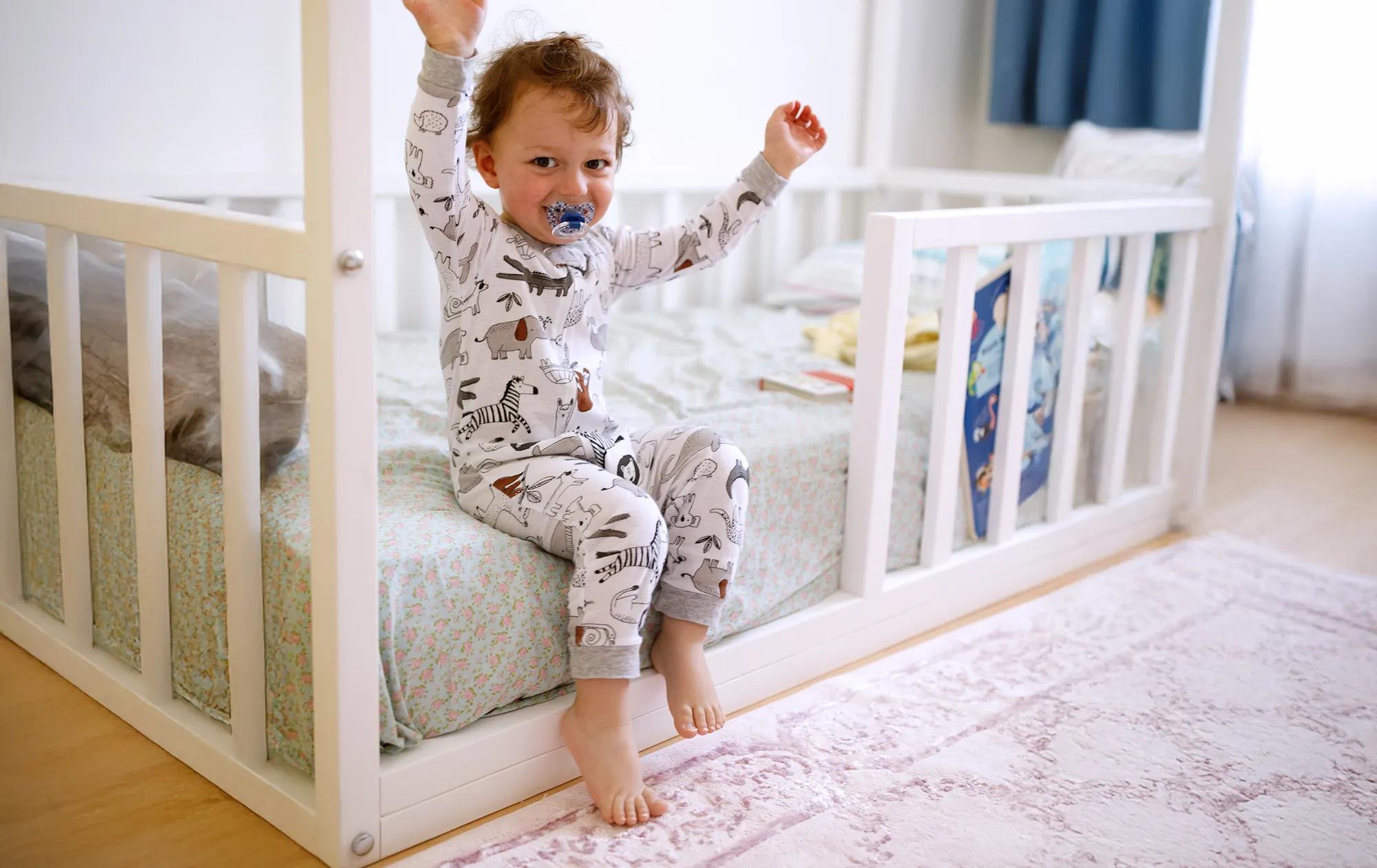
Most kids use a toddler bed for a certain period before moving to a bigger bed. This stage helps them feel safe and comfortable while sleeping alone. The time spent in a toddler bed varies widely. Some children stay for a short time, while others use it for a few years. Understanding how long kids typically stay in toddler beds helps parents make good decisions.
Age Limits For Toddler Beds
Toddler beds suit children usually between 18 months and 5 years old. Many kids start using them after leaving a crib. Some may move out earlier or later, based on their size and behavior. Most toddler beds have weight and size limits. Parents should check these to keep their child safe.
Factors Influencing Duration
Several things affect how long a child stays in a toddler bed. Growth rate plays a big role. Bigger kids may need to move sooner. Comfort and safety also matter. Kids who climb out or feel cramped may be ready for a bigger bed. Family routines and space at home can influence this timing too.
When To Move To A Big Kid Bed
Signs that a child should move to a bigger bed include outgrowing the toddler bed. If their feet hang off or they climb out often, it’s time. Also, if the toddler bed feels unsafe or limits their sleep, switching helps. Moving to a big kid bed gives more space and freedom. It supports better sleep and growth.
Credit: health.clevelandclinic.org
Tips For A Smooth Toddler Bed Transition
Moving your child to a toddler bed can be a big change. It brings new freedom but also new challenges. Helping your toddler adjust smoothly needs care and patience. Here are some tips to make this transition easier for both of you.
Creating A Comfortable Sleep Environment
Make the room cozy and safe. Use soft bedding that your child likes. Keep the room temperature just right, not too hot or cold. Add a nightlight for comfort in the dark. Remove any toys or items that might distract from sleep.
Establishing A Bedtime Routine
Keep bedtime consistent every night. Include calming activities like reading a book or gentle hugs. Avoid screens or loud noises before sleep. A clear routine helps your toddler know it’s time to rest. This builds a sense of security and habit.
Handling Nighttime Challenges
Expect some resistance or waking at night. Stay calm and patient during these moments. Gently guide your child back to bed without long talks or play. Praise them in the morning for staying in bed. This encourages good sleep habits over time.
Expert Advice On Toddler Sleep Habits
Understanding toddler sleep habits helps parents create better routines. Experts share tips to support healthy sleep for toddlers. These tips cover common problems, ways to encourage independence, and how to watch sleep patterns.
Common Sleep Issues
Toddlers often face sleep challenges. Night waking and difficulty falling asleep are common. These can happen due to fear, hunger, or discomfort. Experts suggest keeping a quiet, dark room. A consistent bedtime helps toddlers feel secure. Avoid screen time before bed to improve sleep quality.
Encouraging Independent Sleep
Teaching toddlers to sleep alone builds confidence. Let children choose a favorite blanket or toy. This creates comfort and helps them feel safe. Use a calm, gentle voice when saying goodnight. Avoid returning to the room too often. This helps toddlers learn to fall asleep by themselves.
Monitoring Sleep Patterns
Track your toddler’s sleep to spot problems early. Note bedtime, wake-up time, and any night wakings. Changes in mood or behavior can signal poor sleep. Keep a sleep diary for a week to find patterns. Share this information with a pediatrician if needed.

Credit: www.ynhhs.org
Frequently Asked Questions
How Long Do Toddlers Typically Stay In A Toddler Bed?
Toddlers usually stay in a toddler bed from ages 1. 5 to 5. Transition depends on size, safety, and comfort.
When Should You Transition From Crib To Toddler Bed?
Transition when your child climbs out of the crib or reaches 35 inches tall. Safety is the key factor.
Can A Toddler Bed Fit A Child Older Than 5?
Generally, toddler beds fit children up to 5 years old. Bigger kids need a twin bed for comfort.
What Signs Show A Toddler Is Ready For A Toddler Bed?
Look for climbing out of the crib, showing interest, and improved motor skills. These signs indicate readiness.
Conclusion
Toddlers can sleep in a toddler bed for several years. Most kids use it until age five or six. Every child is different and grows at their own pace. Watch for signs your child needs a bigger bed. Safety and comfort should always come first.
A good night’s sleep helps toddlers grow and learn. Choose the bed that fits your child’s needs best. Sleep habits change as kids grow older. Keep checking and adjust as needed. This helps your child rest well and feel happy.