Are you wondering how long your little one should stay in a toddler bed? It’s a question many parents face as they want to keep their child safe and comfortable.
Finding the right time to move your kid from a toddler bed can feel tricky. You want to avoid a bed that’s too small or too big, but how do you know when it’s time? Keep reading, because understanding the signs and knowing what to expect will help you make the best choice for your child’s sleep and growth.
This guide will give you clear answers and practical tips to make this transition smooth for both you and your toddler.
Signs Your Child Is Ready For A Toddler Bed
Knowing when your child is ready for a toddler bed helps make the transition smooth. Signs show your child has grown and is ready for this new step. Watch for clear signals in their body and behavior. Safety is also key before making this change.
Physical Growth Indicators
Your child might outgrow the crib size. They may try to climb out of their crib. Legs and arms could hang over the crib rails. These signs mean the crib is too small or unsafe. A toddler bed fits their size better now.
Behavioral Changes
Your child may ask to sleep on a “big kid” bed. They might show excitement about a new bed. Some kids resist the crib at night or nap time. They may want more freedom to get in and out. These changes show readiness for a toddler bed.
Safety Considerations
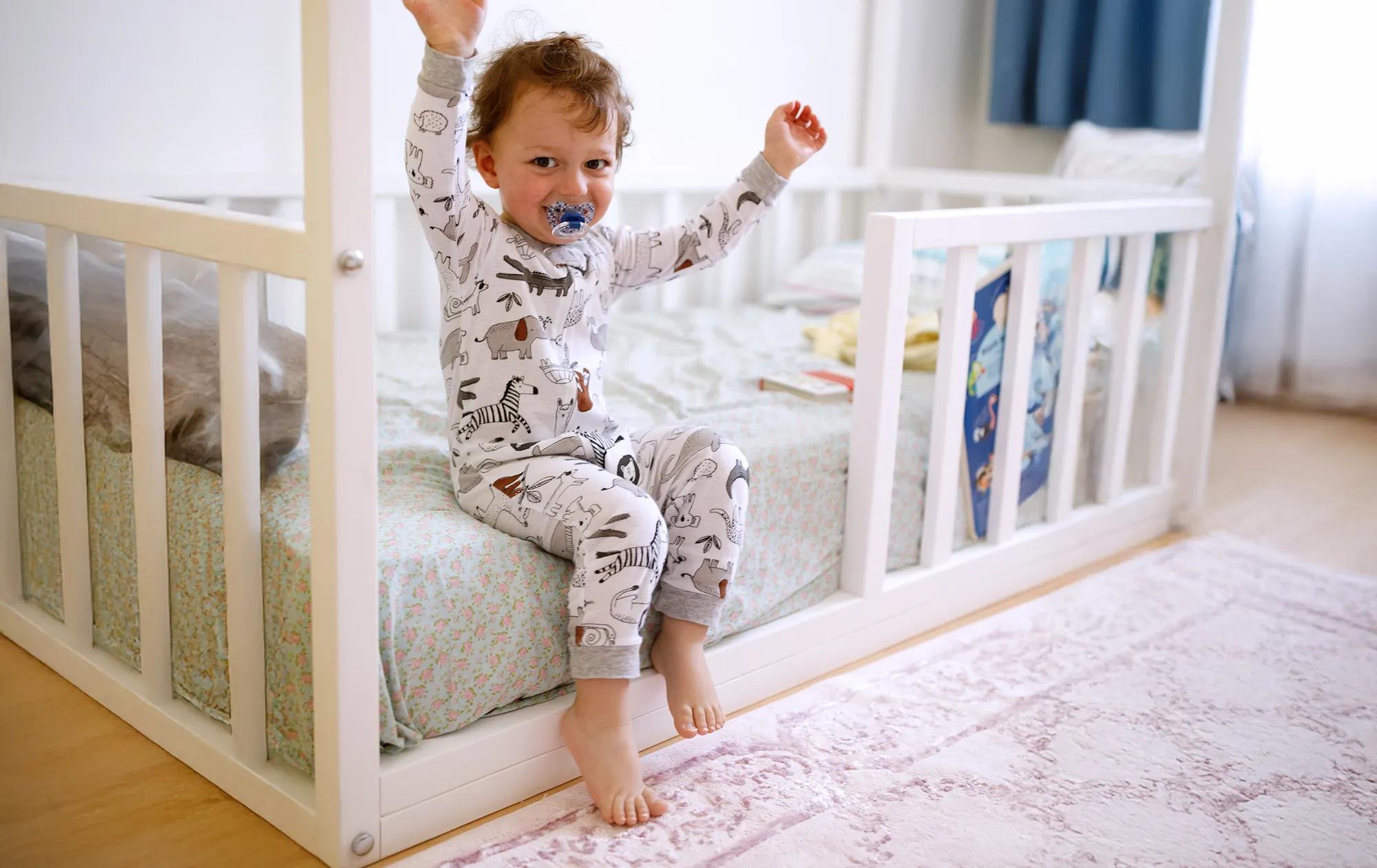
Climbing out of the crib can cause injury. Toddler beds have low frames to reduce fall risks. Make sure the new bed has guardrails. Check the room for hazards like sharp furniture edges. Safety helps your child feel secure and parents feel calm.
Typical Age Range For Toddler Beds
Choosing the right time for a toddler bed helps your child feel safe and comfortable. The typical age range for toddler beds varies but usually fits most young children’s needs. Knowing this range helps parents plan the transition smoothly.
Average Starting Age
Most children start using a toddler bed between 18 months and 3 years old. This age fits when they outgrow their crib but are not ready for a big kid bed. Parents often make this switch to give toddlers more space and freedom.
Common Transition Timelines
Many kids stay in a toddler bed until they are about 5 years old. Some children move to a regular bed sooner, around age 4. The timeline depends on the child’s growth and comfort level in the toddler bed.
Variations By Child
Every child is different. Some may use a toddler bed longer for safety and familiarity. Others may switch early if they feel ready for a bigger bed. Watch your child’s behavior to decide the best time.
Factors Influencing Toddler Bed Duration
The length of time a child stays in a toddler bed varies. Several factors influence this duration. Each child grows and changes at their own pace. Parents must watch for signs that their child is ready to move on. Understanding these factors helps parents make the right choice.
Child’s Developmental Milestones
Physical growth plays a big role in bed transition. When a child becomes too tall for the toddler bed, it is time to switch. Motor skills also matter. A child who can climb out of the bed easily may need a safer setup. Emotional readiness is key. Children who show fear or resistance might need more time in their current bed.
Sleeping Habits
How a child sleeps affects bed duration. Some children stay in bed all night, while others get up often. Regular waking or restless sleep can mean the bed is no longer comfortable. A child who naps well in their bed might stay longer. Changes in sleep patterns often signal a need for a new bed.
Room Setup And Environment
The room’s safety influences how long a toddler bed lasts. A well-organized room with safe furniture helps toddlers stay longer in their beds. Room size matters. Larger rooms may allow for bigger beds sooner. Parents should create a calm, secure space. This supports better sleep and smoother transitions.
Credit: health.clevelandclinic.org
Signs Your Child Should Move On From A Toddler Bed
Knowing when to move your child from a toddler bed is important for their safety and comfort. Toddlers grow fast, and their needs change quickly. Watching for clear signs helps you decide the right time for a bigger bed. This keeps your child safe and happy during sleep.
Climbing Out Risks
Climbing out of a toddler bed can be dangerous. If your child tries to climb over the bed rails, they might fall and hurt themselves. This behavior shows they need a bed that is easier to get in and out of safely. A bigger bed with a mattress on the floor or a low bed frame can help reduce risks.
Size And Comfort Issues
Your child might outgrow the toddler bed when they look cramped or uncomfortable. Legs sticking out or the mattress feeling too small are clear signs. A bed that fits their size helps them sleep better. Moving to a bigger bed allows your child to stretch and rest well at night.
Behavioral Cues
Some children show they are ready for a new bed through behavior. If your child resists bedtime or tries to leave the bed often, they might need a change. A toddler may also ask for a “big kid” bed. These cues mean they want more freedom and comfort in their sleep space.
Expert Tips For A Smooth Transition
Moving your child to a toddler bed is a big step. It needs care and patience. This change can feel new and strange for your child. Follow expert tips to help your child accept the new bed easily. A smooth transition helps your child feel safe and happy.
Introducing The Bed Positively
Show the toddler bed with excitement. Let your child touch and explore it. Use simple words like “new bed” or “big kid bed.” Make it a fun experience. Read a story or play near the bed. Make your child see the bed as a good place.
Establishing A Bedtime Routine
Create a calm and clear bedtime routine. Do the same steps every night. Start with a bath or brushing teeth. Follow with a story or quiet talk. Keep lights low and voices soft. A routine helps your child feel safe and ready to sleep.
Handling Resistance
Expect some fuss or fear at first. Stay calm and patient. Offer comfort but keep the rules firm. Gently guide your child back to bed if they get up. Praise small successes to build confidence. Consistency helps your child adjust faster.
Safety Measures For Toddler Beds
Safety is the top priority when using a toddler bed. Toddlers are active and curious. They need a secure space to sleep and play. Parents must take steps to prevent accidents and injuries. This section covers key safety measures for toddler beds. It helps create a safe sleeping environment for your child.
Choosing The Right Bed
Select a toddler bed with sturdy construction. The bed should be low to the ground to avoid falls. Look for beds with smooth edges and no sharp corners. Avoid beds with gaps where a child can get stuck. Choose non-toxic paint and materials. Check the bed meets safety standards for children’s furniture.
Installing Bed Rails
Bed rails keep toddlers from rolling off the bed. Install rails on both sides for extra protection. Make sure the rails fit securely and are not loose. Rails should be high enough to stop falls but low enough for easy exit. Avoid rails with large openings that a child can slip through. Regularly check rails for damage or wear.
Room Safety Checks
Inspect the room around the toddler bed. Remove small objects that a child could swallow. Secure heavy furniture to the wall to prevent tipping. Cover electrical outlets with safety plugs. Keep cords and blinds out of reach. Place a soft rug or carpet beside the bed. This cushions any accidental falls and makes the room cozy.
Alternatives To Toddler Beds
Choosing the right bed for a growing child is important. Toddler beds work well for some time but are not the only option. Parents can explore other beds that fit children’s needs and safety. These alternatives can grow with the child or offer more comfort and security.
Convertible Cribs
Convertible cribs change as your child grows. They start as a crib and turn into a toddler bed. Later, many convert into a full-size bed. This saves money and space. Kids can use one bed for several years. It also keeps a familiar place for sleeping.
Twin Beds With Safety Features
Twin beds suit older toddlers and young kids well. Choose one with guardrails to prevent falls. Look for beds close to the floor for easy access. These beds offer more room to grow. They are good for children who need more space to move.
Floor Beds
Floor beds sit directly on the floor without a frame. They help toddlers feel free to move in and out of bed. This type supports independence and confidence. Floor beds reduce the risk of injury from falls. They work well for children who like to explore.

Credit: www.amazon.com

Credit: www.childrenscolorado.org
Frequently Asked Questions
How Long Do Kids Typically Use Toddler Beds?
Kids usually use toddler beds between ages 2 and 5. The exact duration depends on their size and comfort. When they outgrow the bed or show readiness for a bigger bed, it’s time to transition. Safety and comfort are key factors.
When Should A Child Switch From Toddler To Regular Bed?
Children should switch when they exceed toddler bed size or safety limits. Typically, this happens around age 5 or when climbing out becomes frequent. Switching ensures better support and reduces fall risk. Parents should monitor growth and behavior closely.
Are Toddler Beds Safe For Older Kids?
Toddler beds are designed for young children up to 5 years old. Using them for older kids may compromise safety and comfort. Older kids need bigger beds with stronger support and proper guardrails. Transitioning timely prevents accidents and improves sleep quality.
What Signs Indicate A Toddler Is Ready For A Bigger Bed?
Signs include climbing out of the toddler bed, outgrowing its size, or expressing interest in a bigger bed. If the child feels cramped or restless, it’s a clear sign. These indicators help parents decide the right time to switch beds.
Conclusion
Choosing how long a kid stays in a toddler bed depends on many things. Safety matters most. Watch your child’s size and comfort closely. When they start climbing out or seem cramped, it’s time to switch. Each child grows at their own pace.
Trust your instincts and keep their needs first. A smooth change helps kids feel safe and happy. Remember, every step in growing up is important. Keep your child’s comfort and safety as your guide. This way, bedtime stays calm and cozy for everyone.