Are you wondering how long your metal outdoor furniture will stand up to sun, rain, and all kinds of weather? You want to invest in pieces that don’t just look good but last for years without losing their charm.
Knowing the lifespan of metal outdoor furniture can help you make smart choices and avoid costly replacements. You’ll discover key factors that affect durability and get tips to keep your furniture looking fresh season after season. Keep reading to protect your investment and enjoy your outdoor space worry-free.
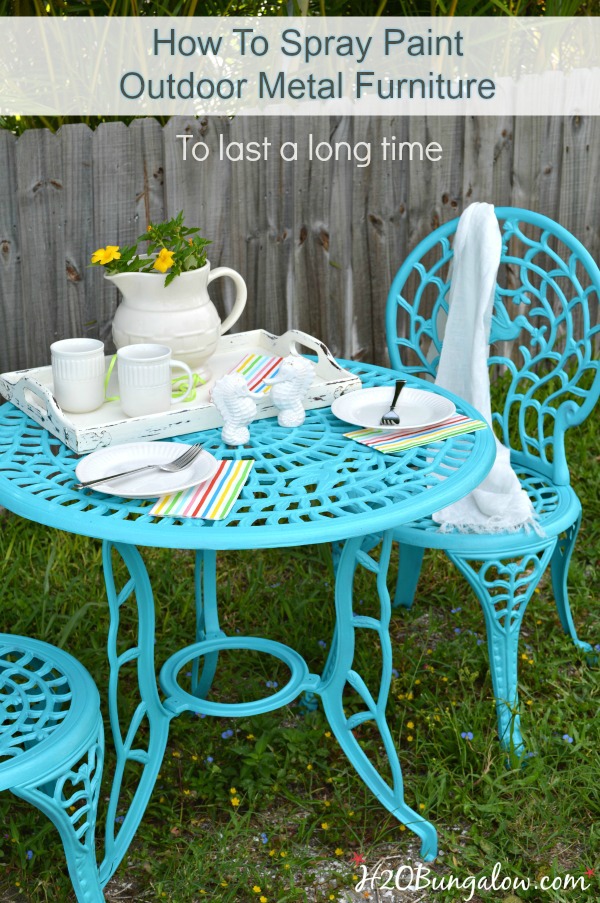
Credit: h2obungalow.com
Factors Affecting Metal Furniture Lifespan
Metal outdoor furniture can last for many years. Its lifespan depends on many factors. Knowing these helps you choose and care for your furniture. This section explains key elements that affect how long metal furniture lasts outdoors.
Type Of Metal Used
Different metals have different strengths. Aluminum resists rust and is lightweight. Steel is strong but may rust without protection. Wrought iron is heavy and durable but needs care. The metal type impacts how long the furniture stays in good shape.
Coatings And Finishes
Coatings protect metal from weather damage. Powder coating creates a tough, protective layer. Paint can block moisture and prevent rust. Galvanizing adds a zinc layer to steel for rust resistance. Good finishes extend furniture life significantly.
Environmental Conditions
Sun, rain, and humidity all affect metal furniture. Coastal areas with salt air cause faster rusting. Dry climates slow down corrosion. Shade reduces sun damage to coatings. The environment plays a big role in how fast metal wears out.
Maintenance Practices
Regular cleaning removes dirt and moisture. Applying protective oils or waxes helps prevent rust. Covering furniture protects it from rain and sun. Quick repairs stop small rust spots from growing. Good care keeps metal furniture lasting longer.

Credit: www.worldmarket.com
Common Metals In Outdoor Furniture
Metal outdoor furniture lasts longer than many other materials. The type of metal affects its strength and resistance to weather. Different metals have unique qualities. Understanding these helps you choose the right furniture for your space.
Common metals used in outdoor furniture include aluminum, steel, wrought iron, and cast aluminum. Each metal has pros and cons. Knowing these details helps in maintaining and enjoying your furniture for years.
Aluminum
Aluminum is light and rust-resistant. It does not corrode easily in rain or sun. This metal is easy to move. It needs little maintenance to keep its look. Aluminum furniture is popular for patios and decks.
Steel
Steel is very strong and durable. It can withstand heavy use and weight. Steel can rust if not protected well. Many steel furniture pieces have a powder coating. This coating prevents rust and adds color.
Wrought Iron
Wrought iron is heavy and strong. It has a classic, elegant look. This metal can rust without proper care. Regular painting or sealing helps protect it. Wrought iron furniture can last for decades.
Cast Aluminum
Cast aluminum is made by molding liquid metal. It allows for detailed designs and shapes. It is heavier than regular aluminum. This metal is also rust-resistant and sturdy. Cast aluminum furniture often looks like wrought iron.
Durability Of Different Metals
Metal outdoor furniture lasts for many years depending on the type of metal used. Each metal has its own level of durability. This affects how long the furniture stays strong and looks good. Understanding these differences helps you choose the best furniture for your needs.
Some metals resist rust better than others. Some are stronger and hold their shape well. Others may show signs of wear faster. Knowing these details can save money and effort in the long run.
Rust And Corrosion Resistance
Rust can ruin metal furniture quickly. Metals like aluminum and stainless steel resist rust well. Aluminum forms a protective layer that stops corrosion. Stainless steel contains chromium, which prevents rust formation. Iron and steel need protective coatings to avoid rust. Without paint or sealant, they will corrode faster outdoors.
Strength And Structural Integrity
Strength is important for outdoor furniture. Steel is very strong and holds heavy weight. Aluminum is lighter but still strong enough for most uses. Wrought iron is also strong but can bend under pressure. Metal furniture that keeps its shape lasts longer. Weak metals or thin pieces may bend or break easily.
Wear And Tear Over Time
Outdoor furniture faces sun, rain, and wind every day. Metals like aluminum handle weather changes well. Stainless steel resists scratches and dents better than others. Iron and steel may chip or crack if not cared for. Paint or coatings can protect metal from damage. Regular cleaning also helps furniture stay in good shape.
Impact Of Weather On Metal Furniture
Weather plays a big role in how long metal outdoor furniture lasts. Different weather conditions affect metal in different ways. Understanding these effects helps in choosing and caring for your furniture.
Sun Exposure Effects
Sunlight can cause metal to heat up quickly. This makes the furniture uncomfortable to touch on hot days. Over time, sun exposure can fade paint and finishes. It can also cause some metals to weaken or crack.
Rain And Moisture Impact
Rain and moisture can lead to rust on metal furniture. Water collects in joints and crevices, causing corrosion. Protective coatings help but can wear off over time. Regular drying and covering can reduce moisture damage.
Snow And Ice Considerations
Snow and ice add weight and moisture to metal furniture. Freezing water expands, which can cause cracks or warping. Prolonged exposure to ice increases rust risk. Storing furniture indoors during winter extends its life.
Maintenance Tips To Extend Lifespan
Metal outdoor furniture can last many years with proper care. Regular maintenance keeps it strong and looking good. Simple steps help prevent rust and damage. Follow these tips to extend your furniture’s life and enjoy it longer.
Cleaning Techniques
Clean metal furniture often to remove dirt and grime. Use a soft cloth or sponge with mild soap and water. Avoid harsh chemicals that can damage the finish. Rinse with clean water and dry well to stop rust. For tough spots, try a mixture of vinegar and water.
Protective Coatings Application
Apply protective coatings to shield metal from weather. Use paint or clear sealants made for outdoor metal. Check for chips or scratches and fix them fast. Rust-proof sprays add extra defense. Reapply coatings every year or as needed to keep protection strong.
Storage And Covering Strategies
Store furniture indoors during harsh weather or winter months. Use waterproof covers to protect pieces left outside. Make sure covers fit well and allow air to flow. Keep furniture off the ground to avoid moisture buildup. Proper storage reduces wear and extends lifespan.
Signs Metal Furniture Needs Replacement
Metal outdoor furniture can last many years with proper care. Still, it shows signs when it needs replacing. Recognizing these signs helps keep your outdoor space safe and attractive.
Visible Rust And Corrosion
Rust is a common problem for metal furniture. Small spots can spread quickly. Corrosion weakens the metal and damages its look. Watch for orange or brown patches on the surface. These spots mean the metal is breaking down. Rust can cause holes and sharp edges. These make the furniture unsafe to use. If rust covers large areas, replacement is best.
Structural Weakness
Metal furniture must be strong and stable. Check for wobbly legs, loose joints, or bent frames. These signs show the metal is weakening. Over time, weather and use can damage the structure. Weak parts may collapse under weight. This risk makes the furniture unsafe. If repairs do not fix the problem, replacing the furniture is safer.
Paint Peeling And Surface Damage
Paint protects metal from weather damage. Peeling or chipping paint exposes metal to air and water. This speeds up rusting and corrosion. Surface damage like scratches or dents also harms protection. If paint peels in many areas, the furniture ages quickly. Repainting might help but only for minor issues. Large paint damage means it’s time to replace the furniture.
Comparing Metal To Other Materials
Choosing outdoor furniture means picking the right material for your needs. Metal stands out for its strength and style. Comparing metal with other popular materials helps you decide which suits your space best. Each material has pros and cons in durability and cost. Understanding these differences guides your choice for lasting outdoor furniture.
Wood Vs Metal Durability
Wood offers a warm, natural look. It can last many years with care. But wood needs regular sealing to avoid damage from rain and sun. Without care, wood may crack or rot. Metal resists weather better than wood. It does not warp or rot. Metal furniture handles rain, sun, and wind well. Rust can be a problem but can be prevented with paint or coating.
Plastic Vs Metal Durability
Plastic furniture is light and easy to move. It does not rust or rot. Plastic can fade and become brittle over time. Strong winds might blow it away or crack it. Metal is heavier and more stable. It withstands impacts and pressure better. Metal lasts longer than plastic in most outdoor settings. Plastic needs replacement sooner than metal.
Cost And Longevity Trade-offs
Wood furniture often costs more upfront. Proper care extends its life. Metal furniture has a moderate price but lasts many years. Plastic is usually cheaper but wears out faster. Spending more on metal or wood can save money later. Cheaper plastic may need replacing every few years. Think about how long you want the furniture to last.
Choosing Long-lasting Metal Outdoor Furniture
Choosing metal outdoor furniture that lasts means picking the right pieces carefully. Metal furniture can stand tough weather and time if you choose well. Focus on materials, quality, and the brand to get the best value.
Good choices save money and keep your patio stylish for years. Below are key points to help select long-lasting metal outdoor furniture.
Material Selection Tips
Look for metals like aluminum, wrought iron, or stainless steel. Aluminum is light and rust-resistant. Wrought iron offers strong support but may need rust protection. Stainless steel is very durable and resists weather well.
Check if the furniture has a protective coating. Powder-coated finishes prevent rust and fading. Avoid thin metals that bend or dent easily.
Quality Indicators
Strong welds and sturdy joints show good craftsmanship. Check the weight; heavier pieces often mean better quality. Smooth finishes without scratches or chips last longer.
Test for stability. Furniture should not wobble or feel weak. Look for even paint or coating that covers all metal parts.
Brand And Warranty Considerations
Choose brands with good reputations for outdoor furniture. A solid warranty shows confidence in product durability. Read warranty details carefully to understand coverage.
Brands that offer customer support help solve issues fast. Reviews from other buyers can reveal real-life performance and durability.
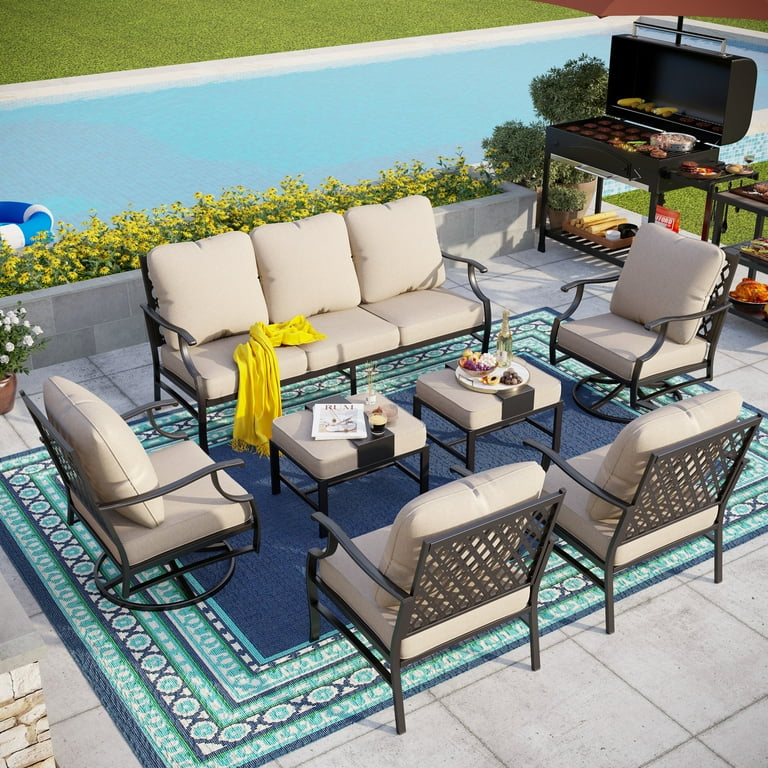
Credit: www.walmart.com
Frequently Asked Questions
How Long Does Metal Outdoor Furniture Typically Last?
Metal outdoor furniture generally lasts 10 to 25 years. Its lifespan depends on the metal type, coating, and maintenance. Proper care like cleaning and rust prevention extends its durability significantly.
What Factors Affect Metal Furniture Longevity Outdoors?
Exposure to weather, moisture, and UV rays impact metal furniture lifespan. Rust, corrosion, and paint peeling shorten its life. Regular maintenance and protective coatings help resist these elements and prolong usage.
Does Metal Type Influence Outdoor Furniture Durability?
Yes, metal type greatly affects durability. Aluminum resists rust and lasts 15-20 years. Steel is stronger but may rust without treatment. Wrought iron is durable but needs regular painting to prevent corrosion.
How Can I Maintain Metal Outdoor Furniture Longer?
Clean furniture regularly with mild soap and water. Apply rust-resistant paint or sealant yearly. Store furniture in a dry place during harsh weather. Covering furniture also protects it from moisture and UV damage.
Conclusion
Metal outdoor furniture can last many years with proper care. Choosing rust-resistant materials helps extend its life. Regular cleaning and covering furniture protects it from weather damage. Small repairs prevent bigger problems later. Remember, quality metal and good maintenance create durable outdoor pieces.
Enjoy your furniture season after season without worry. Simple steps make a big difference in lasting comfort.