Are you wondering how long your little one should sleep in a toddler bed? You’re not alone.
Transitioning from a crib to a toddler bed is a big step, and knowing the right amount of sleep during this stage is key to your child’s growth and happiness. You’ll discover practical tips and clear answers that will help you create the perfect sleep routine for your toddler.
Keep reading to find out how to make bedtime easier for both you and your child.
When To Transition To A Toddler Bed
Transitioning to a toddler bed is an important step for both parents and children. It marks a new stage in your child’s growth and independence. Choosing the right time helps your toddler feel safe and comfortable. This section explains how to know when to make the change.
Signs Your Toddler Is Ready
Your child may start climbing out of the crib. This can be dangerous and shows readiness for a toddler bed. They might also ask to sleep in a “big kid” bed. Notice if your toddler shows excitement about the new bed. Look for better motor skills, such as climbing in and out safely. These signs help you decide if the transition is right now.
Ideal Age Range
Most toddlers move to a toddler bed between 18 months and 3 years. Some children may be ready earlier or later. Age is not the only factor. Watch your child’s behavior and development first. This range gives a general idea but trust your child’s needs and safety. Making the change too early or late can cause sleep problems.
Recommended Sleep Duration For Toddlers
Toddlers need the right amount of sleep to grow and stay healthy. Sleep helps their brains develop and bodies recharge. Knowing how long toddlers should sleep helps parents create good routines.
Sleep needs change as toddlers grow. Too little sleep can make them cranky and slow their learning. Too much sleep may affect their daily activities. Finding the right balance is key for happy toddlers.
Daily Sleep Needs
Toddlers usually need 11 to 14 hours of sleep every day. This total includes both nighttime sleep and naps. Most toddlers sleep about 10 to 12 hours at night.
Each child is different. Some may need slightly more or less sleep. Watch your toddler’s mood and behavior to see if they get enough rest.
Balancing Naps And Night Sleep
Naps are important for toddlers but should not replace night sleep. Toddlers often take one or two naps a day. These naps last from 1 to 3 hours in total.
Too long naps late in the day can make it hard for toddlers to sleep at night. Short naps earlier in the day work best. A good nap schedule helps toddlers sleep better during the night.
Adjusting Sleep Time In Toddler Bed
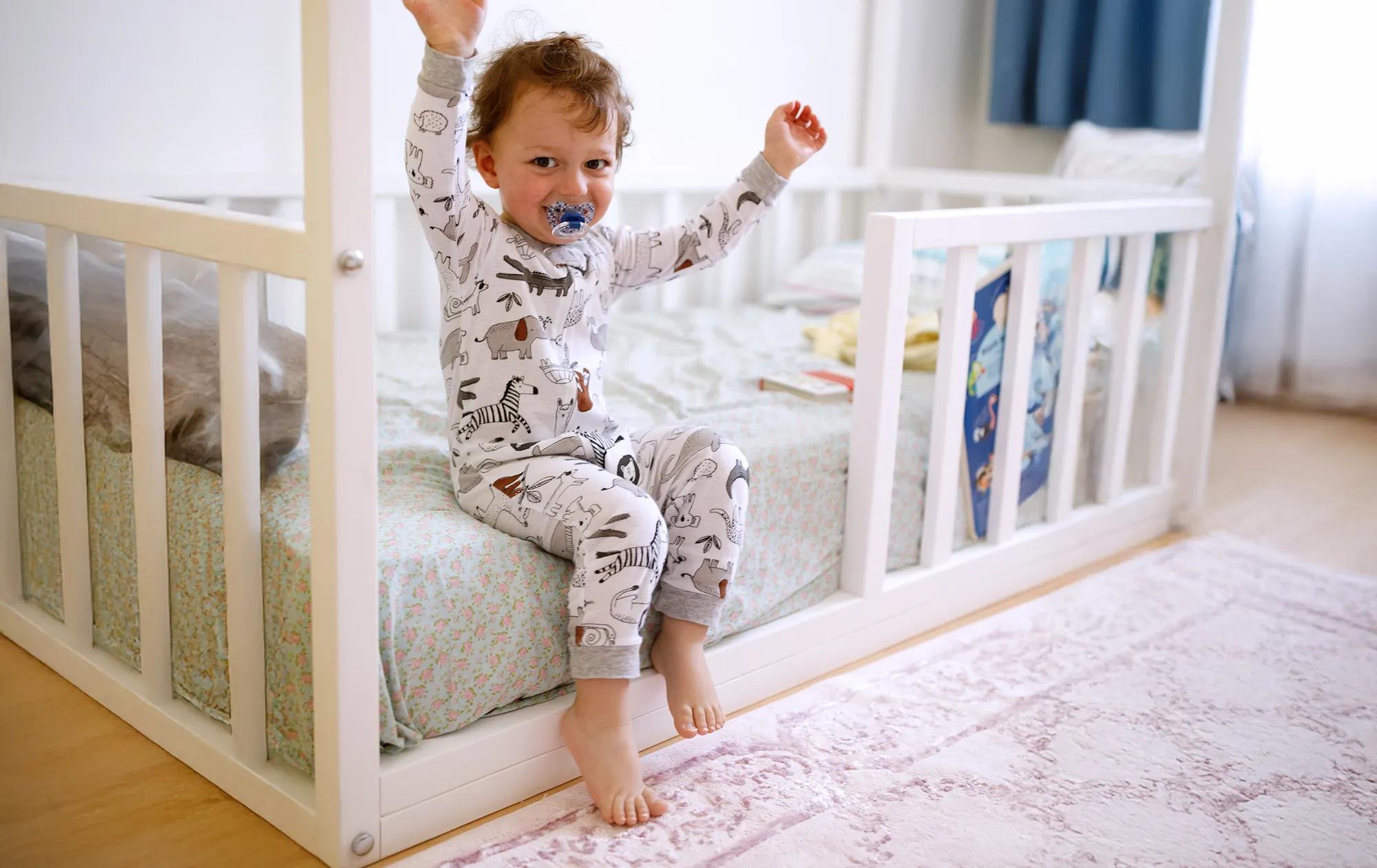
Moving your child to a toddler bed can change their sleep needs. Adjusting sleep time helps your child feel safe and rested. It also supports healthy growth and mood. This transition may take patience and small changes. Watch your child’s cues and make gradual shifts.
Establishing A Routine
Create a simple bedtime routine your toddler enjoys. Bath time, story, and soft music can calm them. Keep bedtime and wake-up time the same every day. A steady routine tells your child it is time to sleep. Predictable steps help your toddler settle faster in the new bed.
Handling Night Wakings
Night wakings may happen more often at first. Your toddler might feel unsure in the new bed. Stay calm and gentle when they wake up. Avoid turning on bright lights or playing loud sounds. Comfort them with soft words and guide them back to bed. This helps your child learn to sleep through the night.
Credit: health.clevelandclinic.org
Creating A Safe Sleep Environment
Creating a safe sleep environment is key for toddlers moving into a bed. It helps them feel secure and sleep well. A safe space lowers risks and gives parents peace of mind. Simple steps make a big difference in the bedroom setup. Focus on choosing the right bed and arranging the room carefully.
Choosing The Right Bed
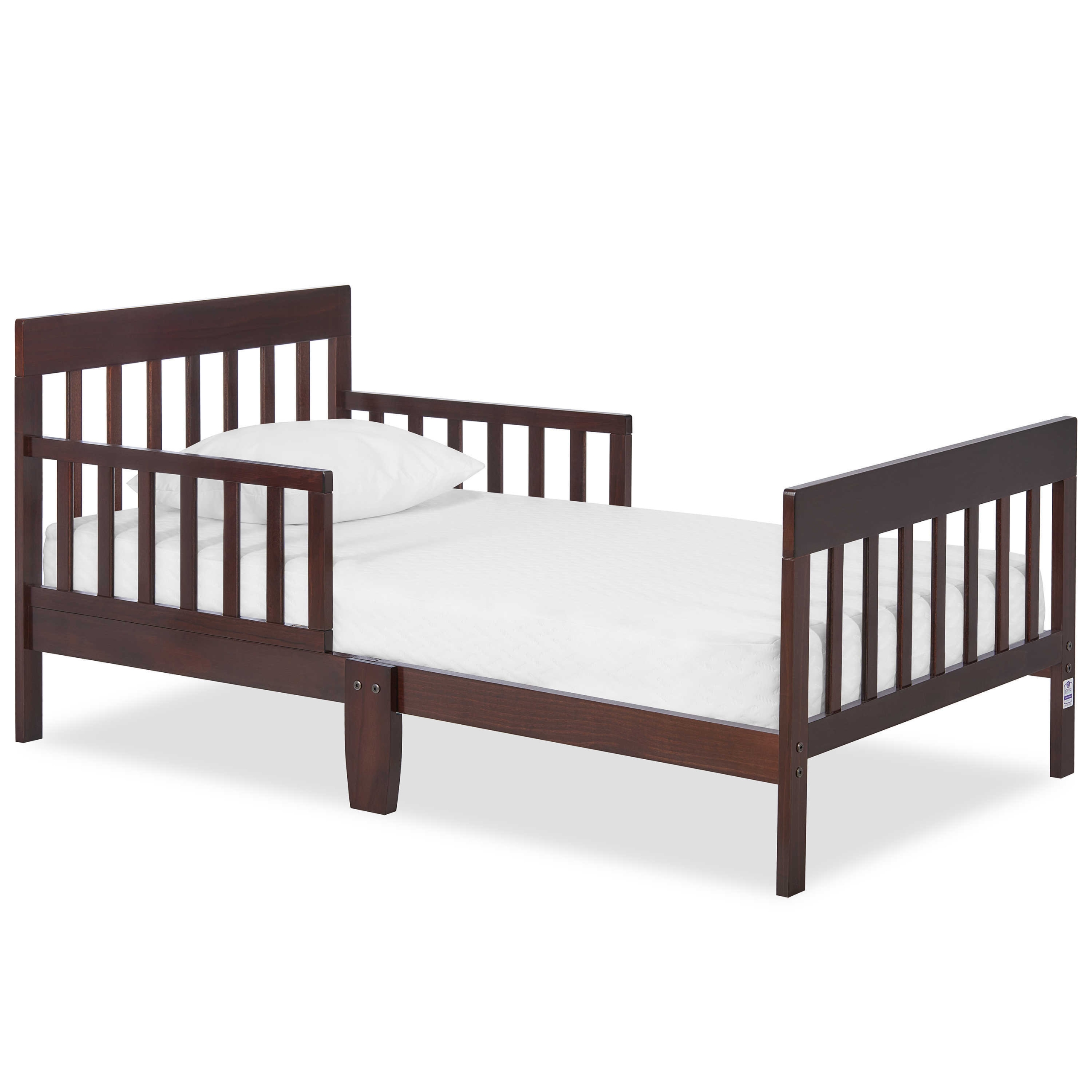
Pick a bed made for toddlers. It should be low to the ground to prevent falls. Guardrails on both sides add extra safety. Avoid beds with sharp edges or loose parts. A firm mattress that fits the bed frame well is important. Make sure bedding is light and breathable. This stops overheating and keeps your child comfortable.
Room Setup Tips
Keep the room tidy and free of small toys or objects. These items can cause trips or choking hazards. Place the bed away from windows and cords. Cover electrical outlets with safety plugs. Use night lights to help your toddler see at night. Ensure the floor is soft with a rug or carpet. This cushions any accidental falls. Check the room temperature stays cool and cozy for better sleep.
Common Sleep Challenges
Moving a toddler to a new bed brings fresh challenges. Sleep patterns may change. Toddlers often test boundaries. These challenges affect how long they sleep in their new bed.
Parents often face common issues that disrupt sleep. Understanding these helps create better routines. Here are two frequent problems and ways to handle them.
Dealing With Resistance
Toddlers may resist bedtime in their new bed. They want to stay up and play. This can delay their sleep time. Consistent routines help reduce resistance. Calm and firm bedtime rules work best. Praise your child when they follow the rules.
Managing Early Wake-ups
Early waking is common with toddlers in a new bed. They might get up too soon. This shortens their total sleep time. Use blackout curtains to keep the room dark. A quiet toy can comfort them back to sleep. Teach your toddler to stay in bed until it’s morning.
Credit: dreamonme.com
Tips For Smooth Sleep Transitions
Moving a toddler to a new bed can be a big change. It may take time for your child to feel safe and comfortable. Smooth sleep transitions help your toddler adjust better. Try simple steps to make bedtime calm and easy.
Consistency And Patience
Stick to the same bedtime routine every night. This helps your toddler know what to expect. Be patient. Your child might resist the change at first. Keep calm and gentle. Over time, your toddler will accept the new bed.
Using Comfort Objects
Let your toddler have a favorite toy or blanket in bed. Comfort objects can provide security. They make the new bed feel familiar. This helps reduce fear or anxiety. Your child sleeps better with a trusted item nearby.

Credit: www.babysleepmadesimple.com
Frequently Asked Questions
How Many Hours Should Toddlers Sleep In Bed?
Toddlers typically need 11 to 14 hours of sleep daily, including naps. Nighttime sleep in a toddler bed should last about 10 to 12 hours to support growth and development effectively.
When Is The Best Age To Start Toddler Bed Sleep?
Most children transition to a toddler bed between 18 months and 3 years. This age range balances safety and readiness, helping toddlers adjust smoothly to a new sleep environment.
How To Ensure Toddlers Sleep Well In Toddler Beds?
Create a consistent bedtime routine, keep the room comfortable, and limit screen time before bed. Positive reinforcement and a favorite stuffed toy can also help toddlers feel secure and sleep better.
Is It Normal For Toddlers To Resist Toddler Bed Sleep?
Yes, resistance is common as toddlers adjust to new routines. Patience and gentle encouragement help them accept the toddler bed and develop healthy sleep habits over time.
Conclusion
Toddlers need about 10 to 14 hours of sleep daily. This time includes naps and nighttime rest. Transitioning to a toddler bed helps them feel more grown-up. Watch your child’s sleep signs and adjust bedtime as needed. Consistent sleep routines support healthy growth and mood.
Remember, every child is different; trust your instincts. Good sleep builds happy, healthy kids ready for each day.