Are you wondering how long your child can safely stay in a toddler bed? It’s a question many parents face as their little one grows faster than expected.
Choosing the right time to move your child to a bigger bed can feel tricky. You want to keep them comfortable, safe, and happy. You’ll discover simple signs to watch for and expert tips to help you decide when it’s time for that next big step.
Keep reading, and you’ll feel confident making the best choice for your child’s sleep and growth.
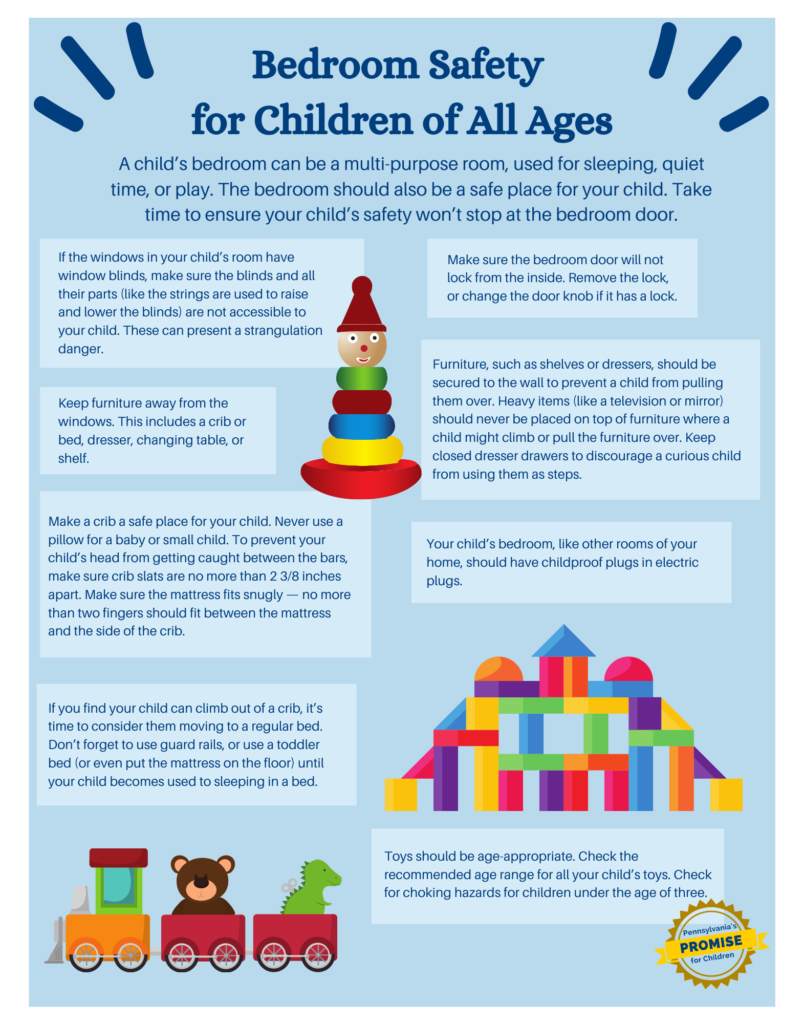
Credit: papromiseforchildren.com
Ideal Age Range
Choosing the right time for a child to use a toddler bed is important. The ideal age range depends on many factors. Parents must observe their child’s growth and behavior. This helps to decide when to switch from a crib to a toddler bed.
Safety and comfort are top priorities. Toddler beds offer more freedom but still keep children secure. Knowing the usual starting age and signs of readiness makes the process easier.
Typical Starting Age
Most children move to a toddler bed between 18 months and 3 years. This is the common time for many families. Some kids may start earlier or later. It depends on their size and development.
Many children outgrow their cribs by 2 years old. At this age, they become more active. Toddler beds have low rails to prevent falls. This gives children space but keeps them safe.
Signs Of Readiness
Watch for clues that your child is ready for a toddler bed. Climbing out of the crib is a key sign. This shows they need a safer option. Also, children may ask to sleep in a “big kid” bed.
Physical growth matters too. If the child feels cramped in the crib, it is time to move. Independence and curiosity show readiness as well. Toddler beds allow more freedom while keeping safety in mind.

Credit: myfirstnursery.co.uk
When To Transition Out
Knowing when to move your child from a toddler bed is important. The right timing keeps your child safe and comfortable. It also helps with their growth and sleep habits. Watching for signs can make this change smooth and easy. Here are key points to consider.
Physical Growth Considerations
Children usually outgrow toddler beds by age three to five. Check your child’s height and weight. If they are too big for the bed, it may be time to switch. Legs hanging off or cramped space means less comfort. Also, toddlers who climb out often need a bigger bed for safety.
Safety Concerns
Safety is the top priority. If your child tries to climb out, falls might happen. A bigger bed with guardrails can prevent injuries. Make sure the new bed fits the room and has no sharp edges. Avoid beds too high off the floor for toddlers. Secure bedding and avoid heavy blankets to reduce risks.
Behavioral Indicators
Watch how your child acts around their bed. Refusing to sleep or moving a lot shows readiness to change. Expressing interest in a “big kid” bed is a good sign. Night waking or fear of falling may mean they need more space. Listening to these clues helps choose the right time to transition.
Comparing Toddler Beds And Cribs
Comparing toddler beds and cribs helps parents choose the right sleeping option. Both have unique features that fit different stages of a child’s growth. Understanding these differences makes it easier to decide how long a child can stay in a toddler bed.
Size Differences
Cribs are usually larger and designed for babies up to two years old. They have high sides to keep babies safe inside. Toddler beds are smaller and lower to the ground. They fit a standard crib mattress but allow easier access for toddlers. This size change suits children who start to move around more at night.
Safety Features
Cribs have tall railings to prevent babies from falling out. They meet strict safety rules for infants. Toddler beds have shorter rails or side guards to stop toddlers from rolling off. These beds focus on easy entry and exit while keeping safety in mind. Both types avoid sharp edges and toxic materials.
Alternatives To Toddler Beds
Toddler beds are great for young kids. But children grow fast. Sometimes, a toddler bed may not fit their needs anymore. Parents find other options to keep their child safe and comfy. These alternatives can last longer and offer more space.
Convertible Cribs
Convertible cribs change as your child grows. They start as a crib for babies. Later, they turn into a toddler bed. Some even become a small bed for older kids. This saves money and space. The child feels secure with familiar surroundings. It suits parents who want one piece of furniture for years.
Twin Beds With Safety Rails
Twin beds are bigger than toddler beds. Adding safety rails helps prevent falls. These rails give extra protection while sleeping. Twin beds work well for older toddlers and preschoolers. They offer more room to move around. Parents choose these beds for children ready for a bigger bed. Safety rails keep the child safe during sleep.
Tips For A Smooth Transition
Helping a child move from a crib to a toddler bed needs care and patience. A smooth change makes nights calm and safe. Small steps and good habits help your child feel happy in the new bed. This section shares simple tips to ease the change.
Creating A Comfortable Sleep Environment
Make the new bed cozy and inviting. Use soft sheets and a favorite blanket or stuffed toy. Keep the room quiet and dark. A night light can help if your child feels scared. The bed should feel safe, not strange.
Establishing Consistent Bedtime Routines
Set a bedtime and stick to it every night. Do the same activities before bed, like reading a story or singing a lullaby. This routine signals the body it is time to sleep. Consistency helps your child relax and fall asleep faster.
Expert Recommendations
Experts give clear advice about how long children should use toddler beds. Their guidelines help parents decide the best time to switch to a regular bed. These recommendations come from doctors and child development specialists.
Pediatrician Advice
Pediatricians suggest children stay in toddler beds until about age 3 to 5. This range fits most kids’ growth and safety needs. Toddler beds have guardrails to prevent falls, which suits younger children well.
Doctors also say to watch your child’s size and behavior. If a child climbs out often, it might be time to move them. Safety remains the top concern during this transition.
Child Development Perspectives
Child development experts focus on skills and comfort. They note that around age 5, many kids outgrow toddler beds physically. Emotional readiness is important too. Kids should feel safe and confident in their sleeping space.
Experts encourage parents to consider the child’s height and how they sleep. Some children need more space to move comfortably. Listening to the child’s needs helps make the switch easier for everyone.

Credit: sleepingchildsaneparent.com
Frequently Asked Questions
How Long Can A Child Safely Use A Toddler Bed?
Typically, children use toddler beds from ages 18 months to 5 years. Transition depends on their size, safety, and comfort levels. Parents should switch when the child outgrows the bed or attempts to climb out, ensuring safer sleeping arrangements.
When Should A Child Move From Toddler To Twin Bed?
Most children move to a twin bed between 3 and 5 years old. The transition often occurs when they become too tall for the toddler bed or seek more independence. Safety and comfort guide this change.
Are Toddler Beds Suitable For Children Over 5 Years?
Toddler beds are generally not recommended for children over 5 years. Older kids often outgrow the size and need more space. Upgrading to a twin bed provides better support and comfort for growing children.
What Signs Indicate It’s Time To Leave The Toddler Bed?
Signs include outgrowing the bed, climbing out frequently, or discomfort while sleeping. If the bed feels cramped or unsafe, it’s time to transition. Monitoring these behaviors ensures child safety and a good night’s sleep.
Conclusion
Toddler beds suit children usually between ages two and five. Many kids move to bigger beds when they grow taller. Safety and comfort matter most when choosing bed time. Watch your child’s size and habits closely. Every child is unique, so timing can differ.
A good bed helps your child sleep well. Choose a bed that fits your child’s needs. This helps make bedtime safe and cozy. Keep observing your child’s comfort and safety. Your child’s sleep quality will improve with the right bed.