Are you wondering when your little one should move from a crib to a bed? This question is on every parent’s mind as toddlers grow quickly and their needs change.
Making the right move at the right time can help your child feel safe and comfortable, while also giving you peace of mind. You’ll discover the signs to watch for and the best age range to make this important transition.
Keep reading to learn how to make bedtime easier for both you and your toddler.

Credit: www.whattoexpect.com
Signs Your Toddler Is Ready
Knowing when your toddler is ready to move to a bed is important. It helps make the change smooth and safe. Watch for key signs in your child’s growth and behavior. These signs show they can handle a new sleeping space.
Check your toddler’s physical, emotional, and sleep changes. Each area offers clues about readiness. This helps you decide the best time to switch.
Physical Development
Your toddler’s size and movement skills matter. They should climb out of a crib easily. Standing and walking well are good signs. These skills show they can get in and out of bed safely. Also, they should have better balance and coordination.
Emotional Readiness
Look for signs your toddler feels safe and calm. They might ask to sleep in a “big kid” bed. If they show less fear of new things, this helps. Toddlers ready for a bed often want more independence. They may enjoy choosing their bedding or pajamas.
Sleep Patterns
Notice changes in your toddler’s sleep habits. They may wake up less at night. Longer sleep stretches mean they feel secure. If naps become shorter or less frequent, it helps. A toddler ready for a bed often resists the crib bars. Their sleep may be more restless in the crib.
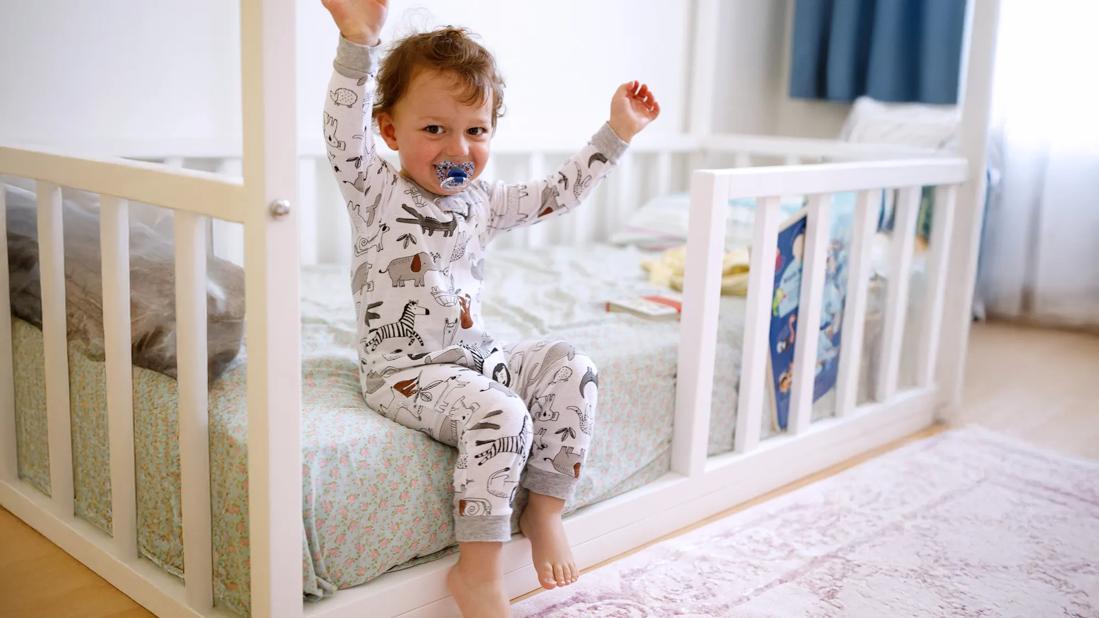
Credit: health.clevelandclinic.org
Ideal Age Range
Choosing the right time for a toddler to move to a bed is important for their comfort and safety. Most parents wonder about the ideal age range for this transition. It depends on the child’s readiness and growth. Knowing common milestones helps identify the best time to switch.
Common Age Milestones
Many toddlers move to a bed between 18 months and 3 years old. At this stage, they start to climb out of cribs, which can be unsafe. A toddler who can follow simple instructions and express needs might be ready. Some children show interest in beds with blankets and pillows. These signs often signal the right time to change.
Variations Among Children
Every child grows at their own pace. Some toddlers may move to a bed earlier or later than others. Factors like sleep habits, physical ability, and emotional readiness matter. Parents should watch their child’s behavior closely. This helps decide if a bed is a better fit than a crib. Flexibility is key during this transition.
Choosing The Right Bed
Choosing the right bed for your toddler is a key step in their growing-up journey. It helps them feel safe and comfortable. The right bed also supports good sleep habits. Many parents wonder about the best bed type and mattress for their child. This guide makes these choices easier.
Safety Considerations
Safety is the top priority when selecting a toddler bed. Look for beds with sturdy frames and no sharp edges. Beds with guardrails prevent falls during sleep. Avoid beds with small parts that can come loose. Check for non-toxic paint and materials. The bed should fit well in the room, with space to move safely around it.
Types Of Toddler Beds
Toddler beds come in several styles. The most common is a small bed with guardrails. Some beds convert from cribs to toddler beds. These save money and space. Low-to-the-ground beds make it easy for toddlers to climb in and out. Consider a bed that matches your child’s personality and room decor. Comfort and familiarity help your child settle in quickly.
Mattress Selection
Choose a mattress that fits the bed frame snugly. It should be firm yet comfortable to support your toddler’s body. Avoid soft mattresses that can cause sinking or suffocation risk. Look for hypoallergenic materials to protect sensitive skin. A mattress with a washable cover makes cleaning simple. Measuring the bed space before buying helps ensure a perfect fit.
Preparing The Room
Preparing the room is a key step before moving your toddler to a big bed. A well-prepared space makes the change easier and safer. It helps your child feel calm and happy about sleeping in a new bed. The room should invite rest and comfort, not fear or confusion.
Focus on making the room cozy, quiet, and welcoming. Little details can make a big difference in your toddler’s sleep experience. This preparation supports a smooth transition and better sleep habits.
Creating A Comfortable Space
Choose soft, breathable bedding for your toddler’s new bed. Use familiar blankets or stuffed animals to add comfort. Make sure the mattress is firm but gentle on their body. Keep the room temperature cool and pleasant. Soft lighting helps your child relax before sleep.
Minimizing Distractions
Remove toys and screens from the sleeping area. Bright lights and loud noises can keep your toddler awake. Use blackout curtains to block outside light. Keep the room quiet or use a white noise machine. A calm environment helps your toddler fall asleep faster.
Involving Your Toddler
Let your toddler choose their bedding or night light. This makes them excited about the new bed. Talk about the bed as a special place for rest and dreams. Encourage your child to help tidy the room. Feeling involved gives your toddler a sense of control and pride.
Transition Strategies
Transitioning a toddler to a bed is a big step. It needs patience and clear strategies. Toddlers feel safe with consistency and comfort. These strategies help make the change smooth and less stressful.
Parents can use simple methods to help toddlers feel secure. A good plan avoids confusion and bedtime battles. Here are key strategies to guide the move to a bed.
Establishing A Routine
Create a bedtime routine that stays the same every night. This helps toddlers know what to expect. Bath time, story time, and quiet songs work well. Start the routine about 30 minutes before sleep. A regular routine calms the child and signals bedtime.
Gradual Vs. Immediate Move
Some parents choose a slow change. Move the toddler to a bed for naps first. Then, try the bed at night after a few days. Others switch to the bed all at once. Both ways can work. Watch your child’s reaction to decide the best pace.
Using Comfort Objects
Let toddlers bring a favorite toy or blanket to bed. These objects provide comfort and familiarity. They help reduce fear of the new bed. Keep the comfort item close during bedtime. It gives the toddler something to hold and feel safe.
Handling Nighttime Challenges
Moving a toddler to a big bed brings new challenges at night. Parents must prepare for changes in sleep habits. Nighttime can become tricky as toddlers face fears and new routines. Handling these issues calmly helps toddlers feel safe and sleep better.
Understanding common nighttime problems makes it easier to support your child. Here are key ways to handle typical bedtime struggles.
Dealing With Nightmares
Nightmares often start around toddler age. They can cause fear and crying at night. Comfort your child with gentle words and hugs. Keep a nightlight on for a soft glow. Talk about happy things before bed to create positive feelings.
Managing Bedtime Resistance
Toddlers may refuse to go to bed at first. They want to stay up or play more. Set a clear and calm bedtime routine. Use the same steps every night to build habits. Offer praise when they follow the routine well.
Responding To Night Wakings
Night wakings are normal for toddlers. They might need comfort or attention briefly. Keep visits short and calm to avoid waking them fully. Avoid turning on bright lights or playing. Help them learn to fall asleep alone again.
Expert Tips For Parents
Moving a toddler to a big bed is a big step for many parents. It can bring excitement and some challenges. Knowing expert tips helps make this change smooth and less stressful for both parents and toddlers. These tips focus on building good habits and creating a calm bedtime routine.
Consistency And Patience
Keep bedtime routines the same every night. This helps toddlers understand what to expect. Be patient if your child resists the change. It may take several weeks for them to adjust. Avoid changing the routine too often. Consistency builds trust and helps toddlers feel safe.
Positive Reinforcement
Praise your toddler for sleeping in their new bed. Use small rewards like stickers or extra storytime. Celebrate small successes to encourage good behavior. Avoid punishment if your child gets out of bed. Positive reinforcement helps toddlers want to stay in bed on their own.
When To Seek Professional Advice
Talk to a pediatrician if your toddler has trouble sleeping for many weeks. Watch for signs like fear of sleeping alone or night waking. A doctor can check for sleep disorders or anxiety. Early advice can help your child develop healthy sleep habits. Don’t hesitate to ask for help if needed.

Credit: busytoddler.com
Frequently Asked Questions
At What Age Do Toddlers Typically Move To A Bed?
Toddlers usually transition from a crib to a bed between 18 months and 3 years. This depends on their physical growth and readiness. Parents should watch for signs like climbing out of the crib or expressing interest in a bed.
Safety is a key factor.
How To Know If Toddler Is Ready For A Bed?
Signs of readiness include climbing out of the crib, showing curiosity about beds, and improved motor skills. Toddlers who can follow simple instructions and communicate well usually adapt quickly. Parents should assess safety and comfort before making the switch.
What Type Of Bed Is Best For Toddlers?
A toddler bed with safety rails is ideal as it prevents falls. These beds are lower to the ground, making it easier for toddlers to get in and out. Convertible beds that grow with the child offer long-term value and comfort.
How To Make Toddler’s Bed Transition Smooth?
Create a consistent bedtime routine and involve your toddler in choosing bedding. Use positive reinforcement and ensure the new bed feels safe and cozy. Gradual adjustments and patience help toddlers adapt without stress or resistance.
Conclusion
Choosing the right age for your toddler to move to a bed depends on many things. Most children switch between 18 months and 3 years old. Watch your child’s behavior and safety needs. Make the change when they seem ready and feel secure.
A smooth move helps your toddler sleep better. Trust your instincts and be patient during this step. Every child is different. Take your time and keep comfort first. This change marks a new stage in your child’s growth. Celebrate small wins along the way.