Are you wondering when the right time is to move your child from a crib to a toddler bed? This decision can feel tricky, and you want to make sure your little one stays safe and comfortable.
Knowing the perfect age to make this change can help avoid restless nights and ease the transition for both you and your child. You’ll discover clear signs to look for, practical tips, and expert advice to help you choose the best moment to switch beds—making bedtime a peaceful and happy experience for your whole family.
Keep reading to find out what age suits your child best and how to make this big step smooth and stress-free.

Credit: www.candokiddo.com
Signs Your Child Is Ready
Moving your child to a toddler bed is a big step. It shows they are growing and gaining independence. Some kids are ready earlier than others. Watch for clear signs. These signs help you decide the right time to switch beds.
Understanding these signs can make the transition smooth. It helps your child feel safe and comfortable in their new bed.
Physical Development Indicators
Your child can climb out of their crib easily. They have better balance and coordination. Their legs are long enough to sit on the bed edge. They can get in and out without help. These signs show their body is ready for a toddler bed.
Behavioral Clues
Your child shows interest in the bed. They may ask to sleep in a “big kid” bed. They want more freedom to move at night. They might resist staying in the crib. These behaviors mean they feel ready for a change.
Sleep Patterns
Your child wakes often from the crib. They might feel cramped or uncomfortable. They may start climbing out at night. Their sleep quality changes. These sleep patterns suggest it is time for a toddler bed.

Credit: casakids.com
Choosing The Right Toddler Bed
Choosing the right toddler bed is an important step for your child’s comfort and safety. A good bed helps your toddler sleep well and feel secure. It also fits your space and budget. Think about your child’s habits and needs before buying a bed.
Consider the bed’s size and design. It should be easy for your child to get in and out. The right bed makes bedtime a happy time for your little one.
Safety Features To Look For
Choose a bed with sturdy rails to prevent falls. Rounded edges reduce the risk of bumps and bruises. Non-toxic paint and materials keep your child safe from harmful chemicals. Check that the mattress fits snugly to avoid gaps. A low bed height helps your toddler climb in and out safely.
Types Of Toddler Beds
Standard toddler beds are small and low to the ground. Convertible beds grow with your child from crib to toddler bed. Some beds come with fun designs that make bedtime exciting. Floor beds are mattress-on-the-floor options that promote independence. Pick a style that matches your child’s personality and room decor.
Budget Considerations
Toddler beds come in many price ranges. Set a budget before shopping to narrow choices. Higher prices do not always mean better quality. Look for beds that offer good durability and safety within your budget. Consider buying second-hand beds but check for safety and cleanliness. Balance cost with your child’s comfort and safety needs.
Preparing The Room
Preparing your child’s room for the toddler bed is an important step. It helps your child feel safe and cozy. The right setup can make bedtime easier for both of you. This section explains how to create a good sleep space, make the room safe, and involve your child in the process.
Creating A Comfortable Sleep Environment
Choose soft bedding that your child likes. Use a small pillow and a warm blanket. Keep the room temperature cool but not cold. Use dim lights or a nightlight to soothe your child. Remove noisy or bright distractions. A calm room helps your child relax and sleep well.
Childproofing Tips
Check the room for sharp edges and remove them. Cover electrical outlets with safety plugs. Secure furniture to the wall to stop tipping. Keep cords and blinds out of reach. Use a baby gate at the door if needed. These steps make the room safer for your toddler.
Involving Your Child In Setup
Let your child pick the bedding or a favorite stuffed toy. Allow them to help arrange their books or toys. Talk about the new bed and room setup in a fun way. This helps your child feel excited and part of the change. It also builds comfort and trust.
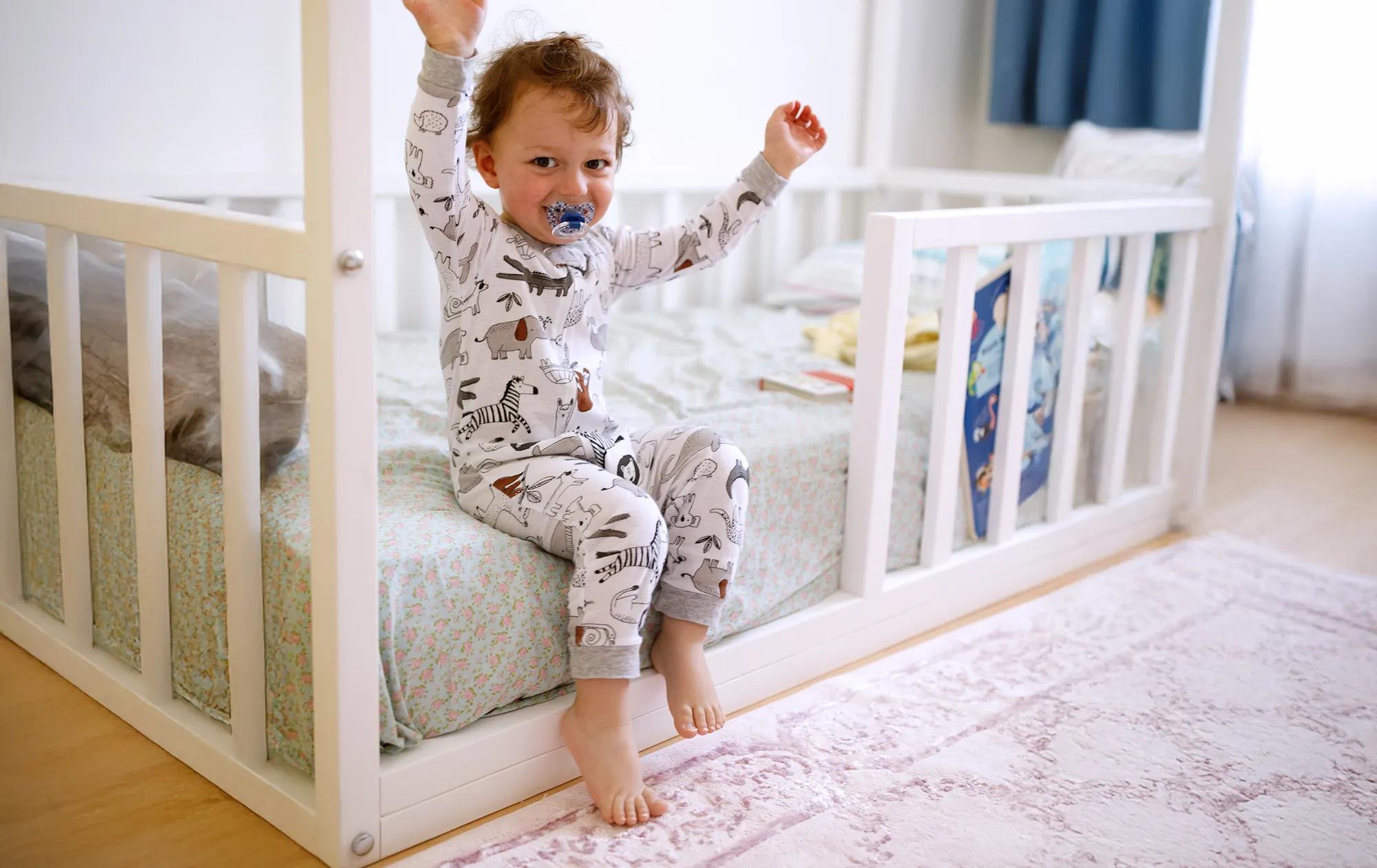
Credit: health.clevelandclinic.org
Making The Transition Smooth
Moving your child to a toddler bed can feel like a big change. It is important to make this change easy and calm. A smooth transition helps your child feel safe and sleep well. Small steps and gentle care can make a big difference.
Establishing A Consistent Bedtime Routine
A regular bedtime routine helps your child know what to expect. Simple steps like a bath, storytime, and quiet time work well. Doing the same things in the same order every night creates comfort. This routine signals that it is time to sleep.
Using Positive Reinforcement
Praise your child for staying in bed and trying the new bed. Use kind words and small rewards to encourage good behavior. Celebrate small wins to build confidence. Positive reinforcement makes your child want to keep trying.
Managing Night Wakings
Night wakings are normal during this change. Stay calm and gentle when your child wakes up. Guide them back to bed without too much talking or light. This helps your child learn to fall asleep alone again.
Common Challenges And Solutions
Moving your child to a toddler bed is a big step. It can bring some challenges for both parents and kids. Understanding these common problems helps you find good solutions. This makes the transition smoother and less stressful.
Fear Of Falling Out
Many toddlers worry about falling from the new bed. The open sides feel unsafe compared to a crib. This fear can cause restless nights and crying.
Use bed rails to create a safe space. Let your child see the bed is secure. Soft pillows on the floor beside the bed can help. Praise your child for staying in bed. This builds confidence slowly.
Resistance To Change
Kids often resist leaving their familiar crib. They like the comfort and routine it offers. New beds can feel strange and scary.
Make the new bed inviting with favorite blankets or toys. Involve your child in choosing bedding. Keep bedtime routines the same to provide comfort. Be patient and consistent with bedtime rules.
Sleep Regression
Switching beds can cause sleep regression. Toddlers might wake more or have trouble falling asleep. This is normal during big changes.
Stick to a calming bedtime routine. Avoid screen time before bed. Offer gentle reassurance if your child wakes at night. Sleep patterns will improve with time and care.
When To Seek Professional Advice
Deciding the right time to move your child to a toddler bed is not always simple. Some children adjust easily. Others might face challenges that need expert help. Knowing when to ask a professional can make this transition smoother and safer for your child.
Pay attention to signs that go beyond normal behavior. Seek advice if problems affect your child’s sleep quality or safety. Early support can prevent bigger issues.
Sleep Disorders
Watch for unusual sleep patterns or frequent waking. Snoring, gasping, or restless sleep might signal a disorder. A doctor can diagnose and treat problems like sleep apnea or night terrors.
Behavioral Concerns
If your child shows anxiety or fear about sleeping alone, ask for help. Nightmares, refusal to stay in bed, or extreme clinginess can affect their rest. Professionals offer strategies to ease these fears.
Persistent Sleep Issues
Ongoing trouble falling or staying asleep needs attention. Long-term sleep problems can impact growth and mood. A sleep specialist can find causes and suggest solutions.
Frequently Asked Questions
When Is The Ideal Age For A Toddler Bed Transition?
Most children transition between 18 months and 3 years. It depends on their size, safety, and readiness. Watch for signs like climbing out of the crib or showing interest in a bigger bed.
How To Know If My Child Is Ready For Toddler Bed?
Look for safety risks like climbing out of the crib. Also, observe if your child expresses interest in a bigger bed. Readiness includes understanding boundaries and staying in bed during sleep time.
What Are The Signs To Move From Crib To Toddler Bed?
Key signs include climbing out of the crib, wanting independence, and showing fear or discomfort in the crib. If your child is physically too big, it’s also time to switch.
Should We Switch To Toddler Bed Before Or After Potty Training?
It’s often best to switch before or during potty training. A toddler bed allows easier bathroom access. This helps develop independence and comfort during nighttime potty trips.
Conclusion
Choosing the right age to move your child to a toddler bed matters. Many kids feel ready between 18 months and 3 years old. Watch for signs like climbing out of the crib or asking for a big bed. Make the change smooth with comfort and safety in mind.
Every child grows at their own pace. Trust your instincts and keep bedtime calm. This helps your child feel safe and happy in their new bed.