Are you looking to build a sturdy and safe ladder for your bunk bed without spending a fortune? Making your own bunk bed ladder can be easier than you think.
With just a few tools and some basic materials, you can create a ladder that fits perfectly, looks great, and keeps you or your kids safe every time you climb up. In this guide, you’ll discover simple steps that anyone can follow—no special skills needed.
Keep reading, and by the end, you’ll have the confidence to build a ladder that’s both strong and stylish. Ready to get started? Let’s dive in!

Credit: www.youtube.com
Choosing The Right Materials
Choosing the right materials is a key step in making a sturdy bunk bed ladder. The right wood and hardware ensure safety and long-lasting use. Selecting strong and reliable materials helps avoid accidents and keeps the ladder solid over time.
It also makes the building process easier and faster. Knowing the types of wood and the tools you need saves time and effort. This section explains the best wood choices and necessary hardware for your project.
Types Of Wood For Durability
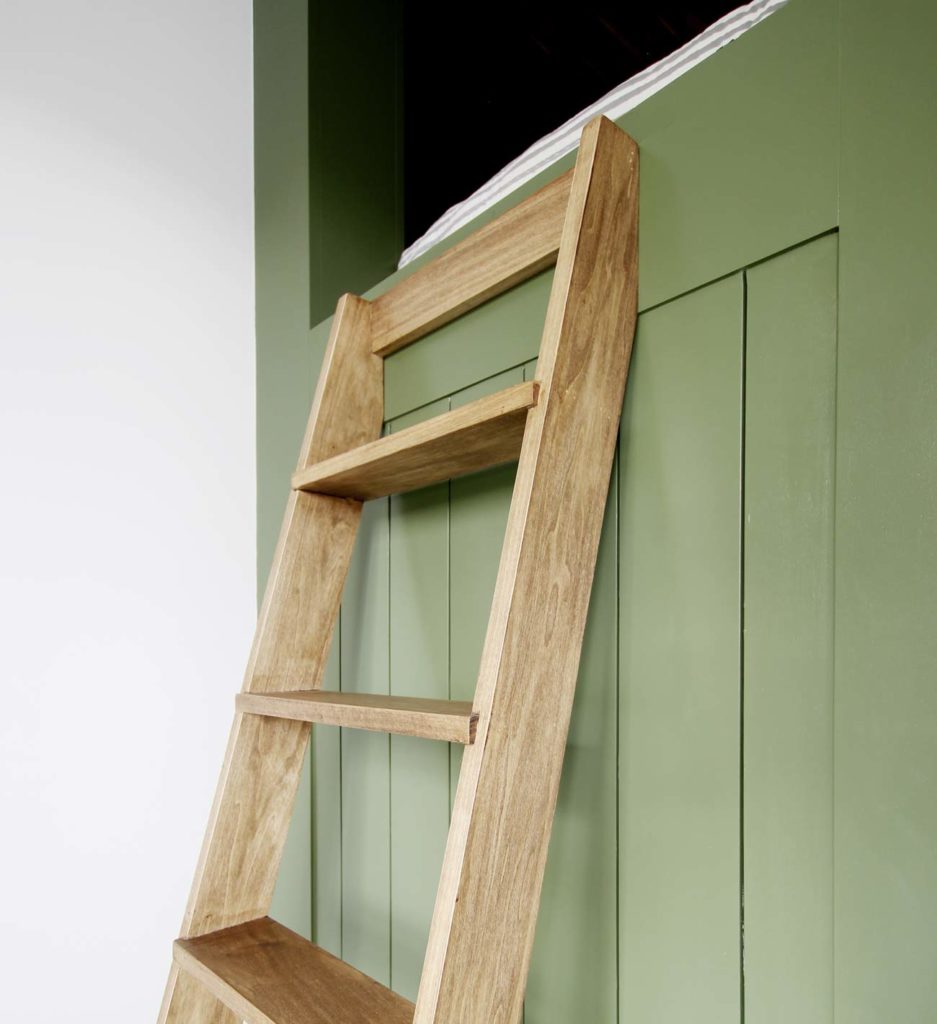
Hardwoods like oak, maple, and birch offer great strength. They resist dents and wear well over time. Softwoods such as pine are easier to cut and lighter but less durable. Choose wood with no cracks or knots. Smooth wood makes the ladder safer and more comfortable to use. A well-chosen wood type keeps the ladder safe for children and adults.
Tools And Hardware Needed
Use a saw for cutting wood to the right size. A drill helps create holes for screws. Sandpaper smooths rough edges to prevent splinters. Choose strong screws or bolts to hold the ladder parts together. Avoid nails, as they may loosen over time. A screwdriver and measuring tape complete the basic tool set. These tools and hardware keep your ladder firm and safe to climb.
Credit: plankandpillow.com
Planning Your Ladder Design
Planning your bunk bed ladder design is the first step in making a safe and sturdy ladder. Careful planning helps you avoid mistakes and ensures the ladder fits perfectly. This stage is about measuring correctly and choosing the right style for your needs.
A well-planned ladder matches the bunk bed size and the room space. It also fits the user’s comfort and safety. Let’s explore how to measure and decide on the ladder style.
Measuring For Proper Fit
Measure the height from the floor to the top bunk’s edge. Note the exact distance. This height tells you how long the ladder should be.
Measure the space around the bunk bed. Check for enough room to place the ladder safely. Ensure the ladder angle is not too steep or too flat.
Mark the width of the ladder steps. Make sure the steps fit the user’s foot size. Proper width keeps climbing safe and easy.
Deciding On Ladder Style
Choose between straight or angled ladders. Straight ladders save space but can be harder to climb. Angled ladders are easier to use but need more room.
Pick the step design. Wide steps offer more comfort. Thin steps save wood but may be less stable.
Decide if the ladder will be fixed or movable. Fixed ladders attach firmly to the bed. Movable ladders offer flexibility but need extra safety features.
Cutting And Preparing Wood
Cutting and preparing wood is the first important step in making a bunk bed ladder. It sets the base for strong and safe construction. Taking time to measure and cut wood pieces carefully helps avoid problems later. Smooth edges make the ladder safe and comfortable to use. Follow these steps to prepare your wood properly before assembly.
Marking And Measuring Cuts
Start by measuring the wood pieces precisely. Use a tape measure and pencil to mark where you will cut. Double-check each mark to avoid mistakes. Draw straight lines across the wood for clear cutting guides. Mark all parts needed for the ladder, including steps and side rails. Accurate marking keeps all parts fitting well together.
Sanding And Smoothing Edges
After cutting, sand every edge with fine sandpaper. Sanding removes splinters and rough spots. Smooth edges protect hands from cuts and scrapes. Use a sanding block or electric sander for even surfaces. Check all pieces for sharp corners and smooth them out. Well-prepared wood looks better and is safer to handle.
Assembling The Ladder Frame
Assembling the ladder frame is a key step in building a strong bunk bed ladder. This frame will hold the steps and provide a safe climb. Careful assembly ensures the ladder is sturdy and reliable.
Start by preparing all wood pieces. Check that side rails and steps are cut to the right size. Smooth the edges to avoid splinters. This makes the ladder safe to touch and use.
Joining Side Rails And Steps
Place the side rails parallel on a flat surface. Mark where each step will go. Even spacing helps balance the ladder. Attach the steps one by one.
Use wood screws or bolts to join steps to rails. Drill pilot holes first to stop wood from splitting. Make sure each step is level and tight. This keeps the ladder solid and safe.
Ensuring Structural Stability
Check all connections after assembly. Tighten screws or bolts as needed. Test the frame by pressing on steps gently. No wobbling should happen.
Add corner braces if extra strength is needed. These supports prevent the ladder from shaking. Sand the entire frame to smooth rough spots. Finish with paint or varnish to protect the wood.
Adding Safety Features
Adding safety features to your bunk bed ladder is very important. It helps prevent accidents and makes climbing easier. Safety should be the top priority during the building process.
Simple steps can make the ladder more secure. These features protect children and adults alike. Two main areas to focus on are the steps and how the ladder attaches to the bed.
Non-slip Step Covers
Non-slip step covers stop slipping on the ladder. They give extra grip for bare or socked feet. These covers come in rubber or textured materials. Cut them to fit each step perfectly. Attach with strong glue or small nails. This makes climbing safer, especially at night or with wet feet.
Secure Attachment To Bed Frame
Fixing the ladder firmly to the bed frame prevents wobbling. Use sturdy screws and brackets for a tight hold. Check the ladder often to ensure it stays secure. A loose ladder can cause falls and injuries. Secure attachment gives peace of mind for parents and kids.
Finishing Touches For Style
Finishing touches can change the look of your bunk bed ladder. A well-done finish makes the ladder safe and stylish. It also helps protect the wood from damage and wear. Small details create a big difference in the final result.
Painting And Staining Options
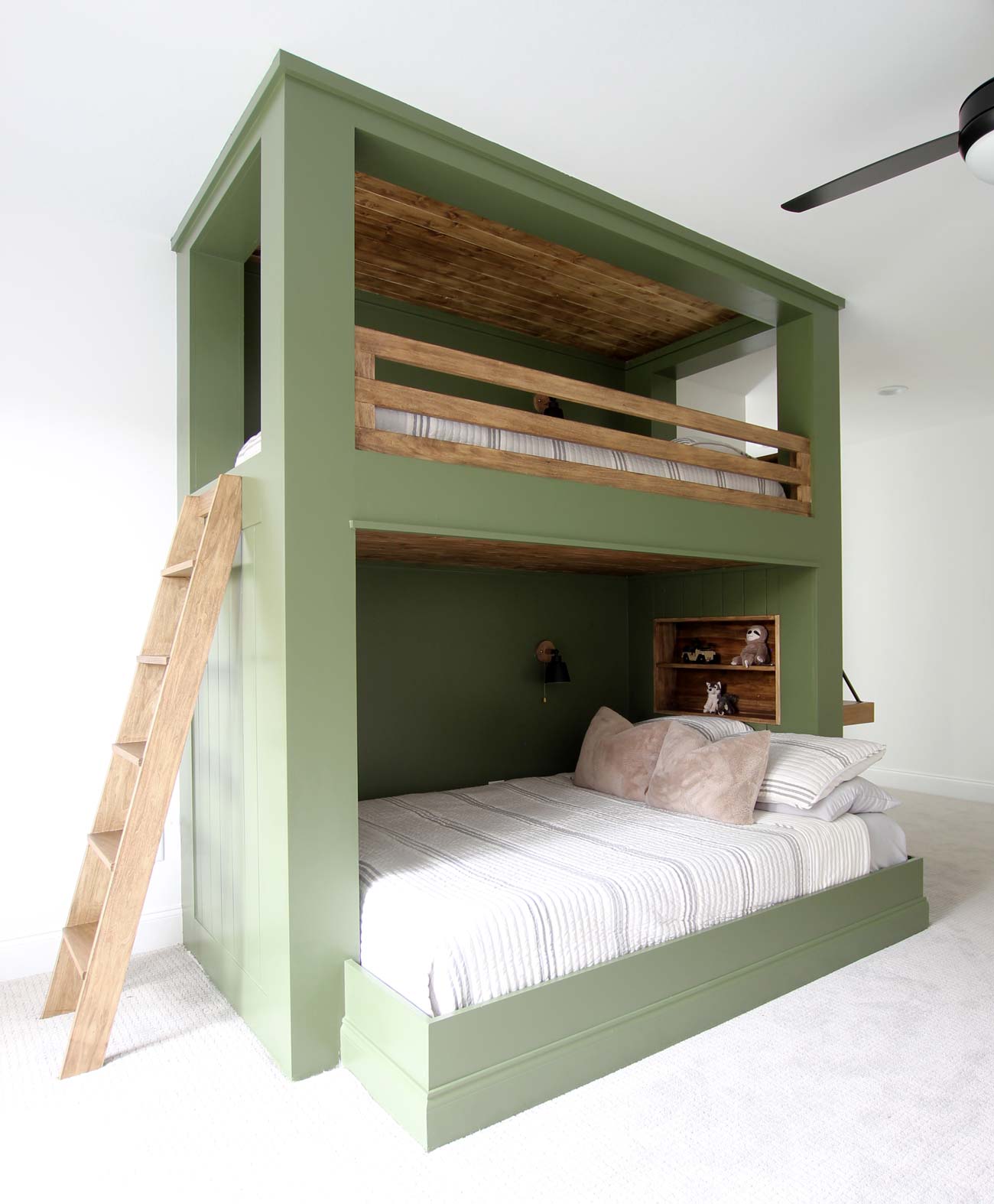
Choose paint or stain to match the room’s style. Paint comes in many colors and gives a smooth finish. It hides wood grain but offers strong protection. Stain shows the wood’s natural texture and color. It adds warmth and highlights the wood’s beauty. Use a clear sealant after painting or staining for extra durability.
Decorative Elements
Decorative touches make the ladder unique and fun. Add simple shapes or patterns with stencils or stickers. Use non-slip tape on steps for safety and style. Attach small hooks for hanging toys or bags. Sand edges smooth to avoid splinters and improve look. These small details make the ladder both useful and attractive.
Maintenance Tips For Longevity
Keeping your bunk bed ladder safe and strong lasts longer with simple care. Regular attention prevents damage and accidents. Follow these easy tips to maintain your ladder well.
Regular Safety Inspections
Check the ladder for loose screws or bolts. Tighten any that feel weak. Look for cracks or splinters in the wood. Make sure the ladder stands firm without wobbling. Test the steps to ensure they hold weight safely. Inspect the ladder often, especially if many use it daily.
Cleaning And Care
Wipe the ladder with a soft cloth to remove dust. Use mild soap and water for sticky spots. Avoid harsh chemicals that can damage the finish. Dry the ladder completely after cleaning to stop wood from swelling. Keep the ladder away from damp places to prevent rot. Clean it regularly to keep it looking good and safe.
Credit: plankandpillow.com
Frequently Asked Questions
What Materials Do I Need To Make A Bunk Bed Ladder?
You need sturdy wood, screws, a drill, measuring tape, sandpaper, and wood finish. Choose durable wood like pine or oak for safety and longevity.
How Do I Ensure The Ladder Is Safe For Kids?
Use smooth, splinter-free wood and secure all steps tightly. Test the ladder’s stability and weight capacity before use to avoid accidents.
What Is The Best Design For A Bunk Bed Ladder?
A straight or slightly angled ladder with evenly spaced steps works best. Ensure steps are wide enough for comfortable footing and easy climbing.
Can I Customize The Ladder To Match My Bunk Bed?
Yes, you can paint or stain the ladder to match the bed’s color. Adding non-slip pads to steps also enhances safety and style.
Conclusion
Building a bunk bed ladder is simple with clear steps. Use good materials for safety and strength. Take your time to measure and cut carefully. Secure all parts tightly to avoid any accidents. A sturdy ladder makes climbing easier and safer.
Now, you can enjoy a useful and strong ladder. Try making one yourself and see the results. It’s a helpful skill to have around the house.