Is your wooden bunk bed frame wobbling every time you move? That shaky feeling can make it hard to relax or sleep well.
But don’t worry—you don’t have to replace the whole bed or call a costly handyman. With a few simple steps, you can fix that wobbly frame yourself and bring back the sturdy support your bed needs. Keep reading to discover easy, effective tips that will help you secure your bunk bed and enjoy a peaceful, safe night’s rest.
Identify The Cause
Before fixing a wobbly wooden bunk bed frame, find the cause. Understanding why the bed moves helps you fix it better. Check all parts carefully. Small problems can cause big wobbles. Take your time to inspect the frame closely.
Check Loose Screws And Bolts
Screws and bolts hold the bed together. Loose ones make the frame unstable. Use a screwdriver or wrench to test each screw and bolt. Tighten any that feel loose. Replace missing screws for extra safety. This step often stops the wobbling quickly.
Inspect Wooden Joints
Wooden joints connect the bed parts. These joints can become weak or separated. Look closely at every joint for gaps or movement. Press on joints to check for looseness. Glue or clamps may be needed to secure weak joints. Strong joints keep the bed steady.
Look For Cracks And Splits
Cracks or splits in the wood weaken the frame. Examine the wood carefully under good light. Small cracks can grow and cause wobbling. Replace or repair damaged wood pieces. Use wood filler for minor splits. Solid wood parts support the bed firmly.
Gather Necessary Tools
Fixing a wobbly wooden bunk bed frame starts with gathering the right tools. Having the correct tools makes the repair easier and faster. It also helps ensure the bed becomes sturdy and safe for use. Below are the key tools you need to prepare before starting the repair.
Screwdrivers And Wrenches
Screwdrivers and wrenches are essential for tightening loose screws and bolts. A flathead and a Phillips screwdriver cover most screw types on bunk beds. Adjustable wrenches help tighten nuts and bolts of different sizes. Using the right tool prevents damage to screws and hardware.
Wood Glue And Clamps
Wood glue strengthens joints and fixes small cracks in the frame. Choose a strong, quick-drying wood glue for best results. Clamps hold the frame parts firmly together while the glue dries. This ensures a solid and lasting bond in the wooden parts.
Sandpaper And Wood Filler
Sandpaper smooths rough or splintered wood edges. Use fine-grit sandpaper for a clean, even finish. Wood filler fills holes, cracks, and gaps in the frame. After drying, sand the filler for a smooth surface ready for painting or staining.
Tighten All Fasteners
Tightening all fasteners is a key step to fix a wobbly wooden bunk bed frame. Loose screws and bolts cause movement and instability. Checking every fastener ensures the frame stays firm and safe. Taking time to tighten each one improves the bed’s strength and prevents future wobbling.
Locate All Screws And Bolts
Start by finding every screw and bolt on the bunk bed. Look along the bed’s sides, corners, and where the slats meet the frame. Check the ladder and guardrails too. Some fasteners might hide under stickers or paint, so inspect carefully. Missing any fastener can leave the bed weak.
Use Proper Tools For Tightening
Choose the right tools to tighten each fastener. A screwdriver or wrench that fits well works best. Avoid using tools that slip or don’t match the fastener head. Turn screws and bolts slowly to avoid stripping them. Tighten until firm but do not overtighten and damage the wood.

Credit: www.reddit.com
Reinforce Loose Joints
Loose joints cause a wooden bunk bed frame to wobble. Reinforcing these joints can make the bed sturdy again. This process helps secure the frame and prevent future movement. It requires simple tools and basic skills.
Apply Wood Glue
Start by separating the loose joints carefully. Clean any dirt or old glue from the surfaces. Apply wood glue evenly on both sides of the joint. Use enough glue to cover the entire contact area. This step creates a strong bond between the wood pieces.
Clamp And Let Dry
After applying glue, press the joint pieces tightly together. Use clamps to hold the parts in place firmly. Keep the clamps on until the glue dries completely. Drying time usually takes 24 hours. Avoid moving the bed during this time for best results.
Add Corner Braces If Needed
If joints still feel weak, add corner braces. Use metal braces designed for furniture support. Attach them at the corners with screws for extra strength. This step increases stability and prevents wobbling. Choose the right size braces for the bunk bed frame.
Fill Cracks And Gaps
Small cracks and gaps can cause a wooden bunk bed frame to wobble. Filling these spaces tightens the structure and adds strength. This step is important before moving on to other fixes. The bed will feel more stable once these cracks are sealed.
Use Wood Filler
Select a wood filler that matches the bed’s color. Apply it carefully into cracks and gaps using a putty knife. Press the filler deep to fill the space completely. Smooth the surface as much as possible while applying. Let the filler dry fully before doing anything else. Drying usually takes a few hours.
Sand Smooth After Drying
After the filler dries, use fine sandpaper to smooth the area. Sand until the surface is even with the surrounding wood. This step makes the bed frame look neat and clean. It also helps paint or stain stick better later. Wipe away dust with a dry cloth before continuing.

Credit: diy.stackexchange.com
Check Bed Frame Stability
Checking the stability of your wooden bunk bed frame is a key step in fixing any wobble. This step helps find which parts need tightening or adjusting. It ensures the bed is safe and strong for use. Follow the simple tests below to check the frame’s stability.
Test For Movement
Push the bed gently from different sides. Notice if it shifts or rocks. Try pressing on the top and bottom parts. Watch for any loose joints or gaps. This shows where the bed is weak. Mark these spots for fixing later.
Make Additional Adjustments
Use a screwdriver or wrench to tighten screws and bolts. Check all corners and joints carefully. Replace any missing or damaged hardware. Add wood glue to loose wooden joints for extra strength. Re-test the bed after each adjustment. Keep adjusting until the bed feels solid and stable.
Prevent Future Wobbling
Preventing future wobbling of a wooden bunk bed frame is key to keeping it safe and sturdy. Small fixes alone won’t last without proper care. Taking steps now helps avoid more repairs later. Follow these tips to keep the bed firm and steady.
Regular Maintenance Tips
Check the bed frame every few months. Tighten all screws and bolts to keep parts secure. Look for cracks or loose joints in the wood. Use wood glue on any small splits. Sand rough spots to stop splinters and damage. Keep the bed clean from dust and dirt. This stops parts from wearing out fast.
Avoid Overloading The Bed
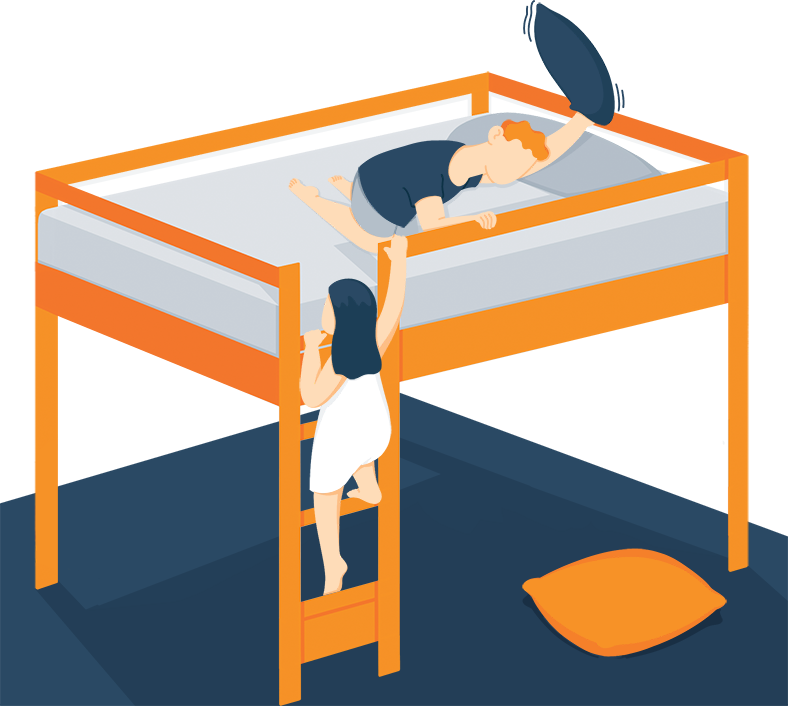
Know the weight limit of your bunk bed. Do not let kids or adults exceed this limit. Too much weight can bend or break the frame. Spread weight evenly across the bed surface. Avoid jumping or heavy movements on the bed. This reduces stress on joints and wood. Protect the bed frame by using it gently.
Credit: www.sleepadvisor.org
Frequently Asked Questions
How Do I Tighten Screws On A Bunk Bed Frame?
Use a screwdriver or Allen wrench to firmly tighten all screws. Check each joint for looseness. Tightening prevents wobbling and increases safety. Avoid over-tightening to prevent wood damage or stripped screws.
What Wood Glue Can Fix A Wobbly Bunk Bed?
Choose a strong, waterproof wood glue like Titebond or Gorilla Wood Glue. Apply glue to loose joints or cracks. Clamp the parts together until dry. This strengthens the frame and reduces wobbling effectively.
How Often Should I Inspect My Bunk Bed Frame?
Inspect your bunk bed frame every 3 to 6 months. Look for loose screws, cracked wood, or unstable joints. Regular checks help maintain safety and prevent wobbling issues before they worsen.
Can Adding Corner Braces Stabilize A Bunk Bed?
Yes, metal corner braces add extra support to weak joints. Attach braces at the frame’s corners using screws. This reinforcement reduces wobble and extends the bed’s durability.
Conclusion
Fixing a wobbly wooden bunk bed frame is simple and quick. Tighten screws and bolts to make the frame steady. Add wood glue or brackets for extra support. Check the bed regularly to keep it safe. A firm bunk bed helps everyone sleep well.
Small steps bring big safety and comfort. Try these tips today and enjoy a strong bed.