Are you wondering how long your little one should stay in their toddler bed? It’s a question many parents face as their child grows and changes every day.
You want to make sure your child is safe, comfortable, and happy during bedtime, but knowing the right time to switch can be tricky. You’ll discover clear signs and simple tips to help you decide exactly when to move your toddler on.
Keep reading to find out how to make this transition smooth and stress-free for both you and your child.
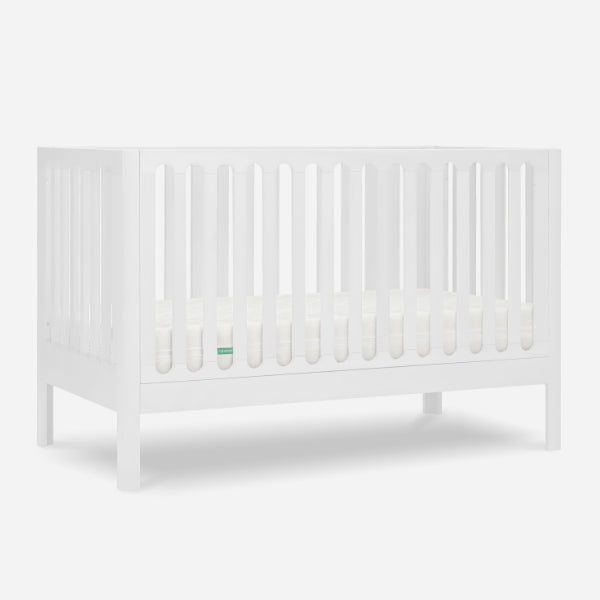
Credit: www.newtonbaby.com
Signs Your Toddler Is Ready
Knowing when to move your child to a toddler bed is important. It helps ensure their safety and comfort. Some clear signs show your toddler is ready for this change. Watch for clues in their growth, behavior, and sleep habits. These hints guide you to make the right choice.
Physical Growth Indicators
Your toddler may outgrow the crib size. They start climbing out or standing up easily. Their body size might feel cramped in the crib. Legs may hang over the edge. These signs mean the crib is no longer safe.
Also, toddlers begin to walk and explore more. A bigger bed gives them space to move freely. Watch your child’s height and weight for clues. Growing quickly means it’s time to switch beds.
Behavioral Changes
Notice if your toddler tries to escape the crib. Climbing or pushing at the rails shows readiness. They may want more independence in their space. Asking to sleep “in a big bed” is a clear sign. Toddlers may also show excitement about a new bed.
Some children resist the crib or tantrum at bedtime. This behavior can mean they feel trapped. A toddler bed offers comfort and freedom. It can reduce stress during bedtime routines.
Sleep Patterns
Your toddler may wake up often or have trouble falling asleep. They might feel uncomfortable in the crib. Nighttime movements increase as toddlers grow. A toddler bed allows easier turning and stretching.
Longer naps and deeper sleep are good signs. A bed that suits their needs promotes better rest. Watch how your toddler sleeps through the night. Better sleep means they are ready for a toddler bed.
Choosing The Right Toddler Bed
Choosing the right toddler bed helps your child sleep safely and comfortably. This choice affects their sleep quality and sense of security. Picking the best bed means considering size, safety, materials, design, and budget. Each factor plays a key role in making a smart decision.
Bed Size And Safety Features
The bed size should fit your toddler’s height and room space. A bed too big may feel unsafe. Too small can limit comfort. Safety features like guardrails prevent falls. Rounded edges reduce injury risk. Look for sturdy construction and non-toxic finishes.
Material And Design Options
Wood and plastic are common materials. Wood is strong and lasts long. Plastic is lightweight and easy to clean. Choose a design that fits your child’s style and room decor. Simple designs often work best for growing toddlers.
Budget Considerations
Set a budget before shopping. Toddler beds come in many price ranges. A higher price does not always mean better quality. Focus on safety and comfort within your budget. Look for durable beds that last through toddler years.
Timing The Transition
Timing the transition to a toddler bed is important for your child’s comfort and safety. Choosing the right moment helps your child adjust smoothly. This change is more than just a new bed. It marks a step toward independence and growth. Understanding when to make the move can ease the process for both of you.
Ideal Age Range
Most children switch to a toddler bed between 18 months and 3 years old. This range fits many toddlers’ growth and development. Watch for signs like climbing out of the crib or showing interest in a bigger bed. Every child is different. The goal is to find a time that feels right for your child.
Avoiding Major Life Changes
Do not change the bed during big life events. Moving houses, a new sibling, or starting daycare can stress a toddler. These moments need stability and routine. Wait until your child feels calm and settled. This helps the transition feel safe and less scary.
Seasonal Factors
Pick a season with mild weather for the change. Cold winter days or hot summer nights can make adjusting harder. Spring or fall offer gentle temperatures and more outdoor play. This allows your toddler to get used to the new bed in a relaxed way. A calm environment makes bedtime easier.

Credit: www.amazon.com
Making The Move Comfortable
Moving your toddler to a new bed can feel like a big change for both of you. Making this change smooth helps your child feel safe and happy. Small steps can ease the transition and create a positive bedtime experience.
Familiar Bedding And Toys
Use your toddler’s favorite blankets and pillows in the new bed. Familiar items bring comfort and calm. Let your child pick a special toy to keep close at night. This helps make the new bed feel like their own space.
Room Setup Tips
Keep the room cozy and simple. Place the bed where your child feels safe. Use soft lighting to create a warm atmosphere. Remove distractions like loud toys or bright screens. A calm room helps your toddler settle down faster.
Establishing A Bedtime Routine
Create a clear, short routine before bed. This might include reading a book or singing a quiet song. Follow the same steps every night to build trust. A routine signals it is time to sleep and reduces fear.
Handling Resistance And Setbacks
Moving a toddler to a bed can bring challenges. Resistance and setbacks are common during this change. Parents need patience and clear strategies to handle these moments. Understanding the issues helps families stay calm and positive.
Common Challenges
Toddlers may resist leaving their crib. They might want to stay in the crib for comfort or safety. Nighttime fears can cause them to avoid the new bed. Some children get out of bed often or refuse to sleep. These behaviors test parents’ patience but are normal.
Positive Reinforcement Techniques
Praise your child when they stay in bed. Small rewards encourage good sleeping habits. Use a sticker chart or favorite story as motivation. Make bedtime a happy, calm routine. Avoid punishments; focus on kindness and support. Celebrate small wins to build confidence.
When To Seek Professional Advice
Consult a doctor if resistance lasts more than a month. Frequent waking or fear might need expert help. A pediatrician can check for sleep problems or anxiety. Early advice can prevent bigger issues later. Trust your instincts and ask for support when needed.

Credit: myfirstnursery.co.uk
Long-term Sleep Benefits
Using a toddler bed for the right amount of time offers many long-term sleep benefits. It helps children feel more secure and comfortable during sleep. A proper transition from a crib to a toddler bed supports better rest and healthy routines. These benefits shape a child’s sleep patterns for years.
Independence And Confidence
Toddler beds give children control over their sleep space. They can get in and out of bed safely. This freedom builds confidence in their abilities. Children feel proud to manage their bedtime alone. This independence often leads to a smoother bedtime routine.
Improved Sleep Quality
Toddler beds offer more room to move comfortably. This space helps reduce tossing and turning. Children sleep more deeply and wake up less during the night. Better sleep quality means more energy for daytime activities. A good bed encourages children to enjoy their rest.
Building Healthy Sleep Habits
The toddler bed marks a step toward mature sleep habits. Children learn to stay in bed until morning. They develop routines like reading before sleep or quiet time. These habits support a consistent sleep schedule. Healthy sleep routines benefit overall growth and mood.
Frequently Asked Questions
When Is The Right Time To Switch To A Toddler Bed?
Most children transition between 18 months and 3 years old. It depends on their size, readiness, and safety needs. Watch for signs like climbing out of the crib or showing interest in a big kid bed.
How Long Do Toddlers Typically Use Their Toddler Beds?
Toddlers usually use their beds until age 5 or 6. This varies based on their growth and comfort. Once they outgrow the bed or need a larger mattress, it’s time to upgrade.
What Safety Features Should Toddler Beds Have?
Toddler beds should have low height and guardrails on sides. These prevent falls and keep your child secure while sleeping. Ensure the bed meets current safety standards for peace of mind.
Can Toddlers Sleep In Toddler Beds All Night Safely?
Yes, toddler beds are designed for safe all-night use. Make sure the bed is sturdy and the mattress fits well. Keep the sleep area free from hazards like loose blankets or toys.
Conclusion
Choosing how long to use a toddler bed depends on your child’s needs. Watch for signs your toddler is ready to move on. Safety and comfort matter most during this stage. Toddlers grow fast, so stay flexible with your plans.
A good bed helps your child sleep well and feel secure. Trust your instincts and your child’s cues. This way, you provide the best rest and support. Keep the transition smooth and stress-free for everyone involved. Your child’s comfort and safety guide your decision.