Have you ever wondered how long your wood furniture can really last outdoors? If you want to enjoy your beautiful wooden pieces for years without constant repairs or replacements, understanding their lifespan is key.
Your outdoor furniture faces sun, rain, wind, and more—all factors that can wear it down faster than you expect. But don’t worry, knowing what affects durability and how to care for your wood can make all the difference. Keep reading to discover how to protect your investment and enjoy your outdoor space longer than you thought possible.
Types Of Outdoor Wood
Choosing the right type of wood is key for outdoor furniture. Wood must resist weather, insects, and decay. Different woods offer different levels of durability and beauty. Knowing the types helps you pick furniture that lasts longer outside.
Wood types vary in hardness, grain, and natural oils. These factors affect how well the wood stands up to sun, rain, and cold. Some woods need treatment to survive outdoors, while others do not.
Hardwoods Vs Softwoods
Hardwoods come from broad-leaf trees. They are dense and strong. Hardwoods often last longer outside. Examples include teak, oak, and mahogany. They resist dents and scratches better.
Softwoods come from needle-leaf trees. They are lighter and grow faster. Softwoods like pine and cedar are common for outdoor use. They usually need treatment to protect against rot and insects.
Popular Woods For Outdoor Use
Teak is famous for outdoor furniture. It has natural oils that repel water and insects. Cedar smells good and resists decay naturally. Redwood is strong and keeps its color well. Pine is affordable but needs protection. Eucalyptus is tough and eco-friendly.
Treated Vs Untreated Wood
Treated wood has chemicals to resist rot and bugs. It lasts longer but may require more care. Untreated wood looks natural and is safer for the environment. It needs regular sealing or oiling to stay strong outside.
Choosing treated or untreated depends on budget and maintenance willingness. Both can work well with proper care.
Credit: www.dutchcrafters.com
Factors Affecting Wood Durability
Wood furniture outdoors faces many challenges that affect how long it lasts. Several factors influence wood durability. Understanding these helps in choosing and caring for outdoor wood furniture. These factors include weather, moisture, sunlight, insects, and fungi. Each factor plays a role in the wear and tear of wood over time.
Weather And Climate Impact
Weather greatly affects wood furniture lifespan. Extreme cold can cause wood to crack. Hot temperatures may dry the wood, making it brittle. Frequent changes in temperature cause wood to expand and contract. This can lead to warping or splitting. Areas with strong winds may cause physical damage. Wood in harsh climates generally lasts shorter.
Exposure To Moisture And Sunlight
Moisture is a major enemy of wood furniture. Rain, dew, and humidity cause wood to absorb water. This leads to swelling and rotting. Sunlight breaks down wood fibers over time. UV rays fade wood color and weaken structure. Constant exposure to both moisture and sunlight speeds up decay. Protecting wood with sealants helps reduce damage.
Insect And Fungal Damage
Insects like termites and beetles eat wood from inside. This weakens the furniture’s strength. Fungi grow on damp wood and cause rot. Mold and mildew also break down wood surfaces. These organisms thrive in moist, warm conditions. Treating wood with insecticides and fungicides can prevent damage. Regular checks help catch infestations early.
Lifespan Of Common Outdoor Woods
Outdoor wood furniture faces sun, rain, and cold. Different woods handle these conditions differently. Knowing the lifespan helps you choose the right wood. This choice affects how long your furniture lasts and looks good.
Teak And Ipe
Teak is famous for lasting over 50 years outdoors. Its natural oils protect it from water and insects. Ipe is even harder and more durable than teak. It can last 40 to 75 years with little care. Both woods resist rot and decay very well.
Cedar And Redwood
Cedar lasts about 15 to 30 years outside. It resists insects and moisture but needs some care. Redwood can last 20 to 25 years outdoors. Its natural chemicals help it fight decay. Both woods look great but need sealing to stay longer.
Pine And Fir
Pine and fir are softer woods. They usually last 5 to 10 years outside. Pressure-treated pine lasts longer, about 15 years. They need regular sealing and paint to protect from weather. Without treatment, they can rot and crack quickly.
Protecting Wood Furniture Outdoors
Wood furniture outdoors faces many challenges. Sun, rain, and wind can damage wood quickly. Protecting your wood furniture helps it last longer and stay beautiful. Simple steps can keep your furniture safe and strong for years.
Sealing And Finishing Techniques
Sealing wood stops water from soaking in. Use a good quality sealant made for outdoor wood. Apply a finish like varnish or oil to protect the surface. These layers guard against moisture, sun damage, and fading. Reapply sealant every year for best results.
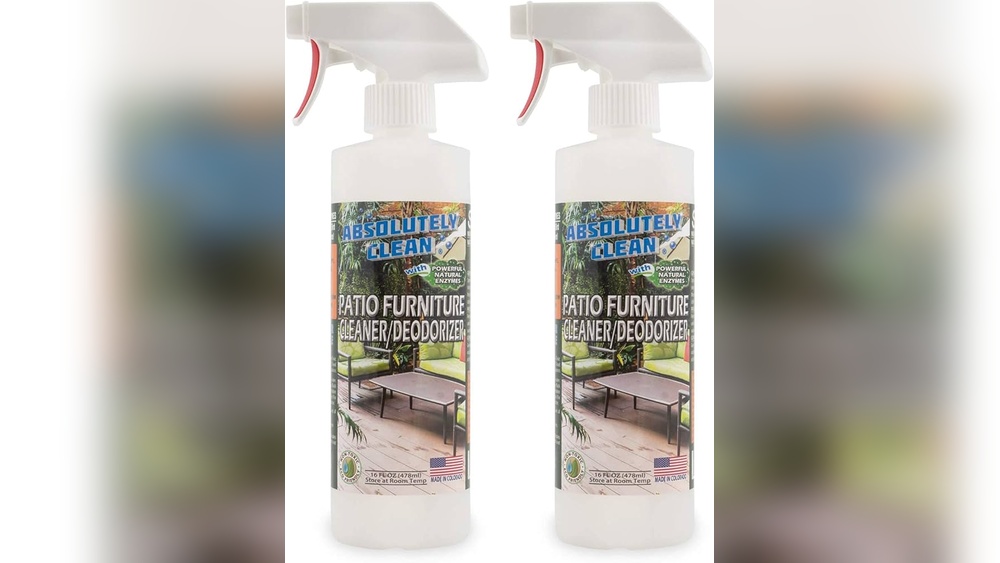
Regular Cleaning And Maintenance
Clean wood furniture often to remove dirt and dust. Use mild soap and water with a soft cloth. Avoid harsh chemicals that can damage the wood. Check for cracks or peeling finish regularly. Fix small problems early to prevent bigger damage.
Covering And Storing Tips
Cover wood furniture during rain or snow with waterproof covers. Make sure covers fit well and allow air to flow. Store furniture indoors or in a dry place during winter months. Proper storage reduces wear from weather and keeps wood in good shape.
Signs Of Wood Furniture Wear
Wood furniture outdoors shows signs of wear over time. These signs tell you how long the furniture may last. Spotting these early helps you protect your investment. Some signs are easy to see. Others affect the strength of the wood.
Cracks And Splitting
Cracks often appear as wood dries out. Sun and wind make wood lose moisture. This causes the wood to shrink and crack. Small cracks can grow larger quickly. Splitting happens along the grain of the wood. It weakens the furniture’s surface and structure.
Fading And Discoloration
Sunlight changes wood color over time. Colors fade and lose their richness. Wood can turn gray or dull. Rain and dirt also stain the surface. Discoloration shows the wood is aging. It may need sanding or refinishing to restore color.
Structural Weakness
Wood softens with constant moisture and pests. Joints may loosen and wobble. Legs or arms can feel unstable. Weak wood can crack under pressure. This danger shows the furniture may break soon. Checking structure often helps avoid accidents.

Credit: www.lazysusanfurniture.co.uk
Extending Wood Furniture Life
Wood furniture can last many years outdoors with the right care. Proper maintenance helps protect wood from sun, rain, and insects. Extending the life of wood furniture is about regular attention and smart choices. Small steps can make a big difference in how long your furniture looks good and stays strong.
Refinishing And Repairs
Refinishing wood furniture restores its beauty and strength. Sanding old finishes removes dirt and damage. Applying new paint or stain protects wood from moisture. Fix cracks and loose joints quickly. Repairing early stops problems from getting worse. Regular checks help catch damage before it spreads.
Using Protective Treatments
Protective treatments shield wood from weather effects. Use sealants or varnishes made for outdoor use. These create a barrier against water and sun. Oil treatments can keep wood moist and prevent drying. Reapply treatments every year or two. This keeps the wood healthy and less likely to crack.
Best Practices For Longevity
Place furniture in shaded or covered areas. Avoid direct sun or standing water on wood. Use furniture covers during heavy rain or winter. Clean furniture gently with mild soap and water. Avoid harsh chemicals that can damage wood. Store furniture indoors during extreme weather seasons.

Credit: www.lazysusanfurniture.co.uk
Frequently Asked Questions
How Long Does Wood Furniture Last Outdoors?
Outdoor wood furniture typically lasts 5 to 15 years. Its longevity depends on wood type, treatment, and maintenance. Proper sealing and regular care can extend its life significantly. Exposure to harsh weather reduces durability over time.
Which Wood Types Last Longest Outside?
Teak, cedar, and redwood last longest outdoors. They naturally resist moisture, decay, and insects. These woods require less maintenance and retain strength for many years. Choosing durable wood increases outdoor furniture lifespan.
How To Protect Wood Furniture Outdoors?
Apply sealants, varnish, or paint to protect wood. Cover furniture during rain and snow. Clean regularly to prevent mold and dirt buildup. Proper care helps wood resist weather damage and extends its life.
Does Weather Affect Wood Furniture Longevity?
Yes, weather heavily affects wood furniture lifespan. Sun, rain, and humidity cause fading, cracking, and warping. Using protective finishes and storage during extreme weather helps maintain wood quality outdoors.
Conclusion
Wood furniture can last many years outdoors with care. Choose the right type of wood for better durability. Regular cleaning and sealing protect wood from weather damage. Cover furniture during heavy rain or snow to extend its life. Small repairs prevent bigger problems later on.
Wood’s natural beauty improves with proper maintenance. Enjoy your outdoor wood pieces longer by staying consistent. Good care makes all the difference. Simple steps keep wood strong and looking good. Your outdoor space feels warm and inviting with lasting wood furniture.