Have you ever stood in front of a bookshelf, wondering just how many books it can hold? Whether you’re organizing your home library or shopping for a new shelf, knowing the right number can save you space and frustration.
You’ll discover simple ways to figure out how many books your bookshelf can fit perfectly. By the end, you’ll feel confident about choosing or arranging your shelf to showcase your favorite reads without clutter or wasted space. Keep reading to unlock the secrets of smart bookshelf planning!

Credit: www.reddit.com
Bookshelf Size And Capacity
Understanding bookshelf size and capacity helps you choose the right shelf for your collection. Bookshelves come in many sizes and shapes. Knowing their dimensions and the size of your books helps you estimate how many books fit.
Standard Bookshelf Dimensions
Most bookshelves have common sizes to fit typical rooms. A standard bookshelf is about 72 inches tall. It is usually 30 inches wide and 12 inches deep. These shelves often have five or six levels. Each shelf holds a good number of books without crowding.
Average Book Sizes
Books vary in size but many fall into common groups. A typical paperback measures about 7 inches tall and 4.5 inches wide. Hardcover books tend to be larger, around 9 inches tall and 6 inches wide. Children’s books and textbooks may be bigger or smaller. Knowing book size helps plan your shelf space.
Calculating Shelf Capacity
To find out how many books fit on a shelf, measure shelf width. Divide shelf width by the average book width. This gives the number of books per shelf level. Multiply by the number of shelves for total capacity. Allow extra space for book thickness and arrangement. This method gives a good estimate for your collection.

Credit: www.spryinterior.com
Organizing Books Efficiently
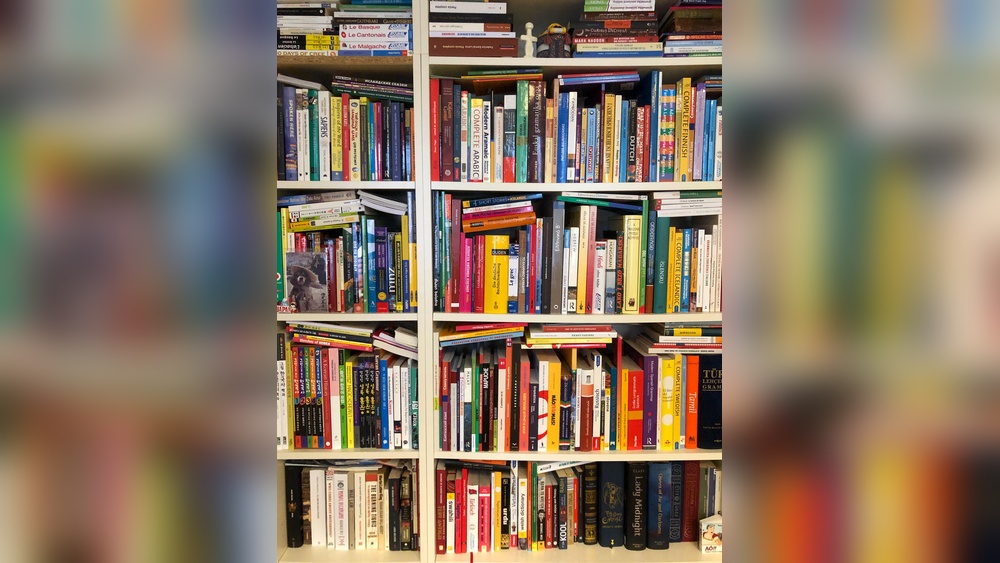
Organizing books on a shelf can make a big difference in how your space looks and feels. A neat bookshelf saves time when finding a book. It also protects your books from damage. Using smart methods helps store more books in less space. It makes your collection easy to enjoy and browse.
Vertical Vs Horizontal Stacking
Vertical stacking means placing books upright. This is the most common way to store books. It saves space and keeps books easy to see. Horizontal stacking means laying books flat on top of each other. This works well for large or heavy books. It can also add a different look to your shelf. Mixing vertical and horizontal stacks creates visual interest and balance.
Using Bookends And Dividers
Bookends keep your books from falling over. They help maintain order and protect books. Choose sturdy bookends that fit your shelf size. Dividers split shelves into sections. They keep groups of books separate and neat. Dividers also stop books from sliding around. Both bookends and dividers make shelves look tidy and organized.
Grouping By Genre Or Size
Grouping books by genre helps find books fast. Keep fiction, non-fiction, and reference books separate. Grouping by size creates a clean look. Arrange tall books together and short books together. This prevents uneven lines and clutter. Choose the method that suits your style and needs. Both ways improve the shelf’s appearance and function.
Space-saving Bookshelf Designs
Space-saving bookshelf designs help fit more books in small areas. They make your room neat and organized. These designs use every inch smartly, letting you keep many books without crowding your space.
Adjustable Shelves
Adjustable shelves let you change the height between shelves. This feature fits books of different sizes easily. You can move shelves up or down to store tall books or small paperbacks. It helps use shelf space without wasting any room.
Corner And Floating Shelves
Corner shelves use the often-unused corner space in your room. They create extra storage without taking much space. Floating shelves attach to walls and do not need floor space. These shelves keep books visible and easy to reach.
Built-in And Customized Options
Built-in bookshelves fit perfectly into your wall space. They use space that might stay empty otherwise. Customized shelves are made to match your room size and style. These options maximize storage and look great at the same time.
Maximizing Vertical Space
Maximizing vertical space helps store more books without cluttering the room. It uses the full height of your walls for storage. This approach keeps your space neat and organized. You can fit many books on a small floor area. Vertical storage also adds style to your room.
Tall Bookshelves Benefits
Tall bookshelves use wall height to hold many books. They save floor space for other furniture or activities. These shelves can reach near the ceiling, adding lots of room. Tall shelves create a strong visual impact. They also keep books easy to see and access if placed well.
Ladder And Step Stools
Ladders and step stools help reach books on high shelves. They make tall bookshelves more practical and safe. Lightweight and foldable stools fit small spaces easily. Using a stool reduces the risk of falling. It lets you use every inch of vertical space without trouble.
Wall-mounted Shelving
Wall-mounted shelves free up floor space completely. They can be installed at different heights for flexibility. These shelves are perfect for small rooms or tight corners. Wall-mounted units give a modern, clean look to your space. They keep books visible and handy without bulk.
Additional Storage Solutions
Bookshelves have limited space, but extra storage can help hold more books and items. Adding smart storage solutions keeps your space tidy and organized. These options fit well in small or large rooms. They make the most of every corner and shelf.
Under-shelf Baskets
Under-shelf baskets hang below your shelf to add extra space. They are perfect for small books or magazines. These baskets keep things visible and easy to grab. Installation is simple and does not damage shelves. They help use the empty space under shelves that usually stays unused.
Storage Bins And Boxes
Storage bins and boxes store books or items that you don’t need often. Choose clear bins to see what is inside quickly. Labeling boxes also helps find books fast. Stackable boxes save floor space and keep your room clean. They protect books from dust and damage.
Multi-functional Furniture
Multi-functional furniture combines storage with other uses. For example, a bench with storage inside holds books and provides seating. A coffee table with shelves stores books and magazines. This furniture saves space and adds style to your room. It keeps books close while serving other purposes.
Maintaining A Clutter-free Shelf
Keeping a bookshelf neat helps create a calm space. A clutter-free shelf makes finding books easy. It also keeps your room looking tidy and inviting. Organizing books regularly stops piles from growing too big. Small steps keep your collection manageable and enjoyable.
Regular Decluttering
Set a time each month to check your shelf. Remove books you no longer read or need. Sort books into keep, donate, or sell piles. This stops clutter from building up over time. A clean shelf feels fresh and welcoming.
Donating Or Selling Books
Give old books a new home by donating them. Many libraries and schools welcome book donations. Selling books online or at local shops clears space fast. This helps others enjoy books you no longer want.
Digital Alternatives
Use eBooks to save physical space on shelves. Digital books fit hundreds of titles on one device. Reading apps let you carry your library anywhere. This option keeps shelves free for favorite or special books.

Credit: www.reddit.com
Frequently Asked Questions
How Many Books Fit On A Standard Bookshelf?
A standard bookshelf typically holds 20 to 30 books per shelf. This varies with book size and shelf length. Measuring your shelf and average book width helps estimate capacity accurately.
What Factors Affect Bookshelf Book Capacity?
Book size, shelf length, and shelf height affect capacity. Thick books take more space, reducing total count. Adjustable shelves allow customization to fit different book types efficiently.
How To Maximize Books On A Small Bookshelf?
Use vertical stacking and double-row arrangements to save space. Organize by size and remove bulky book covers. Adjustable shelves also help fit more books neatly.
Can Bookshelf Material Affect Book Storage?
Yes, sturdy materials like solid wood support heavier books safely. Particleboard shelves may sag under weight. Choose durable materials for long-lasting, safe book storage.
Conclusion
Choosing how many books to fit on your bookshelf depends on space and style. Think about the size of your books and shelf dimensions. Don’t overcrowd; leave some space to keep it neat and easy to use. Organize by size, color, or topic for a personal touch.
Your bookshelf should reflect your needs and personality. Enjoy filling it with books that inspire and comfort you every day.