
Are you ready to create a cozy and fun sleeping space with a bunk bed but unsure where to start? Putting a bunk bed together might seem tricky, but with the right steps, you can do it quickly and safely.
Imagine the satisfaction of seeing your kids’ faces light up when their new bunk bed is ready to use. In this guide, you’ll find simple instructions and helpful tips that make the whole process smooth and stress-free. Keep reading, and soon you’ll have your bunk bed assembled perfectly—no confusion, no hassle.

Credit: www.youtube.com
Gather Necessary Tools
Gathering the right tools is the first step to put a bunk bed together smoothly. Having everything ready saves time and avoids frustration. This step helps you work safely and efficiently.
Tools needed can vary by bunk bed model. Check the instruction manual for specific requirements. Prepare all tools before starting assembly to keep the process steady.
Basic Tools You Will Need
Most bunk beds require a screwdriver, either Phillips or flat-head. A hammer might be necessary for wooden parts. Allen wrenches often come with the bed parts. Keep these tools close to avoid searching mid-assembly.
Extra Tools To Consider
A power drill can speed up screw installation but use it carefully. A measuring tape ensures parts align correctly. A level helps keep the bed balanced and safe. These tools improve accuracy and safety.
Preparing Your Workspace
Clear a large, flat area before starting. Lay down a soft blanket or mat to protect parts. Good lighting helps you see small screws and holes. Organize tools and parts nearby for easy reach.
Check All Parts
Checking all parts before starting to put a bunk bed together is very important. It saves time and avoids mistakes. You need to be sure you have every piece. Missing parts can make the process hard or unsafe.
Take your time to open the box carefully. Lay out all parts in a clean space. Group similar pieces together. This way, you can easily find what you need.
Identify And Organize The Pieces
Look at the instruction manual to find the list of parts. Check each piece against the list. Organize parts by type and size. This helps you follow steps without confusion.
Check For Damaged Or Missing Parts
Inspect each part for cracks or dents. Make sure screws and bolts are not bent. Missing or damaged parts can stop the assembly. Contact the seller for replacements if needed.
Prepare Tools Required For Assembly
Gather all tools needed like screwdrivers or wrenches. Some tools might be included in the package. Having tools ready speeds up the work and keeps it smooth.
Assemble Bed Frame
Assembling the bed frame is the first step in building your bunk bed. This part creates the main structure that supports the mattress and sleepers. It is important to follow the instructions carefully to ensure the bed is safe and sturdy. Taking time here will make the rest of the assembly easier.
Attach Side Rails
Start by connecting the side rails to the headboard and footboard. Align the metal brackets or holes on the rails with the corresponding parts on the boards. Use the screws or bolts provided in the kit to secure them tightly. Make sure the rails sit evenly on both sides to keep the bed balanced. Check that all screws are firm but avoid over-tightening, which can damage the wood or metal.
Secure Headboard And Footboard
Next, fix the headboard and footboard firmly in place. They provide the main vertical support for the bunk bed. Attach the boards to the side rails using bolts or screws as instructed. Double-check that the boards stand straight and do not wobble. A solid connection here prevents the bed from shifting or collapsing. Tighten all fasteners carefully, ensuring the frame feels stable and secure.
Install Guardrails
Installing guardrails on a bunk bed is a key safety step. Guardrails keep sleepers from falling out of the bed. This is especially important for the top bunk. Proper guardrail installation helps prevent accidents.
Guardrails also add stability to the entire bed frame. They create a secure sleeping area. Follow the instructions carefully to install them correctly. Use the right tools and parts for best results.
Locate The Guardrail Pieces
Find all the guardrail parts before starting. Check the manual for each piece’s name. Usually, there are two side rails for the top bunk. Sometimes, there is a shorter guardrail for the foot of the bed. Lay the parts out to make assembly easier.
Attach Guardrails To The Bed Frame
Position the guardrails along the edges of the top bunk. Align the holes on the guardrails with the bed frame holes. Use screws or bolts supplied with the bed. Tighten them securely but avoid over-tightening. Make sure the guardrails sit flush with the mattress area.
Check The Guardrail Height And Length
Measure the guardrail height to ensure it covers the mattress. The rail should be tall enough to prevent rolling out. Confirm the guardrails run the full length of the mattress side. Adjust if needed before tightening all screws. Proper height and length keep sleepers safe.
Test The Guardrails For Stability
Push and pull the guardrails gently. They should not move or wobble. Tighten screws again if there is any looseness. A stable guardrail protects children during sleep. Double-check all connections before placing the mattress back.
Attach Ladder
Attaching the ladder is an important step in building a bunk bed. It gives safe access to the top bunk. The ladder should be steady and fixed tightly to the frame. Follow these steps carefully for a secure setup.
Locate Ladder Position
Find the side of the bunk bed where the ladder fits best. Usually, this is marked in the instructions. Make sure it is easy to reach and does not block room space.
Align Ladder With Frame
Place the ladder against the bed frame. The top of the ladder must line up with the upper bunk’s edge. Check it is straight and flat against the bed.
Secure Ladder With Screws
Use the screws provided in the bunk bed kit. Insert them through the ladder’s mounting holes into the frame. Tighten the screws with a screwdriver until the ladder feels firm.
Test Stability
Hold the ladder and shake it slightly. It should not move or wobble. Climb the ladder slowly to check if it supports your weight safely.
Place Slats Or Mattress Support
Start by placing the slats evenly across the bed frame. These support the mattress and keep it stable. Make sure each slat fits snugly to avoid gaps or movement.
Prepare The Slats For Placement
Start by gathering all the slats or mattress support pieces. Check for any damage or defects. Make sure you have the correct number as listed in the instructions. Lay them out near the bunk bed frame for easy access.
Position The Slats Correctly
Place each slat evenly across the bed frame. They should rest on the side rails or ledges provided. Leave no gaps between slats to support the mattress well. Align them straight to avoid uneven mattress support.
Secure The Slats Firmly
Use screws or fittings supplied with the bed kit to fix the slats. Tighten them enough to prevent movement but avoid over-tightening. Loose slats can cause noise and instability. Double-check each slat to ensure it is secure.
Double Check Stability
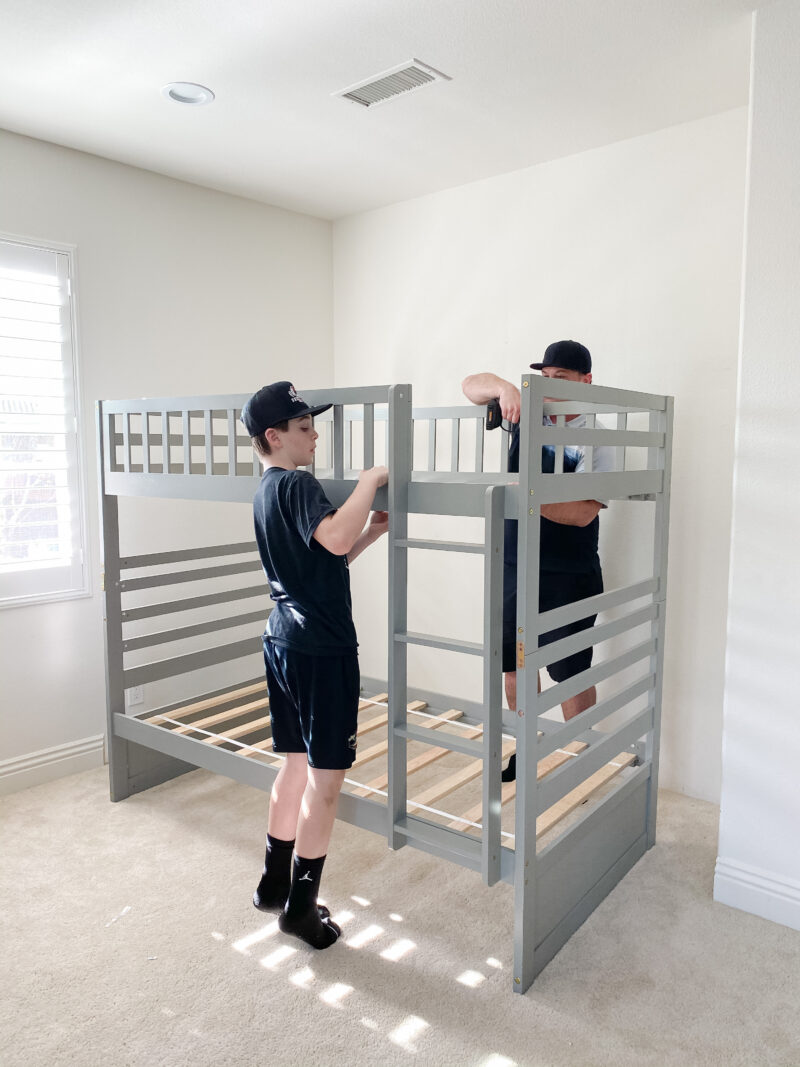
Double checking the stability of a bunk bed is crucial for safety. It ensures the bed stays strong and secure during use. A stable bunk bed protects children from falls and accidents. Always take time to inspect the bed after assembly. Small mistakes can cause big problems later.
Check All Screws And Bolts
Make sure every screw and bolt is tight. Use a screwdriver or wrench to secure each one. Loose parts can cause the bed to wobble or fall apart. Tighten screws even if they feel okay at first. This step improves the bed’s overall strength.
Test The Bed’s Movement
Gently shake the bed to see if it moves. A stable bunk bed should not rock or sway. If it does, find the loose parts and fix them. Test the bed after each adjustment. Keep testing until the bed feels solid and steady.
Inspect The Ladder And Guardrails
Make sure the ladder is firmly attached to the bed. Check the guardrails on the top bunk for tightness. These parts protect users from falls. Loose ladders or rails increase the risk of accidents. Secure these parts well for safe climbing and sleeping.
Credit: athoughtfulplaceblog.com
Add Mattresses
Adding mattresses to your bunk bed is the final step for comfort and safety. Choose mattresses that fit the bed frame perfectly. Proper mattress size prevents slipping and makes the bed cozy.
Mattress thickness also matters. Thin mattresses work best for top bunks to keep safety rails effective. Thicker mattresses suit the bottom bunk for extra comfort.
Choose The Right Mattress Size
Measure the bunk bed frame carefully. Most bunk beds use twin-size mattresses. Confirm length and width before buying. A snug fit keeps the mattress from moving.
Place Mattresses Safely
Lift each mattress gently onto the bed frame. Align edges with the frame corners. Make sure mattresses do not hang over the sides. Check that safety rails are clear and secure.
Secure Mattresses If Needed
Some bunk beds include straps or clips. Use them to keep mattresses in place. If not, non-slip mats under mattresses help. This prevents sliding during sleep or play.
Safety Tips
Safety is very important when putting a bunk bed together. It keeps children safe and prevents accidents. Following safety tips helps avoid injuries and ensures the bed is strong and steady.
Take your time. Rushing can cause mistakes or missing parts. Check every piece before starting. Use the right tools for the job. This makes the process easier and safer.
Check All Parts For Damage
Look at each piece for cracks or bends. Damaged parts can make the bed unsafe. Do not use broken or weak pieces. Replace any damaged parts before building.
Follow The Instructions Carefully
Read the manual step by step. Do not skip steps or guess parts. Clear instructions guide you to build a strong bed. This reduces the risk of errors.
Secure All Screws And Bolts
Tighten all screws and bolts firmly. Loose fittings can cause the bed to wobble. Use a screwdriver or wrench to ensure tightness. Check again after assembly.
Install Guardrails On The Top Bunk
Guardrails prevent falls from the top bunk. Make sure they are high and strong enough. Attach them securely on both sides. This is a must for child safety.
Use A Sturdy Ladder
Attach the ladder firmly to the bed frame. A loose ladder can cause falls. Choose a ladder that holds weight well. Test it before letting children use it.

Credit: www.youtube.com
Frequently Asked Questions
How Do I Start Assembling A Bunk Bed?
Begin by reading the instruction manual fully. Organize all parts and tools before starting. Assemble the bed frame first for stability.
What Tools Are Needed To Put A Bunk Bed Together?
Common tools include a screwdriver, Allen wrench, and a hammer. Some beds come with specific tools. Always check the manual for exact requirements.
How Do I Ensure My Bunk Bed Is Safe?
Tighten all bolts and screws firmly. Check the stability by gently shaking the frame. Install guardrails and ensure the ladder is secure.
How Long Does It Take To Assemble A Bunk Bed?
Assembly time varies, usually between 1 to 3 hours. It depends on your experience and the bed complexity. Having a helper can speed up the process.
Conclusion
Putting a bunk bed together takes patience and care. Follow each step slowly and double-check your work. Use the right tools and keep all parts organized. Ask for help if the pieces feel heavy or tricky. Safety matters most, so tighten screws firmly and test the bed before use.
Enjoy the extra space and comfort your new bunk bed brings. Simple steps lead to a strong, safe bed for years. Ready to build? You’ve got this!