Are you tired of cluttered bathroom shelves and towels spilling everywhere? Building your own bathroom linen cabinet can be the perfect solution to keep your space neat and organized.
Imagine having a stylish, custom-made cabinet that fits your bathroom perfectly and stores all your linens within easy reach. In this guide, you’ll learn simple, step-by-step instructions to create a bathroom linen cabinet that not only saves space but also adds a touch of charm to your room.
Ready to transform your bathroom? Let’s get started!
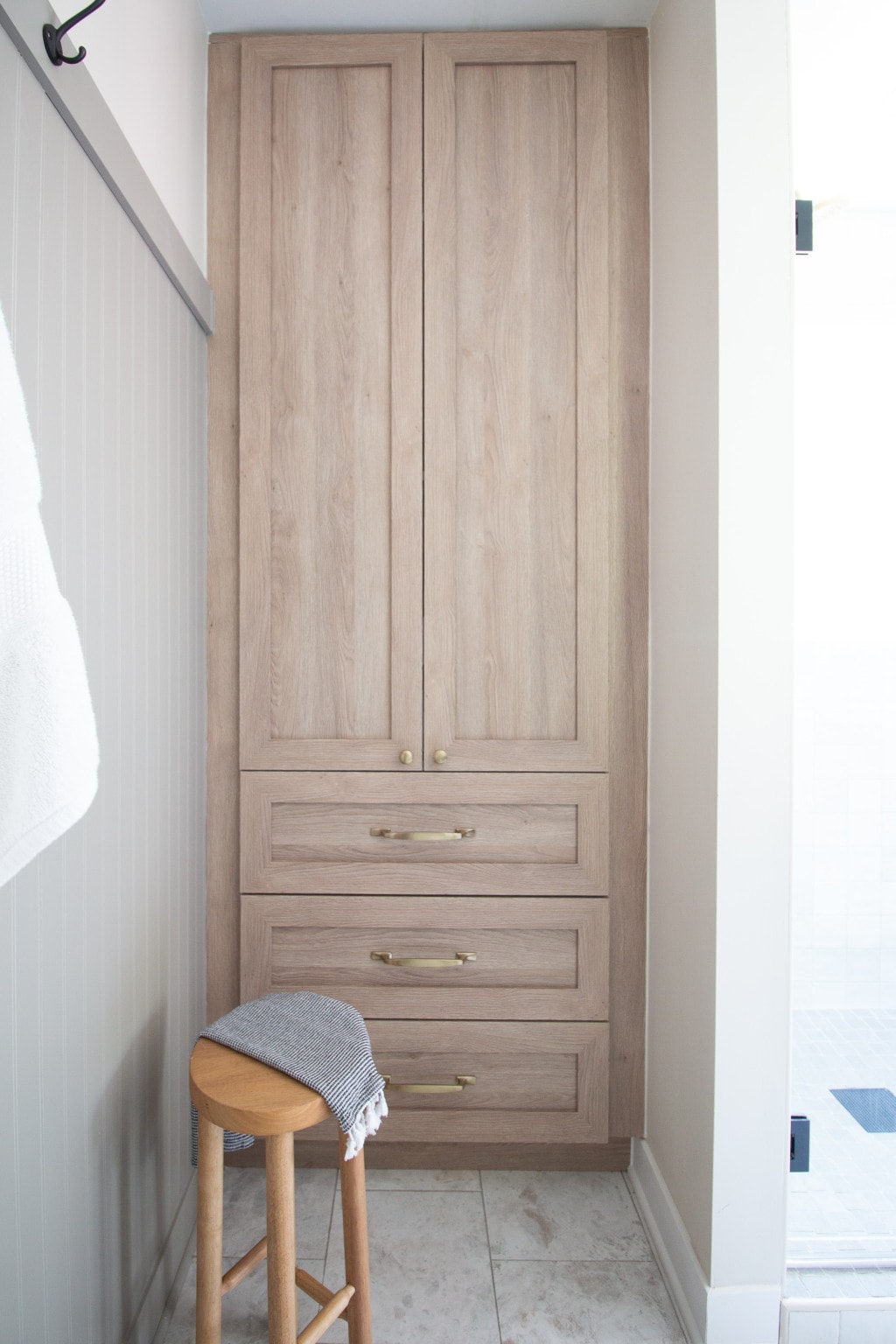
Credit: thediyplaybook.com
Planning Your Linen Cabinet
Planning your bathroom linen cabinet is the first step to a successful build. Careful planning saves time and prevents mistakes. It helps you create a cabinet that fits perfectly and looks great. Focus on key details like location, size, and materials. This makes your project easier and more enjoyable.
Choosing The Right Location
Pick a spot that is easy to reach. Near the sink or shower is best. Avoid places that block doors or walkways. Make sure the wall is strong enough to hold the cabinet. Check for pipes or wires inside the wall. These can cause problems during installation.
Measuring Your Space
Measure the height, width, and depth of the chosen spot. Use a tape measure for accuracy. Write down all numbers. Double-check your measurements to avoid errors. Consider space for cabinet doors to open fully. Leave some room for air circulation to prevent moisture build-up.
Selecting Materials And Tools
Choose wood or plywood that resists moisture well. Avoid materials that swell or warp in humidity. Pick screws, nails, and glue that work for bathroom conditions. Gather basic tools like a saw, drill, screwdriver, and level. Having the right tools makes the build safer and faster.
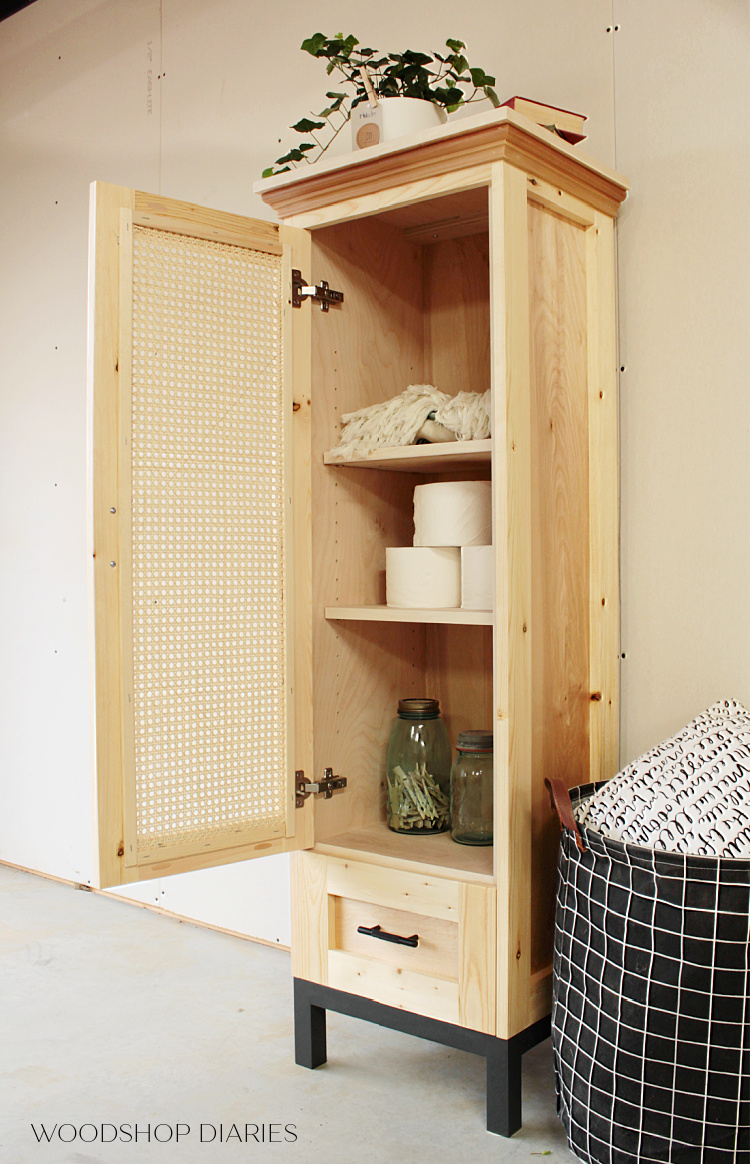
Credit: www.woodshopdiaries.com
Designing The Cabinet
Designing the cabinet is the first step in building a bathroom linen cabinet. It sets the tone for the entire project. A good design makes the cabinet useful and attractive. Focus on the size, storage options, and door style. Each choice affects how the cabinet will fit in your bathroom.
Deciding On Size And Shape
Start by measuring the available space in your bathroom. The cabinet should fit without crowding the area. Choose a shape that matches your bathroom’s layout. Tall and narrow cabinets save floor space. Wide and low cabinets offer more storage but need more room. Keep the size balanced with other bathroom furniture.
Incorporating Shelves And Drawers
Shelves provide open storage for towels and toiletries. Adjustable shelves allow flexibility for different items. Drawers are perfect for small things like soaps and brushes. Combine shelves and drawers for a mix of storage options. Think about how you use your bathroom to decide the best layout.
Considering Door Styles
Door style impacts both look and function. Sliding doors save space in tight bathrooms. Hinged doors offer full access but need room to open. Glass doors show off neatly folded towels and add lightness. Solid doors hide clutter and protect items from dust. Pick a door style that fits your bathroom’s style and space.
Preparing Materials
Preparing materials is the first step in building a bathroom linen cabinet. This step ensures that all parts fit well and the cabinet looks great. Gathering and preparing materials carefully saves time during assembly. It also helps avoid mistakes later.
Cutting Wood Pieces
Start by measuring the wood according to your design. Use a saw to cut the pieces accurately. Cut each piece one by one to keep sizes precise. Label the pieces after cutting to avoid confusion. Clean cuts make the cabinet stronger and fit better.
Sanding And Finishing
Sand all wood pieces to smooth rough edges. Use medium-grit sandpaper first, then fine-grit for a soft finish. Sanding removes splinters and prepares the wood for paint or stain. Apply a finish like paint or sealant to protect the wood. A good finish helps the cabinet last longer in moist bathroom air.
Gathering Hardware
Collect all hardware like screws, hinges, and handles. Choose hardware that matches your cabinet’s style and size. Check each piece to make sure it works well. Keep hardware organized to find it easily during assembly. Good hardware makes your cabinet sturdy and easy to use.
Assembling The Frame
Assembling the frame is the first big step in building your bathroom linen cabinet. This part gives the cabinet its shape and strength. A strong frame keeps the cabinet stable and ready for shelves and doors. Follow clear steps to build a frame that lasts.
Constructing The Base And Sides
Start by cutting the wood pieces for the base and sides. Make sure they are the right size. Use smooth, straight boards. Lay the base flat on your work surface. Attach the side panels to the base at a right angle. Check that corners are square. Use clamps to hold pieces steady while you work.
Joining The Frame Securely
Use wood glue on the edges before joining pieces. This adds extra hold. Drive screws carefully into the joints for a tight fit. Countersink screws to keep surfaces smooth. Avoid gaps between boards for a strong frame. Double-check alignment as you fasten the parts together. Clean any excess glue right away.
Adding Support Structures
Add horizontal braces between the sides for extra strength. Place supports near the middle and top of the frame. Use small blocks or strips of wood to keep everything firm. Secure braces with glue and screws. These supports prevent wobbling and keep shelves steady. Make sure all braces fit flush inside the frame.
Installing Shelves And Doors
Installing shelves and doors is a key step in building your bathroom linen cabinet. This step shapes the cabinet’s function and look. Properly placed shelves help organize towels and toiletries. Doors keep everything neat and hidden from view. Follow clear steps for a strong, smooth cabinet setup.
Fitting Shelves In Place
Start by measuring the inside of the cabinet carefully. Mark shelf positions using a pencil and a level. Use shelf pins or brackets to hold the shelves securely. Insert pins or screws into the marked spots. Place each shelf gently on its supports. Check that the shelves sit level and stable.
Attaching Hinges And Doors
Choose hinges that fit your door size and style. Attach hinges to the door first, using a drill and screws. Next, fix the door with hinges to the cabinet frame. Hold the door in place while you screw the hinges tightly. Make sure the door fits inside the cabinet edges.
Ensuring Smooth Operation
Test the door by opening and closing it several times. Adjust hinges if the door sticks or is uneven. Tighten all screws firmly but avoid over-tightening. Check that shelves do not wobble or slide out. Your cabinet should open and close quietly and smoothly.
Finishing Touches
Finishing touches give your bathroom linen cabinet a polished look. These final steps protect the wood and add style. They also ensure the cabinet is safe and sturdy for daily use.
Painting Or Staining
Choose paint or stain that suits your bathroom decor. Paint offers many color options and covers imperfections well. Stain shows the wood grain and gives a natural look.
Apply paint or stain evenly with a brush or cloth. Let each coat dry fully before adding another. Finish with a clear sealant to protect from moisture.
Adding Handles And Knobs
Handles and knobs make opening the cabinet easy. Pick styles that match your bathroom fixtures. Use a drill to attach them firmly to the doors.
Measure carefully to place handles at the same height. Tighten screws to avoid loose fittings. Simple hardware can change the cabinet’s look a lot.
Securing The Cabinet To The Wall
Wall mounting keeps your cabinet stable and safe. Find wall studs with a stud finder for strong support. Use long screws and anchors made for bathroom walls.
Hold the cabinet in place and mark screw spots on the wall. Drill pilot holes before inserting screws. Check the cabinet’s level for perfect alignment.
Maintaining Your Linen Cabinet
Maintaining your bathroom linen cabinet keeps it looking good and working well. Regular care stops damage and keeps your linens fresh. Simple steps help your cabinet last longer and stay tidy.
Cleaning Tips
Dust the cabinet often with a soft cloth. Wipe shelves and doors with a damp cloth. Use mild soap for sticky spots. Avoid harsh chemicals that can harm wood or paint. Dry surfaces well to stop water marks.
Preventing Moisture Damage
Bathrooms are humid, which can hurt wood cabinets. Keep the room ventilated by opening windows or using fans. Place moisture absorbers inside the cabinet to reduce dampness. Check for leaks around sinks or pipes. Fix leaks quickly to protect your cabinet.
Organizing For Maximum Storage
Use baskets or bins to group small items. Fold towels neatly to save space. Store less-used items on higher shelves. Label containers for easy access. Keep daily essentials within reach for convenience. A well-organized cabinet looks clean and feels calm.
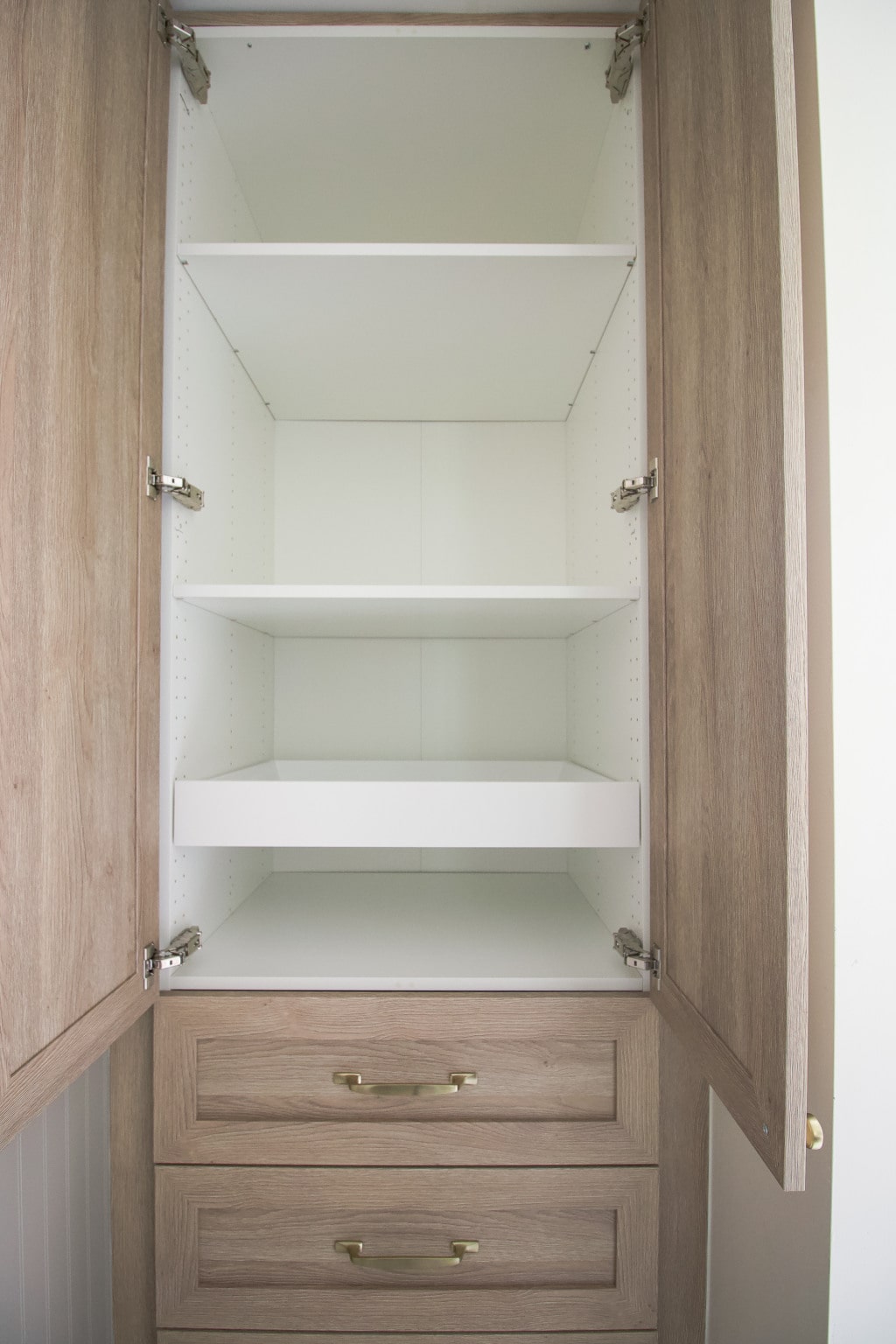
Credit: thediyplaybook.com
Frequently Asked Questions
What Materials Are Best For Bathroom Linen Cabinets?
Wood and moisture-resistant plywood are ideal. Choose materials that withstand humidity and prevent warping. Use water-resistant finishes to protect the cabinet from water damage and maintain durability.
How Much Space Is Needed For A Linen Cabinet?
A cabinet should fit comfortably without crowding. Typically, 12 to 18 inches deep and 24 to 36 inches wide works well. Measure your bathroom space carefully before building or buying.
Can I Build A Linen Cabinet Myself?
Yes, with basic woodworking skills and tools, you can. Follow detailed plans, measure accurately, and use quality materials. DIY saves money and allows customization to fit your bathroom style.
How To Prevent Moisture Damage In Bathroom Cabinets?
Use moisture-resistant materials and sealants. Ensure proper ventilation in the bathroom to reduce humidity. Regularly check for leaks and wipe surfaces dry to maintain cabinet integrity.
Conclusion
Building a bathroom linen cabinet takes time and care. Start with a clear plan and simple tools. Choose materials that last and suit your space. Measure twice, cut once to avoid mistakes. Assemble pieces carefully and secure them well. Add shelves to keep towels and supplies neat.
Paint or finish the cabinet for a clean look. A well-made cabinet helps keep your bathroom tidy. Enjoy your new storage and the extra space. Small projects like this bring big satisfaction. Try it yourself and see how easy it can be.