Is your bedroom starting to feel cramped and uncomfortable? You might be asking yourself, “Am I crowding my bedroom furniture?”
When your space feels tight, it can affect how well you rest and relax. But knowing if your furniture is really taking up too much room isn’t always easy. You’ll discover simple ways to spot the signs of overcrowding and learn smart tips to create a bedroom that feels open and peaceful.
Keep reading to find out how small changes can make a big difference for your comfort and peace of mind.

Credit: heatherkrout.com
Signs Of A Crowded Bedroom
Knowing the signs of a crowded bedroom helps create a calm space. A crowded room can make you feel stressed and tired. It limits your comfort and disrupts sleep. Spotting these signs lets you fix the problem early.
Limited Walking Space
One clear sign is little room to walk around. You may bump into furniture often. Moving from one spot to another feels hard. This can make your daily routine slower and more frustrating.
Blocked Natural Light
Furniture placed near windows can block sunlight. A dark room feels smaller and less inviting. Natural light is important for mood and energy. If your room looks gloomy, it might be too crowded.
Difficulty Accessing Furniture
Struggling to reach your dresser or nightstand is common. You may have to squeeze past beds or chairs. This makes using your furniture annoying and less useful. Easy access is key for a comfortable bedroom.
Cluttered Appearance
Too much furniture creates a messy look. Surfaces fill up with items and decorations. The room feels busy and overwhelming. A cluttered space can reduce your focus and rest.
Choosing The Right Furniture Size
Choosing the right furniture size is key to creating a comfortable bedroom. Big furniture can make the room feel small and crowded. Small furniture may not provide enough space to relax or store items. Finding the right balance improves the room’s look and feel.
Measuring Your Room
Start by measuring the length and width of your bedroom. Write down the sizes, including space for doors and windows. Measure the ceiling height too. This helps to understand how much space you have for furniture.
Mark the areas where you want to place furniture. Leave space for walking paths. This prevents the room from feeling tight and cluttered.
Proportional Furniture Selection
Choose furniture that matches your room size. Large beds or dressers can overpower a small room. Small items in a big room look lost and odd. Keep the furniture scale balanced with your room’s size.
Pick pieces that fit well and leave enough open space. This balance makes the bedroom feel calm and inviting. Avoid heavy or bulky furniture that blocks natural light or movement.
Multi-functional Pieces
Multi-functional furniture saves space and adds value. Beds with drawers or shelves give extra storage. Desks that fold or chairs that stack create more room.
These pieces reduce clutter and make the bedroom more practical. Choose items that serve more than one purpose. Your room stays neat and spacious without extra furniture.
Smart Furniture Arrangement
Smart furniture arrangement helps make a bedroom feel larger and more comfortable. It uses space wisely and improves flow. The right setup makes moving around easy. It also highlights the room’s best features.
Creating Clear Pathways
Clear pathways let you walk without bumping into furniture. Leave enough space between pieces for easy movement. Avoid placing furniture in spots that block doors or windows. Pathways of at least two feet wide work best. This keeps the room feeling open and fresh.
Using Corners Effectively
Corners often go unused. Put small dressers, shelves, or chairs there. This uses space without crowding the center. Corner furniture can also create cozy spots. It helps keep the main area clear and uncluttered.
Avoiding Overlapping Pieces
Keep furniture pieces separate to avoid a crowded look. Overlapping chairs or tables makes a room feel cramped. Each item needs its own space to stand out. Arrange pieces so they don’t block each other. This keeps the bedroom neat and easy to enjoy.
Maximizing Vertical Space
Maximizing vertical space is key to avoiding a crowded bedroom. It helps you keep the floor clear and makes the room feel bigger. Using the walls and height of the room lets you store more without clutter.
Tall Shelves And Cabinets
Tall shelves use the room’s height well. They hold books, decor, and clothes. Choose slim designs to keep space open. Cabinets that reach the ceiling hide clutter and keep things tidy. Place items you use less on top shelves.
Wall-mounted Storage
Wall-mounted storage saves floor space. Hooks, racks, and small shelves keep essentials handy. This storage works well for bags, hats, or small items. It keeps your bedroom neat and organized. Use spaces above desks or beds for extra storage.
Lofted Beds And Platforms
Lofted beds lift your sleeping area off the floor. This creates room underneath for desks or seating. Platforms with built-in drawers add hidden storage. These options free up floor space. They make small bedrooms feel open and airy.
Decluttering Techniques
Decluttering your bedroom can make the space feel larger and more peaceful. Using simple techniques helps remove extra items and organize what remains. This creates a calm, open room where furniture fits well and feels comfortable. Try these easy methods to reduce clutter and improve your bedroom layout.
Regular Sorting And Donating
Set a schedule to sort through your belongings. Every few months, check clothes, books, and other items. Remove anything you no longer use or need. Donate these items to charity or give them away. This frees up space and keeps your bedroom tidy.
Hidden Storage Solutions
Use furniture with built-in storage. Beds with drawers or ottomans that open are great options. Store extra blankets, clothes, or shoes out of sight. This keeps the room neat without adding clutter. Hidden storage helps use space wisely and keeps things organized.
Keeping Surfaces Clear
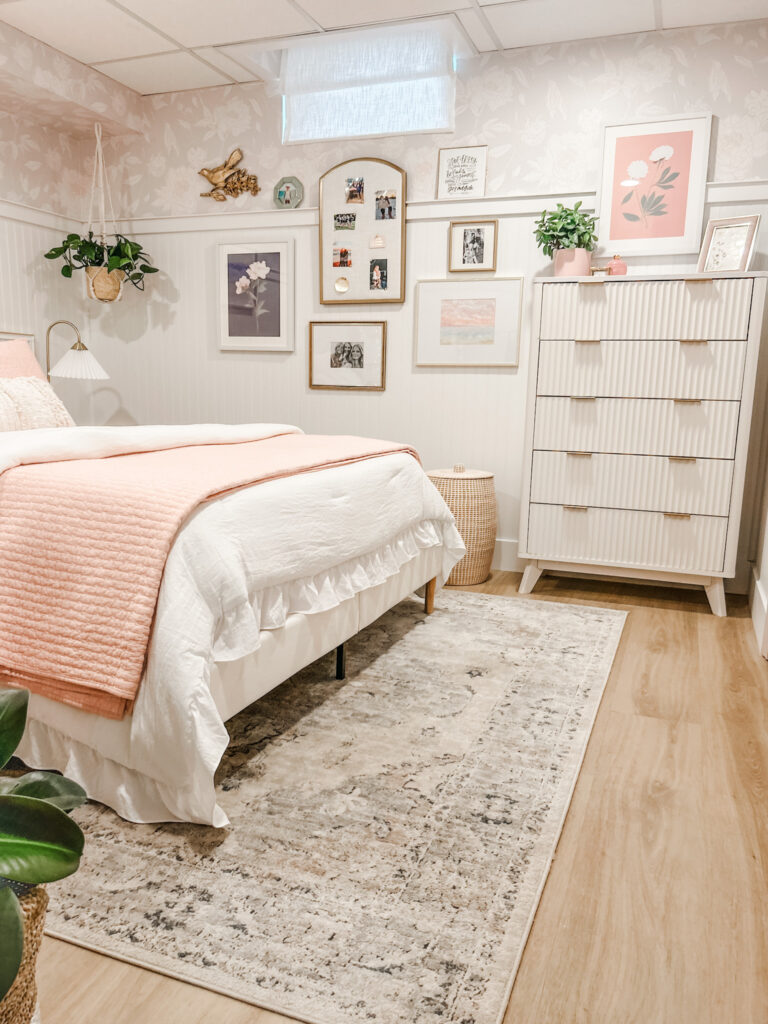
Clear your nightstands, dressers, and shelves daily. Avoid piling up books, papers, or knickknacks. Use trays or small boxes to hold essentials neatly. Empty surfaces make the room feel open and calm. A clean surface helps you see your space clearly and avoid crowding.
Credit: heatherkrout.com
Color And Lighting Tricks
Color and lighting tricks can make a small bedroom feel larger and more comfortable. Using the right colors and lighting helps create a sense of space. It also reduces the feeling of crowding with too much furniture.
Light Colors To Open Space
Light colors reflect more light and make rooms appear bigger. Choose soft whites, pale blues, or light grays for walls and furniture. These colors create an airy and open atmosphere. Dark colors tend to close in space and make rooms feel smaller.
Mirrors For Depth
Mirrors give an illusion of depth and open up the room visually. Place a large mirror opposite a window to reflect natural light. This brightens the room and adds a sense of space. Mirrors can also highlight attractive parts of your bedroom.
Layered Lighting Options
Use different types of lighting to create a balanced and spacious feel. Combine ceiling lights with table lamps and wall sconces. This avoids harsh shadows and spreads light evenly. Layered lighting makes the room feel warm and welcoming.
Customizing Your Space
Customizing your bedroom lets you create a space that fits your needs perfectly. It helps avoid crowding and keeps the room comfortable. Thoughtful choices can make your bedroom both functional and cozy.
Tailored Storage Options
Storage that fits your space keeps clutter away. Use shelves, drawers, or boxes that match your room size. Custom storage saves space and keeps things organized. It makes your bedroom feel larger and neater.
Flexible Furniture Layouts
Move furniture to find the best fit for your room. Try different layouts to see what feels open and easy to use. Flexible arrangements help avoid crowding and improve flow. Change layouts as your needs change.
Personal Style Without Clutter
Show your style with simple decorations. Choose a few favorite items that add character without crowding. Keep surfaces clear and avoid too many small pieces. Style your room with a clean, calm look.

Credit: the-rugs.com
Frequently Asked Questions
How Do I Know If My Bedroom Furniture Is Crowded?
Measure your room and furniture size. Leave at least 2 feet of walking space. If movement feels tight, your furniture is crowded.
What Are Signs Of Overcrowded Bedroom Furniture?
Signs include limited walking space, difficulty opening drawers, and blocked doors or windows. These indicate your furniture is overcrowded.
How Can I Arrange Furniture To Avoid Crowding?
Place larger pieces against walls. Keep pathways clear. Use multi-functional furniture to save space and maintain a balanced layout.
Does Overcrowded Furniture Affect Bedroom Comfort?
Yes, crowded furniture reduces comfort. It makes the room feel smaller and harder to relax in. Spacious arrangement improves comfort.
Conclusion
A crowded bedroom can feel small and stressful. Keep only the furniture you need and love. Leave space to move easily around the room. Use smart storage to hide clutter and save space. Bright colors and good lighting help the room feel bigger.
A clear, open bedroom helps you relax and sleep well. Small changes can make your room feel fresh and open. Think about what works best for your space and comfort. Your bedroom should be a peaceful place, not crowded or tight.