Are you trying to organize your space and wondering how many small boxes can fit on your bookshelf? Knowing the right number can help you maximize storage, keep things tidy, and make your room look great.
But how do you figure out the perfect fit without guesswork? You’ll discover simple tips and easy calculations that will take the stress out of organizing. By the end, you’ll know exactly how to arrange your small boxes on your bookshelf for the best use of space.
Keep reading to transform your storage game!
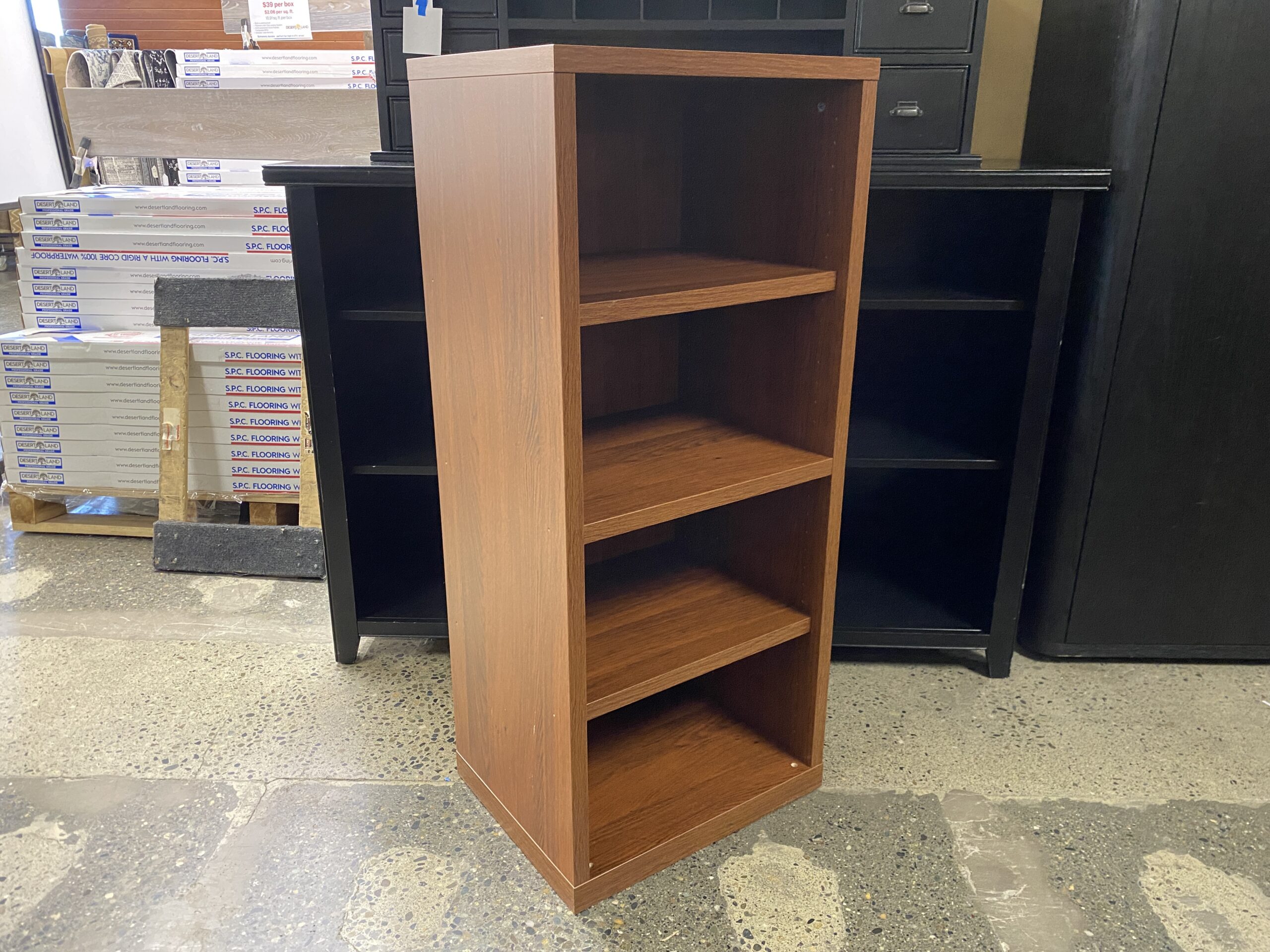
Credit: www.habitatstoreskc.org
Choosing The Right Small Boxes
Choosing the right small boxes helps organize your bookshelf better. Boxes keep books neat and easy to find. Picking the best type depends on size, material, and design. These factors affect how many boxes fit and how they hold up over time.
Box Sizes And Dimensions
Measure your bookshelf shelves before buying boxes. Boxes should fit well without wasting space. Small boxes vary from 6 to 12 inches wide. Depth and height must match shelf space. Choose boxes that hold your books without bending them.
Materials And Durability
Materials affect the box’s strength and look. Cardboard is light and cheap but less durable. Plastic boxes last longer and resist moisture. Wooden boxes are sturdy but heavier. Pick a material that suits your budget and use.
Stackability And Design
Stackable boxes save space and keep shelves tidy. Look for boxes with flat tops for stable stacking. Designs with handles make moving easier. Clear boxes help see contents quickly. Simple designs fit most decor styles well.
Measuring Your Bookshelf Space
Measuring your bookshelf space is the first step to knowing how many small boxes fit on each shelf. Accurate measurements help you use space well. It also prevents buying boxes that are too big or small.
Take your time with measurements. Measure the width, height, and depth of each shelf. These numbers guide your choice of boxes and how to arrange them.
Shelf Dimensions And Depth
Start by measuring the width of the shelf from one side to the other. Then, check the height between shelves. Depth is important too. Measure from the front edge to the back wall of the shelf. This helps find boxes that fit well without sticking out.
Adjustable Shelves And Customization
Many bookshelves have adjustable shelves. This means you can change the height to fit different items. Check if your shelves can move. Adjusting them creates space for taller boxes or stacks of books. Customizing shelves gives more options to organize.
Accounting For Weight Limits
Every shelf has a weight limit. Heavy boxes can cause shelves to bend or break. Know the weight limit before adding boxes. Choose light boxes or spread weight evenly. Protect your bookshelf by not overloading it.
Calculating Box Capacity Per Shelf
Calculating how many small boxes fit on a bookshelf helps organize space well. It ensures you use every inch without overcrowding. Measure the shelf size and the boxes first. This way, you can plan the best arrangement.
Fitting Boxes Horizontally
Start by measuring the shelf width in inches or centimeters. Then, measure the width of one small box. Divide the shelf width by the box width. The result tells how many boxes fit side by side. Leave a small gap between boxes to avoid tight packing.
Maximizing Vertical Space
Next, check the shelf height and the box height. Count how many boxes stack safely without pressing the shelf above. Stacking too high risks damage or falling boxes. Use boxes with uniform height for easier stacking. This method uses space up and down efficiently.
Allowing For Accessibility
Leave some space to grab boxes easily. Avoid stacking boxes too deep or high. Keep at least a few inches of space in front. This space helps pull out boxes without struggle. Easy access saves time and keeps the shelf tidy.
Organizing Boxes For Efficiency
Organizing boxes efficiently saves space and time. It helps to keep your bookshelf neat. You find what you need quickly. Good organization stops clutter from piling up. Planning box contents and setup is key.
Categorizing Contents
Group items by type or use. Sort books, papers, and supplies separately. Keep similar things together in one box. This prevents mixing and confusion. Categories can be by subject, size, or purpose. Clear categories make finding items fast.
Labeling Techniques
Use simple labels on each box. Write large, clear words for easy reading. Stick labels on the front and top. Color coding also helps quick identification. Use permanent markers or printed labels. Good labels reduce the need to open boxes.
Using Dividers Inside Boxes
Dividers create small sections inside boxes. They keep items upright and separated. Use cardboard, plastic, or wood dividers. Dividers stop things from shifting during moves. They help fit more items neatly. Divided boxes stay organized longer.
Tips For Maximizing Storage
Maximizing storage on a bookshelf helps keep your space neat and organized. Small boxes are great for holding items, but using them well is key. Follow simple tips to get the most out of your bookshelf.
These ideas help you fit more in while keeping things easy to find.
Utilizing Shelf Height Fully
Measure the shelf height before placing boxes. Use boxes that fit the entire height without wasting space. Stack smaller boxes if the shelf allows. Leave a little room to avoid crowding. This way, you use every inch effectively.
Combining Boxes With Other Storage
Mix small boxes with bookends or baskets. Use open space for books or decorative items. This makes the shelf look balanced and functional. Different storage types help hold various items easily. It keeps your shelf neat and attractive.
Maintaining Balance And Stability
Place heavier boxes at the bottom shelves. Keep lighter boxes on top to avoid tipping. Don’t overload any shelf beyond its weight limit. Arrange boxes evenly to keep the shelf stable. Safety is important to protect your items and shelf.
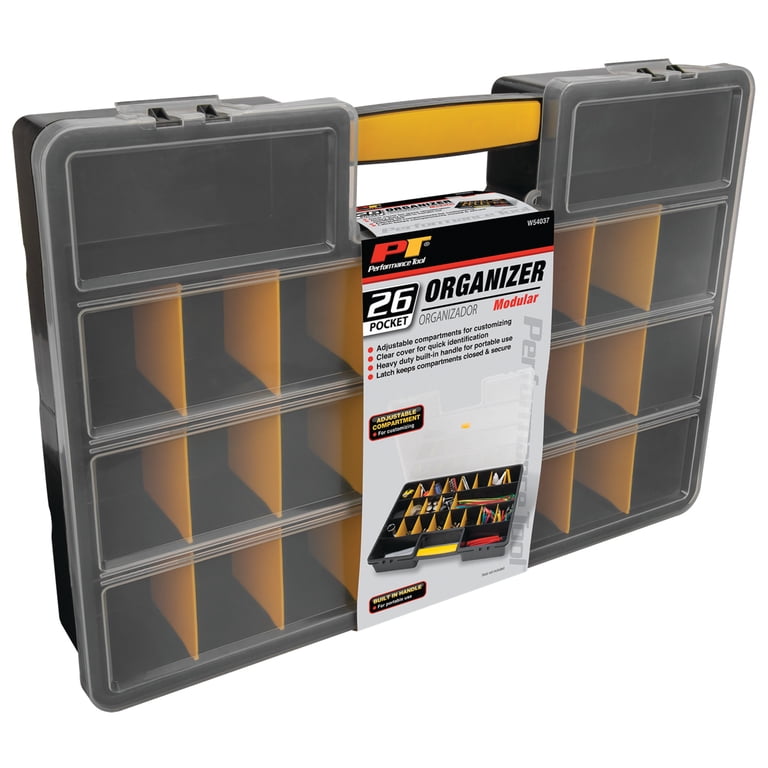
Credit: www.walmart.com

Credit: www.amazon.com
Frequently Asked Questions
How Many Small Boxes Fit On One Bookshelf?
The number of small boxes depends on the shelf size and box dimensions. Typically, a standard bookshelf can hold 6 to 12 small boxes per shelf. Measure both to get an exact count for your specific setup.
What Box Size Works Best For Bookshelves?
Small boxes around 12x12x12 inches fit well on most shelves. This size balances storage capacity and ease of handling. Choose boxes that leave some space for airflow and easy access.
Can Small Boxes Protect Books On Shelves?
Yes, small boxes protect books from dust and damage. They keep books organized and prevent wear from frequent handling. Use sturdy, moisture-resistant boxes for the best protection.
How To Maximize Small Box Storage On Bookshelves?
Use uniformly sized boxes and stack them neatly to save space. Remove unnecessary items to avoid overcrowding. Label boxes clearly for quick access and organized storage.
Conclusion
Choosing the right number of small boxes per bookshelf helps keep things neat. Boxes fit well on shelves and save space. Think about box size and shelf height before you buy. Organizing books and items becomes easier with the right setup.
You can mix box sizes to use space smartly. This simple step makes your room look tidy and clean. Try different layouts to find what works best for you. Small boxes and bookshelves together make storage simple and smart.