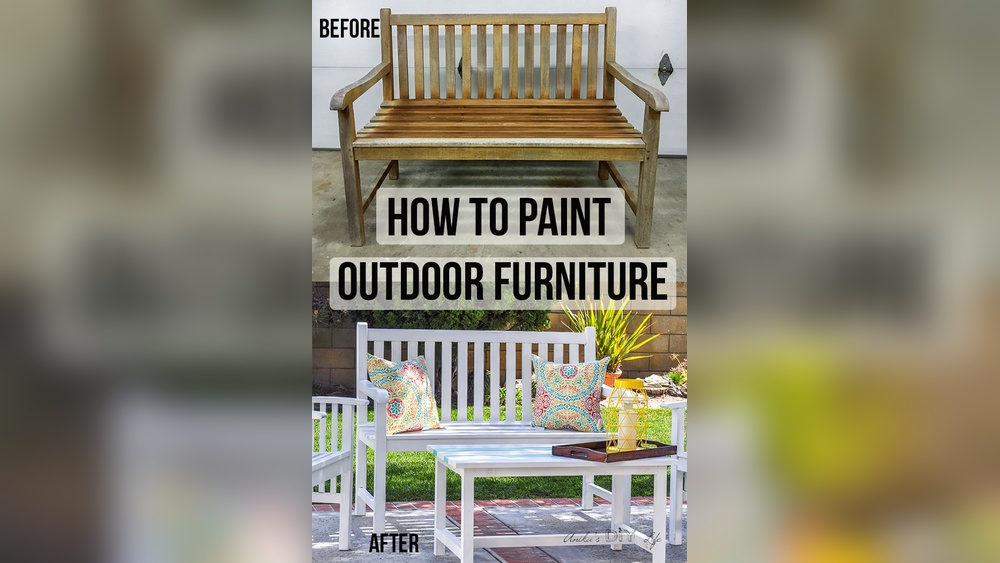
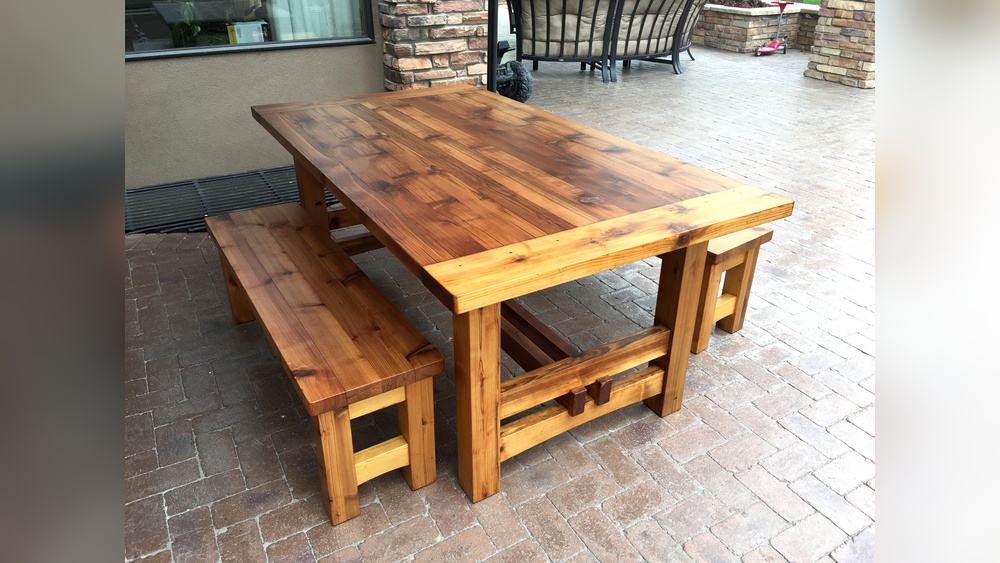
Your outdoor wood furniture adds charm and comfort to your space. But when mold starts to appear, it can quickly ruin that beauty and make your furniture unsafe to use.
You don’t want to spend money replacing pieces or scrubbing endlessly without success. What if you could keep your wood furniture mold-free all year round with simple, effective steps? You’ll discover easy ways to protect your outdoor wood furniture from mold, so it stays strong, looks great, and lasts longer.
Keep reading to learn how to save your investment and enjoy your outdoor space without worry.
Choosing Mold-resistant Wood
Choosing mold-resistant wood is the first step to protect outdoor furniture. Wood that resists mold lasts longer and stays beautiful. It lowers maintenance time and keeps your space healthy. Picking the right wood type prevents mold growth naturally. This reduces the need for harsh chemicals or frequent cleaning. Let’s explore wood types that handle moisture and mold well.
Best Wood Types For Outdoors
Cedar ranks high for outdoor use. It has natural oils that block mold and insects. Teak is another strong choice. It contains natural oils that protect against moisture and decay. Redwood also performs well outdoors. Its dense fibers resist water and mold growth. These woods need less treatment and last many years in the open air.
Natural Mold Resistance Properties
Some woods have chemicals that stop mold spores. These chemicals act as natural preservatives. They help wood avoid rot and fungal damage. The oils in cedar and teak are good examples. These oils create a surface mold finds hard to grow on. This natural defense means less risk of mold spreading on furniture.
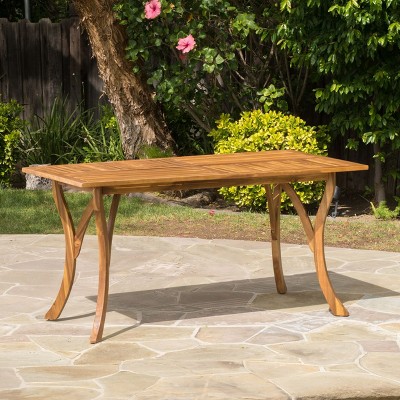
Credit: maiamidwifery.com
Preparing Wood For Treatment
Preparing wood for treatment is the first step in protecting outdoor furniture from mold. Clean, smooth surfaces help treatments work better and last longer. Proper preparation removes dirt, old finishes, and mold. This creates a fresh base for mold-proof products.
Take your time with preparation. It makes a big difference in the wood’s durability and appearance. Follow these steps carefully to get the best results.
Cleaning And Sanding Surfaces
Start by cleaning the wood with mild soap and water. Use a soft brush to remove dust and grime. Let the wood dry completely before sanding.
Sanding smooths the surface and removes rough spots. Use fine-grit sandpaper to avoid damaging the wood. Sand in the direction of the grain for the best finish. Wipe away dust with a damp cloth after sanding.
Removing Existing Mold And Mildew
Check the wood carefully for mold or mildew spots. Use a solution of water and white vinegar or a mold cleaner. Apply the solution with a spray bottle or cloth. Scrub the spots gently with a soft brush.
Rinse the area with clean water and let it dry fully. Repeat if mold remains. Removing mold early stops it from spreading under the treatment.
Applying Mold-proof Coatings
Applying mold-proof coatings is an effective way to protect outdoor wood furniture. These coatings create a barrier that stops mold from growing on the wood surface. A proper coating not only keeps the furniture clean but also extends its life. Choosing the right coating and applying it correctly makes all the difference.
Types Of Protective Finishes
Several finishes help shield wood furniture from mold. Clear sealers protect wood while showing its natural look. They stop moisture but do not change the wood’s color. Paints cover the wood fully and add a layer of protection. Some paints have mold inhibitors built in. Varnishes and polyurethane finishes create a hard shell on wood. They are strong and water-resistant. Oil-based finishes like teak oil soak into the wood. They nourish the wood and repel water, slowing mold growth.
Step-by-step Application Process
Start by cleaning the furniture thoroughly. Remove dirt, dust, and any old finishes. Let the wood dry completely before applying coatings. Use a brush or spray for an even coat. Apply the first layer of mold-proof finish gently. Let it dry as per the product instructions. Sand lightly with fine sandpaper for a smooth surface. Apply a second coat to strengthen protection. Check all corners and crevices for full coverage. Allow the furniture to dry fully before use. Repeat the process yearly to keep mold away.
Using Mold Inhibitors And Sealants
Using mold inhibitors and sealants is a strong way to protect outdoor wood furniture. These products stop mold spores from growing on wood surfaces. Mold inhibitors work by killing mold or preventing its growth. Sealants create a barrier that stops moisture from reaching the wood. Moisture and mold often go together. Without moisture, mold cannot survive. Applying these products correctly keeps furniture safe from mold damage for a long time.
Choosing Effective Mold Inhibitors
Select mold inhibitors made for wood surfaces. Check the label for protection against mold and mildew. Some products contain natural ingredients, while others use chemicals. Choose one that fits your needs and is safe for outdoor use. Read reviews to see which inhibitors work well in wet environments. A good mold inhibitor should last several months after application. Avoid products that may harm the wood finish or color.
Proper Sealant Application Techniques
Start by cleaning the wood surface. Remove dirt, dust, and old finishes. Let the wood dry completely. Use a brush or roller to apply the sealant evenly. Cover all sides and edges to block moisture from entering. Apply multiple thin coats rather than one thick coat. Allow each coat to dry before adding the next. Follow the manufacturer’s instructions for drying times. Proper sealing extends the life of your furniture and keeps mold away.
Regular Maintenance Tips
Regular maintenance keeps outdoor wood furniture safe from mold. It helps the wood last longer and look good. Simple steps prevent mold growth and damage. Stay consistent with care to protect your investment.
Cleaning Schedules For Outdoor Furniture
Set a cleaning routine for your wood furniture. Clean it at least every two weeks. Use a soft brush and mild soap with water. Rinse thoroughly to remove dirt and soap. Avoid harsh chemicals that can harm wood. Dry the furniture well to stop mold from forming.
Inspecting And Touching Up Coatings
Check the furniture’s finish regularly for cracks or peeling. Damaged coatings let moisture reach the wood. Apply a fresh coat of sealant or paint when needed. Use products made for outdoor wood protection. This step blocks moisture and mold spores effectively. Keep the finish even and smooth for best results.

Credit: us.amazon.com
Preventing Mold Growth With Environment Control
Controlling the environment around outdoor wood furniture helps stop mold growth. Mold thrives in damp, dark places. Keeping the area dry and well-lit reduces mold chances. Small changes in how you place and care for your furniture make a big difference.
Optimizing Furniture Placement
Place wood furniture where sunlight reaches it often. Sunlight kills mold spores and dries wet surfaces. Avoid spots near walls or bushes that block air and light. Keep furniture a few inches away from ground to avoid dampness. Moving furniture regularly helps air flow under and around it.
Managing Moisture And Ventilation
Water is mold’s best friend. Remove water from furniture as soon as possible. Use covers that allow air to pass but block rain. Avoid plastic covers that trap moisture. Create airflow by spacing furniture apart. Ventilation helps dry moisture and keeps mold away.
Repairing Mold-damaged Wood
Repairing mold-damaged wood is key to keeping outdoor furniture safe and strong. Mold harms wood by eating into its surface and making it weak. Acting fast can save your furniture and stop mold from spreading. Understanding how to spot damage and fix it helps extend your wood’s life.
Identifying Mold Damage Early
Look for dark spots or fuzzy patches on the wood surface. These signs show mold growth. Wood may feel soft or crumbly in damaged areas. A musty smell often comes from moldy wood. Check hidden spots like under cushions or in joints. Early detection prevents deeper damage and costly repairs.
Restoration And Replacement Options
Light mold can be cleaned with a brush and mild detergent. After cleaning, dry the wood completely to stop mold return. For deeper damage, sanding removes mold and damaged layers. Use wood filler to fix small holes or cracks. Replace wood pieces that are soft or rotten beyond repair. Applying a sealant after repair protects wood from future mold.

Credit: osmouk.com
Frequently Asked Questions
How Do I Prevent Mold On Outdoor Wood Furniture?
Keep wood furniture dry and clean regularly. Apply mold-resistant sealants or oils to protect wood surfaces. Store furniture in shaded, ventilated areas to reduce moisture buildup.
What Are The Best Mold-proof Treatments For Wood Furniture?
Use water-repellent sealers, wood preservatives, or anti-fungal sprays. These treatments create barriers against moisture and mold spores. Reapply treatments yearly for continued protection.
Can Sunlight Help Stop Mold Growth On Wood Furniture?
Yes, sunlight kills mold spores and dries moisture. Place furniture in direct sunlight when possible. Avoid damp, shaded spots to minimize mold risk.
How Often Should I Clean Outdoor Wood Furniture To Prevent Mold?
Clean furniture every 1-2 months during humid seasons. Use mild soap and water or specialized wood cleaners. Regular cleaning removes dirt and mold spores before growth starts.
Conclusion
Protecting outdoor wood furniture from mold keeps it strong and beautiful. Clean the wood regularly and dry it well after rain. Use sealants or protective oils to block moisture. Place furniture in shaded areas to reduce mold growth. Small steps help your furniture last longer and look great.
Enjoy your outdoor space without worrying about mold damage. Stay consistent with care for the best results. Simple habits make a big difference over time.