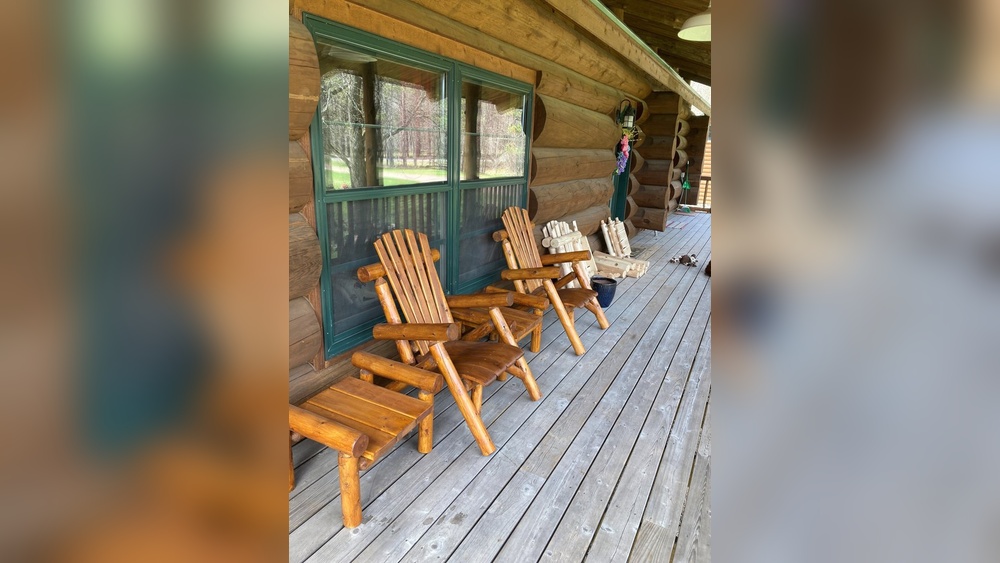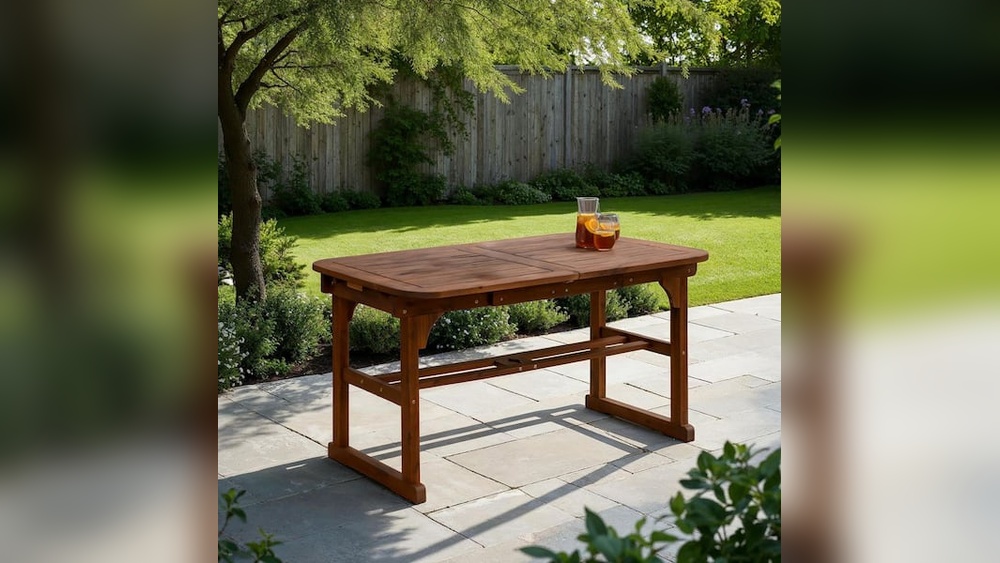
If you love spending time outdoors, you know how important your wood furniture is for comfort and style. But there’s one problem that can quickly ruin your beautiful setup—mold.
Mold not only looks bad but can also damage your furniture and affect your health. You might be wondering how to keep your outdoor wood furniture moldproof without spending hours or a fortune. You’ll discover simple, effective ways to protect your furniture so it stays strong and mold-free all year round.
Keep reading to learn how to enjoy your outdoor space without the worry of mold taking over.

Credit: www.ebay.com
Choosing The Right Wood
Choosing the right wood is key to moldproof outdoor furniture. Not all woods resist moisture and mold equally. The wood type affects durability and appearance. Some woods last longer outside and need less care. Understanding wood types helps select furniture that stays mold-free.
Durable Wood Types
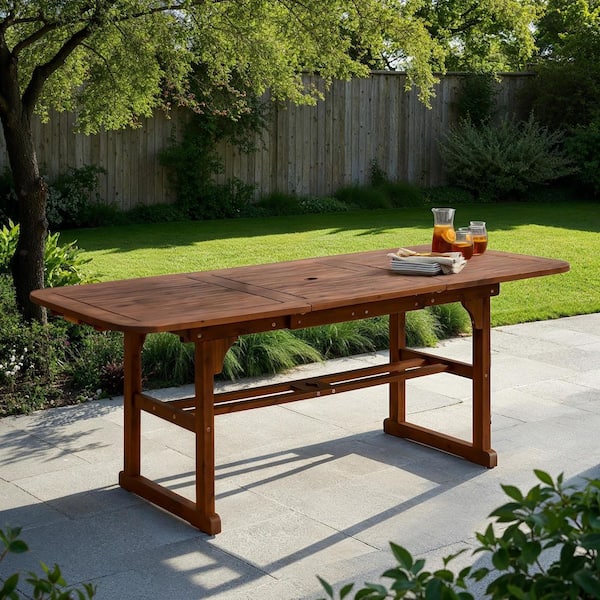
Hardwoods like teak and cedar resist mold and rot well. Teak contains natural oils that block water. Cedar smells good and fights insects and mold. Redwood also stands up to moisture and decay. These woods handle weather changes without warping or cracking. They keep furniture strong and mold-free for years.
Wood Treatments And Grades
Treated wood lasts longer outdoors. Pressure-treated wood has chemicals to stop mold and bugs. Look for wood rated for outdoor use. Higher-grade wood has fewer knots and cracks. These imperfections let moisture in and cause mold. Smooth, dense wood is best for outdoor furniture. Combining good wood with treatment gives extra protection.
Credit: www.homedepot.com
Preparing Wood Surfaces
Preparing wood surfaces is key to making outdoor furniture moldproof. Clean and smooth wood helps protect against moisture and mold growth. Proper prep allows treatments to work better and last longer.
This step also improves the look and feel of your furniture. It removes dirt, old finishes, and mold spots. Careful preparation sets a strong base for sealing and protecting the wood.
Cleaning And Sanding
Start by washing the wood with mild soap and water. Use a soft brush to scrub dirt and grime. Rinse well and let the wood dry completely before sanding.
Sand the surface with medium-grit sandpaper to remove rough spots. This opens up the wood pores for better absorption of sealants. Finish with fine-grit sandpaper for a smooth touch.
Removing Existing Mold
Check the furniture for any dark or fuzzy mold patches. Use a solution of one part bleach to three parts water. Apply it carefully on moldy areas with a sponge or cloth.
Let the solution sit for 15 minutes to kill mold spores. Rinse off thoroughly with clean water. Dry the wood completely in a sunny, well-ventilated spot.
Applying Mold-resistant Coatings
Applying mold-resistant coatings is a key step to protect outdoor wood furniture. These coatings create a barrier that stops mold growth. They also help wood last longer under wet or humid conditions. Choosing the right coating and applying it well can keep your furniture looking fresh and clean.
Types Of Sealants
There are several types of mold-resistant sealants. Clear sealants keep the natural wood look. They protect without changing color or texture. Pigmented sealants add color and hide flaws. Both types block moisture and mold spores.
Some sealants contain anti-fungal chemicals. These help kill mold before it starts. Water-based sealants are easy to apply and clean up. Oil-based sealants last longer but take more time to dry. Choose one that fits your furniture type and climate.
Proper Application Techniques
Start with clean, dry wood. Remove dirt, dust, and old finishes. Sand the surface to smooth rough spots. Use a brush or sprayer for even coverage.
Apply sealant in thin, even coats. Let each coat dry fully before adding the next. Two or three coats work best for mold protection. Don’t forget to seal all sides, including edges and undersides.
Store furniture in a shaded, well-ventilated area after sealing. This helps the coating cure properly. Regularly inspect and reapply sealant as needed to maintain protection.
Maintenance Tips For Longevity
Keeping outdoor wood furniture moldproof takes more than just treatment. Regular care ensures it stays strong and beautiful for years. Simple steps protect wood from moisture and dirt buildup. These maintenance tips help your furniture last longer and look great.
Regular Cleaning Routines
Clean wood furniture often to stop mold growth. Use a soft brush or cloth to remove dirt and dust. Mild soap mixed with water works well for washing surfaces. Avoid harsh chemicals that can damage the wood. Rinse with clean water and dry with a towel. Always clean furniture after heavy rain or storms. Dry surfaces fast to prevent mold spores from settling.
Seasonal Inspections
Check wood furniture every season for signs of mold or damage. Look closely at corners and joints where moisture hides. Inspect for cracks, peeling paint, or soft spots. Early detection stops mold before it spreads. Treat any small mold spots with a gentle cleaner. Repair damaged areas to keep wood strong. Seasonal care extends furniture life and keeps it safe to use.
Storage And Placement Strategies
Proper storage and placement of outdoor wood furniture help prevent mold growth. Choosing the right spot and using protective gear can keep your furniture dry. This reduces moisture, the main cause of mold. Clean and dry furniture lasts longer and looks better.
Ideal Furniture Locations
Select a spot that gets plenty of sunlight. Sunlight helps dry wood and stops mold from growing. Avoid placing furniture near bushes or trees. These areas hold moisture and shade, which encourage mold. Choose elevated places to prevent water pooling. Keep furniture away from walls to allow air flow all around.
Protective Covers And Shelters
Use waterproof covers to shield furniture from rain and dew. Covers stop water from soaking into the wood. Pick covers that fit well and allow some air flow. Shelters like pergolas or awnings provide shade and keep rain off. They protect furniture while letting air move freely. Good protection reduces mold and wood damage over time.
Diy Mold Removal Solutions
Mold can damage outdoor wood furniture quickly. Removing it early keeps your furniture safe and looking good. DIY mold removal is easy and cost-effective. It helps you control the cleaning process and use safe materials.
Natural Remedies
Natural solutions work well for light mold problems. Mix equal parts of white vinegar and water in a spray bottle. Spray the solution on the moldy areas. Let it sit for 10 minutes. Then scrub the surface with a soft brush. Rinse with clean water and dry with a cloth.
Baking soda is another option. Make a paste with baking soda and water. Apply it on the mold spots. Wait 15 minutes. Scrub gently and rinse off. Baking soda also helps prevent mold from coming back.
Commercial Cleaners
Commercial mold cleaners work fast on tough stains. Choose a cleaner safe for wood surfaces. Follow the instructions on the label carefully. Usually, you spray the cleaner and wait a few minutes. Then scrub the furniture with a brush. Rinse well with water to remove all residues.
Wear gloves and work in a well-ventilated area. Some cleaners contain chemicals that can irritate skin and eyes. Commercial products often kill mold spores deeply. This stops mold from returning quickly.
Preventing Mold Growth Year-round
Mold can damage outdoor wood furniture fast. It grows easily in damp and dark places. Preventing mold growth all year helps keep your furniture strong and beautiful. Small steps make a big difference. Follow these tips to keep mold away every season.
Controlling Moisture
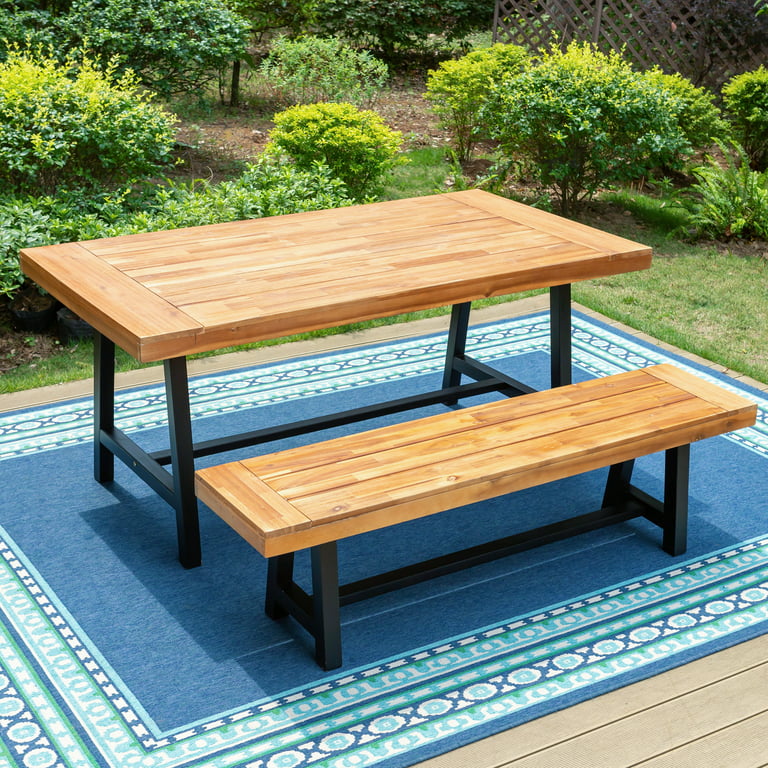
Moisture feeds mold. Keep wood dry to stop mold growth. Wipe furniture after rain or dew. Use waterproof covers in wet weather. Avoid placing furniture directly on grass or soil. Use gravel or patio stones instead. Check for leaks in nearby gutters or sprinklers. Fix them fast to reduce moisture.
Improving Air Circulation
Good airflow dries wood and lowers mold risk. Space furniture pieces apart to let air flow freely. Avoid blocking vents or windows nearby. Use fans or outdoor heaters in damp seasons. Place furniture in sunny spots when possible. Sunlight helps kill mold spores. Rotate cushions and furniture regularly for even drying.
Credit: www.walmart.com
Frequently Asked Questions
How Do I Prevent Mold On Outdoor Wood Furniture?
Keep furniture dry and clean regularly. Apply a mold-resistant sealant to wood surfaces. Store furniture under cover during wet weather.
What Is The Best Sealant For Moldproofing Wood?
Use a water-repellent, mold-resistant wood sealant. Look for products containing mildewcides. Reapply sealant annually for best protection.
Can Vinegar Remove Mold From Wood Furniture?
Yes, vinegar is a natural mold killer. Spray vinegar on affected areas, let sit 1 hour, then scrub and dry. Avoid over-wetting wood.
How Often Should I Clean Outdoor Wood Furniture?
Clean at least every 3 months. More frequent cleaning is needed in humid or rainy climates to prevent mold growth.
Conclusion
Protecting outdoor wood furniture from mold takes regular care and attention. Clean your furniture often and keep it dry. Use sealants or mold-resistant finishes to add protection. Store furniture in shaded, well-ventilated areas when not in use. Small steps prevent mold growth and extend furniture life.
Enjoy your outdoor space without worrying about damage. Simple habits make a big difference in keeping wood furniture mold-free. Stay consistent, and your furniture will look great season after season.