Have you ever wondered how much wood you need to build your perfect bookshelf? Knowing the exact board feet required can save you time, money, and frustration.
Whether you’re a DIY enthusiast or just curious, understanding this measurement helps you plan better and avoid unnecessary waste. You’ll discover simple ways to calculate the board feet for your bookshelf, so you can confidently start your project without second-guessing.
Keep reading, and you’ll soon have all the answers you need to bring your bookshelf idea to life.

Credit: www.amazon.com
Board Foot Basics
Understanding board feet helps you know how much wood a bookshelf needs. Wood is sold by size, not just pieces. This makes it easier to plan and buy the right amount.
Knowing the basics saves money and avoids waste. Let’s explore what a board foot means and why it matters.
What Is A Board Foot
A board foot measures wood volume. It equals a piece one foot long, one foot wide, and one inch thick. This unit shows how much wood you have or need.
Think of it as a way to count wood in chunks. One board foot is enough for small projects or parts of bigger ones.
Why Measure Wood In Board Feet
Wood prices depend on size and thickness. Board feet help compare costs fairly. It makes buying wood clear and simple.
This method works for all wood types. Buyers and sellers use it worldwide. It ensures you get the right amount for your bookshelf project.
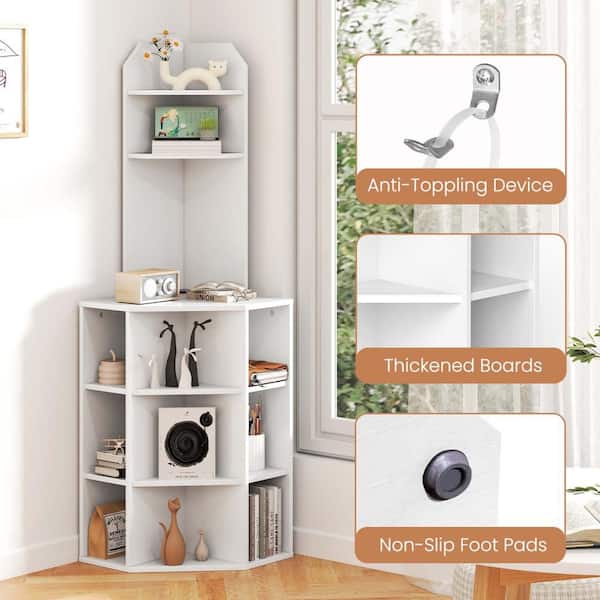
Credit: www.homedepot.com
Measuring Your Bookshelf
Measuring your bookshelf is the first step to figuring out how much wood it uses. Accurate measurements help calculate the board feet needed. This ensures you buy the right amount of lumber and avoid waste.
Start by noting the shelf’s height, width, and depth. These numbers give a clear picture of its size. Careful measuring saves time and money in woodworking projects.
Key Dimensions To Measure
Measure the height from the base to the top. Note the width from one side to the other. Check the depth from the front edge to the back panel. Don’t forget to measure each shelf’s thickness. These dimensions are crucial for calculating board feet.
Converting Dimensions To Feet
Convert all measurements to feet for easy calculation. Divide inches by 12 to get feet. For example, 24 inches becomes 2 feet. Use feet for length, width, and thickness. This standardizes your measurements for the board foot formula.
Calculating Board Feet
Calculating board feet helps measure the amount of lumber needed for a project. It shows how much wood is in a piece by volume. This measurement is important for budgeting and planning woodworking tasks.
Understanding board feet makes buying wood easier. It prevents overbuying or underestimating the material needed. This section explains how to calculate board feet for a bookshelf.
Formula For Board Foot Calculation
The board foot formula measures wood volume in feet. It uses length, width, and thickness in inches and feet.
Board feet = (Thickness in inches × Width in inches × Length in feet) ÷ 12
The divisor 12 converts cubic inches to board feet. It is a standard measure in woodworking.
Applying The Formula To A Bookshelf
Measure each part of the bookshelf for length, width, and thickness. Use consistent units to avoid errors.
Calculate board feet for shelves, sides, top, and back separately. Then add all values for total wood volume.
Example: A shelf 1 inch thick, 12 inches wide, and 3 feet long is:
(1 × 12 × 3) ÷ 12 = 3 board feet
Sum the board feet of all parts to find total lumber needed. This helps buy the right amount of wood for the bookshelf.
Estimating Wood For Different Designs
Estimating the amount of wood needed for a bookshelf varies with design. Each style uses a different quantity of board feet. Understanding these differences helps in planning and budgeting your project. The shape, size, and complexity affect the wood requirement.
Simple Bookshelf Models
Simple bookshelves use fewer materials. They often have basic shapes like rectangles or squares. Typically, these shelves have four to five boards. Each board is cut to size and assembled easily. Calculating board feet involves measuring length, width, and thickness. Multiply these dimensions to get the total board feet. Simple models require less wood, making them easier to estimate.
Complex Or Custom Designs
Complex designs need more wood and precise planning. These include curved shelves, unusual shapes, or extra compartments. Custom bookshelves might have decorative trim or built-in lighting. Each added feature increases wood use. Measuring these requires breaking the design into smaller parts. Calculate board feet for each part, then add them together. This process ensures enough wood is purchased without excess waste.
Tips To Reduce Wood Waste
Reducing wood waste is important for saving money and protecting the environment. Using wood carefully means less leftover scraps and less need to buy extra material. Small changes in how you plan and cut wood can make a big difference. This helps you use more of each board foot for your bookshelf project.
Optimizing Cut Layouts
Plan your cuts before you start. Draw a layout of all the pieces you need. Arrange the shapes to fit closely together. This reduces empty spaces and leftover wood. Use software or paper templates to help. Cut the largest pieces first. Then fill in gaps with smaller parts. This method saves wood and lowers waste.
Choosing The Right Wood Thickness
Select wood thickness that matches your design needs. Thicker wood wastes more if trimmed. Thinner boards fit better in tight spaces. This reduces cutting and scrap. Avoid using overly thick boards for small shelves. Thinner wood may be strong enough and easier to handle. This choice helps reduce wasted board feet.

Credit: www.lowes.com
Frequently Asked Questions
What Is Board Foot In Woodworking?
A board foot measures lumber volume. It equals 12″ x 12″ x 1″ thickness. It helps estimate wood quantity for projects.
How Many Board Feet Does A Bookshelf Need?
A typical bookshelf requires about 15 to 25 board feet. It depends on size, shelves, and thickness of wood used.
Why Calculate Board Feet For A Bookshelf?
Calculating board feet helps estimate material cost accurately. It prevents overbuying or underestimating wood needed for the bookshelf project.
How To Measure Board Feet For Bookshelf Wood?
Measure length, width, and thickness in inches. Multiply these, then divide by 144. This gives the board feet needed for the wood.
Conclusion
Calculating board feet for a bookshelf helps plan your project well. Knowing the size and number of shelves guides the wood amount needed. This saves time and money while building. Always measure carefully and double-check your numbers. Small errors can lead to wasted materials.
A clear plan makes the process smoother and more enjoyable. Now, you can confidently estimate wood for your bookshelf. Ready to start your woodworking project?