Are you looking for a way to add both style and storage to your home? A staircase bookshelf might be exactly what you need.
Imagine turning empty space under your stairs into a beautiful, functional spot for your books and decor. This project is easier than you think, and you don’t need to be a professional to pull it off. You’ll discover simple steps to build your own staircase bookshelf that fits perfectly in your space.
Ready to transform your home and impress your guests? Keep reading to learn how!
Materials And Tools Needed
Building a staircase bookshelf is a fun project. Having the right materials and tools is important. This guide helps you gather what you need. Prepare well to make the process smooth and safe.
Choosing The Right Wood
Select wood that is strong and easy to work with. Pine and oak are good choices. Pine is affordable and light. Oak is sturdy and lasts long. Choose smooth wood to avoid splinters. Measure your space to get the right wood size.
Essential Tools For The Project
You need a saw to cut the wood. A drill is necessary for making holes. Sandpaper smooths rough edges. A screwdriver helps to tighten screws. Use a measuring tape to get exact lengths. A level keeps your shelves straight.
Additional Supplies
Buy screws and nails to hold parts together. Wood glue adds extra strength. Paint or wood stain gives a nice finish. Use brushes or rags to apply paint. Safety gear like gloves and goggles protect you. Have a pencil to mark measurements clearly.
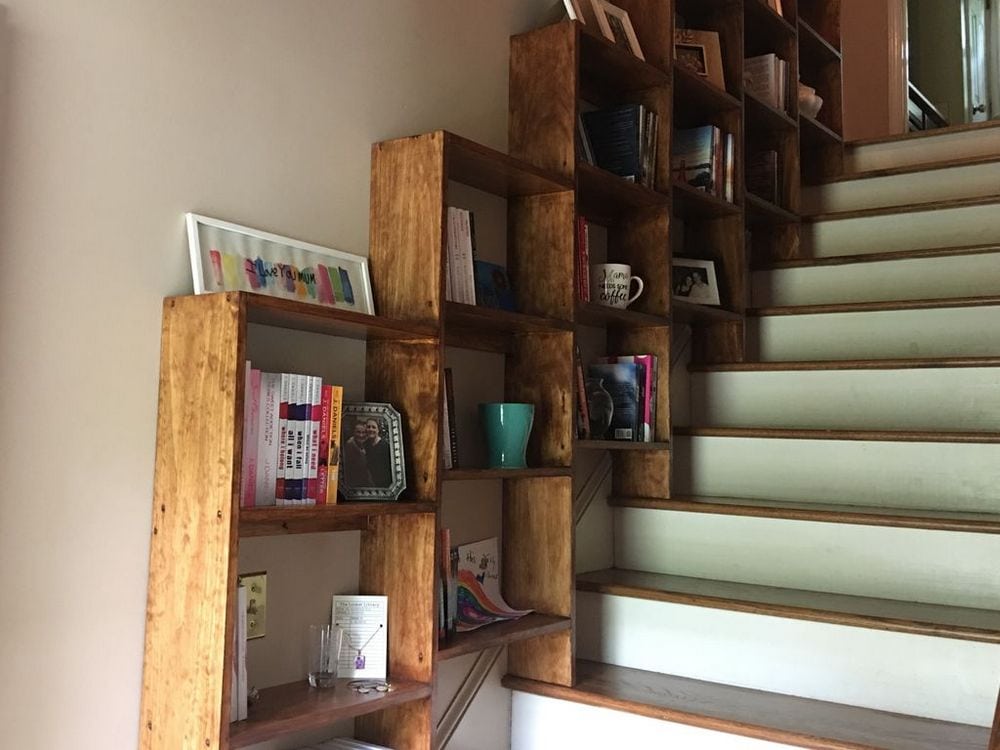
Credit: ideas2live4.com
Planning Your Bookshelf
Planning your staircase bookshelf carefully makes the building process smoother. This step helps avoid mistakes and wasted materials. Start by understanding the space and the shape you want. Then, list the materials you need. A good plan saves time and effort.
Measuring Your Space
Begin by measuring the area where the bookshelf will go. Measure the height, width, and depth. Write down these numbers clearly. Check for any obstacles like doors or outlets. Accurate measurements ensure the bookshelf fits well.
Designing The Staircase Shape
Decide how many steps or shelves you want. Think about the height of each shelf for your books. Sketch a simple drawing of the staircase shape. Keep the design balanced and stable. A clear design guides your cutting and assembly.
Creating A Cutting List
List all the wood pieces you need to cut. Include dimensions for each shelf and side panel. Double-check your measurements before writing them down. A detailed cutting list helps avoid errors. It also makes buying materials easier.
Cutting And Preparing Wood
Cutting and preparing wood is a key step in building your staircase bookshelf. It ensures each piece fits perfectly and looks great. Careful preparation helps avoid mistakes and keeps the project safe.
Take your time to measure and mark every board before cutting. Smooth edges make assembly easier and improve the final look.
Marking Your Cuts
Use a pencil and a ruler to mark where you will cut. Double-check each measurement before you draw the line. Mark both sides of the wood to guide the saw. Clear marks help you cut straight and avoid waste.
Safe Cutting Techniques
Wear safety glasses to protect your eyes. Use a steady hand and cut slowly. Keep your fingers away from the blade at all times. Use clamps to hold the wood steady. A sharp saw blade cuts cleaner and safer.
Sanding For Smooth Edges
After cutting, sand each edge using fine-grit sandpaper. Sanding removes splinters and rough spots. Smooth edges prevent scratches and make painting easier. Check each piece carefully before assembly.

Credit: nationalhomestore.com
Assembling The Frame
Assembling the frame is a key step in making a staircase bookshelf. This process gives shape and strength to the entire project. A well-built frame ensures your bookshelf is sturdy and looks great. Follow these steps carefully to build a strong base for your shelves.
Building The Staircase Structure
Start by cutting the wood pieces to the right size. Arrange them to form the staircase shape. Each step will hold a shelf, so measure carefully. Use a square tool to check the angles. Make sure the pieces fit together without gaps. This creates a clean, strong outline for your bookshelf.
Joining Pieces Securely
Use wood glue on the edges before joining. This adds extra strength to the joints. Then, drill pilot holes to avoid splitting the wood. Secure the pieces with screws or nails. Tighten each screw firmly but avoid cracking the wood. Double-check the joints to ensure they hold tight.
Ensuring Level And Stability
Place the frame on a flat surface. Use a level to check each step and side. Adjust as needed to make everything even. Add corner braces if the frame feels loose. These keep the structure steady over time. A level and stable frame will support your books safely.
Adding Shelves
Adding shelves to your staircase bookshelf brings both style and function. Shelves create space to hold books, decor, or other items. Proper shelf placement and secure attachment make the bookshelf strong and lasting. Follow clear steps to place and fix shelves with ease.
Measuring Shelf Placement
Start by measuring the distance between the steps. Decide how many shelves you want. Use a tape measure to mark the exact spots on the frame. Keep equal space between shelves for a balanced look. Double-check your marks before drilling or cutting.
Attaching Shelves To Frame
Place the shelf on the marked spot on the frame. Hold it steady and check for level using a spirit level. Adjust if needed to keep shelves straight. Secure the shelf temporarily with clamps or ask for help to hold it in place.
Securing With Brackets Or Screws
Use brackets or screws to fix shelves firmly. Choose screws that fit the shelf thickness and frame. Drill pilot holes to avoid splitting the wood. Attach brackets under each shelf for extra support. Tighten screws well but do not overdo it. Test each shelf’s strength before moving on.
Finishing Touches
The finishing touches give your staircase bookshelf its final look. These steps protect the wood and make it look great. A well-done finish can last for years. It also helps your bookshelf fit your room style. Focus on painting, coating, and decorating to complete your project.
Painting Or Staining Tips
Choose paint or stain based on your room’s color scheme. Use a brush or a small roller for even coverage. Apply thin layers to avoid drips. Let each layer dry fully before adding the next. Sand lightly between coats for a smooth finish. Test colors on a small wood piece first. This prevents surprises and ensures you like the shade.
Protective Coating Options
Use clear varnish, polyurethane, or lacquer to protect your bookshelf. These coatings guard against scratches and water damage. Apply thin, even coats with a clean brush. Allow drying time as per product instructions. Lightly sand between coats for better adhesion. Protective finishes make your bookshelf last longer and look polished.
Decorating Your Bookshelf
Arrange books by size or color for a neat look. Add small plants or decorative items for interest. Use baskets or boxes to store loose items. Keep some space empty to avoid clutter. Lighting strips can highlight your bookshelf nicely. Personal touches make your project unique and cozy.
Maintenance And Safety Tips
Keeping your staircase bookshelf in good shape is very important. It helps the shelf last longer and stay safe. You need to check the weight it holds, clean it often, and stop any damage early. This way, your bookshelf looks nice and works well every day.
Weight Limits For Shelves
Each shelf has a weight limit. Do not put too many heavy books or items. Too much weight can break the shelf or make it unsafe. Spread out the books and avoid stacking too high. Use lighter items on the top shelves for balance.
Regular Cleaning Advice
Dust your bookshelf every week. Use a soft cloth to wipe the shelves gently. Avoid wet cloths that can hurt the wood. Clean spills quickly to stop stains. Regular cleaning keeps the wood bright and free from dirt.
Preventing Damage
Keep sharp or heavy objects away from the shelves. Avoid dragging books or items on the surface. Use coasters or pads under objects to stop scratches. Check screws and joints once a month to keep the shelf steady. Fix loose parts right away to prevent accidents.
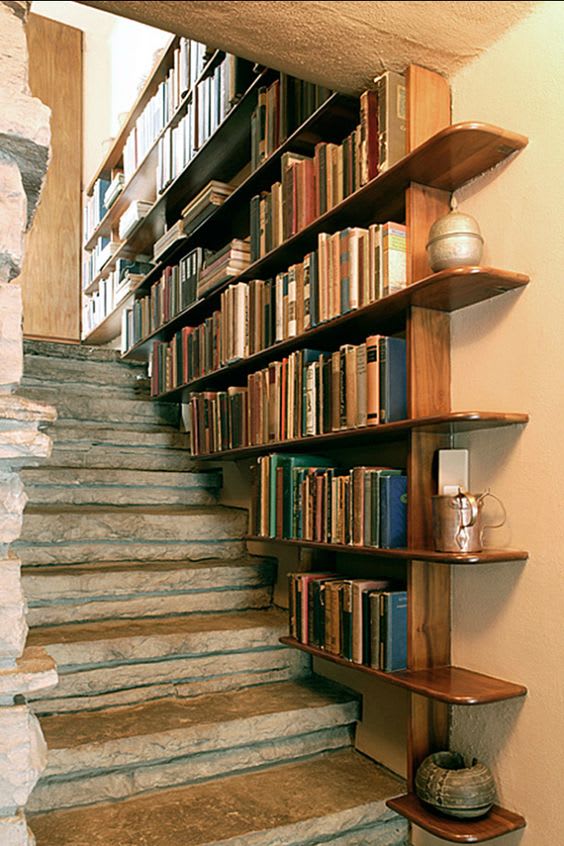
Credit: www.bookbub.com
Frequently Asked Questions
What Materials Do I Need For A Staircase Bookshelf?
You need plywood or solid wood, wood screws, a drill, a saw, sandpaper, wood glue, and paint or stain. Measuring tape and a level are essential for accuracy and stability.
How Do I Measure For A Staircase Bookshelf?
Measure the height, width, and depth of the staircase space. Note the riser and tread dimensions to fit shelves precisely.
Can I Build A Staircase Bookshelf Without Professional Skills?
Yes, with basic woodworking tools and careful measurements, beginners can build it. Follow step-by-step guides and safety precautions for best results.
How Do I Secure Shelves In A Staircase Bookshelf?
Use wood screws and brackets to firmly attach shelves to the frame. Ensure shelves are level and stable to hold books safely.
Conclusion
Building a staircase bookshelf adds style and storage to your space. It saves room and shows your creativity. Follow each step carefully for the best results. Use safe tools and take your time. Enjoy arranging your favorite books and items.
This project makes any room feel warm and organized. Try it and see how simple and fun it can be.
