Are you thinking about adding a bunk bed to your space but wondering how much it actually weighs? Knowing the weight of a bunk bed is more important than you might think.
Whether you’re planning to move it, install it safely, or simply want to understand what you’re dealing with, having this information can save you time and hassle. You’ll discover the typical weight ranges for different types of bunk beds and what factors affect their weight.
Keep reading to find out exactly what to expect before making your next move.
Factors Affecting Bunk Bed Weight
The weight of a bunk bed depends on several key factors. Knowing these helps to choose the right bed for your space and needs. Weight affects moving, assembling, and safety. Understanding what changes bunk bed weight makes the buying process easier.
Material Types
Materials greatly influence bunk bed weight. Wood beds usually weigh more than metal ones. Solid wood like oak or maple is heavy and sturdy. Pine or engineered wood is lighter but less durable. Metal beds vary by thickness and type of metal used. Steel frames are heavier than aluminum. Some beds mix materials to balance weight and strength.
Size And Dimensions
Bunk bed size changes its weight. Larger beds need more material and weigh more. Twin beds are lighter than full or queen size models. Taller beds with higher guardrails add extra weight. Width and length also matter. Compact beds fit small rooms but weigh less. Bigger beds suit more space but are heavier to move.
Design And Features
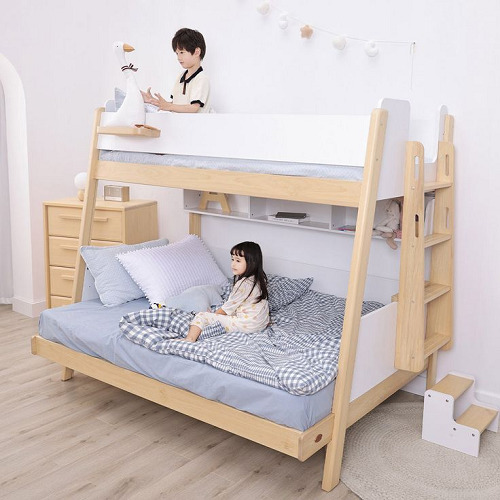
Bed design affects weight too. Simple bunk beds with basic frames weigh less. Beds with built-in drawers, desks, or shelves add weight. Extra safety rails and ladders increase the total mass. Some beds have thick mattresses or heavy slats. Adjustable or folding beds can be lighter or heavier depending on parts. More features mean more weight to consider.
Credit: www.craft-child.com
Weight Ranges By Material
The weight of a bunk bed depends mainly on the material used. Different materials bring different weights and strengths. Knowing these weight ranges helps in planning for moving or installation. It also helps in choosing the right bed for your space and needs.
Wooden Bunk Beds
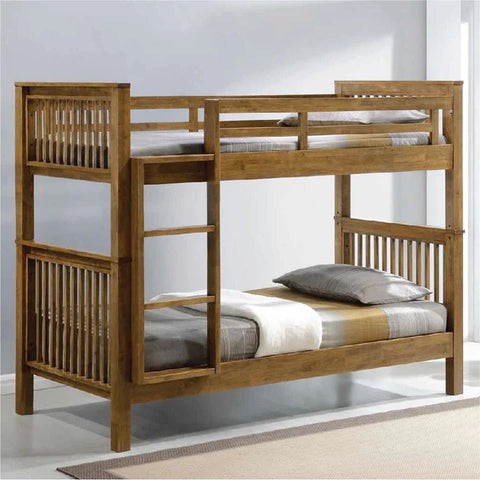
Wooden bunk beds usually weigh more than metal ones. Solid wood like oak or maple can weigh between 150 to 250 pounds. Pine or softer woods tend to be lighter, around 120 to 180 pounds. Wooden beds feel sturdy and warm. They need more effort to move but offer strong support.
Metal Bunk Beds
Metal bunk beds are often lighter and easier to move. Most metal beds weigh between 80 to 150 pounds. Steel frames provide good strength at a lower weight. Metal beds often have a sleek, modern look. They are a practical choice for smaller rooms.
Hybrid Models
Hybrid bunk beds combine wood and metal parts. Their weight falls between wooden and metal beds. These beds usually weigh from 130 to 200 pounds. Hybrids offer a balance of style and durability. They can suit many room designs and preferences.
Weight Differences Based On Size
Bunk beds come in different sizes, and the size affects their weight. Knowing the weight helps with moving, installation, and choosing the right space. This section explains how size changes the weight of bunk beds.
Twin Vs Full Bunk Beds
Twin bunk beds are the most common and usually lighter. They weigh between 100 to 150 pounds. Full bunk beds are wider and heavier. Their weight ranges from 150 to 250 pounds. The extra width and materials add more weight.
Extra Tall And Loft Variations
Extra tall bunk beds have higher frames for more headroom. They often weigh more than standard ones. Loft beds lift the bottom bunk off the ground. This design uses more materials, increasing weight. These variations can weigh from 200 to 300 pounds or more.
Impact Of Additional Features
The weight of a bunk bed changes with extra features. These features add comfort and storage but also increase the overall weight. Knowing how much these parts weigh helps when moving or assembling the bed. Some features add more weight than others.
Built-in Storage Options
Storage drawers or cabinets under the bed add extra weight. Wood or metal used for storage makes the bed heavier. These options help save space but increase the total weight by 20 to 40 pounds. The size and material affect the added weight most.
Desks And Shelving
Desks attached to the bunk bed add a strong and heavy frame. Shelves on the sides or ends also add weight. These features usually add 30 to 50 pounds. The thickness of the wood and the desk size change the total weight.
Safety Rails And Ladders
Safety rails keep sleepers from falling out of the bed. Ladders provide easy access to the top bunk. Both are often made of wood or metal. These parts add about 10 to 25 pounds to the bunk bed’s weight. Metal parts weigh more than wooden ones.
How Weight Influences Setup And Moving
The weight of a bunk bed affects how easy it is to set up and move. Heavy bunk beds need more care and effort during assembly. Moving them requires planning to avoid damage or injury. Understanding the weight helps prepare for these tasks. It makes the process smoother and safer.
Assembly Considerations
Heavier bunk beds need two or more people for assembly. The parts can be large and hard to handle alone. Use sturdy tools and a flat surface for setup. Follow instructions step-by-step to avoid mistakes. Take breaks if lifting feels too hard. Secure all bolts tightly for safety. A heavy bed means a stronger frame, but careful assembly is key.
Transport And Relocation Tips
Moving a heavy bunk bed needs planning. Disassemble the bed into smaller parts first. Wrap each piece to protect from scratches. Use a dolly or cart to carry heavy parts. Clear pathways to avoid obstacles during moving. Ask for help to lift and carry. Load parts carefully in the vehicle to prevent shifting. Take your time to prevent accidents or damage.

Credit: maxandlily.com
Choosing The Right Bunk Bed Weight For Your Space
Choosing the right bunk bed weight matters for safety and space. The bed must fit your room and support the users well. A heavy bunk bed might be strong but hard to move. A light bunk bed can be easier to handle but less sturdy. Balance the weight with your room’s needs and who will use the bed.
Floor Support And Room Size
Check the floor strength before picking a heavy bunk bed. Some floors cannot hold too much weight. Wood floors may need extra care. Concrete floors handle weight better. Measure your room size to ensure the bed fits well. A heavy bed in a small room may block space. Choose a bunk bed that fits your room and floor safely.
Intended Use And User Age
The bed weight depends on who will use it. Kids need lighter beds but with strong safety features. Teenagers or adults need stronger, heavier beds. Consider how often the bed will be used. For daily use, pick a sturdy, heavier bed. For occasional use, a lighter bed may work fine. Match the bed weight to users’ age and needs for safety.
Credit: picketandrail.com
Frequently Asked Questions
How Much Does A Standard Bunk Bed Weigh?
A standard bunk bed typically weighs between 100 to 200 pounds. Weight varies by material and design, with wooden beds often heavier than metal ones. Knowing the weight helps in planning room layout and moving the bed safely.
What Affects The Weight Of A Bunk Bed?
The bunk bed’s weight depends on materials, size, and build quality. Solid wood beds are heavier, while metal frames weigh less. Additional features like storage drawers or guardrails also add to the overall weight.
Are Metal Bunk Beds Lighter Than Wooden Ones?
Yes, metal bunk beds are generally lighter than wooden ones. Metal frames usually weigh 100 to 150 pounds, whereas wooden bunk beds can weigh over 200 pounds. This makes metal beds easier to move and assemble.
How Do Bunk Bed Weights Impact Shipping Costs?
Heavier bunk beds increase shipping fees due to size and weight. Carriers charge more for bulkier items, so knowing the weight helps estimate delivery costs. Opting for lighter models can reduce shipping expenses.
Conclusion
Bunk beds come in many sizes and materials, affecting their weight. Wood bunk beds usually weigh more than metal ones. Knowing the weight helps when moving or setting up the bed. It also matters for safety and floor strength. Always check the product details before buying.
This way, you avoid surprises and choose the best fit for your space. Understanding bunk bed weight makes your decision easier and safer.