
Are you wondering how much it will cost to furnish your 2 bedroom house without breaking the bank? You’re not alone.
Finding the right furniture that fits your style and budget can feel overwhelming. But what if you had a clear idea of the expenses ahead? Knowing the typical costs can help you plan smarter, avoid surprises, and create a home you love.
You’ll discover exactly what to expect when furnishing every room in your 2 bedroom house—so you can make confident choices and enjoy the process from start to finish. Keep reading, because your perfect home setup is closer than you think.

Credit: www.houseplans.com
Average Furniture Costs For 2 Bedroom Homes
Furnishing a two-bedroom house means balancing comfort and budget. Knowing average costs helps plan better. Furniture prices vary by style, quality, and store. This guide breaks down typical expenses for main rooms.
Living Room Essentials
The living room needs key pieces like a sofa, coffee table, and TV stand. A decent sofa costs between $400 and $1,200. Coffee tables range from $100 to $300. TV stands usually cost $150 to $400. Adding chairs or shelves can raise the total by $200 to $600.
Bedroom Furniture Expenses
Bedrooms require beds, dressers, and nightstands. A good queen bed frame costs about $300 to $900. Mattresses add $400 to $1,000 depending on quality. Dressers and nightstands usually cost $150 to $500 each. Budget around $1,000 to $2,500 for two bedrooms.
Dining Area Costs
A dining table and chairs are essential. A solid dining set for four costs $300 to $1,200. Chairs alone can be $50 to $200 each. Some sets include benches or extra seating, increasing cost. Plan to spend $400 to $1,500 for a basic dining area.
Additional Rooms And Spaces
Extra rooms like offices or guest rooms need furniture too. Desks cost $100 to $400. Office chairs add $80 to $250. Shelving units range from $100 to $300. Budgeting $300 to $1,000 covers most small spaces.
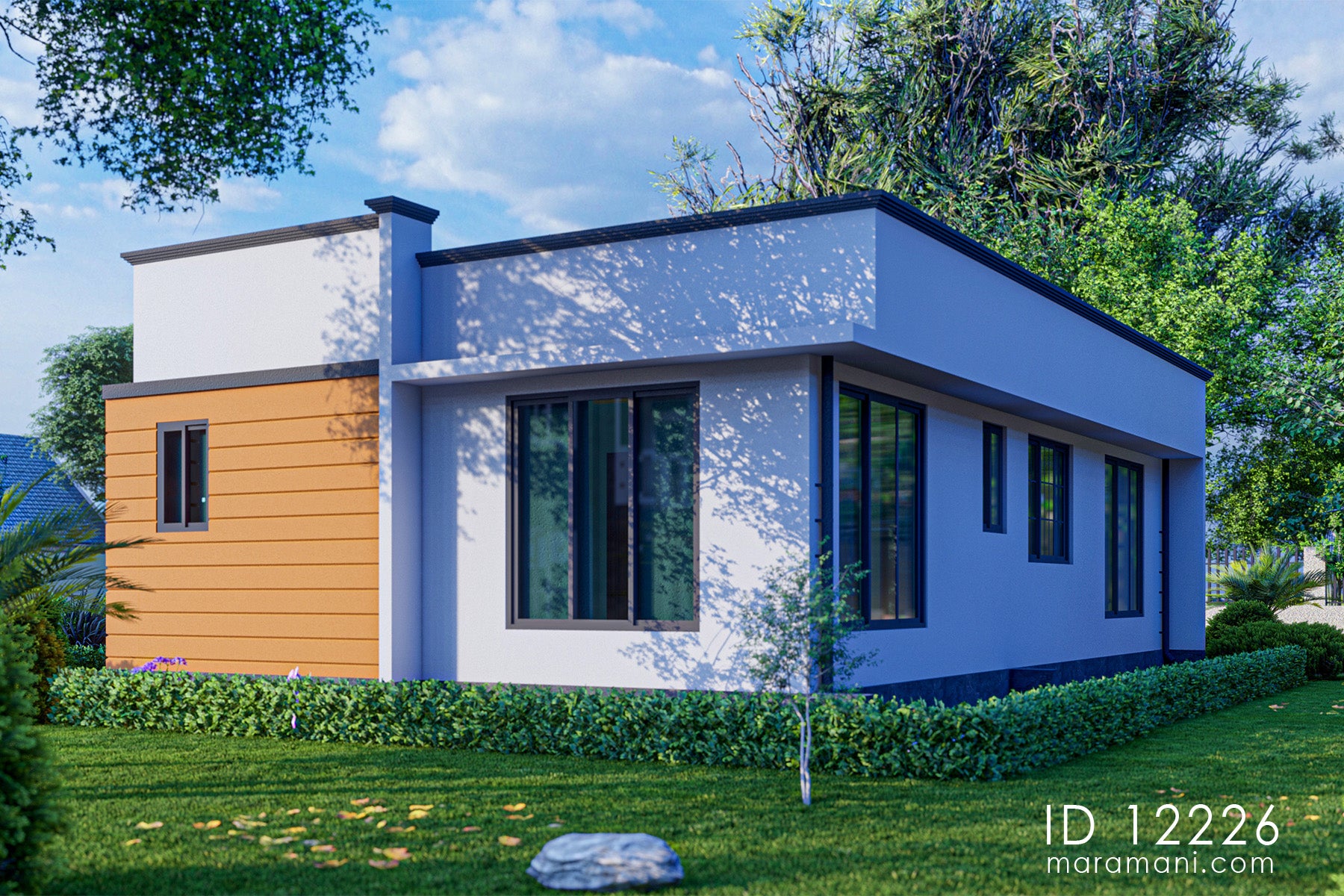
Credit: www.maramani.com
Budgeting Tips For Furniture Shopping
Buying furniture for a two-bedroom house needs smart budgeting. Spending too much can cause stress. Spending too little can lead to poor choices. These tips help balance cost and quality. They make shopping easier and save money.
Setting A Realistic Budget
Start by knowing how much you can spend. Think about your total furniture needs. Include beds, sofas, tables, and storage. Divide money based on each room’s importance. Keep some funds for unexpected costs. A clear budget guides your shopping decisions.
Prioritizing Key Pieces
Focus on furniture you use daily. Beds and sofas need more budget. They affect comfort and rest. Less-used items like side tables can cost less. Buy important pieces first. Upgrade smaller items later if needed.
Where To Find Deals And Discounts
Check stores during sales seasons. Clearance sales and holiday offers cut prices. Online marketplaces often have lower costs. Don’t forget local thrift shops or outlets. Patience helps find good deals on quality furniture.
Balancing Quality And Cost
Choose furniture that lasts longer. Cheap furniture may break fast. Look for sturdy materials and good design. Sometimes spending a bit more saves money later. Aim for pieces that combine value and durability.
Cost Breakdown By Furniture Type
Furnishing a two-bedroom house involves many choices. Each furniture type has a different cost range. Knowing these costs helps plan your budget better.
This section breaks down furniture costs by type. It covers sofas, beds, tables, and decor. This way, you see where your money goes.
Sofas And Seating
Sofas are often the most expensive pieces. A standard sofa costs between $300 and $1,200. Sectionals and recliners cost more. Chairs and small seating options range from $50 to $400. Budget seating can still be comfortable and stylish.
Beds And Mattresses
Beds come in many sizes and styles. A basic bed frame costs about $150 to $600. Mattresses vary widely, from $200 to over $1,000. Investing in a good mattress improves sleep quality. Bedroom sets with matching furniture raise the total cost.
Tables And Storage
Dining tables cost around $200 to $800. Coffee tables usually range from $50 to $300. Storage options include shelves, dressers, and cabinets. These can cost between $100 and $700 each. Practical storage helps keep your home tidy.
Decor And Accessories
Decor items add personality to your rooms. Rugs, lamps, and curtains cost between $30 and $300 each. Wall art and mirrors vary widely in price. Accessories make your house feel like a home. They can be affordable and impactful.
Furniture Costs By Style And Material
Furniture costs for a 2 bedroom house vary widely by style and material. Choosing the right style affects the overall price. The materials used also change the cost. Understanding these differences helps budget better. Here is a breakdown of furniture costs by style and material.
Modern Vs Traditional Styles
Modern furniture often has clean lines and simple shapes. It uses materials like metal and glass. Prices can be moderate to high depending on brand and design. Traditional styles use more wood and ornate details. They often cost more due to craftsmanship and materials. Traditional furniture feels warm and classic. Modern pieces look sleek and fresh.
Wood, Metal, And Upholstery Prices
Wood furniture varies by type. Pine is cheaper, while oak or walnut costs more. Metal furniture is usually less expensive but can be sturdy. Upholstered furniture has fabric or leather coverings. Fabric sofas and chairs cost less than leather ones. Quality and durability affect the price of all materials. Mixing materials can balance cost and style.
Custom Vs Ready-made Furniture
Custom furniture is made to order. It fits spaces perfectly but costs more. Ready-made furniture is mass-produced and often cheaper. It is easier to find and buy quickly. Custom pieces offer unique designs and better quality. Ready-made options work well for tight budgets. Both have pros and cons depending on needs.
Diy And Secondhand Furniture Options
Choosing furniture for a 2 bedroom house can be expensive. DIY and secondhand furniture options help save money. These choices also let you add a personal touch to your home. Crafting your own furniture or buying used pieces can lower costs and reduce waste.
Benefits Of Diy Furniture
DIY furniture costs less than store-bought items. You control the design and size to fit your rooms perfectly. Making furniture can be a fun and rewarding project. It gives your home a unique look that reflects your style. You also learn new skills and enjoy the satisfaction of creating something yourself.
Finding Quality Used Furniture
Used furniture often sells at a fraction of new prices. Check thrift stores, online marketplaces, and garage sales. Look for solid wood or well-made pieces that last long. Inspect items carefully for damage or wear. Good finds require patience and a keen eye.
Refurbishing And Upcycling Tips
Refurbishing used furniture gives old pieces new life. Sanding, painting, or staining improves their look. Replace worn upholstery or hardware for a fresh feel. Upcycling means turning furniture into something different and useful. Small changes can make big improvements without high costs.

Credit: www.maramani.com
Hidden Expenses To Consider
Buying furniture for a 2 bedroom house involves more than just the price tags. Many hidden costs can affect your budget. Knowing these extra expenses helps you plan better and avoid surprises. Here are key hidden expenses to keep in mind.
Delivery And Assembly Fees
Delivery charges often increase the overall cost of furniture. Some stores include delivery for free, but many do not. Assembly fees are another common cost. Certain furniture pieces require professional setup. This can add $50 to $200 to your bill. Always ask about these fees before buying.
Maintenance And Repairs
Furniture needs care to last long. Cleaning products, polish, and fabric protectors cost money. Sometimes, parts break or wear out. Repairing damaged furniture adds extra expenses. Budgeting for maintenance keeps your furniture looking new. It saves money over time.
Decorative Add-ons And Lighting
Decorative items like cushions, rugs, and throws enhance your space. These extras add color and comfort but cost extra. Lighting is also important. Lamps, bulbs, and fixtures create a cozy atmosphere. These small items can add up, increasing your furniture budget.
Frequently Asked Questions
How Much Does Basic Furniture Cost For A 2 Bedroom House?
Basic furniture for a 2 bedroom house typically costs between $3,000 and $7,000. This includes essential items like beds, sofas, dining tables, and storage units. Prices vary based on quality, brand, and location. Budget-friendly options are available through discount retailers and online stores.
What Factors Affect Furniture Cost For A 2 Bedroom House?
Furniture cost depends on material quality, design, brand, and size. Custom or designer pieces increase expenses significantly. Location and delivery fees also impact overall cost. Seasonal sales and promotions can reduce prices. Planning and budgeting help manage these factors effectively.
Can I Furnish A 2 Bedroom House On A Tight Budget?
Yes, furnishing on a budget is possible by choosing secondhand or flat-pack furniture. Prioritize essential items first and add decorative pieces later. Shopping during sales and using discount codes helps save money. DIY projects and thrift store finds offer affordable alternatives.
How To Estimate Furniture Cost For Each Room In A 2 Bedroom House?
Estimate costs by listing essential furniture per room, like beds for bedrooms and sofas for living rooms. Research average prices online or in stores. Allocate more budget to high-use areas. Summing these estimates gives a realistic total furniture cost for the house.
Conclusion
Furnishing a two-bedroom house takes careful planning and budgeting. Costs vary based on style, quality, and store choice. Basic furniture can save money, while high-end pieces cost more. Prioritize essential items first, like beds and sofas. Shopping sales or secondhand helps reduce expenses.
Knowing average prices guides your spending wisely. Your home will feel comfortable without overspending. Take time to compare options before buying. This way, you create a cozy space within your budget.

